REVIEW · ALGHERO
Alghero: walking tours around the ancient city
Book on GetYourGuide →Operated by ITINERA · Bookable on GetYourGuide
Catalan streets get explained on foot. I like how this walk starts at Piazza Porta Terra and turns the historic center into a living timeline, and I especially enjoy the focus on Alghero’s language roots and what they reveal about power, religion, and daily life over the centuries. One thing to plan around: museum and church entries are not included, so if you’re hoping to go inside major sites, you’ll want to budget extra time and ticket costs.
You should expect a structured walk through the city’s key areas, with a local official guide making sense of occupations, traditions, architecture, and curiosities from the city’s foundation to today. The tour is built for questions, so if you like to ask why a place feels the way it does, this format works well. Wear comfortable shoes and bring water, because you’re walking the old-stone streets.
In This Review
- Key highlights worth marking on your map
- Entering Alghero through Porta Terra’s old gate
- Retracing centuries of occupation, pirates, and kingdoms
- The Catalan heart: language origins and everyday culture
- Architecture and street clues you can actually use
- The guide factor: what you should expect from a local official
- Duration and pace: how long you’ll be walking
- Price and value: is $29 per person fair for this format?
- What’s not included (so you can plan your day better)
- Who this walking tour is for, and who should choose differently
- Should you book this Alghero ancient-city walk?
- FAQ
- How long is the Alghero ancient city walking tour?
- Where is the meeting point?
- What is included in the price?
- Are museum or church tickets included?
- Are food and drinks included?
- What languages are available for the guide?
- What should I bring?
- Is the tour suitable for wheelchair users?
Key highlights worth marking on your map
- Starts at the Porta Terra tower so you begin with the old city’s “front door”
- Catalan-language focus, including how the dialect spoken in Alghero began
- A timeline of occupations, including pirate-era danger and shifting kingdoms
- Local explanations of traditions, architecture, and religion instead of random facts
- Flexible feel with Q and A, so you can chase the topics you care about
- Short and walkable, with the tour returning to Porta Terra
Entering Alghero through Porta Terra’s old gate
The tour’s meeting point is inside the tower of Porta Terra in Piazza Porta Terra (Porta Terra square n. 2, Alghero). That matters more than it sounds. Starting at the gateway gives you a mental anchor fast. Instead of wandering and trying to guess the story, you begin with the city’s defensive edge and work inward, like you’re traveling back through layers of rule and culture.
As you walk, the guide ties streets and buildings to bigger changes: who controlled Alghero, what people believed, and how the city functioned. Even if you only catch part of the timeline, you’ll leave with a clearer map in your head. And if you want to understand why Alghero feels distinctly Catalan, this is the place to start.
Retracing centuries of occupation, pirates, and kingdoms
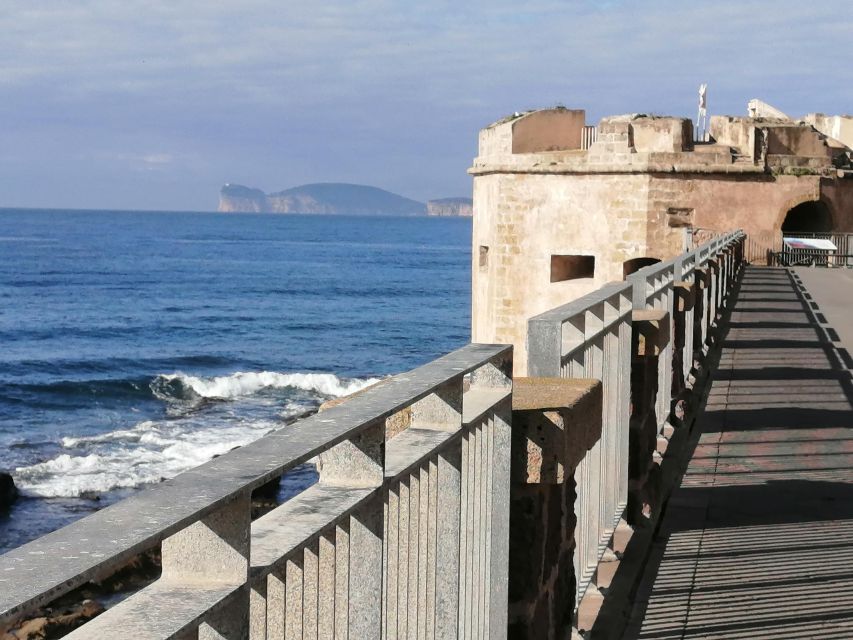
This walking tour is designed as a time machine. You retrace the main stages of occupation starting from the ancient door of the city and moving through the shifts that shaped Alghero’s identity. You’ll hear about a land attacked by pirates, and you’ll also get the thread of different kingdoms taking turns over time.
That pirate-and-kingdom framing is actually useful. It stops history from feeling like a list of dates. You start to understand why certain places had stronger defenses, why communities preserved specific customs, and why language could survive even when politics changed.
You’ll also get context for the way the city developed culturally: how traditions formed, how religion influenced public life, and how architecture became a record of those influences. The guide keeps the big picture coming while still pointing you toward the most interesting corners to look at.
The Catalan heart: language origins and everyday culture
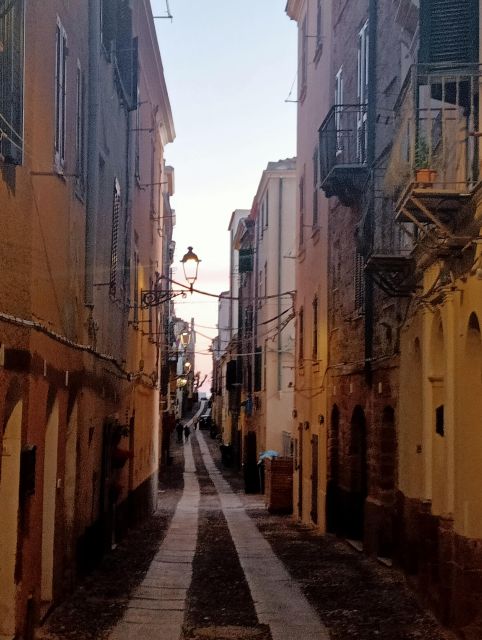
What makes this tour stand out from the usual old-town stroll is the way it treats language like a key. You get a full explanation of the origins of the dialect spoken in Alghero. In plain terms, you’re not just hearing that Catalan exists here. You’re learning how it arrived, how it took root, and why it became part of local identity.
That theme shows up in recent guide experiences too. People have highlighted the chance to hear Algarès and to learn how much history sits behind that dialect. There’s also strong emphasis on the present-day issues around preserving Catalan language in Alghero, including how culture and identity are handled now.
If language is your thing, this is a smart use of time. You’ll leave with tools to notice what’s going on around you: street signs, wording, how people talk about heritage, and why the Catalan connection isn’t just a tourist slogan.
Architecture and street clues you can actually use
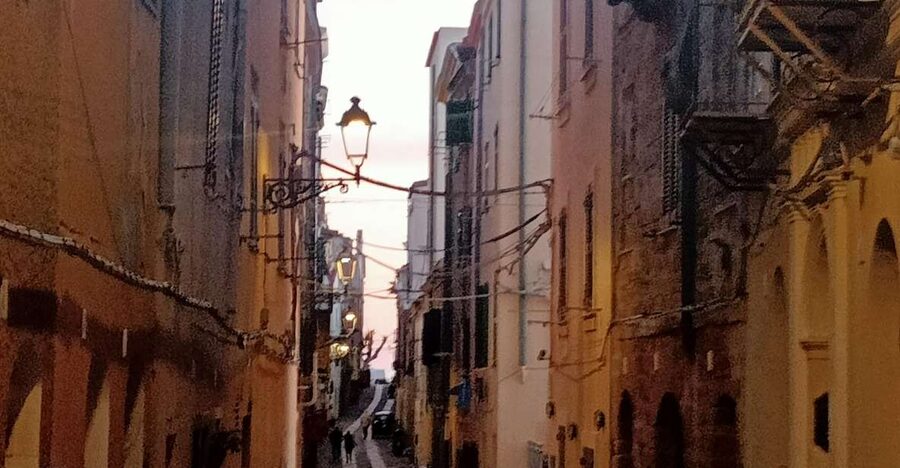
This isn’t a museum-only approach. You’re learning how to read the city. As you move through the historical center, the guide points out architectural and visual cues and ties them back to the occupations and beliefs that shaped them.
I like tours that teach you how to spot clues yourself, because you keep using that skill after the walk ends. You’ll get explanations of architecture and religion, plus curiosities that help you connect what you see in the street to a larger story. Even if you’re not an architecture nerd, you’ll recognize the difference between facts and interpretation.
There’s a practical side here too: you’ll likely be moving through the best-looking corners without having to guess which alley is worth your time. That’s a big deal on a first visit, when you’re still getting your bearings.
The guide factor: what you should expect from a local official
The tour is led by a live guide, and the language options include Catalan, English, German, Italian, and Spanish. That’s helpful because it means you can match your comfort level and still get the nuance about culture and politics.
Names from recent experiences underline the point. Andrea has been praised as very knowledgeable, with a fascinating focus on history. Sonia has been described as charming and highly recommended. Raffaele has been singled out as very prepared, with storytelling from multiple angles, including historical, artistic, and even economic perspectives. One booking ran as a private tour for a couple and stretched close to two hours, showing that the guide can slow down when you’re engaged.
Bottom line: this kind of city walk works best when the guide can explain why things matter, not just what they are. Based on the feedback, that’s exactly the strength here.
Duration and pace: how long you’ll be walking
The activity lists a duration of 1 hour, and the guided walking portion is described as about 1.5 hours. In real life, that range usually means you’re not sprinting through stops, but you also aren’t on a long slog. You should plan for a short, focused outing inside the old town area.
The structure is straightforward: you start at Porta Terra, then you walk around the ancient city center, and you return to Piazza Porta Terra. The loop format is convenient. After the tour, you’re positioned right where you can keep exploring on your own, grab a snack, or head toward churches and museums if you decide you want to go inside.
Price and value: is $29 per person fair for this format?
At $29 per person, you’re paying for a guided experience that focuses on interpretation: occupations over time, Catalan roots, language origins, architecture, religion, and local curiosities. That’s not the kind of content you get from a self-guided audio tour unless you really want to work for it.
Is it worth it? If you’re the type of traveler who likes to understand a place rather than just photograph it, yes. The value comes from the guide’s ability to connect the story threads—pirates and kingdoms, Catalan identity, and why the dialect matters—into one walk.
If you’re mainly after a cheap way to see streets, you might feel it’s more than you need. But for $29, you’re buying clarity. And in a city like Alghero, where language and identity are part of the sightseeing, clarity is exactly what saves time.
What’s not included (so you can plan your day better)
This tour includes the guided walk, but entries into museums and churches are not included. Food and drinks are also not included. That means you should treat the tour as a storytelling and orientation experience, not as a ticket package that replaces a full cultural afternoon.
If you want to see interiors, plan a second step after the walk. You’ll come back to Porta Terra, so you’re well placed to branch off without backtracking.
Who this walking tour is for, and who should choose differently
This experience fits best if you:
- care about Catalan roots and want more than a quick mention
- like language and culture connections (especially the origins of the dialect)
- enjoy short walking tours that teach you how to read a historic center
- want a guide who answers questions while walking
It’s not suitable for wheelchair users. If mobility is limited, you’ll need a different plan or a different tour style.
Should you book this Alghero ancient-city walk?
I’d book it if you want your first day in Alghero to make sense quickly. The Porta Terra start gives you direction, and the Catalan-and-language emphasis gives you a reason to care about what you’re seeing. At around an hour to an hour and a half, it’s a good fit when you don’t want your schedule chewed up, but you still want meaning.
Skip it only if you already know the background and you just want independent sightseeing, or if you expect the tour to handle museum and church entry costs. For most people who want an Alghero overview with real cultural context, this is a solid way to get oriented and learn the city’s story on your feet.
FAQ
How long is the Alghero ancient city walking tour?
The duration is listed as 1 hour, and the guided portion is described as about 1.5 hours.
Where is the meeting point?
Meet inside the Porta Terra tower at Piazza Porta Terra, Porta Terra square n. 2, Alghero.
What is included in the price?
The guided tour is included.
Are museum or church tickets included?
No, entries to museums and churches are not included.
Are food and drinks included?
No, food and drinks are not included.
What languages are available for the guide?
Catalan, English, German, Italian, and Spanish.
What should I bring?
Bring comfortable shoes and water.
Is the tour suitable for wheelchair users?
No, it is not suitable for wheelchair users.