REVIEW · HVAR
Back to the Roots – Ancient Island Interactive Experience
Book on Viator →Operated by Terra Arhaica Experience · Bookable on Viator
Bread, fish, and stories in an island kitchen. In Hvar’s Vrisnik, Back to the Roots has you work with your hands—grinding wheat for bread under the peka, pressing grapes, salting fish—then you sit down for a farm-and-fisher style meal in a family home. I love the hands-on pace and the stone-built setting that makes the experience feel real, not staged.
I also love the warmth and personal tone from the people running it. Jaksa, Lana, and Magdalena (with Jacob helping) guide the day with a calm confidence, walking you through everything from mending tools to breadmaking routines. The only catch: it’s brief (about 1 hour 15 minutes), so it’s not the right choice if you’re looking for a long, slow sit-down.
In This Review
- Key highlights from Back to the Roots in Hvar
- Why this 80-minute living-history workshop beats a museum stop
- Meeting in Vrisnik: Terra Arhaica’s family kitchen welcome
- Bread under the peka: grinding wheat and learning why fire matters
- Grapes to wine, plus fishing chores you’ll actually try
- The meal: olive-oil bread, sardines with garden tomatoes, and paprenjok
- Hands-on crafts: figs, weaving, cooper’s craft, and ironing with embers
- Price and value in Hvar: what $155.33 buys you
- Who should book this, and who might want a different kind of Hvar day
- Should you book Back to the Roots in Hvar?
- FAQ
- Where does the experience take place?
- How long is the Back to the Roots experience?
- Is the tour offered in English?
- Is this a private activity?
- What kinds of activities and tastings are included?
- Do I get a mobile ticket?
- Are service animals allowed?
- When will I get confirmation, and can I cancel for a full refund?
Key highlights from Back to the Roots in Hvar
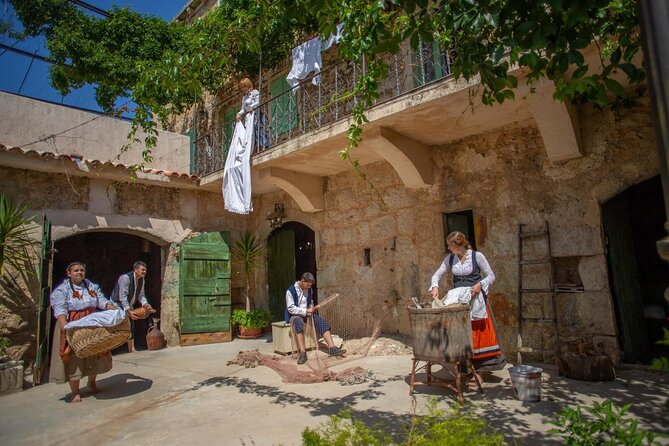
- Bread under the peka: you grind the wheat and learn how the fire shapes the final bread
- Grapes to wine: you press grapes and understand how the juice becomes wine
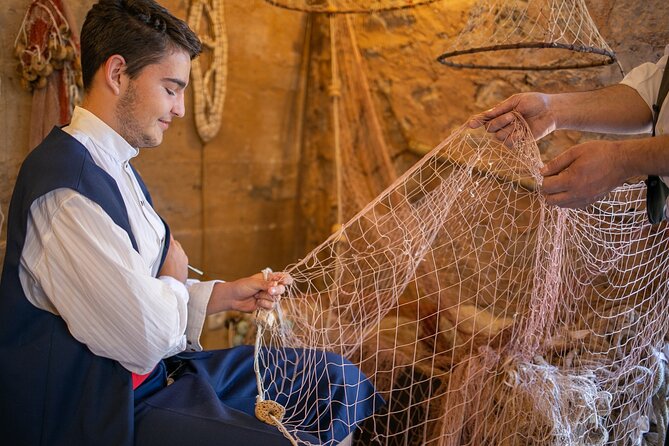
- Fishing chores you’ll try: net mending and salting your own fish
- Garden-to-plate lunch: you mix salted sardines with handpicked tomatoes and zucchini
- Paprenjok cookie secret recipe: you taste it and learn how it’s made
- Crafts beyond cooking: weaving a scarf or bracelet, cooper’s craft, and ironing clothes with embers
Why this 80-minute living-history workshop beats a museum stop
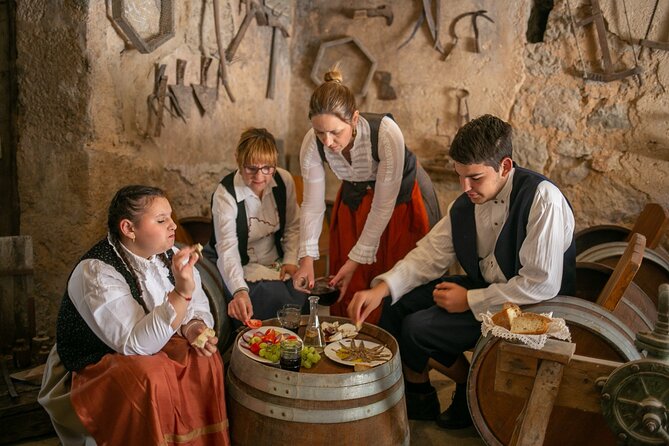
On Hvar, you can pack in views, beaches, and old stone streets. This is different. Back to the Roots in Vrisnik is about daily life—how people cooked, worked, mended, and ate—so you leave with a real sense of how island routines shaped everything.
What I like most is the format. It’s not a lecture where you stand around and watch. You do small, practical tasks: grinding wheat, shaping food, handling tools, and learning why heat and timing mattered to everyday people. Even in just 1 hour 15 minutes, the experience gives your brain a working model for how life used to run.
It also helps that the atmosphere feels like you’ve been let into someone’s real world. Reviews describe being welcomed like old friends, and that matches the overall vibe: warm, personal, and focused on sharing.
Meeting in Vrisnik: Terra Arhaica’s family kitchen welcome
Your experience starts in Vrisnik, at the listed meeting point, and it ends back there. Expect a straightforward, easy start: you arrive, you check in, and you’re pulled into the house’s routines right away.
A big part of the charm is the welcome. Guides like Jaksa, Lana, Magdalena, and Jacob greet you in traditional clothing and treat the experience like an evening you’re invited into—not a ticketed show. That tone matters. When someone teaches you while they’re genuinely happy to share, you pay attention faster, and you remember more.
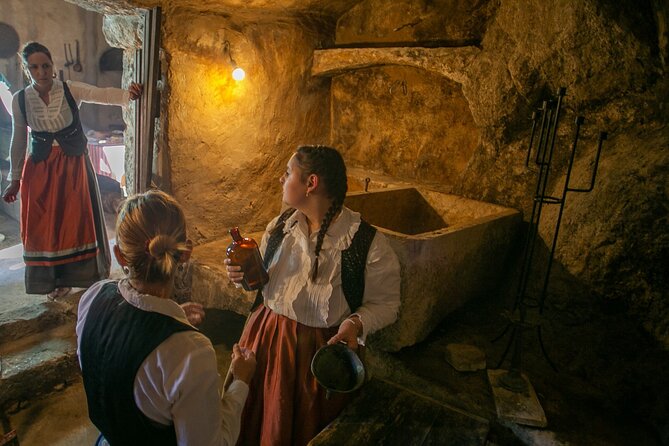
The setting also helps. You’ll spend time in an old family home with stone rooms and a kitchen built around woodfire cooking. Several past visits mention the stone buildings and the sense of standing where grandparents did their daily work. You get the feeling that this place isn’t frozen in time like a museum diorama—it’s a living space where tradition is actively taught.
Bread under the peka: grinding wheat and learning why fire matters
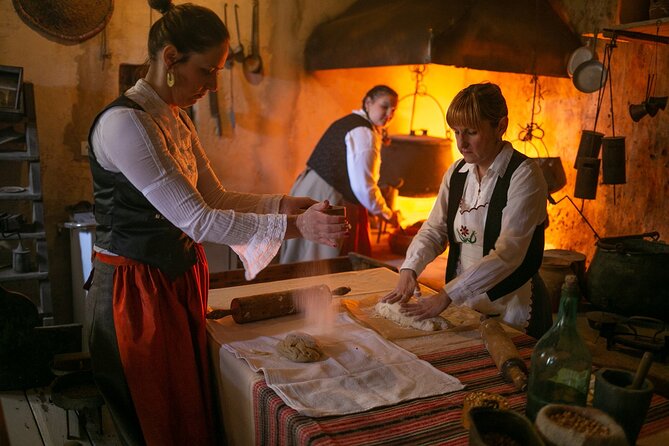
The peka is the heart of this bread story. It’s a traditional cooking method where bread (and other foods) cook in a controlled environment created around the fire and the oven area. In practical terms, that means heat management isn’t optional—your ancestors couldn’t rely on a timer and a dial the way we do now.
You don’t just hear about it. You grind your own wheat, which changes the whole experience. Grinding takes time and effort, so you start to understand why flour wasn’t something you grabbed without thinking. Even before you taste anything, you’ve already invested work into the meal.
From there, the bread becomes more than a side. When you see (and taste) what fresh bread can be like with the right heat, it makes sense why olive oil and bread show up in so many island tables. This is the moment where you start connecting the routine to the flavor.
Grapes to wine, plus fishing chores you’ll actually try
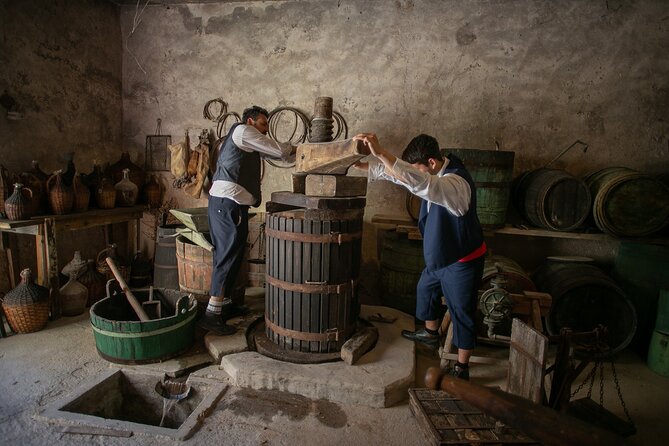
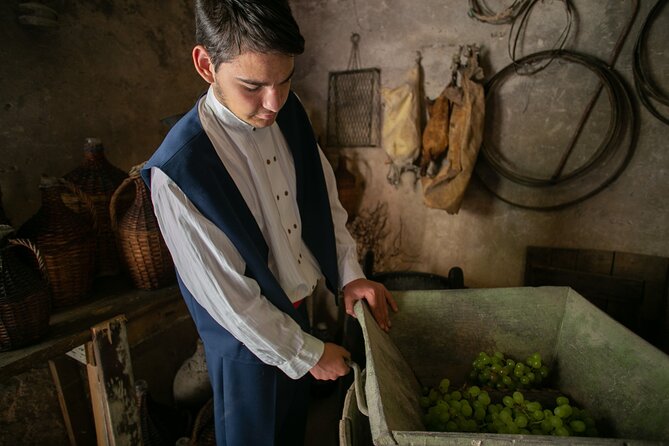
This experience links farm life and sea life in a way that feels logical, not forced. You learn how grapes were pressed and how juice turns into wine. That lesson isn’t only about grapes. It’s about turning seasonal work into something you can store and share later.
Then the program shifts to fishing tasks—net mending and salting fish. These are perfect “daily life” lessons because they show work that doesn’t look glamorous but keeps people fed and ready for the next trip.
You’ll also be guided on the importance of fire and the fireplace. In a setting like this, the fire isn’t just for cooking. It supports the rhythm of the day: heating, baking, and finishing. When you understand that, the food you taste later stops being random. It becomes part of a system.
And yes, it’s hands-on. The point is to make you feel the steps, even if your version is smaller and faster than what someone did all day long.
The meal: olive-oil bread, sardines with garden tomatoes, and paprenjok
Now for the part most people came for: eating. The best version of this experience is when you stop treating lunch like a reward and start treating it like a continuation of the lesson.
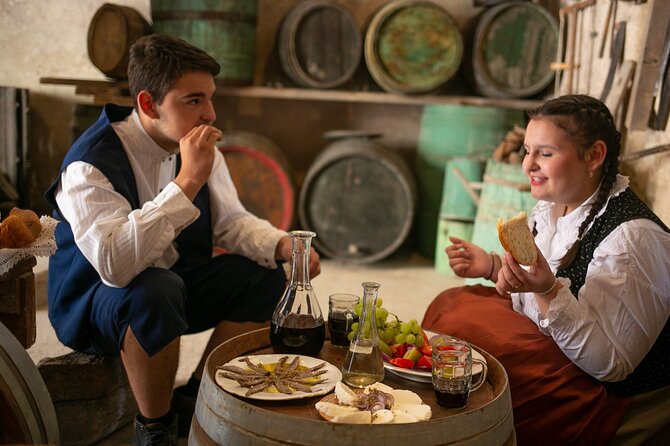
First up is the olive oil moment. You scoop oil from a stone vessel and taste it with fresh warm bread drizzled with olive oil. This sounds simple until you do it. Fresh bread plus good oil is one of those combos where you realize why people built whole traditions around basic ingredients.
Next comes the farmer and fisherman lunch. You mix salted sardines with fresh tomatoes and zucchini—vegetables you handpicked from their garden. That detail matters. When you pull the ingredients yourself, you taste more than salt and tang. You taste the season.
Then you get traditional sweets: paprenjok cookies and the story behind the recipe. Reviews highlight multiple cookie varieties and shared cookie-making moments, and even when the menu details shift slightly, paprenjok is clearly a signature. If you like learning food culture through the desserts, this is a great place to end the meal.
Hands-on crafts: figs, weaving, cooper’s craft, and ironing with embers
Cooking is only part of it. The rest is work you normally never get to try as a visitor—small crafts that show how people made and maintained everyday items.
You learn how figs were dried. That’s not a random trivia fact. Drying turns summer food into winter staples. It’s food storage explained in a way that sticks.
You also learn to weave a scarf or bracelet. In a short experience, weaving can feel quick, but it’s a smart choice. You instantly understand that “handmade” isn’t a label—it’s time, coordination, and repetition.
Another highlighted skill is the cooper’s craft—learning about the craft of barrel-making and the tools used in that work. Even if you don’t make something fully from start to finish, you get the idea of how cooperage supported storage and aging, including the wine side of island life.
And then there’s the unusual one: ironing clothes with embers. It sounds strange until you realize it’s practical. Heat and care were built into the routines, long before modern appliances. In a place like this, you start noticing how people solved problems with what they had.
Price and value in Hvar: what $155.33 buys you
$155.33 per person isn’t cheap, but this isn’t a generic cooking class either. You’re paying for a private, family-run experience format, with a hands-on workshop plus a full food segment that includes bread with olive oil, garden vegetables, salted sardines, and traditional cookies.
The time is also part of the value equation. About 1 hour 15 minutes is long enough to teach real steps and feed you properly, but short enough that it fits cleanly into an afternoon on Hvar. You don’t need to build your whole day around it.
There’s also the private aspect. Only your group participates, so you get more direct attention and less standing in a crowd. That matters when tasks require help—grinding, mixing, handling tools, and learning techniques you can’t fully copy just by watching.
One more note: this experience is commonly booked about 54 days in advance on average. If you’re visiting in peak season or traveling with a group, lock it in early so you can choose the time that works with your Hvar plan.
Who should book this, and who might want a different kind of Hvar day
This is a strong fit if you want more than sightseeing. You’ll enjoy Back to the Roots if you like hands-on learning, food culture, and the kind of travel where you leave with practical memories—how salt changes fish, how heat affects bread, why grape pressing mattered, and what daily chores used to take.
It’s also a good match for families. One visit specifically mentions bringing children aged 12 and 10, and the experience worked well in that setting because it’s active, sensory, and guided.
You might think twice if you want a laid-back, no-effort vacation afternoon. The experience is hands-on by design, and it moves. You’ll grind and mix and spend time in a working kitchen environment, so it’s not a choice for people who want to fully opt out of participation.
Should you book Back to the Roots in Hvar?
If you want one Hvar stop that feels like work-and-food tradition, this is an excellent booking. You’re not just tasting olive oil and cookies—you’re learning where they came from and what steps turned raw ingredients into daily sustenance.
My rule of thumb: book this when you care about how people lived, not only what people built. If that’s your style, Back to the Roots in Vrisnik delivers. If you’re only after scenery and a light snack, you may find the hands-on pace too focused.
If you’re on the fence, do this quick check: Are you the type who enjoys cooking classes, craft demos, and learning by doing? If yes, you’ll likely come away happy you chose this over one more street photo stop.
FAQ
Where does the experience take place?
It takes place in Hvar, Croatia, with the meeting point listed in Vrisnik. The activity ends back at the meeting point.
How long is the Back to the Roots experience?
It lasts about 1 hour 15 minutes.
Is the tour offered in English?
Yes, the experience is offered in English.
Is this a private activity?
Yes. Only your group will participate.
What kinds of activities and tastings are included?
You’ll learn and take part in bread under the peka (including grinding wheat), grape pressing into wine, mending a fisherman’s net, salting fish, and the role of fire and the fireplace. Tastings include warm bread with olive oil, a lunch with salted sardines plus tomatoes and zucchini from the garden, and the traditional paprenjok cookie. You’ll also learn about figs drying, weaving a scarf or bracelet, cooper’s craft, and ironing clothes with embers.
Do I get a mobile ticket?
Yes. The experience uses a mobile ticket.
Are service animals allowed?
Yes, service animals are allowed.
When will I get confirmation, and can I cancel for a full refund?
You’ll receive confirmation within 48 hours of booking, subject to availability. You can cancel for a full refund up to 24 hours before the experience starts.