REVIEW · BAMBERG
Bamberg: Guided Beer History Tour with Optional Tasting
Book on GetYourGuide →Operated by AGIL Bamberg erleben · Bookable on GetYourGuide
Beer and Bamberg belong together. This guided walk links beer history to real corners of town, with stops you can actually point at later. I especially like how it pairs brewing stories with landmark viewing, and I like the UNESCO World Heritage setting that makes the whole route feel purposeful. The one watch-out: the optional tasting costs extra, and the tour is only in German.
If you’re the type who likes your sightseeing with a reason behind it, this fits. You’ll move through key spots tied to Bamberg’s beer past—Eisgrube, the Upper Parish Church, Domberg, Sandstraße—then end with beer culture details and a pub-brewery moment. The optional tasting is a small add-on (four 0.1L samples: light, dark, wheat, and smoked), not the main event. The drawback is simple: it’s not for kids under 18, and if you don’t read German comfortably, you’ll feel the language limit.
Best for curious beer lovers and history walkers
Quick 1.5 hours with real town stops (not a museum lecture)
German-language live guide with strong feedback from past guests
In This Review
- Key things to know before you go
- Beer history written into Bamberg streets
- Meeting at AGIL Lädla: quick start, easy orientation
- Eisgrube and the Upper Parish Church: a key visual anchor
- Domberg, Sandstraße, and Pfahlplätzchen: views that explain the layout
- Bamberg beer war locations: conflict, trade, and local identity
- Frankish drinking customs and the pub-brewery stop
- Price and value for a 1.5-hour UNESCO walking tour
- Who should book this Bamberg beer history tour?
- Should you book it?
- FAQ
- How long is the Bamberg guided beer history tour?
- What does the tour cost?
- Is beer tasting included in the price?
- What types of beer are included in the optional tasting?
- Where do I meet the guide?
- Is the tour suitable for children?
Key things to know before you go
- UNESCO setting built into the route: you see Bamberg’s main sights while learning the beer story behind them.
- Eisgrube and Upper Parish Church: a landmark stop tied to the town’s brewing identity.
- Beer-war stories in real locations: you’ll hear about Bamberg beer conflict and what it left behind.
- Säufermännla and beer-culture folklore: you get the small character details that make the place feel alive.
- Optional tasting is small but varied: four 0.1L pours (light, dark, wheat, smoked) for €5.
- German-only guide: you’re booking a guided walk in German, not an English narration.
Beer history written into Bamberg streets
Bamberg doesn’t treat beer like a side hobby. Here, the story is tied to where people lived, worked, fought, and celebrated. This tour uses that idea to keep you moving. You’re not stuck listening about brewing in the abstract. You’re walking from one relevant point to the next.
The big theme is how brewing grew over time—starting from monastic roots, then pushing through the rise of the hop trade, and eventually ending up in the global commercial malt-house era. That arc matters because it explains why beer talk in Bamberg sounds the way it does. It’s not just about flavor. It’s about trade routes, local customs, and how beer shaped everyday life.
I also like that the tour focuses on Frankish drinking customs and traditions. It gives you the social context. You start to understand why certain rituals and local habits keep showing up in a town’s identity. And because you’re in Bamberg’s UNESCO World Heritage core, the sightseeing part doesn’t feel like filler.
You can also read our reviews of more tours and experiences in Bamberg.
Meeting at AGIL Lädla: quick start, easy orientation
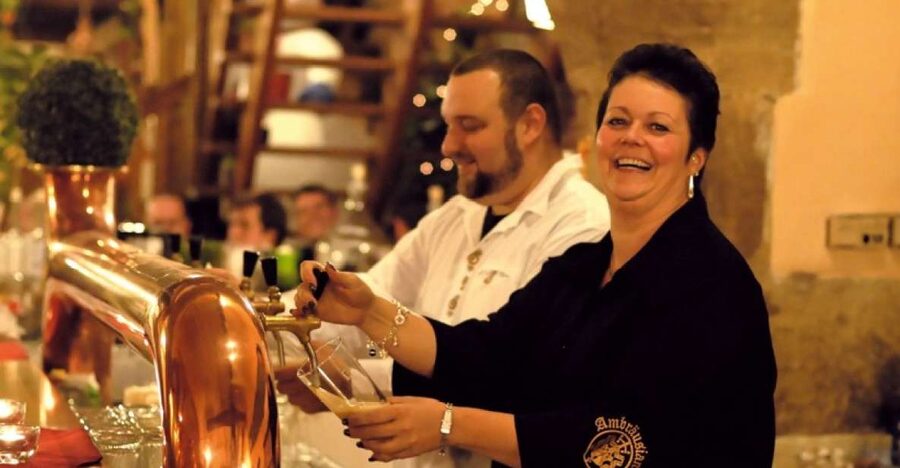
The meeting point is AGIL Lädla, Alte Hofhaltung, Domplatz 7, 96049 Bamberg, Germany. That location puts you right where you need to be: in the heart of the historic area, close to the stops that matter.
From the start, the tour is designed to get you oriented fast. Bamberg is beautiful, but its charm can make you wander in circles if you’re on your own. With a live guide, you get a sequence: which sites connect to beer history, which ones are visual landmarks, and where the stories fit.
I appreciate the practical approach here. The ticket process is handled for you in advance (you skip the ticket line), and the experience is just 1.5 hours. That time length is a real advantage if you’re trying to manage a day with other visits in Bamberg. You’ll get a complete story arc without needing a full half-day commitment.
One more point: the guide is live and German-language. In the reviews, people mention punctuality and a friendly guide with specialist knowledge, including a guide named Jan. If you’re okay following German, you’re in good shape.
Eisgrube and the Upper Parish Church: a key visual anchor
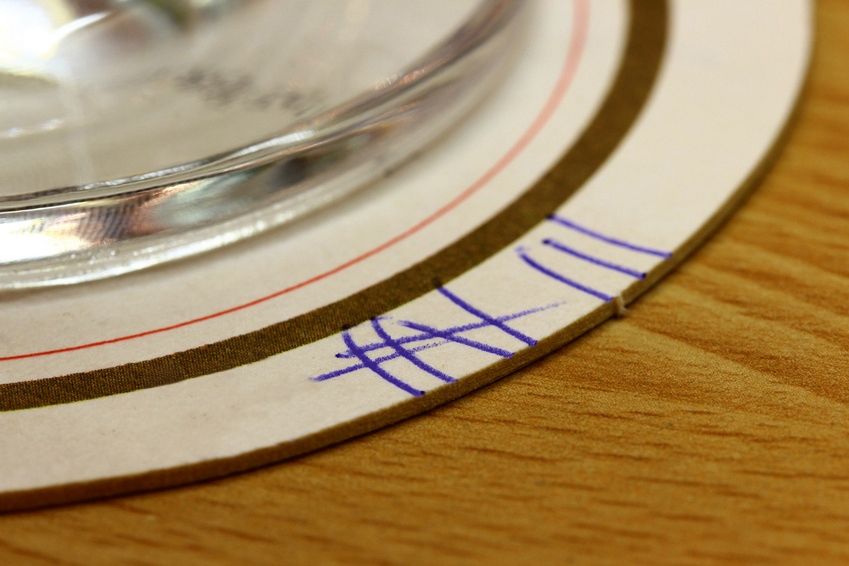
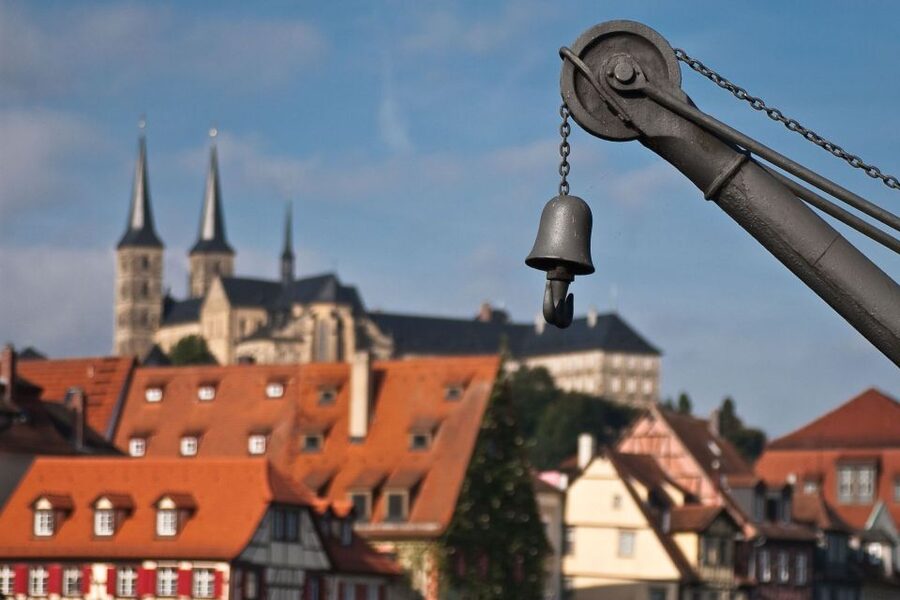
One of the first “you can’t miss it” landmarks on this walk is the Eisgrube with the Upper Parish Church. This is the kind of stop that works even if you’re not a hardcore architecture person. It gives you a big visual anchor early, so the beer story starts with a sense of place.
Eisgrube and the Upper Parish Church area matters because it helps you connect Bamberg’s religious and civic geography to brewing culture. Beer and monasteries are linked historically, and Bamberg’s religious landscape gives you a physical way to picture that early brewing world. Even if you don’t know anything before you arrive, the guide’s framing makes the details click.
A practical tip: since this is a walking tour of historic streets, wear shoes that handle uneven old-town ground. You’ll be moving between sights, and Bamberg isn’t built for marathon comfort. Also, bring a light layer if the weather is cool, because the historic core can feel chilly in the shade.
Domberg, Sandstraße, and Pfahlplätzchen: views that explain the layout
As you continue, you’ll pass the Domberg and Sandstraße, plus the Pfahlplätzchen. These names might look like just stops on a list, but they’re really about understanding Bamberg’s town shape.
Domberg gives you a sense of elevation and the “why” behind sight lines. When you understand where key buildings sit, the rest of the street network makes more sense. Sandstraße helps you see how neighborhoods and routes connect. And the Pfahlplätzchen stop is the kind of point where you can pause and take in the arrangement rather than just march through it.
This is one of the reasons I like this tour format: it doesn’t treat beer history as a museum topic. It treats it as a lens for seeing town planning, social spaces, and where people would gather.
Potential drawback: if you’re expecting lots of time for photos at every single stop, the 1.5-hour format might feel tight. The tour is paced to cover key points without turning into a slow sightseeing crawl. Plan to take quick photos at each landmark, and then come back later on your own if you want longer time.
Bamberg beer war locations: conflict, trade, and local identity
Every beer town has stories. Bamberg has stories you can link to real places. Part of the tour focuses on the original locations of the Bamberg beer war—those tensions that shaped how brewing and business played out locally.
Why does that matter? Because it explains why beer culture can feel intense, not just festive. When a town’s brewing ecosystem becomes competitive, it affects rules, reputation, and access. Over time, that leaves behind visible traces: legends, customs, and a kind of local pride that survives beyond the conflict itself.
You’ll also meet the Säufermännla. These are part of the town’s beer-related folklore. You get the chance to see these symbolic pieces in context, not as random decorations. They help you understand Bamberg’s character: serious about brewing, but also able to laugh at itself.
This portion is also where the tour can feel most “entertaining.” If your guide is like the ones praised in past feedback—friendly, punctual, and strong on specialist knowledge—you’ll get stories that stick because they’re tied to physical points in the city.
Frankish drinking customs and the pub-brewery stop
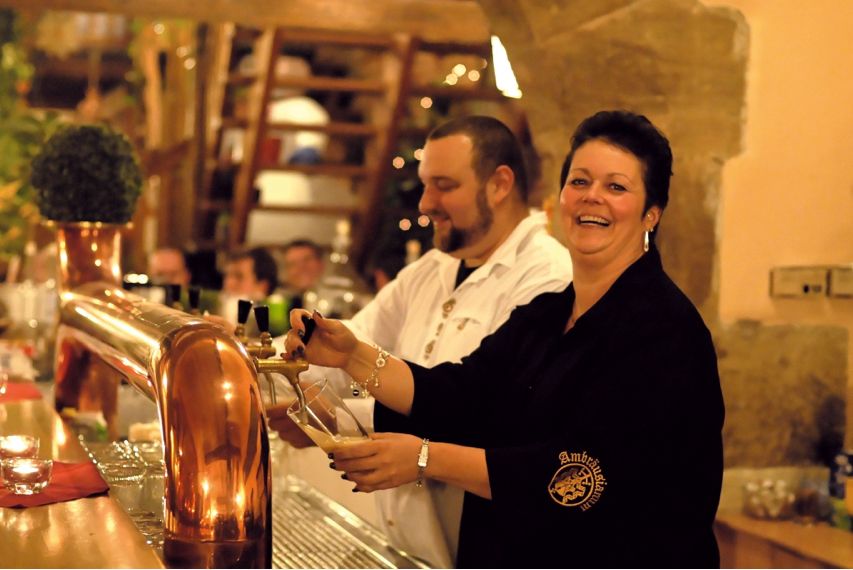
Beer in Bamberg isn’t only about brewing dates and hop volumes. It’s also about how people actually drink and socialize. This walk includes learning about Frankish customs and traditions around beer, which is exactly what turns the tour from trivia into something you can apply while you’re eating and drinking on your own.
Along the way, there’s also a pub-brewery stop for delicacies of the town. The idea isn’t that you’re doing a full meal on the tour. It’s more of a taste of the local food-and-beer rhythm so you can continue the day with better instincts.
At this point, you also decide on the optional tasting. It’s not included in the base price. It’s an add-on for €5.00 per person for four 0.1L samples: light, dark, wheat, and smoked beer. That’s a smart structure for most people. If you’re a beer nerd, you can pay for the comparison. If you’re just there for the story and sightseeing, you can skip it.
One more practical note: because it’s tasting sizes of 0.1L each, it’s designed to stay manageable within the 1.5-hour flow. You won’t end up overcommitted on taste fatigue.
Price and value for a 1.5-hour UNESCO walking tour
The tour is $21 per person for 1.5 hours, and that includes the tour guide. Transfers aren’t included, so you’ll handle getting yourself to the meeting point.
Is it worth it? In my view, the value comes from three things:
First, you’re paying for a real live guide for a short, focused timeframe. That’s often better than doing a half-day self-guided loop, especially in historic cores where the “what am I looking at?” question can eat time.
Second, you’re getting both story and sight. You’re not just hearing about brewing. You’re also walking the UNESCO core and hitting landmarks like Eisgrube, the Upper Parish Church, Domberg, Sandstraße, and Pfahlplätzchen.
Third, the optional tasting is priced sensibly. €5 for four small samples is a low-pressure way to understand the range (light, dark, wheat, smoked) before you decide what to order later.
The only financial sting is that the tasting isn’t free. If you want the full beer comparison, your cost becomes $21 plus €5. But that’s still a simple, predictable add-on rather than an open-ended upgrade.
Who should book this Bamberg beer history tour?
This tour is a strong fit if you:
- want a structured walking route through Bamberg’s historic core
- like beer culture as a way to understand local identity, not just drink casually
- enjoy stories that connect conflict, trade, and customs to real places
- can handle German, since the guide speaks German
It’s not suitable for children under 18. And if you’re traveling with mixed language needs, you should consider whether you’ll have someone who can comfortably follow the guide.
It also suits solo travelers and couples because the group pacing is built for a 1.5-hour experience. You’ll see the main story beats without needing a big travel party.
Should you book it?
If you’re in Bamberg and you want beer history that actually walks with you, I’d book this. The combination of UNESCO-area sightseeing plus beer-war storytelling plus a guide with real specialist knowledge (and the guide name Jan shows up in past praise) is a good blend of fun and clarity.
Skip it only if you’re expecting a beer tasting as part of the core price, or if German is a problem for you. The tour is built around the guide’s explanation, so language matters.
My practical advice: book this for the first day you’re in Bamberg (or early in your visit) so the sites make sense when you wander later.
FAQ
How long is the Bamberg guided beer history tour?
It lasts 1.5 hours.
What does the tour cost?
The price is $21 per person.
Is beer tasting included in the price?
No. The optional tasting is €5.00 for four 0.1L samples.
What types of beer are included in the optional tasting?
The four samples are light, dark, wheat, and smoked beer (each 0.1L).
Where do I meet the guide?
Meet at AGIL Lädla, Alte Hofhaltung, Domplatz 7, 96049 Bamberg, Germany.
Is the tour suitable for children?
No. It is not suitable for children under 18.