REVIEW · BRIDGETOWN
Bridgetown Historic Garrison A UNESCO World Heritage Site Tour
Book on Viator →Operated by Ruthann Discovery Tours · Bookable on Viator
Tunnels, cannons, and a George Washington connection set the tone for this UNESCO Garrison walk in Bridgetown. I really loved the 26 rare iron cannons and the look at the Garrison Tunnels carved through limestone, both of which make the site feel way more real than a map ever will. The main thing to consider is that this is mostly outdoors, so plan for sun, wind, and some uneven paths.
What makes the experience click is the commentary. Guides connected with Ruthann Discovery Tours, including Ruthann and Karen (both praised for being friendly and solid on the details), guide you through the buildings like you’re reading them with your eyes.
You also get an ending that hits differently than the forts. The tour wraps up at the Barbados Museum inside a former British Military Prison, and you’ll carry your water for the walk because bottled water is included, all in about 2 hours.
In This Review
- Key highlights at Bridgetown’s Historic Garrison
- Entering the Garrison: where George Washington fits into the story
- Garrison Savannah to the Barbados Turf Club: a big setting for a military base
- The Garrison Tunnels: limestone mystery with a real timeline
- Main Guard House (built in 1804): where decisions likely started
- The cannons: 26 old iron pieces with serious rarity
- Drill Hall (built in 1700): soldiering as routine
- Barbados Museum: finishing in a former British Military Prison
- Price and pace: getting real value for $40
- Guides can make or break it: what to look for during your tour
- Should you book the Bridgetown Historic Garrison tour?
- FAQ
- How long is the Bridgetown Historic Garrison A UNESCO World Heritage Site Tour?
- What is the price per person?
- What does the tour include?
- Where does the guide meet you?
- Is admission included for the stops?
- Is the tour mostly outdoors?
Key highlights at Bridgetown’s Historic Garrison
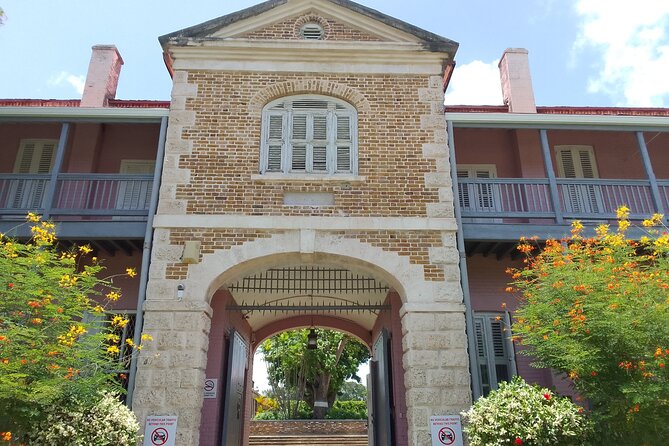
- UNESCO military site in central Bridgetown: Fortifications and structures tied to British West Indies Regiment life.
- Rare iron cannons: 26 of the oldest rarest iron cannons in the world, shown up close.
- Garrison Tunnels discovered in 2011: Limestone tunnels believed to date to around 1820.
- George Washington House connection: You start with a view and layout tied to his stay in 1751.
- Main Guard and Drill Hall stops: Key buildings from 1804 and 1700 used for command and barracks life.
- Museum in a former prison: Barbados Museum sits in what used to be a British Military Prison.
Entering the Garrison: where George Washington fits into the story
Your tour begins at the George Washington at the Garrison Savannah area. It’s an easy “get your bearings” moment, with a guide in front of the George Washington House and the bigger Garrison layout so you know what you’re looking at before you start wandering.
The best part is how the guide uses that starting point to frame the whole day. You’re not just hearing that the British had a military presence in Barbados. You’re seeing how the buildings and defenses were arranged—where command likely happened, where soldiers lived and trained, and where key defensive features were positioned.
If you like history that feels practical (who did what, where they stood, and why), this opening works. You get context fast, which helps when you move into the more “mysterious” parts like the tunnels and underground passages.
Garrison Savannah to the Barbados Turf Club: a big setting for a military base
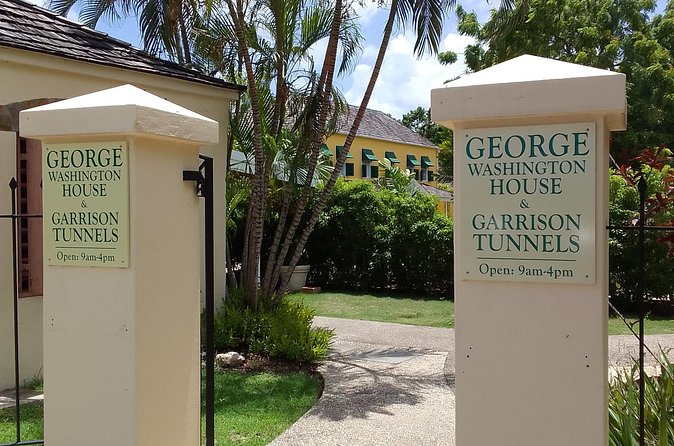
As you move around the Garrison Savannah / Barbados Turf Club area, you’ll notice the scale. The walk doesn’t feel tight or cramped; you’re moving through a site that was built for organization—marching, guarding, and keeping a system running.
That wide-open feeling matters, because it matches the purpose of the Garrison Historic Area. Defensive sites weren’t meant to be small. They needed visibility, control, and space for movement. Even if you’re not into military architecture, you’ll start to understand why these structures were placed where they were.
This is also where the running commentary earns its keep. The guide’s job isn’t to recite dates. It’s to translate what the buildings likely served, and to connect the colonial-era setup to Barbados’ later identity.
The Garrison Tunnels: limestone mystery with a real timeline
One of the most memorable stops is the Garrison Tunnels. Here’s the hook: the tunnels were discovered accidentally in 2011, and they’re believed to have been carved through limestone rock from about 1820.
That mix—accidental discovery plus early-1800s construction—makes the stop feel like you’re looking at something that still holds unanswered questions. Even without a dramatic “movie scene” vibe, the story lands because the guide gives you a concrete sense of age and material.
Why this matters for you: tunnels aren’t just spooky. They were practical infrastructure for a military base. Limestone carving suggests serious work and planning, and it helps you picture the Garrison as an active operation rather than a static set of ruins.
Practical tip: because this is an outdoor walk into a historically protected site, wear shoes you trust. You’ll want sure footing if the ground is uneven or if there’s a bit of grit around old stone.
Main Guard House (built in 1804): where decisions likely started
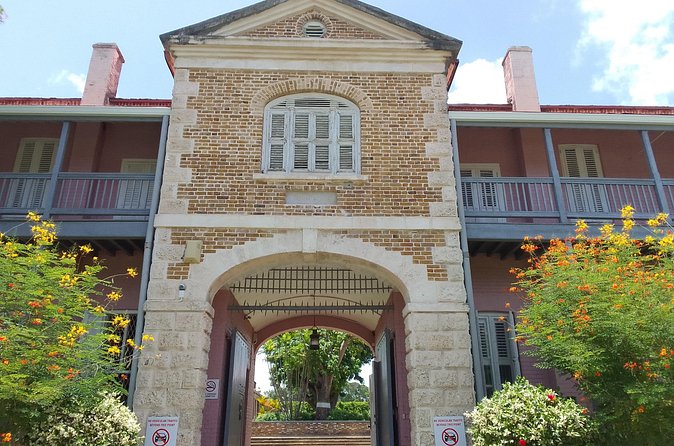
Next comes the Main Guard House, built in 1804. This is one of those buildings that makes the entire site feel more “command and control” than just defense and drama.
From a visitor’s perspective, the Main Guard stop is valuable because it anchors the story. Fortifications can feel like they belong to the battlefield imagination. But the guard house is the structure that supports daily security—who came in, who was observed, and how the base maintained order.
If you enjoy architecture that has a job, you’ll like this stop. It’s not about fancy styling. It’s about function, and the guide helps you see that.
The cannons: 26 old iron pieces with serious rarity
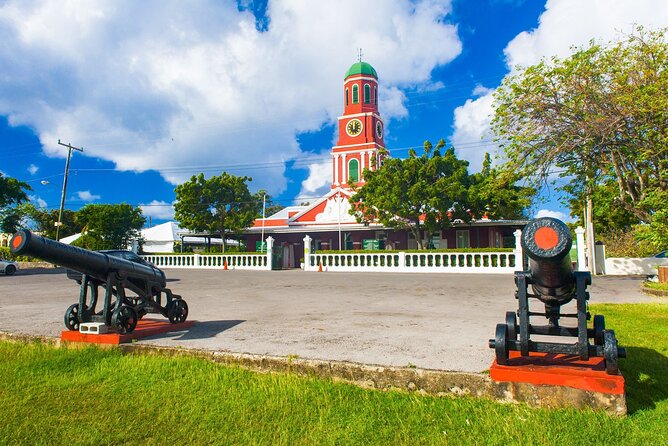
Then you get to the cannons, and the focus is specific. You’ll see 26 of the oldest rarest iron cannons in the world—a rare chance to stand near artifacts that aren’t just old, but unusual in their material and survival.
This is where I think the tour earns its price. Many history tours show you one cannon. Here, you’re seeing a set, which changes the feel. It’s easier to picture a defensive arrangement when you can see multiple pieces grouped together, rather than as a single “display item.”
Also, because it’s a guided visit with running commentary, you’re not left guessing what you’re looking at. You get help connecting these cannons to the British military role in Barbados during the 18th and 19th centuries.
Drill Hall (built in 1700): soldiering as routine
The Drill Hall, built in 1700, is used as soldiers’ barracks. That detail matters. A drill hall sounds like training, but connecting it to soldiering life gives you a fuller picture of what the Garrison meant day-to-day.
This is one of the stops that can quietly surprise you. When people picture military history, they focus on action. But training spaces and barracks spaces are where discipline happened, where routines were built, and where the base kept its shape.
If you pay attention here, you’ll start to understand the Garrison as a workplace, not just a museum set. That shift makes everything else—the Main Guard, the cannons, the tunnels—feel more like a system built to run.
Barbados Museum: finishing in a former British Military Prison
The tour ends at the Barbados Museum, housed in the former British Military Prison. The museum later became the Barbados Museum and headquarters of the Historical Society from 1930.
That’s a smart ending because it reframes everything you’ve seen. Outside, you’re focused on defense and military structures. Inside the museum, you’re looking at how Barbados later interpreted and preserved that story.
Why this works for you: it turns “what happened here” into “how we understand it now.” The transition from outdoor fortifications to museum rooms is where the tour becomes more than a walk-through. It gives your visit a structure: site, purpose, then reflection.
One more plus: this stop usually gives you a break from the sun and wind. You still get history, but you also get a change of pace—especially helpful if you’re spending a day in Bridgetown in hot weather.
Price and pace: getting real value for $40
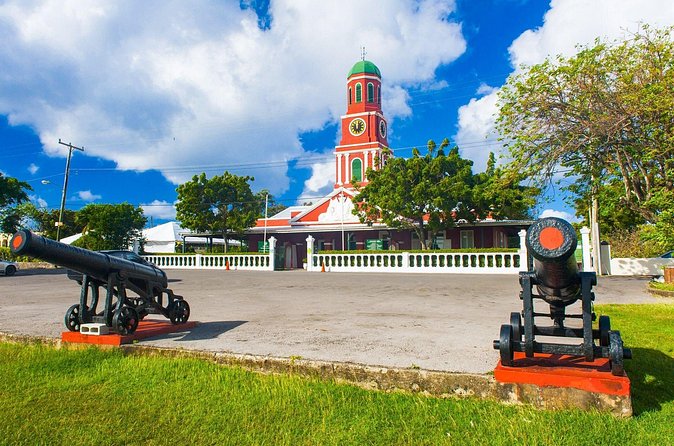
At $40 per person for about 2 hours, this tour hits a good value spot—especially because the stops are described as admission ticket free, and bottled water is included. You’re paying for guided interpretation, not just a “see it and leave” entry ticket.
The pacing is also visitor-friendly. The stops are short blocks of time at each key location, then you move on. That keeps the tour from dragging, and it helps you stay engaged even if you’re not a “stand and read plaques” type of person.
The main consideration is moderate physical fitness. Since it’s mostly outdoors around the Garrison, you’ll want to be comfortable walking for the duration and standing for commentary. If you’re coming with mobility concerns, plan to bring your patience and ask your guide what the best viewing spots are for each stop.
For best match: I’d recommend it if you want cultural and military history in a format that’s easy to follow. It’s also a strong choice if you like guided storytelling with practical context—help understanding what you’re seeing and why it mattered.
Guides can make or break it: what to look for during your tour
This is one of those tours where the guide really shows. Ruthann and Karen were specifically praised for being friendly and knowledgeable, and for sharing a local history overview that sticks.
What you should watch for during your tour: running commentary that ties buildings to purpose. If your guide is doing that well, the time at each structure feels shorter and more meaningful. You’ll leave with a mental map: George Washington House connection up front, tunnels as the mystery, then the main guard, cannons, drill hall, and finally the museum prison setting.
Don’t be shy about questions, either. A good guide can help you make sense of details you might otherwise miss, like why certain structures stand out or how the Garrison functioned as a base.
Should you book the Bridgetown Historic Garrison tour?
Book it if you want an efficient, guided way to see UNESCO-listed military structures with a strong emphasis on real features: tunnels, cannons, guard buildings, barracks spaces, and a museum in a former prison. It’s a solid history lesson in the open air, then you finish in a place that helps you process what you saw.
Skip it only if you strongly prefer fully indoor attractions or you know you won’t do well with mostly outdoor walking. In hot or windy weather, this tour can feel like a lot, and the site is more about moving and looking than sitting in one place.
If you’re in Bridgetown and want a meaningful cultural experience that doesn’t eat your whole day, I’d say this one belongs on your shortlist.
FAQ
How long is the Bridgetown Historic Garrison A UNESCO World Heritage Site Tour?
It runs about 2 hours.
What is the price per person?
The tour costs $40.00 per person.
What does the tour include?
Bottled water is included.
Where does the guide meet you?
The guide meets you in front of the George Washington at the Garrison Savannah.
Is admission included for the stops?
The stops are listed as admission ticket free.
Is the tour mostly outdoors?
Yes. It’s mostly outside around the historic Garrison, and it ends at the museum inside the former British Military Prison. You should have a moderate physical fitness level for the walking. Service animals are allowed.