REVIEW · SOUDA
Chania: Battle of Crete and WW2 History Tour with Bunkers
Book on GetYourGuide →Operated by Proper Cretan Guide · Bookable on GetYourGuide
Maleme airfield makes WWII feel uncomfortably close. On this private Battle of Crete tour with historian guide Apostolis, you’ll walk the terrain tied to Operation Mercury and see how the fighting actually unfolded on the ground, not just on a map. I love the way the key positions near Maleme and Hill 107 come alive when you stand where the action happened. I also love Apostolis’ photo-and-archive approach, where you compare wartime scenes with what you see now.
You’ll ride in modern A/C, but the real work happens outside—battlefields, memorials, and abandoned military spots. That’s the immersive part (in the normal sense, not the marketing kind): you’re learning the story while the views and ruins do the talking. The one thing to consider is that this is a hands-on history day with uneven ground and bunker exploration, so you’ll want to be comfortable walking and standing for long stretches.
In This Review
- Key things you’ll get from this Chania WW2 bunkers tour
- Why Maleme and Hill 107 are the heart of the story
- Operation Mercury, explained like you’re standing on it
- Maleme airfield: where control turned into momentum
- Battlefields nearby: the contested moments you can’t fake
- Cemeteries in Souda: where the story becomes personal
- Platanias bunker and the Galatas area: learning from what’s gone
- The unknown lookouts/observatories and rare German bunker systems
- The Apostolis photo method: why the tour feels different
- How the private format changes the day
- Timing and what to pack for 6.5 hours of WWII terrain
- Price and value: what $200 is buying you
- Who this tour suits best (and who should rethink it)
- Should you book this Battle of Crete and WW2 bunkers tour from Chania?
- FAQ
- FAQ
- How long is the Chania Battle of Crete and WW2 bunkers tour?
- What does it cost per person?
- Is this a private tour?
- Who guides the tour, and what language is offered?
- What are the main places you’ll visit?
- Is food included?
- Is there an entrance fee for a museum?
- Does the tour include pickup from central Chania?
- Is it suitable for wheelchair users?
- Is free cancellation available?
Key things you’ll get from this Chania WW2 bunkers tour
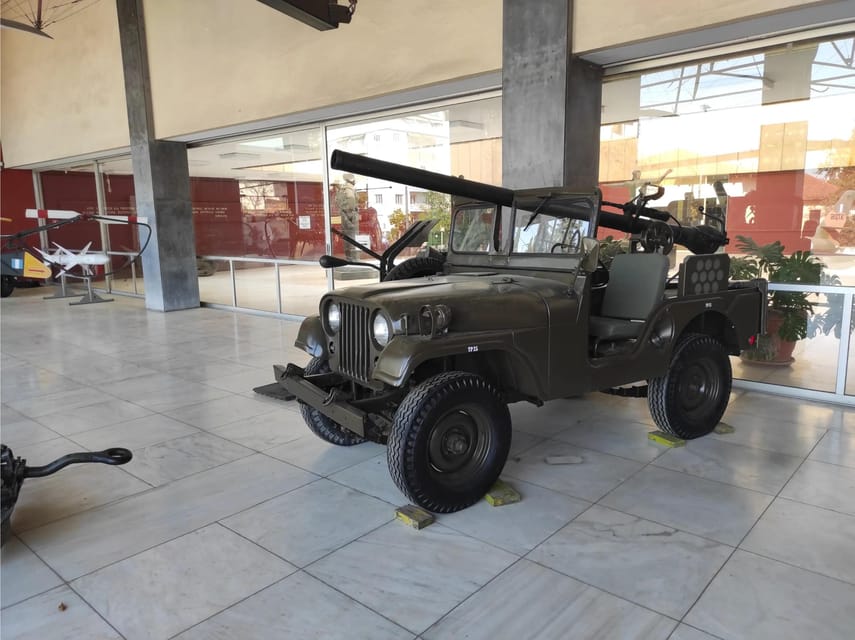
- Maleme airfield and Hill 107: two of the most important pieces of the Battle of Crete puzzle, explained on location.
- Operation Mercury made practical: you’ll connect the why and the outcome to specific points of conflict.
- Abandoned German bunkers and wartime lookouts: rare, lesser-known sites that are harder to find on your own.
- German and Allied cemeteries: places where the story shifts from strategy to loss.
- A historian guide who sets a thoughtful pace: you get room to process, not a rushed script.
- Private tour with free central pickup: easier logistics, more flexibility, and no crowd pressure.
Why Maleme and Hill 107 are the heart of the story
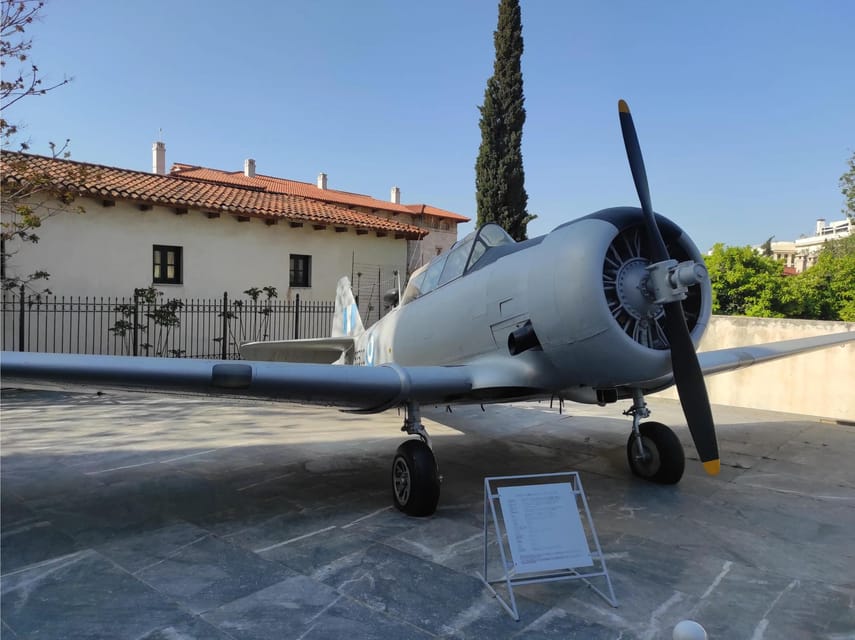
If you’ve ever tried to understand the Battle of Crete from a book, you know the problem. Names and dates stick, but the “how” doesn’t. This tour fixes that by starting with terrain—Maleme airfield and the nearby fighting areas, including Hill 107, where control mattered.
You’ll get the big picture first: why the Axis forces went for Crete in 1941 and how the battle unfolded. But the magic is that you don’t stay abstract. You’re shown what the landscape and fortifications were meant to do, then you see those ideas reflected in what’s left behind.
And yes, the day can feel heavy. That’s appropriate. WWII wasn’t polite, and the tour doesn’t try to make it cute.
Operation Mercury, explained like you’re standing on it
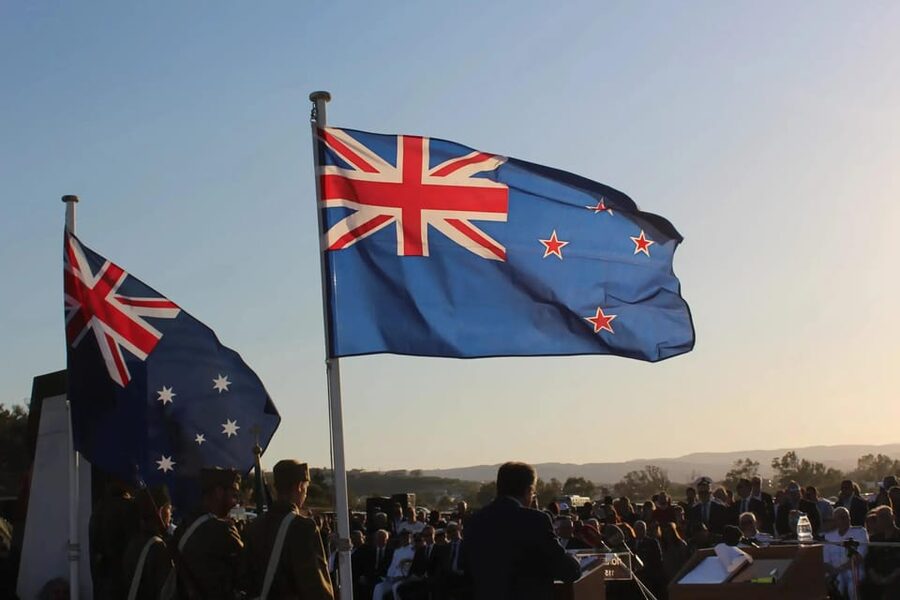
Operation Mercury is the Battle of Crete chapter most people hear about, but it can still feel vague until you connect it to specific objectives. Apostolis uses original photos and rare historical records to help you compare then-and-now scenes—so you’re not just hearing explanations, you’re seeing how the evidence lines up with the present.
This matters because Crete’s WWII story is more than one landing or one battle. The tour ties together the larger campaign (including Greece’s earlier Axis move, Operation Marita) and how those decisions fed into what happened on Crete. The point isn’t to memorize military jargon. The point is to understand cause and consequence in a place where the remnants still shape the view.
Maleme airfield: where control turned into momentum
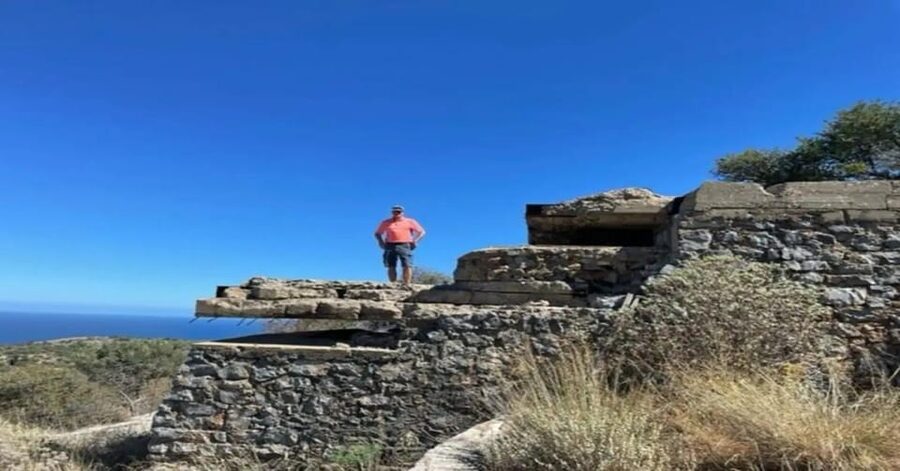
One of the first big stops is the Maleme area itself, including time for guided sightseeing and photo stops. This is where the tour earns its title. The airfield wasn’t a background detail—it was a prize, a gateway, and a hinge for what came next.
As you walk around and look at surrounding points tied to the fighting, you’ll get context for what the Axis and Allied forces were trying to achieve. Apostolis keeps the focus on the ground-level story: what mattered to movement, defense, and timing.
A practical note: airfield terrain can be exposed. You’ll want the basics (water, hat, sunscreen), because you’ll be outside longer than you expect for a “history tour.”
Battlefields nearby: the contested moments you can’t fake
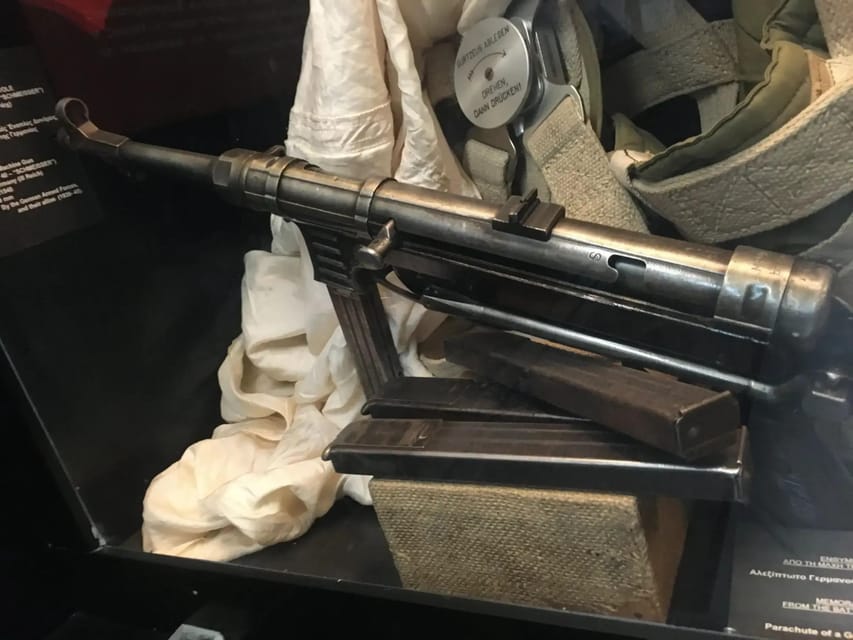
After Maleme, the tour shifts to the nearby battlefields and key surrounding positions. This is where you start to feel the rhythm of the fight—advances, counter-actions, and the frustrating reality that small distances can decide outcomes.
In the Maleme-to-memorial arc, you may cover places tied to the conflict such as RAF memorials and a contested bridge area. The exact emphasis can flex to your pace and interests, but the theme stays the same: you’re guided through the sequence of events that made May 1941 so consequential for Crete.
Cemeteries in Souda: where the story becomes personal
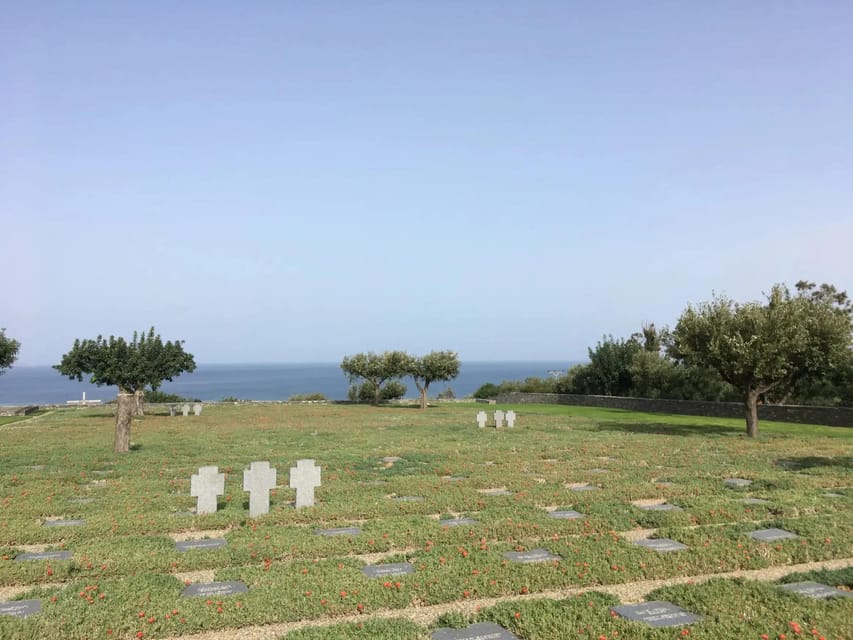
A major emotional change comes when you visit the war cemeteries—both the German war cemetery and the Allied war cemetery in Souda. These stops don’t treat graves like “sightseeing.” They’re presented as part of the historical record, which is why they hit harder than a statue or plaque.
You’ll also learn how the tour’s WWII thread connects to the present. One of the most memorable parts of the day is hearing the role modern Crete plays in today’s military presence and why there are NATO facilities in the region.
It’s a useful reminder: history isn’t sealed in a museum case. It keeps influencing what countries build and defend.
Platanias bunker and the Galatas area: learning from what’s gone
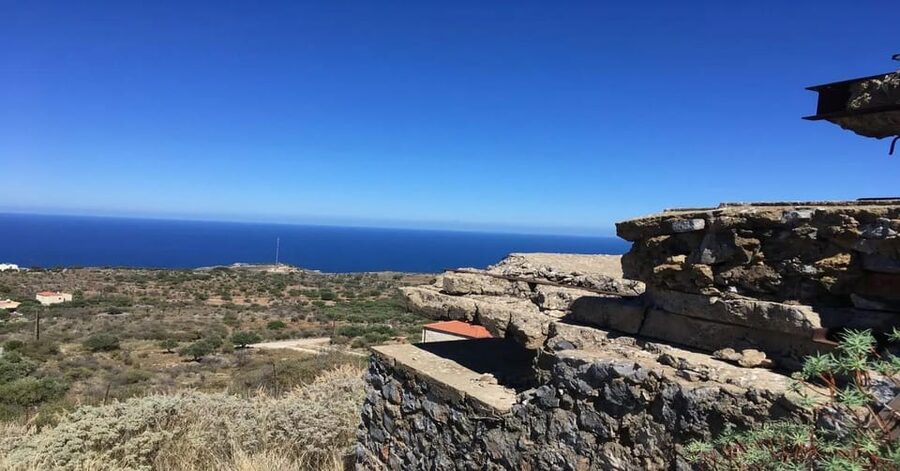
Some WWII sites are polished and labeled. Other sites are quieter—partly broken, partly hidden by distance and vegetation. This tour intentionally includes desolated and lesser-known locations of great significance.
Stops can include the Platanias bunker, plus areas around Galatas and a former POW camp site. Even without fancy storytelling, these locations do a lot. You can see why defensive planning mattered and how prisoners and soldiers were processed and controlled during the conflict.
This is also where your shoes matter. These places often involve uneven ground and the kind of walking that’s less about distance and more about footing.
The unknown lookouts/observatories and rare German bunker systems
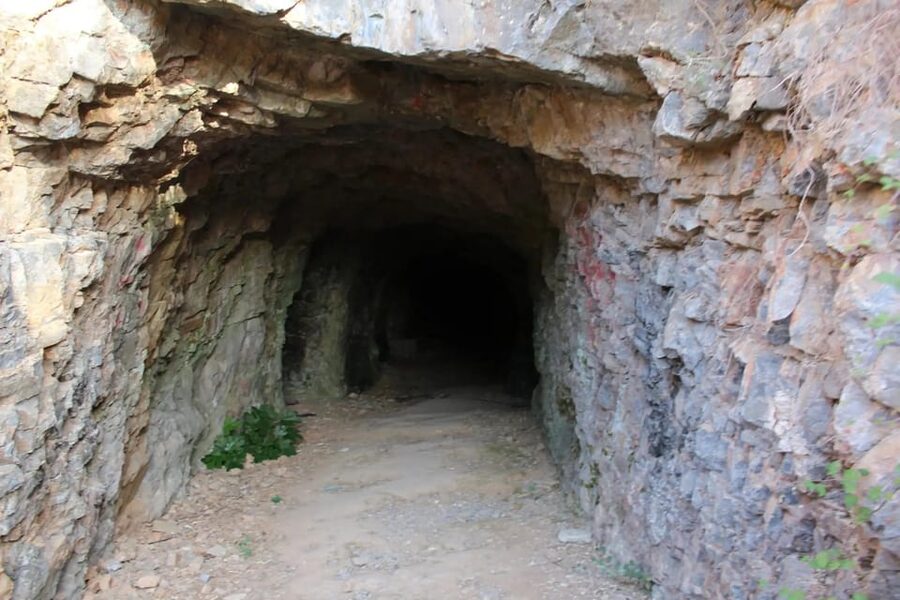
The tour’s headline thrill is the bunker exploration. You’ll visit unknown WWII lookouts/observatories and an abandoned German bunker system in an undisclosed location. Think of this as an open-air museum moment, but one guided by a historian who can explain what you’re actually seeing.
Why this is valuable: bunkers are physical arguments. They show what planners expected, what threats they prioritized, and how they intended to withstand attacks. When Apostolis ties those structures back to the battle and to Operation Mercury, the architecture stops being “cool ruins” and becomes an evidence trail.
A heads-up: bunker exploration can mean stairs, narrow passages, and surfaces that aren’t meant for comfort. If you’re the type who hates enclosed or rough spaces, this part is the one to consider carefully.
The Apostolis photo method: why the tour feels different
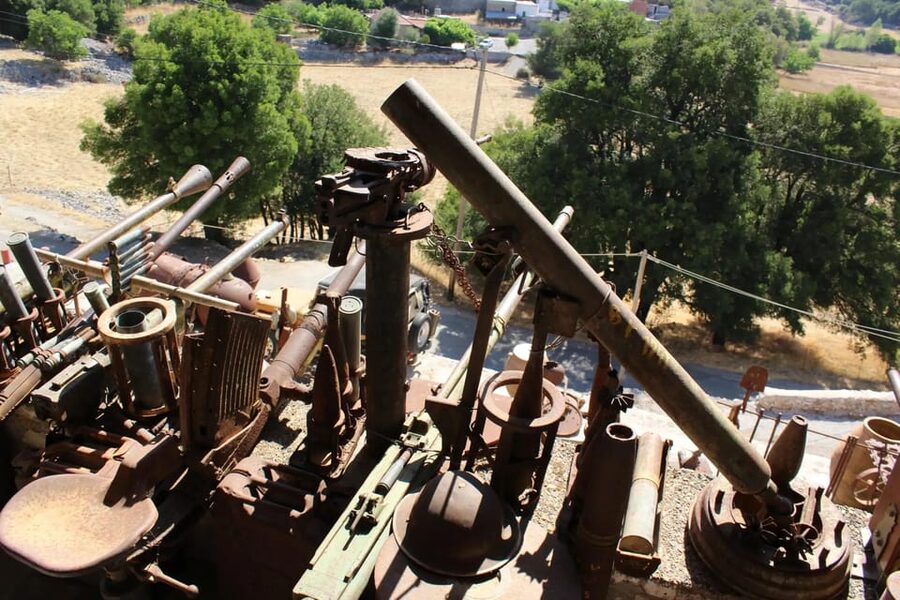
A lot of history tours talk. This one shows. Apostolis brings original wartime photos and uses them to compare what was happening then with what exists now.
That “now and then” comparison is more than a nice touch. It helps you spot details your eyes would normally miss: the placement of vantage points, the relationship of units to terrain, and the way fortifications were designed to survive. It also helps you understand why some sites feel empty today—because the action has moved on.
It also explains why the pacing can feel thoughtful. Apostolis knows when to step back and let you look, take photos, and think before the next piece of the story clicks into place.
How the private format changes the day
This is a private tour, meaning you’re alone with your party and the schedule adjusts around you. That changes the experience in a few real ways.
First, it lets Apostolis tailor the emphasis if you’re more interested in airfields, infantry fighting points, fortifications, cemeteries, or the wider WWII context. Second, it makes it easier to move at a pace that works—without the pressure of waiting for a larger group.
One traveler’s example: the Souda Bay cemetery stop was skipped because it had already been visited recently. That’s the kind of flexibility you’ll appreciate if you’ve got a tight itinerary in western Crete.
Timing and what to pack for 6.5 hours of WWII terrain
The tour runs 6.5 hours. It’s long enough that you’ll feel it by the end, even if the stops don’t all require long hikes.
Bring:
- Comfortable shoes (seriously, your feet will vote)
- Hat and sunscreen
- Water
- Camera (you’ll want photos during multiple stop-and-look moments)
Food and drinks are not included, so plan to eat before or after. If you’re the type who needs regular snacks to stay pleasant, bring something simple.
Smoking isn’t allowed during the tour, which is a good rule for both people and ruins.
Price and value: what $200 is buying you
At $200 per person, you’re not paying for a quick bus ride through a few plaques. You’re paying for a private, historian-led day built around rare and physically specific WWII sites, including German bunkers and less obvious lookouts/observatories.
What supports the price:
- A licensed historian tour guide by the Greek Ministry of Tourism
- Private transport in a modern A/C vehicle
- Visits to multiple battlefield areas plus WW2 memorial/cemetery stops
- Bunker exploration and visits to lesser-known sites
- Rare historical archives and photos used as teaching tools
- Full liability insurance, taxes, and surprise gifts at the end
What adds potential cost:
- Food and drinks aren’t included.
- There may be an optional visit to a Battle of Crete war museum with an entrance fee of 5 euros per person.
If you’re the kind of traveler who likes context and wants the story tied to what you can actually see, this price starts to make sense fast. If you just want a quick overview with minimal walking, you might feel it’s more than you need.
Who this tour suits best (and who should rethink it)
This is a strong fit if you:
- Want a WWII Battle of Crete tour with more depth than standard sightseeing
- Enjoy battlefield context and how fortifications connect to outcomes
- Like photography, because the photo comparisons are part of the method
- Prefer a private pace with an expert guide
It’s not the best fit if:
- You have mobility limitations or you need a highly accessible route. The tour lists wheelchair accessibility, but it also states it’s not suitable for wheelchair users and people with mobility impairments. So this is one to confirm before booking.
- You’re traveling with young kids. It’s not suitable for children under 8.
- You dislike bunker-like spaces or uneven outdoor terrain.
Should you book this Battle of Crete and WW2 bunkers tour from Chania?
I’d book it if you want more than a museum lesson. This is the kind of tour where Maleme airfield, Hill 107, cemeteries, and bunker remnants combine into a coherent story. Apostolis’ photo-and-archive approach makes the history feel grounded, and the private format helps you go at a human pace.
Pass on it—or ask lots of questions—if you’re not comfortable with walking and bunker exploration, or if you only want quick stops. Otherwise, it’s a high-value way to understand Operation Mercury where it actually happened.
FAQ
FAQ
How long is the Chania Battle of Crete and WW2 bunkers tour?
The tour lasts 6.5 hours.
What does it cost per person?
The price is $200 per person.
Is this a private tour?
Yes. It’s a private tour, with you and your group (alone with friends and family).
Who guides the tour, and what language is offered?
You’ll have a professional historian tour guide licensed by the Greek Ministry of Tourism. The tour is offered in English and Greek.
What are the main places you’ll visit?
You’ll visit key Battle of Crete sites around Maleme (including the airfield and nearby battlefields), Hill 107, plus cemeteries and WWII sites such as a German war cemetery and the Allied war cemetery in Souda. The tour also includes abandoned German bunkers, unknown lookouts/observatories, and areas like Platanias and Galatas.
Is food included?
No. Food and drinks are not included.
Is there an entrance fee for a museum?
Entrance fees are not included for a Battle of Crete war museum (listed at 5 euros per person).
Does the tour include pickup from central Chania?
Yes. There’s free pickup and drop-off from all Chania central areas, and the guide waits about 5 minutes before the tour starts.
Is it suitable for wheelchair users?
The tour information lists wheelchair accessible, but it also states it is not suitable for wheelchair users and not suitable for people with mobility impairments. If mobility is a concern, you should confirm details with the operator before booking.
Is free cancellation available?
Yes. You can cancel up to 24 hours in advance for a full refund.