REVIEW · FES
Fez: Walking Tour in the Ancient City of Fez
Book on GetYourGuide →Operated by CASACADO VOYAGEURS · Bookable on GetYourGuide
Fez makes sense fast with the right guide. This 3-hour historical walk with Mustafa turns the medina maze into a story you can follow, starting at Batha Bus Stop at 10:30 AM. You’ll see famous sites like Bou Inania Madrasa, plus the working parts of the city, with explanations that help you understand what you’re looking at.
I especially love the 100% historical focus and the way it’s paced for real navigation, not just photo stops. Bou Inania Madrasa, the tanneries, artisan workshops, the Moulay Idriss area, and Seffarine Square all fit into one route, with plenty of local context and insider suggestions for after. The main drawback is simple: it’s a group walking tour through narrow streets, so you’ll want comfortable closed-toe shoes and to dress for cool weather if you’re here in winter.
In This Review
- Key things to know before you go
- Why a guided walk matters in the Fez medina
- Meeting at Batha Bus Stop and getting your bearings quickly
- Bou Inania Madrasa: Morocco’s architecture you can actually read
- Tanneries and artisan workshops: seeing traditional work up close
- Museum of Woodworkers, Foundouk Nejjarine, and the city’s trade history
- Moulay Idriss and the religious heart of Fez
- Al-Attarine Madrasa optional entry and the schools of tanners and cooks
- Seffarine Square, Dar Dheb, and finishing at R’cif Square
- Price and logistics: is $28 for 3 hours good value?
- Who should book this Fez walking tour, and who might not
- After the tour: turning tips into a smarter second day
- Should you book this walking tour?
- FAQ
- How long is the Fez walking tour?
- What time does the tour start?
- Where do I meet the guide?
- Where does the tour end?
- Is Bou Inania Madrasa included?
- Are the tanneries included?
- Is the Al-Attarine Madrasa entry included?
- What does the tour include?
- What languages is the guide available in?
- What should I wear and bring for the walk?
- Is transportation or meals included?
Key things to know before you go
- Mustafa’s guided storytelling helps you read the medina, not just pass it.
- Bou Inania Madrasa is a highlight with careful attention to architecture and design details.
- Tanneries and workshops are built into the route, so you see traditional making in action.
- You’ll cover major historic and religious stops, including the Moulay Idriss shrine area and Kairaouine Mosque and University access.
- Optional Al-Attarine Madrasa entry can be added for extra cost if you want that extra layer.
- No-pressure experience: it’s designed to be historical, with no obligation to buy.
Why a guided walk matters in the Fez medina

Fez medina is beautiful, but it’s also confusing in a very specific way. Streets twist, lanes shorten, and landmarks can appear out of nowhere, especially once you’re off the main drags. A good guide makes the city legible by linking what you see to why it’s there.
What I like about this tour is that it’s not trying to sell you a shopping circuit. The route is built around historical and cultural points of interest: schools of traditional work, major religious buildings, and artisan areas. That matters because you’ll come away with a mental map, not just a set of photos.
Meeting at Batha Bus Stop and getting your bearings quickly
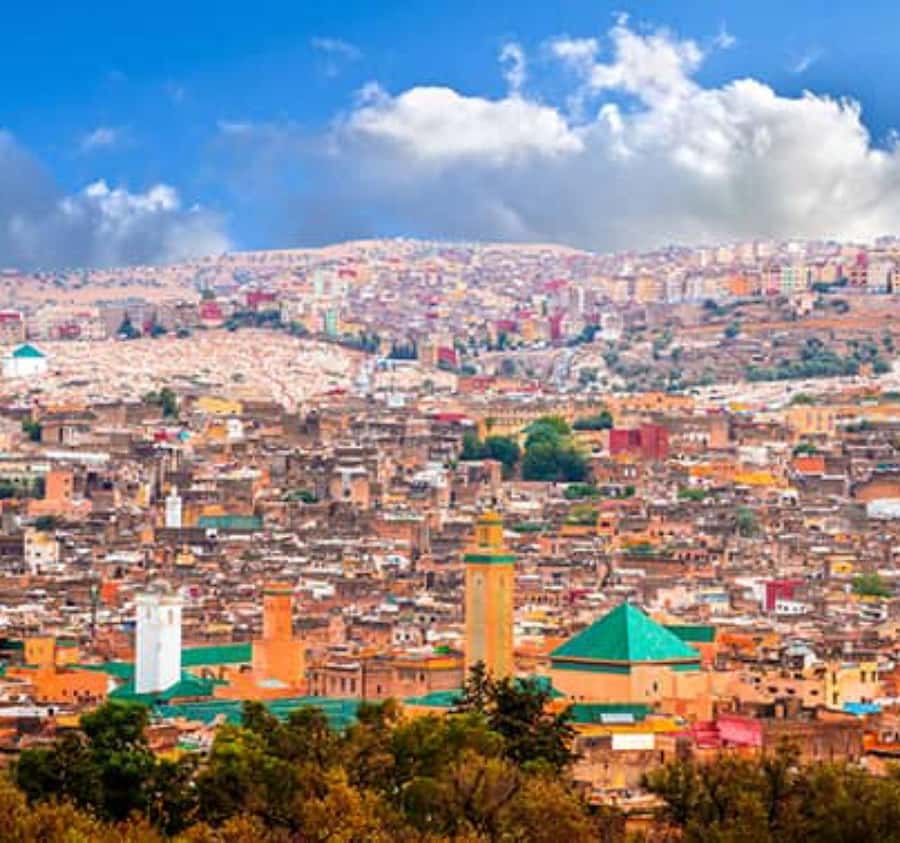
You meet at Batha Bus Stop, with the tour starting at 10:30 AM. This is a smart time to begin, because you get a chunk of the medina explained before fatigue and crowds complicate things later in the day.
From the first minutes, Mustafa’s role is about orientation. You’ll learn how to move through the labyrinth of alleys and understand what you’re passing, including helpful details like the meaning of street signs and neighborhood logic. In practical terms, it reduces the time you’d otherwise spend walking in circles trying to find your next landmark.
And yes, it’s a group tour. That can be a plus because you get the shared momentum of moving together, but it also means the pace is designed for everyone in the group, not for private wandering.
Bou Inania Madrasa: Morocco’s architecture you can actually read
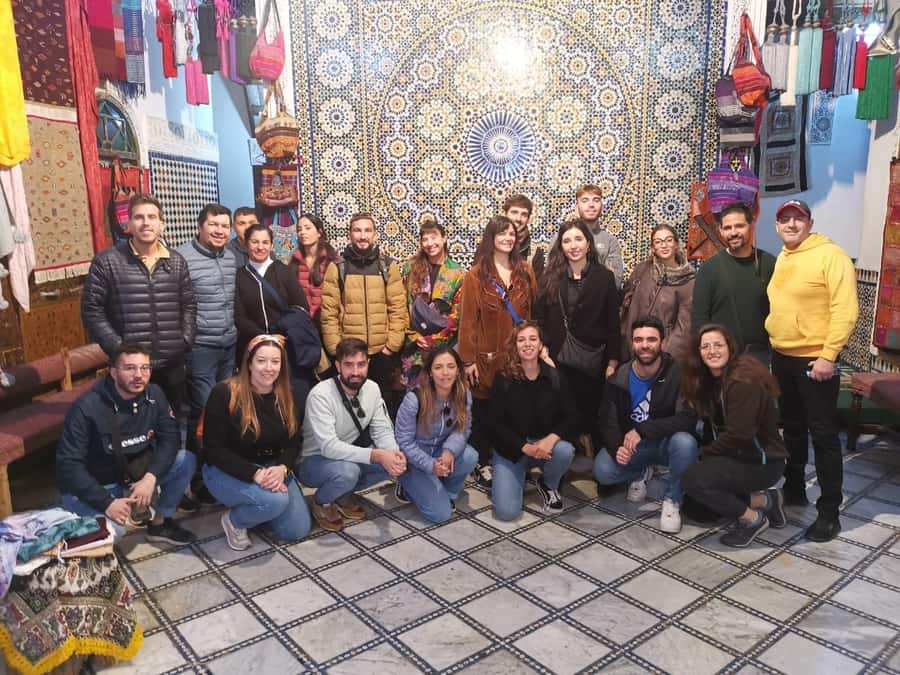
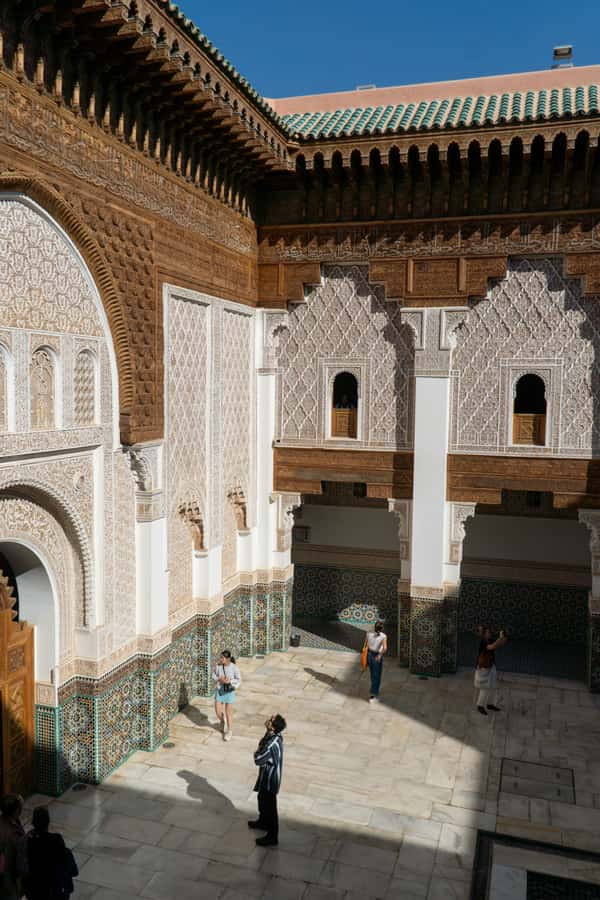
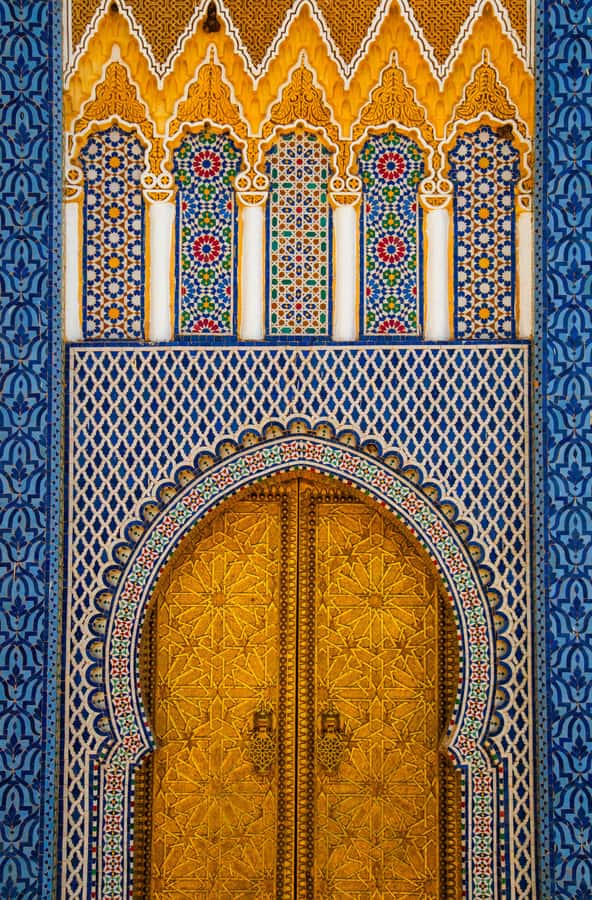
One of your anchor stops is Bou Inania Madrasa, a centerpiece for Fez’s architectural heritage. The guide’s approach here is useful: it’s not just point-and-snap. You’ll understand what you’re looking at, especially in the intricate tilework and the overall design language that makes these buildings feel so intentional.
This stop is worth it because madrasas in Fez weren’t just pretty places. They were part of a system of education and civic-religious life, so the building design and decoration had meaning beyond decoration. When you see it through that lens, the details start to feel like a language.
Plan to slow down here. If you rush, you’ll miss why it’s considered a standout.
Tanneries and artisan workshops: seeing traditional work up close
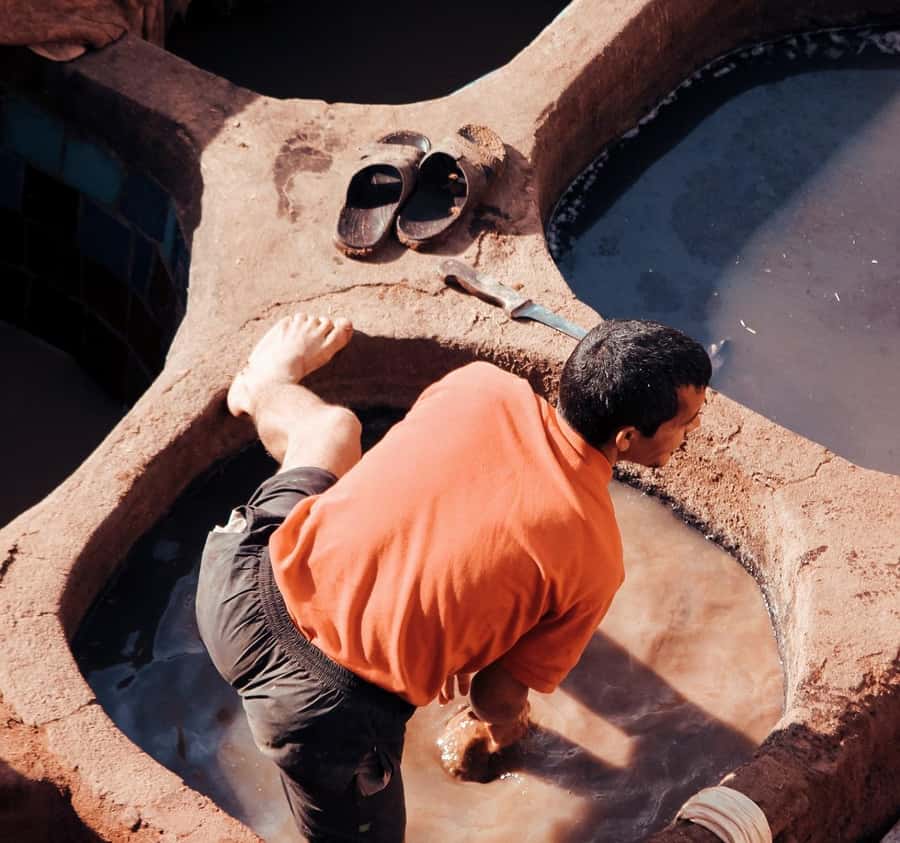
A big part of this walk is watching traditional crafts in their real setting. You’ll visit the tanneries, where dyed hides create a visual palette you’ll notice even from a distance. It’s not a staged demo; it’s a working industry that shapes how the neighborhood functions.
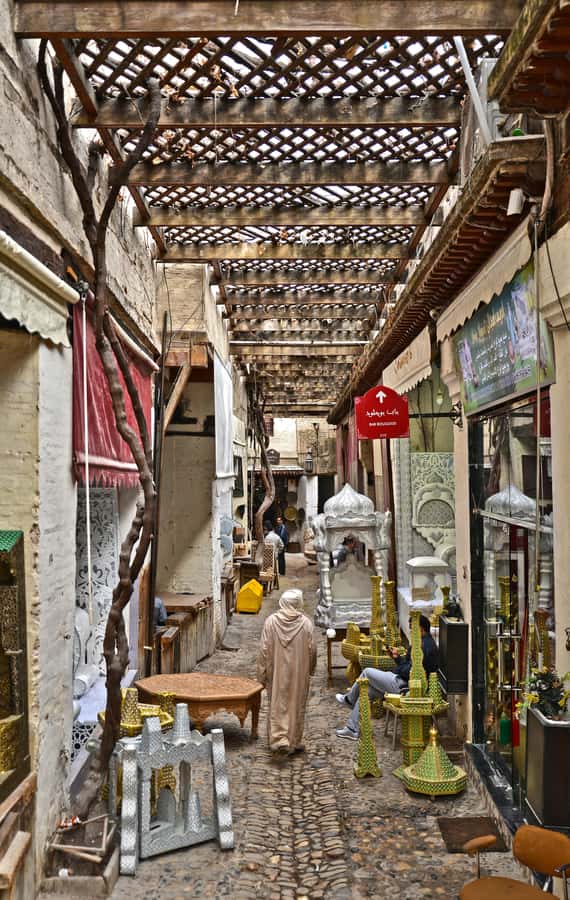
You’ll also get time at local artisan workshops. That’s where the tour feels most practical. Instead of treating craft as a souvenir concept, you see the steps and understand what each workshop is doing in the broader system of Fez production.
Two notes here. First, the medina route involves standing and walking close to activity, so comfort matters. Second, the tour is designed to stay non-pushy: you’re there to understand, not to buy.
Museum of Woodworkers, Foundouk Nejjarine, and the city’s trade history
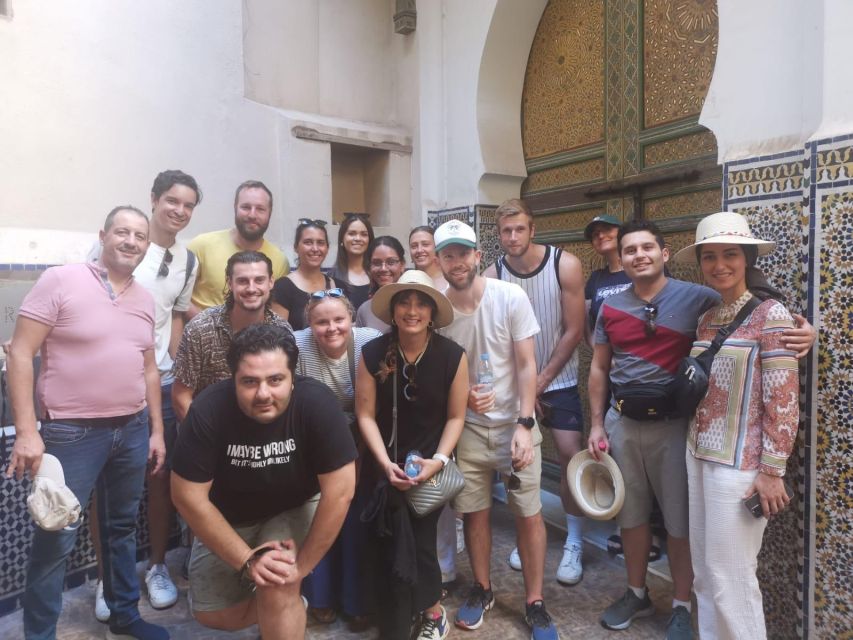
Fez isn’t only about mosques and madrasas. It’s also about commerce, skilled labor, and the spaces where goods and people move.
You’ll pass through key historic sites like the Museum of Woodworkers, and you’ll visit the Foundouk Nejjarine, which helps connect the dots between craft, trade, and built heritage. Foundouks are a big theme in older medinas because they supported travelers and business transactions, often in a structure that was functional as well as impressive.
This part of the tour gives you context for why Fez developed the way it did. Once you’ve seen craft and trade buildings explained, the medina’s layout feels less random.
Moulay Idriss and the religious heart of Fez
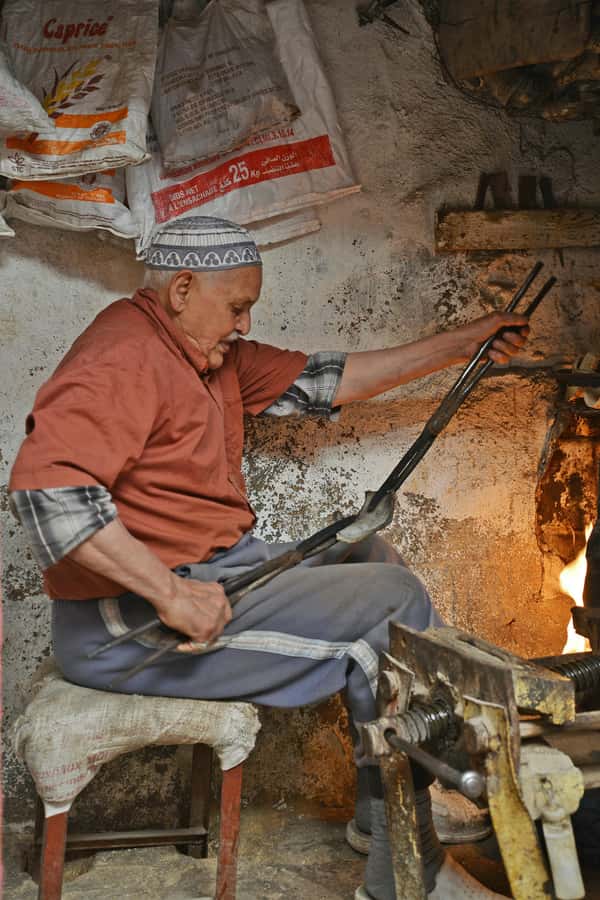
The route includes the Mosque and Mausoleum of Moulay Idriss, one of the city’s major spiritual anchors. You’ll also visit the area connected to the Mosque and Mausoleum of Sidi Ahmed Tijani.
These stops are where you should expect quiet respect from the group and careful movement. Religious sites are active places, so you’ll want to follow your guide’s lead on how to approach, where to stand, and how to dress appropriately.
The tour also includes access to the Kairaouine Mosque and University. That’s a meaningful addition because Kairaouine is more than a landmark; it’s part of Fez’s long academic and religious identity. Having a guide here helps you avoid the common mistake of treating it like a single viewpoint. It’s a working institution and a cultural center.
Al-Attarine Madrasa optional entry and the schools of tanners and cooks
If you want extra architectural detail, you can add Al-Attarine Madrasa. The entry fee for this stop is optional and not included in the base price, but the structure is designed for people who like to linger over design and history.
Another strong educational feature is the way the tour points to the “schools” linked to traditional work, including the School of Tanners and the School of Cooks. Even if these are not always the sort of places you’d expect to visit on a casual walk, they help you understand how knowledge and daily labor were organized in old Fez.
This is also where the tour’s non-commercial approach really shows. You’re learning how systems worked, not being herded toward a purchase. If you enjoy craftsmanship and want a sense of how people lived, these stops hit a sweet spot.
Seffarine Square, Dar Dheb, and finishing at R’cif Square
As the walk continues, you’ll reach Seffarine Square, plus Dar Dheb. These are the kinds of places that make the medina feel alive, because they’re tied to neighborhood rhythm and older city layout.
You’ll then conclude at R’cif Square, with the tour wrapping up after about three hours. Your exact drop-off point may vary, but the finish area is in that R’cif zone, which is handy because it’s a calmer place to regroup and plan your next steps.
This ending matters. The medina can be exhausting if you don’t have a finish line. Ending at R’cif lets you transition from guided orientation to independent exploration while the information is still fresh.
Price and logistics: is $28 for 3 hours good value?
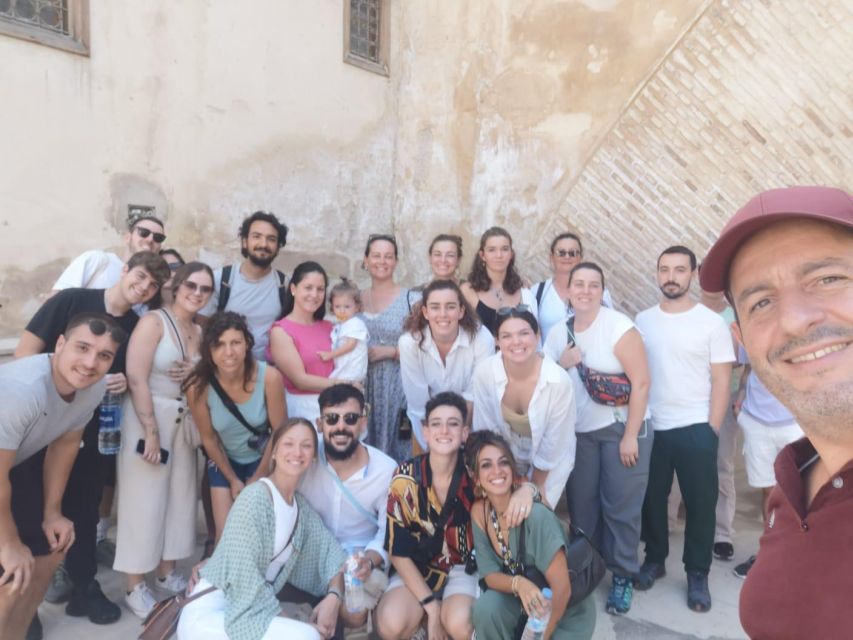
At $28 per person for about three hours, this tour is priced like an efficient “get oriented and learn the city” experience. What makes it feel like value is what’s included: a licensed guide (Mustafa), major historic landmarks, artisan workshop time, and access tied to the Kairaouine Mosque and University.
You’ll also want to factor in that transportation to the meeting point and meals are not included. And if you choose Al-Attarine Madrasa, that optional entry fee is extra. So your all-in cost depends on how long you want to linger at the architecture stop.
Still, even with optional add-ons, the tour’s value stays strong because it reduces guesswork. In a maze like Fez, one good guide day often saves you hours of trial and error later.
Who should book this Fez walking tour, and who might not
This is a great choice if you:
- Want the medina explained through history, religion, and traditional work
- Like seeing how crafts connect to city life
- Prefer a guided route with no pressure to buy
- Need help navigating narrow streets and deciding what to see next on your own
It may not be ideal if you:
- Don’t handle group pacing well
- Want a slow, break-heavy walk with lots of downtime
- Are sensitive to standing and walking in crowded, active areas like the tanneries
If you’re traveling in cool weather, dress in layers. Fez can feel chilly in winter, and you’ll be outside for the full walking portion.
After the tour: turning tips into a smarter second day
One of the most useful parts of this kind of guide is what you do after. By the time you finish at R’cif Square, you should have a clearer sense of which areas make sense for a return visit, and which sites you can realistically reach without getting lost.
Expect recommendations focused on where to go on your own, built around what you’ve just seen. And because the guide shares navigation clues like the meaning of street signs, you’ll be able to read the city with more confidence the next time you step into the alleys.
You’re not just leaving with stories. You’re leaving with decision-making skills.
Should you book this walking tour?
If it fits your schedule, I’d book it. For $28 and about three hours, you get a guided route that hits major Fez landmarks, includes artisan craft observation, and adds religious context through sites like Moulay Idriss and Kairaouine Mosque and University access.
I’d book it especially early in your trip to Fez, because the main payoff is navigation and understanding. If you already know Fez well and you prefer fully independent wandering, you could skip a guided history walk—but for most first-timers, this is the fastest way to make the medina click.
FAQ
How long is the Fez walking tour?
The tour lasts about 3 hours.
What time does the tour start?
The tour description states a 10:30 AM start.
Where do I meet the guide?
The meeting point is Batha Bus Stop (the exact meeting point may vary depending on the option booked).
Where does the tour end?
The tour concludes at R’cif Square, and the drop-off area may vary (including an area near SANDWHICH DU HAMID).
Is Bou Inania Madrasa included?
Yes. Bou Inania Madrasa is listed as one of the historical landmarks you explore.
Are the tanneries included?
Yes. The tour includes a stop to see traditional leather-making at the tanneries.
Is the Al-Attarine Madrasa entry included?
Optional Al-Attarine Madrasa entry is not included in the tour price. You pay an additional entry fee if you choose to go inside.
What does the tour include?
It includes an expert licensed guide (Mustafa), access to Kairaouine Mosque and University, visits to key historical landmarks (including the tanneries and other named sites), and artisan workshop time.
What languages is the guide available in?
The live guide is available in English, Italian, and Spanish.
What should I wear and bring for the walk?
Wear comfortable closed-toe shoes. You should also dress modestly, with clothing that covers shoulders and knees, especially for religious sites. Dress in layers for potential chilly weather.
Is transportation or meals included?
No. The price covers the guided walking experience only, and meals and refreshments are not included.