REVIEW · AL KHOR
Full Day Tour to Qatar North and West / History and Heritage
Book on GetYourGuide →Operated by Fun Tours. · Bookable on GetYourGuide
History and dunes in one long day. On this Fun Tours private trip, I love how the day is built around Zubara Fort and how your English guide can answer questions as you go, with guides like Hassan and Farooq making the information feel practical, not like a lecture. You’re also taken out of the Doha bubble fast, starting at Al Khor’s harbor and moving toward the west-coast scenery that most people only see from a distance.
The trade-off is time and food: it runs about 7 hours with a lot of quick stops, and meals aren’t included, so you’ll want to plan for snacks or a later dinner. Also, bring a camera and keep luggage minimal, since large bags aren’t allowed.
In This Review
- Key things I’d circle before you go
- Qatar North and West: why this tour feels like a real change of pace
- Starting at Al Khor: the harbor that explains Qatar’s old economy
- Al Thakira mangroves and Purple Island: small detour, big atmosphere
- Al Zubara Fort: the UNESCO site that anchors the whole day
- Jumail Abandoned Village: heritage that feels quieter than the fort
- Al Shahaniya Camel Racetrack: where the day gets memorable
- Zekreet Fort and the rock formation: west-coast scenery you can’t fake
- Richard Seera art: the unexpected finishing touch
- Timing, comfort, and what to pack for a 7-hour day
- Price and value: is $136 per person fair?
- Who this tour is best for (and who should skip it)
- Should you book this Qatar North and West history and heritage tour?
- FAQ
- How long is the Qatar North and West history and heritage tour?
- What’s included in the price?
- Are meals included?
- Is this tour private?
- Do I need to bring anything?
- What is the cancellation policy?
Key things I’d circle before you go
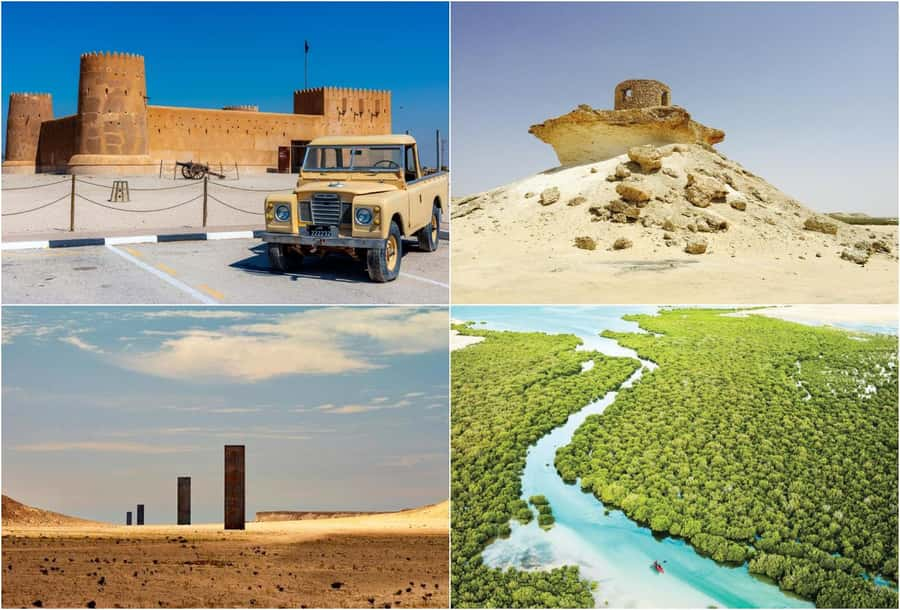
- Zubara Fort plus UNESCO-level archaeological context in Qatar’s north
- Al Khor and Purple Island photo stops tied to old pearl-fishing life
- Jumail Abandoned Village for a quieter, more remote heritage moment
- Al Shahaniya Camel Racetrack, often the day’s surprise highlight
- Zekreet Fort and the rock formation with very “point-and-shoot” photography payoff
- Richard Seera art (West Meets East / East Meets West) added to the west-coast route
Qatar North and West: why this tour feels like a real change of pace
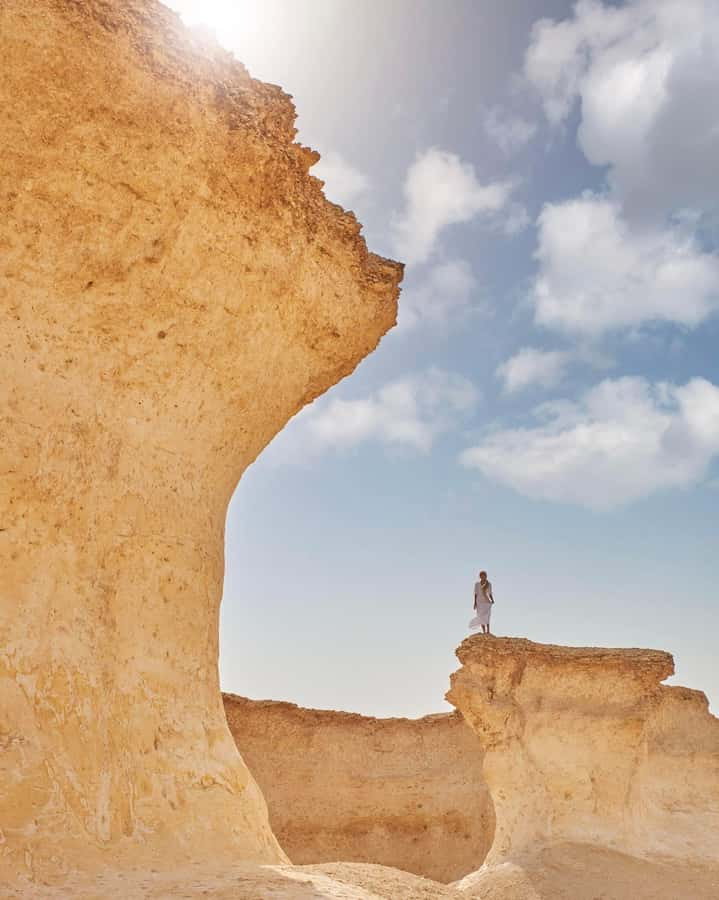
Doha is modern, polished, and easy to navigate. This is different. The North and West day tour flips the focus from malls and museums to working coastlines, desert edges, and heritage sites you only reach by car. You’re moving through big distances in one afternoon-long push, and that matters: Qatar’s north and western areas don’t “feel like Qatar” from Doha. The light, the terrain, and the slower pace of the smaller places make a noticeable difference.
I also like that the tour isn’t only about monuments. It ties together three threads you can actually see: old coastal work (pearling and fishing), inland heritage villages, and then the dramatic west-coast scenery. That mix is exactly why guides like Hassan and Sohail tend to do well with this route—there’s plenty to ask about, and each stop gives you something to react to.
One practical note up front: this is a private group day, so you’ll get a guide and a vehicle that move with your pace. Still, it’s packed. If you’re the type who loves long sits and slow wandering, you may find some stops are more “visit and walk a bit” than “linger for hours.”
You can also read our reviews of more historical tours in Al Khor
Starting at Al Khor: the harbor that explains Qatar’s old economy
Your day begins in Doha with pickup and a drive into Qatar’s north. The first major stop is Al Khor, where you get both a photo moment and a guided look at the area. Al Khor’s harbor ties to the country’s older economy—especially pearl diving and fishing, which shaped daily life long before Doha became the city most people picture.
What I like here is how the guide frames what you’re seeing. Even when a viewpoint is simple—boats, shoreline, open sky—the story turns it into something you can place in time. You don’t just look at scenery. You understand why people were living and working there, what the coast offered, and why the area mattered.
Expect a short visit and some sightseeing time around the area, not a long museum-style stop. That’s good for a day like this because you’re trying to cover multiple regions without feeling rushed across the entire trip.
Al Thakira mangroves and Purple Island: small detour, big atmosphere
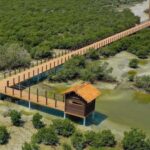
After Al Khor, you pass through Al Thakira, where the tour includes a mangrove visit. Mangroves aren’t the first thing most people associate with Qatar, so it’s a helpful reminder that the country isn’t only desert and skyline. This part is also one of the easiest to enjoy quietly—because you don’t need expert knowledge to appreciate the change in environment.
Then comes Purple Island, another stop built around photos and a guided visit. The name alone makes you look twice, and the reality is even better: it’s the kind of place where the light and color changes make your camera work even if you don’t have special settings. You’ll get time to pause, look around, and take pictures, with the guide helping connect what you’re seeing to the coastal ecosystems of the north.
If you’re traveling with someone who isn’t a big “history site” person, this segment is a nice compromise. It feels natural and visual, even when the guide is explaining background.
Al Zubara Fort: the UNESCO site that anchors the whole day
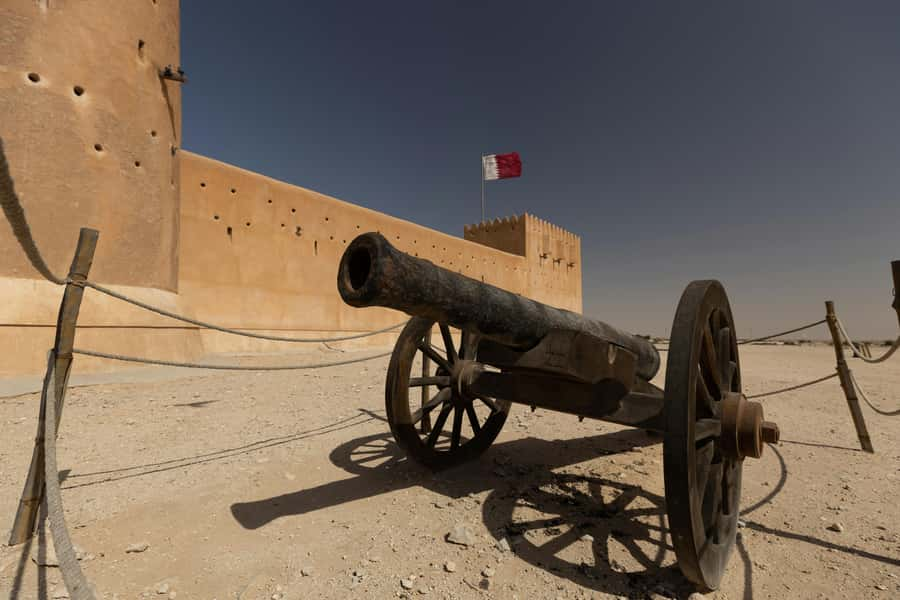
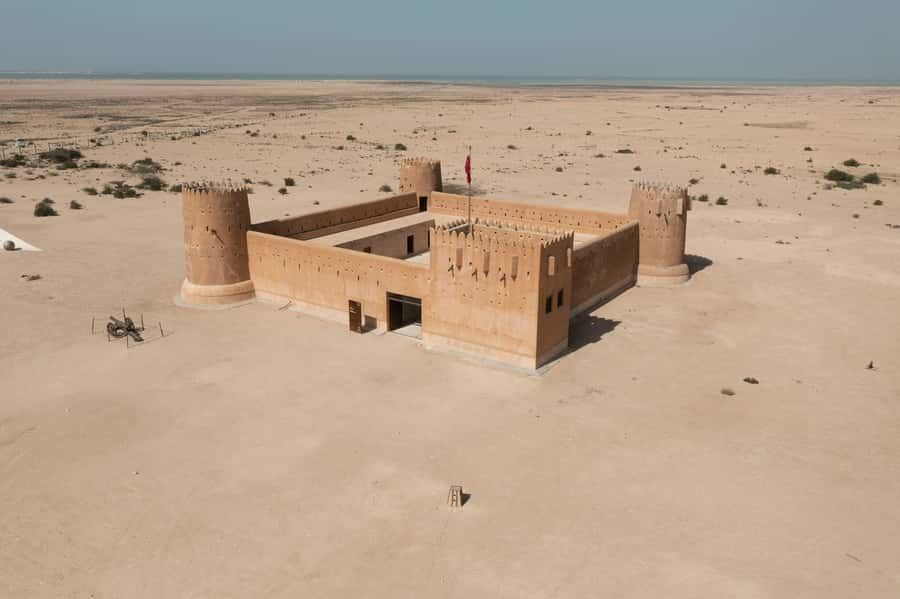
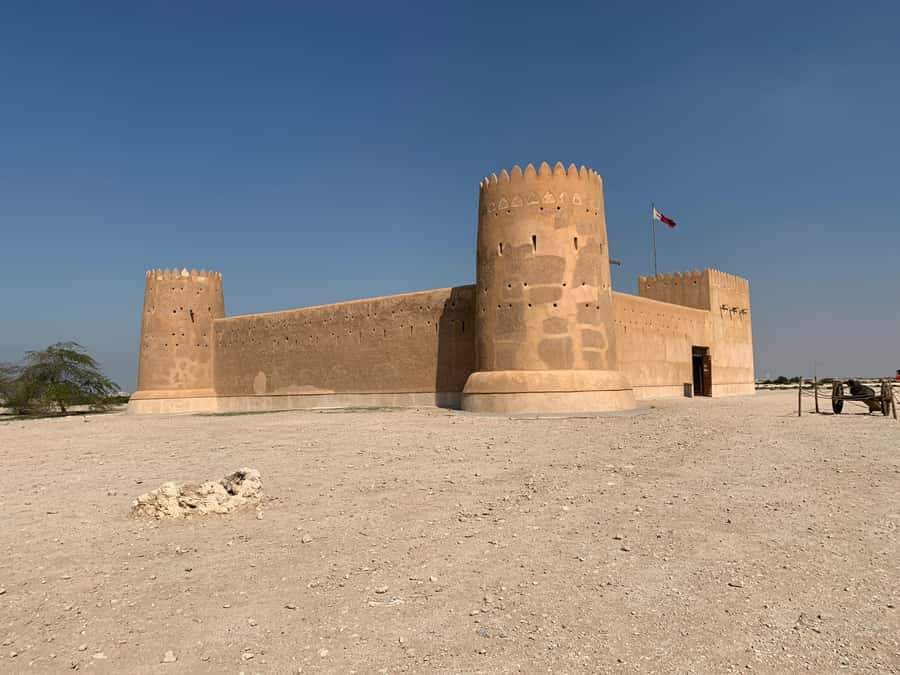
If you want one stop that makes the whole tour worth it, it’s Zubara Fort. This is Qatar’s first UNESCO World Heritage Site, and the tour gives it proper time: photo stop, guided visit, and walking time, plus self-guided moments to soak it in at your own pace.
The fort is known as an archaeological setting. What I’d watch for is how quickly it shifts from “walls in the sand” into a sense of a planned settlement. It’s the kind of place where you feel the difference between ruins you can’t place and a heritage site that’s clearly tied to how people lived, traded, and defended themselves.
You’ll also encounter the tour’s heritage-with-houses angle around this area—traditional Qatari village-style structures, described as houses made with limestone and mud. Even if you’re not a hardcore architecture person, that detail makes the site feel human. It stops the day from being only forts and rocks.
Entrance fees for Zubara are included, and there’s also a skip-the-line approach with a separate entrance. That matters because it reduces the time you’re standing around and increases the time you’re inside the site actually looking.
Jumail Abandoned Village: heritage that feels quieter than the fort
From Zubara, the day continues west toward Jumail Abandoned Village. This is another short, focused stop: photo opportunity, guided visit, and sightseeing time, but not a long hike or a multi-hour exploration.
The reason I like this part of the itinerary is contrast. After the fort—structured, dramatic, and central—Jumail feels more like the edges of history. You’re seeing the “left behind” side of settlement life, which helps you understand the bigger story of how communities formed and then changed over time.
It’s also the kind of stop that works well if you like photography with minimal crowds. There’s room to frame the scene and still listen to what the guide says.
Al Shahaniya Camel Racetrack: where the day gets memorable
Now for the stop that often surprises people: Al Shahaniya Camel Racetrack. It’s built into the itinerary with photo stop, guided information, and sightseeing time, plus scenic views on the way.
Camel racing and related traditions are part of Qatar’s cultural fabric, and this stop is where you start feeling that the day isn’t only about historical sites. There’s something immediate here. In real-world tour experiences with different guides, the camel training moment has been a standout—one of those “wait, this is happening right here?” scenes that sticks after the tour ends.
If you’re into animals, photography, or cultural traditions you can’t fully grasp from afar, this is the value bump in the day. It turns the route into lived culture rather than only archaeology.
Zekreet Fort and the rock formation: west-coast scenery you can’t fake
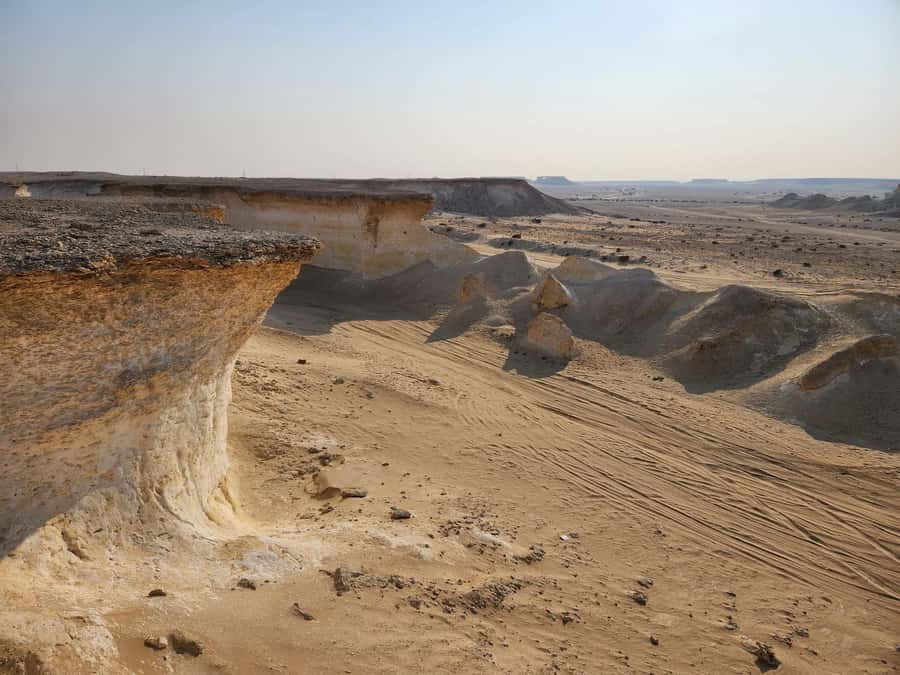
Next up is the west-coast zone around Zekreet Fort and the Zekreet rock formation stop. Expect photo time, a guided explanation, and sightseeing along the way. This is also where you’ll feel why the tour is labeled North and West: the terrain gets more open, the dunes and limestone rocks look sharper, and the horizon feels huge.
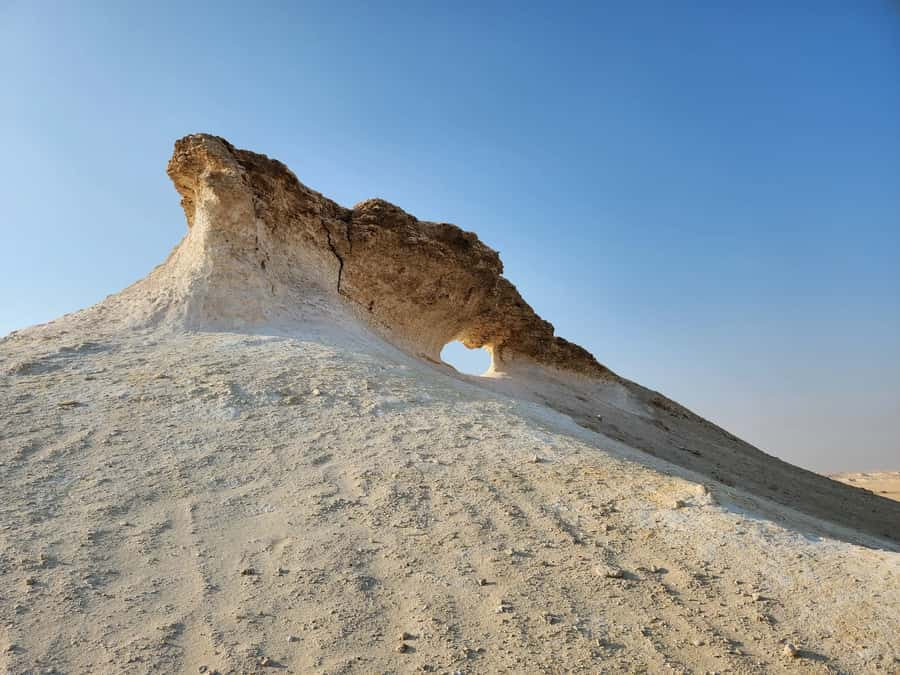
The rock formation is often described as an umbrella-shaped structure. You don’t need an astronomy background to enjoy it—this is the kind of object that changes shape as you walk around and shift your viewpoint. It’s excellent for photos, especially late in the day when the angle of light makes texture pop.
This area is also connected to wildlife reserve territory, which is hinted at through the way the guide frames the region. Even when you don’t see a specific animal every time, the overall feeling is conservation-aware and geographically distinct from what you saw earlier in the day.
Richard Seera art: the unexpected finishing touch
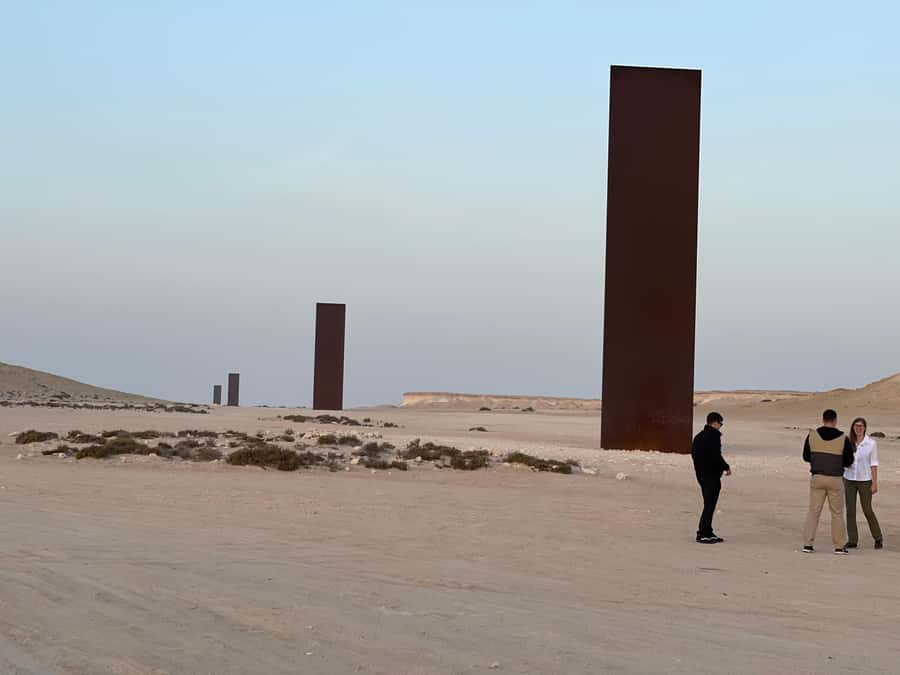
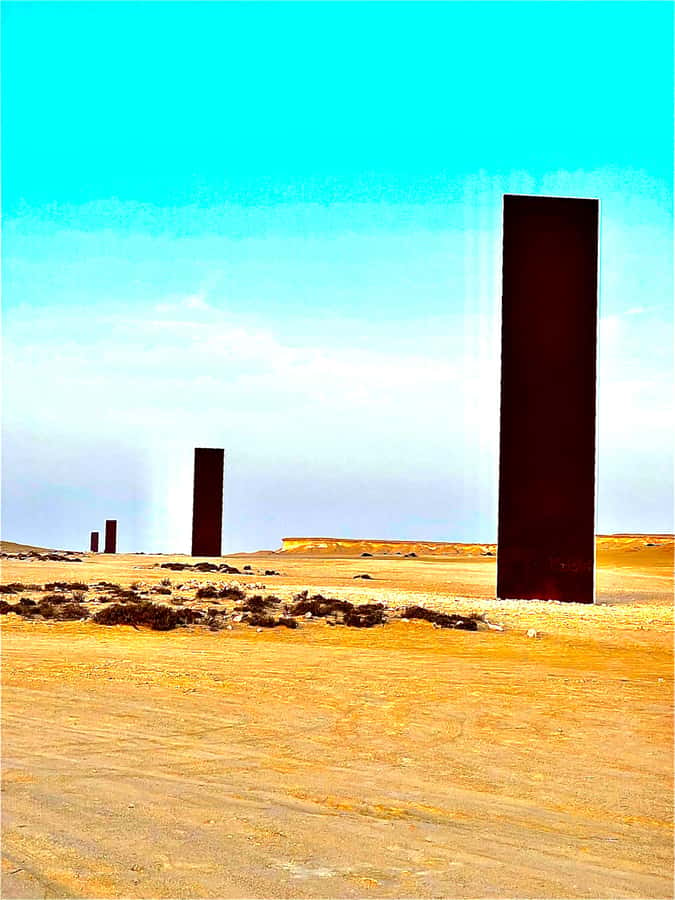
The day doesn’t end on rocks. You also stop at West Meets East / East Meets West Art, attributed to Richard Seera in the tour description. It’s a simple add-on on paper—photo stop, visit, guided tour, and sightseeing time—but it works because it breaks the day’s pattern.
Earlier you’ve got forts, villages, harbor history, and natural scenery. Then you get something deliberately modern and reflective—art placed so you can think about meaning, direction, and cultural connections while still being surrounded by west-coast space.
If you enjoy seeing how Qatar blends heritage, nature, and contemporary expression, you’ll probably get more out of this stop than you expected.
Timing, comfort, and what to pack for a 7-hour day
This is a 7-hour outing, and it’s mostly driven in an air-conditioned car / Jeep-style vehicle between points. That matters in Qatar, where temperatures and sun angle can make “short walks” feel longer.
You’ll get water and tea, which is a real comfort benefit for a long day out of Doha. Still, since meals are not included, I recommend bringing a small snack if you’re sensitive to hunger. The tour includes multiple quick stops, so you don’t always have time to hunt for food right away.
What to bring is straightforward: a camera. And from a practical standpoint, keep your bag small. Large bags aren’t allowed, so plan for minimal essentials: water bottle (even though water is provided), sunscreen, and whatever you need for sun protection.
If you’re the type who easily gets bored without constant movement, this tour fits you. If you prefer long, slow downtime, you might find it a bit brisk.
Price and value: is $136 per person fair?
At $136 per person, this tour isn’t a budget bus ride. It’s a private-group, full-day itinerary with pickup, transportation, an English-speaking guide, and Zubara entrance fees included.
Here’s how I evaluate value:
- You’re getting multiple regions in one day (north harbor heritage, mangroves and islands, UNESCO fort, abandoned village, camel racetrack, west-coast rock formation, plus art).
- You’re getting guide-led context at several stops, not just a drop-off.
- You’re getting skip-the-line access at Zubara, which can save real time.
- You’re getting water and tea, which helps on a hot day.
The main thing that affects value is meals. If you would normally spend for lunch anyway, the “no meals” piece is less painful. If you want a fully catered day with lunch included, you’ll need to plan.
For couples, solo travelers, and small groups who want a lot of variety without the stress of driving, this price starts to feel reasonable.
Who this tour is best for (and who should skip it)
This tour is a strong match if you:
- Want a one-day Qatar North and West sampling that covers heritage and nature
- Care about guided context and like asking questions (guides such as Hassan, Farooq, and Sohail are especially praised for keeping things clear and interactive)
- Want standout cultural moments like the camel racetrack and photography-heavy stops like Zekreet
It may be less ideal if you:
- Need frequent meal breaks with time to sit down for long
- Dislike tightly timed itineraries and prefer slow, unstructured exploring
- Have bulky luggage you don’t want to manage (large bags aren’t allowed)
Should you book this Qatar North and West history and heritage tour?
I’d book it if your goal is to get out of Doha and see what Qatar looks like when you focus on the north coast and west-coast edge. The Zubara Fort UNESCO visit is the anchor, and the rest of the day builds on it with coast heritage, village remains, camel tradition, and west-coast scenery.
Before you reserve, be honest about two things: it’s a full day, and meals aren’t included. If you can handle a packed schedule with snacks and water taken care of, this tour offers a lot of variety per hour—and it’s the kind of day that gives you stories, not just photos.
FAQ
How long is the Qatar North and West history and heritage tour?
The tour duration is 7 hours.
What’s included in the price?
It includes pickup by air-conditioned car, an English-speaking tour guide, transportation, water and tea, and Zubara entrance fees.
Are meals included?
No. Meals are not included.
Is this tour private?
Yes. The group type is listed as a private group.
Do I need to bring anything?
You should bring a camera. You should also avoid bringing luggage or large bags, since they aren’t allowed.
What is the cancellation policy?
You can cancel up to 24 hours in advance for a full refund.