Zadar’s past is walking distance. This 2-hour small-group tour (max 10 people) strings together 3,000 years of landmarks you might not notice on your own, starting right at the Greeting to the Sun installation. I especially like the way you get clear context for big sights like St. Donatus, and the practical payoff of photo stops paired with stories you won’t find in a quick guidebook read.
Two more things I like: you also visit working local life at the Zadar food market with a tasting of local produce, and you end with a proper photo window in Queen Jelena Madijevka Park. The only real drawback is that it’s a walking-focused experience, so if your feet are limited, you’ll want to plan around the pace and the amount of ground covered.
In This Review
- Key highlights I’d plan around
- Starting at the Greeting to the Sun: a smart way to get your bearings
- Roman Forum remains and the St. Donatus storyline
- St. Anastasia bell tower, Melia Aniana arch, and St. Chrysogonus
- Zadar food market tasting: where the tour turns from seeing to tasting
- People’s Square and the Old Town entrances you might miss
- Queen Jelena Madijevka Park: the photo-finish that feels earned
- Price, group size, and why $29 can make sense
- Who might want to adjust expectations
- Should you book this Zadar history walking tour?
- FAQ
- Where do we meet for the tour?
- How long is the Zadar tour?
- How much does it cost?
- Is local food tasting included?
- What languages are available?
- What’s the group size limit?
- Is there free cancellation?
Key highlights I’d plan around
- Start at the Greeting to the Sun and get oriented fast before the walking begins
- Roman Forum remains with plain-language history you can actually connect to the streets
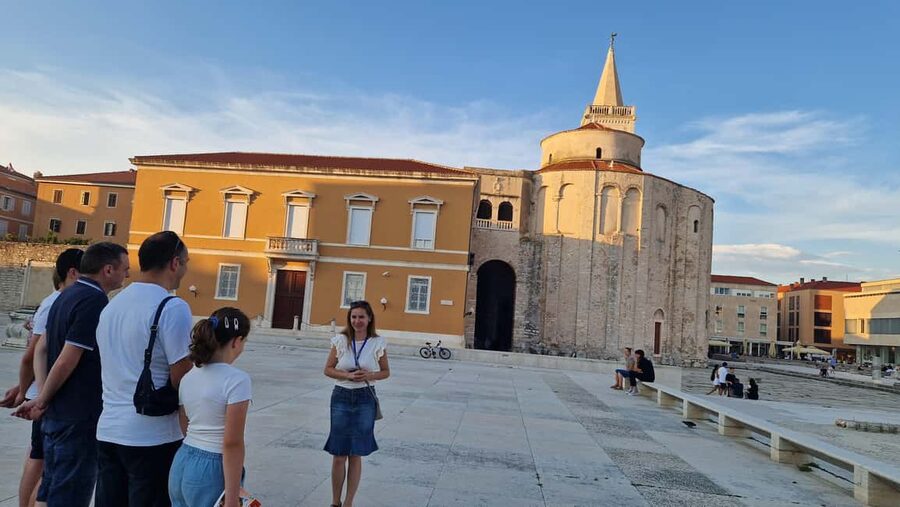
- St. Donatus (9th century) explained as Zadar’s emblematic symbol
- Photo stops at distinctive church details like the romanesque apses of St. Chrysogonus
- Zadar food market tasting of local produce to balance the sights with something edible
Starting at the Greeting to the Sun: a smart way to get your bearings
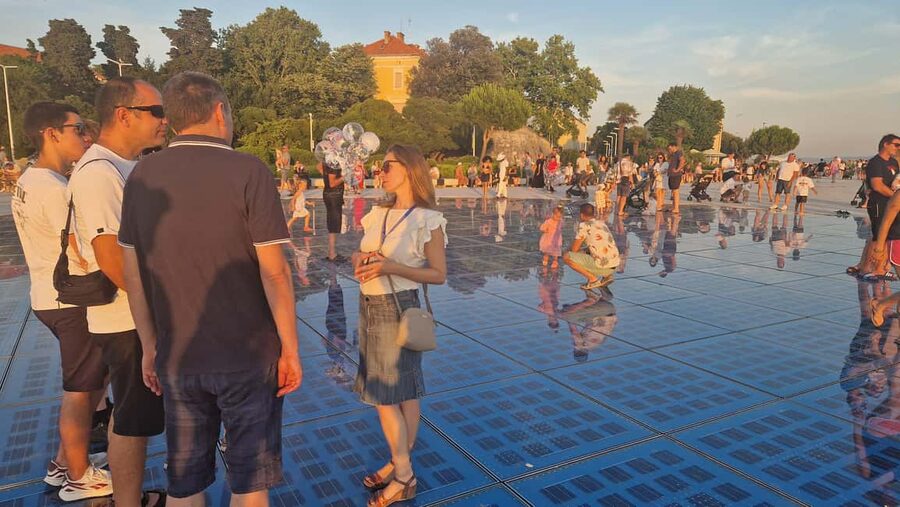
You meet at the most recent installation of the Greeting to the Sun. That matters more than you’d think. Before you even hit the first historical stop, you’re already anchored in a modern landmark that helps you orient to Zadar’s layout and shoreline energy. It’s also a good visual starting point for your walking route and photos, because it’s easy to locate and hard to confuse with anything else.
From there, your guide (in English or Spanish) leads you into the long timeline of the city. The tour runs for about 2 hours, and the small group size keeps the pace conversational. I find this size ideal for questions and for hearing the kind of street-level details that don’t usually make it into online listings.
One note: the guide you’ll hear most about is María, and from the feedback she’s the type who explains with real care and detail. That’s a big plus if you like your history straight and connected to what you’re looking at, not just recited like a slideshow.
Roman Forum remains and the St. Donatus storyline

The first major historical stretch takes you toward the remains of the Roman Forum. Even when you’re not a “Roman ruins” person, this is useful. You’re seeing the groundwork of an older city structure, and you get the sense of how Zadar’s story layers over itself. Instead of treating ruins as isolated rocks, you’ll hear how they connect to the urban layout you’re walking through.
Then you move into the church of St. Donatus, described as Zadar’s emblematic symbol built in the 9th century. This is one of those stops where context changes everything. If you’ve ever looked at a famous building and thought, I get that it’s important, but why—this is exactly where the tour helps. You’re given the frame to understand why St. Donatus is singled out, and how it fits into Zadar’s timeline.
As you continue, you also learn about the importance of the nearby St. Mary’s convent. That’s a nice balancing act because it prevents the tour from becoming only “big name churches and walls.” Convents and religious communities are part of how cities functioned day to day, and the tour’s inclusion of St. Mary’s helps explain why certain areas held lasting meaning.
St. Anastasia bell tower, Melia Aniana arch, and St. Chrysogonus
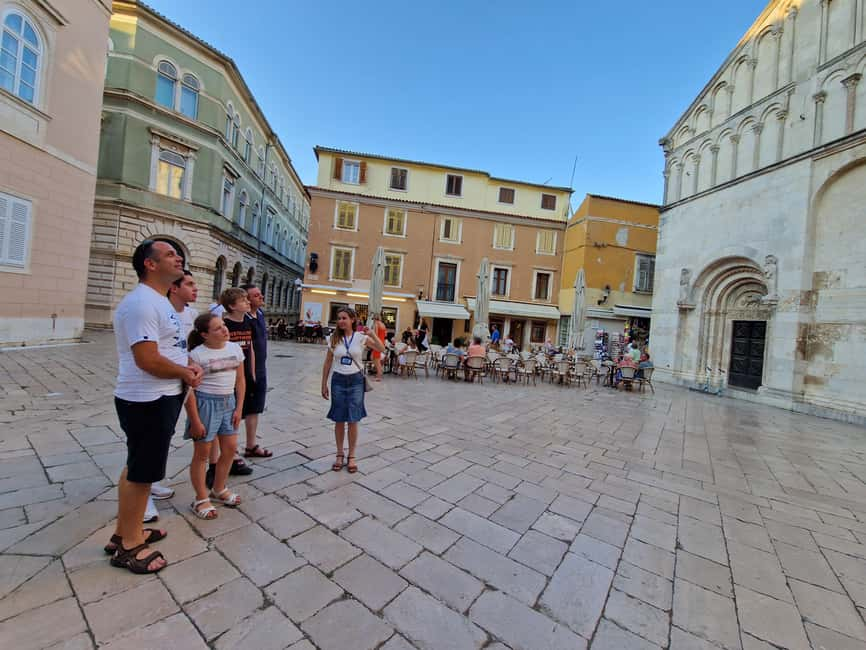
Next comes a chain of stops that feel like a photo walk, but with substance. You pass St. Anastasia bell tower on your way to visit Melia Aniana arch. Passing by can sound minor, but in this case it helps connect landmarks in a route so you can see how Zadar’s details line up along your path.
At the arch, you get another layer of the city’s long timeline. The tour doesn’t treat these places like trivia—each one is presented as part of a bigger story you can follow without a map obsession.
The most memorable church detail stop is the romanesque apses of church of St. Chrysogonus. You’ll stop to take photos here, and that’s the right move: apses are easy to overlook when you’re rushing. With the guide’s explanation, they become something more specific than “pretty old stone.” You’ll understand what you’re looking at and why it matters stylistically, which makes the photos better too.
One practical consideration: churches and stone details can be visually dense. If you like your photos to be unhurried, keep your camera ready but also listen for what the guide is pointing out. Otherwise, you can end up with beautiful shots you don’t fully understand.
Zadar food market tasting: where the tour turns from seeing to tasting
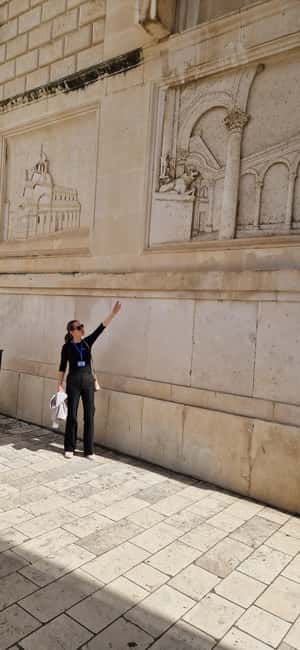
Then the tour shifts gears to the Zadar food market. This is where you get the included tasting of local produce. For me, food tastings are most valuable when they’re not just a random bite. Here, it works because it’s timed after the walking and sightseeing. Your brain has had time to absorb landmarks; now you get something sensory and immediate.
You’ll sample local produce before moving on toward People’s Square. Even if you’re not a “try everything” person, this tasting gives you a feel for what’s locally favored, and it gives you something to remember that isn’t only stone and signage.
Tip for making this portion land: ask the guide what you’re tasting and why it’s local. With a guide who explains in detail (as María does, based on the feedback), you can turn a quick tasting into useful takeaway knowledge for the rest of your trip—like what to look for later when you’re buying groceries or choosing a meal.
People’s Square and the Old Town entrances you might miss
After the market, you head to People’s Square. This is identified as a highlight that’s not always charted on city maps in the way you might expect. That’s exactly what you want from a guided history walk: moments where the guide helps you notice the parts of the city that don’t shout for attention.
From there, you’ll see the remains of three eastern entrances to the Old Town of Zadar. Entrances matter because they explain how people moved—where entry points funneled daily life, trade, and traffic. You get the kind of structural history that feels almost like reading an invisible map. Walking past these remains gives the story a physical shape.
This is also where having a small group helps. When you’re not packed in, it’s easier to pause, look closely, and take photos without weaving through elbows. And since the route is designed for a smooth flow, you’re less likely to get lost trying to recreate the stops later.
Queen Jelena Madijevka Park: the photo-finish that feels earned
The tour ends in Queen Jelena Madijevka Park, where you can take photos of picturesque sights. An end like this is smart. You’ve already done a concentrated hour-and-change of historic landmarks; the park gives you an easy place to slow down, frame shots, and enjoy the view without hunting for the next step.
I like that the finish isn’t another “stand in front of a wall.” It’s a place where you can breathe a little, compare your photos from earlier stone details with wider scenes, and get a final sense of how the city feels at street level.
Price, group size, and why $29 can make sense
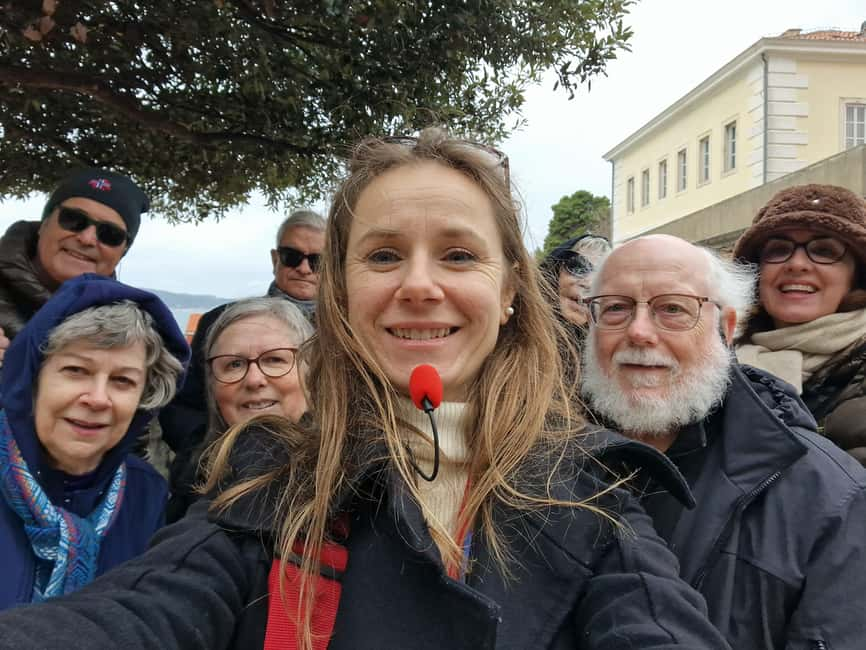
At $29 per person for a 2-hour walking tour, the value depends on what you want from your time in Zadar. If you’re visiting for only a day or two, this is a tight way to see multiple landmarks in one coherent story arc. You also get included produce tasting, which adds tangible value beyond the walking.
The small group limit of 10 people is a practical quality upgrade. It’s not just about comfort. With fewer people, your guide can keep explanations clear and adjust pace if the group needs a moment at a church detail or a photo stop.
You’ll also appreciate the language options—English and Spanish—because it means the history isn’t reduced to a generic route script. Based on feedback, María’s explanation style is detailed, and that’s the kind of guide quality that turns a “walk around” into a “why this matters” experience.
Who I think it’s best for:
- People who like short, focused walking instead of all-day tours
- Anyone who cares about how eras overlap, not just one time period
- Food-curious visitors who want an included tasting without committing to a full meal
- Photo fans who benefit from knowing what specific details to shoot
Who might want to adjust expectations
This is a walking tour, and it has a sequence: Roman remains, multiple church-related stops, then market and squares, then the park. If you’re sensitive to walking time or prefer to linger long at each stop on your own schedule, you may feel slightly rushed.
Also, this isn’t a “sit down” tour. You’re moving between sites, and the structure is designed to fit everything into 2 hours. If you want a slow, flexible tour with extra time at every location, you might need a different format or a longer guided option.
Should you book this Zadar history walking tour?
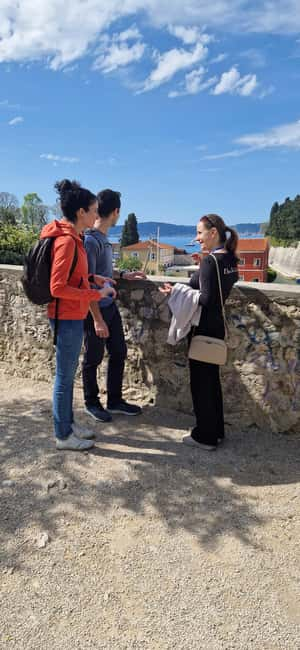
Yes, you should book it if you want a well-paced introduction to Zadar that connects landmarks into a single story. Starting at the Greeting to the Sun keeps you grounded, the stops for St. Donatus and St. Chrysogonus give you standout architecture with real context, and the produce tasting gives you something memorable to take with you.
I’d skip it or look closely at your pace needs if you can’t comfortably handle a concentrated walking itinerary. Otherwise, $29 for 2 hours with a small group, a guided narrative, and an included tasting is a solid deal for making the most of limited time.
FAQ
Where do we meet for the tour?
You meet your guide at the Greeting to the Sun installation.
How long is the Zadar tour?
The tour lasts 2 hours.
How much does it cost?
The price is $29 per person.
Is local food tasting included?
Yes. You’ll taste local produce as part of the experience.
What languages are available?
The live tour guide speaks English and Spanish.
What’s the group size limit?
The tour is limited to small groups of 10 participants.
Is there free cancellation?
Yes. You can cancel up to 24 hours in advance for a full refund.