REVIEW · ARUSHA
24 Hours in Arusha—Arusha Museum, Cultural Heritage, Maasai Market, Shanga
Book on Viator →Operated by Kim'zebra Adventures & Safaris · Bookable on Viator
Arusha can feel like a stopover city—until you plan right. This private day loops through four high-impact stops with door-to-door pickup, so you spend less time in transit and more time seeing real local culture. I especially liked the Cultural Heritage Centre for its crafts-and-stones setup and the Shanga Foundation workshops for watching disability employment turn into beautiful handmade products. One thing to keep in mind: this day includes a lot of shopping zones, so if you prefer quiet sightseeing only, you may need to pace yourself.
I took this kind of day tour style approach because Arusha traffic and timing can eat up your hours fast. With the tour guide Daniel running the show—professional, courteous, and clearly tuned into Arusha and Tanzania—you get better flow than piecing things together on your own. The overall value is strong because admissions and lunch are included, not just the vehicle and a driver.
In This Review
- Key Things You’ll Notice on This Arusha Day
- Why This Private 24-Hours-in-Arusha Day Works So Well
- Cultural Heritage Centre: Precious Stones, Craft Shops, and That Tanzanite Focus
- A smart caution before you shop
- Shanga & Shanga Foundation: Handmade Craft With a Social Mission
- What you can expect at the worksite
- The real value for your wallet and your conscience
- A practical drawback
- Maasai Market: How to Browse a Big Craft Market Without Getting Overwhelmed
- How vendors treat you here
- A smart shopping strategy for real-world value
- The main consideration
- Arusha National Natural History & Cultural Museum: A 1900 German Boma You Can Explore Slowly
- What to do if you only care about one thing
- A practical note
- Lunch, Water, and the Inclusions That Actually Matter
- Is $205 per person good value?
- How to Plan Your Day So It Feels Relaxed (Not Like a Sprint)
- Who This Arusha Day Tour Is Best For
- Should You Book 24 Hours in Arusha?
- FAQ
- What time does the Arusha tour start?
- How long is the 24 Hours in Arusha experience?
- Is pickup included from my accommodation?
- Is this tour private or shared?
- What’s included in the price?
- Are admission tickets included?
- What food and drinks should I expect during the day?
- Can I get a refund if I cancel?
Key Things You’ll Notice on This Arusha Day
- Private, door-to-door pickup at 8:00 am, so your day starts without stress.
- Cultural Heritage Centre admission included plus access to curio shops, art, and a precious-stones counter with tanzanite.
- Shanga Foundation workshop visit included, where your purchases support employment for people with disabilities.
- Maasai Market time built in so you can browse and compare stalls instead of rushing.
- Arusha Museum in a 1900 German boma, with the human evolution wing often the highlight.
- Lunch plus soft drinks and water during transport keeps you fueled for a full day.
Why This Private 24-Hours-in-Arusha Day Works So Well
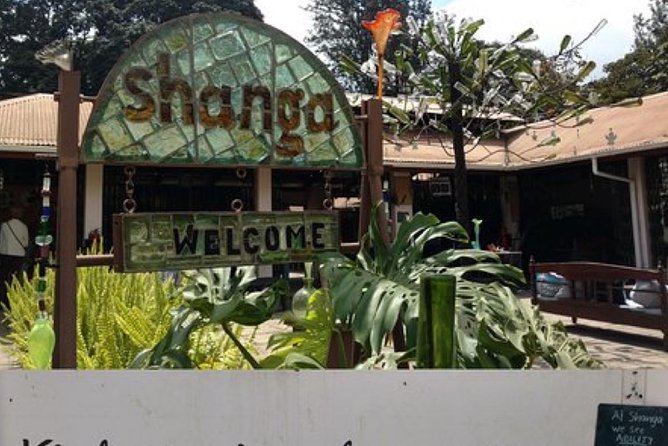
This tour is built for one-day schedules, and it shows. You start at 8:00 am and run about 12 hours, with time set aside at each stop (three hours each). That matters because Arusha isn’t just “see one thing and leave.” You’re moving between different types of experiences—craft centers, a market, and a museum—so you want the transport handled for you.
The private format is the other big win. You’re not sharing the day with strangers who want different things, different speeds, or different photo priorities. Your guide can keep the pacing comfortable, and you can ask questions without feeling like you’re waiting your turn.
The value is also not just marketing math. The price includes private transportation, lunch, all fees and taxes, and admission tickets for the stops. Add in drinking water and soft drinks during transport, and the day starts to feel like a full service package rather than “a few attractions plus a bill.”
Cultural Heritage Centre: Precious Stones, Craft Shops, and That Tanzanite Focus
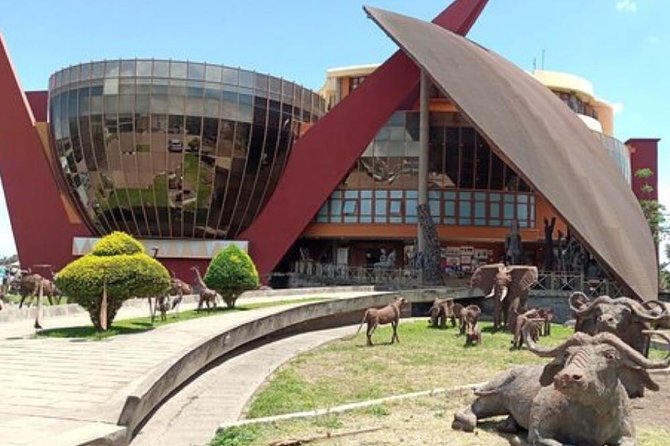
The day opens at the Cultural Heritage Centre, about three hours with admission included. This place sits on the outskirts of Arusha, and it’s designed like a mix of museum-like displays and shopping—so you get context before the browsing starts.
Here’s what you can expect to see:
- Curio shops and a jewelry boutique
- A tanzanite and precious-stones counter, plus displays of other stones such as rubies, emeralds, tsavorite, diamonds, sapphires, and opals
- An art gallery with commercial art, plus a bargain center
- Onsite options like a restaurant, clothing/textiles, accessories, books, and spices
What I like about this stop is that it doesn’t feel like you’re being pushed through one quick showroom. You can actually compare items, ask questions about what’s offered, and decide whether you want to buy or just learn.
A smart caution before you shop
Because this stop is also a shopping hub, prices can vary widely depending on what you’re buying and how the piece is presented. If you have a budget, set it before you get tempted by the stones counter. Also, if you’re not a shopper, plan to treat this as a cultural viewing experience first, shopping second.
Shanga & Shanga Foundation: Handmade Craft With a Social Mission
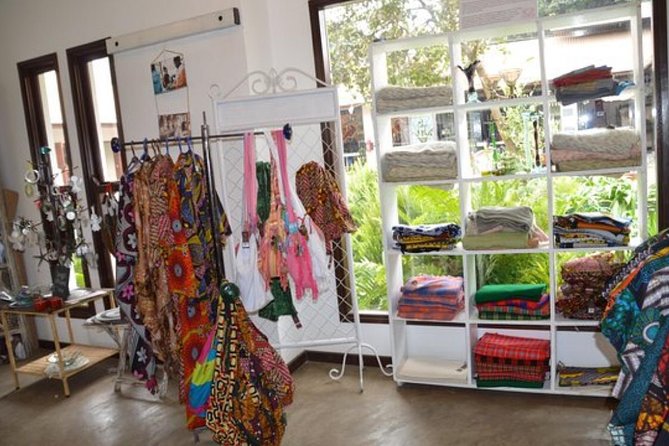
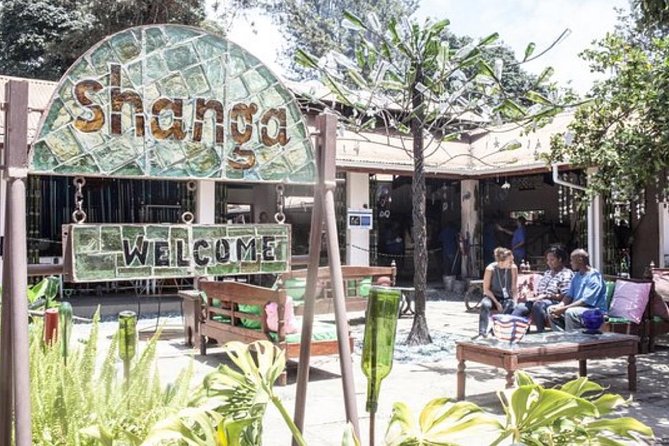
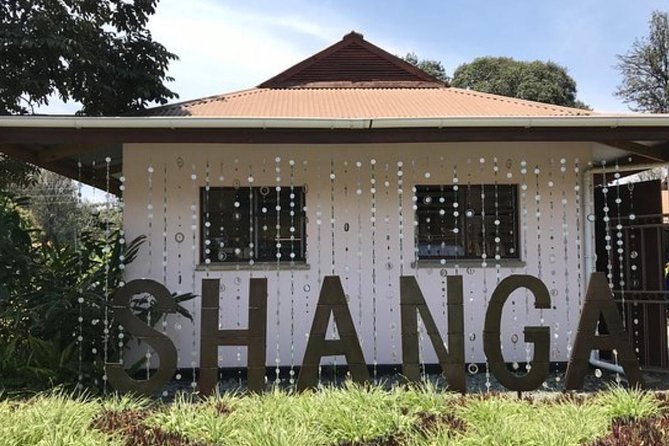
Next up is Shanga & the Shanga Foundation, again about three hours with admission included. Shanga is a social enterprise, and the goal isn’t vague feel-good talk—it’s about employing people with disabilities to make high-quality, handmade products.
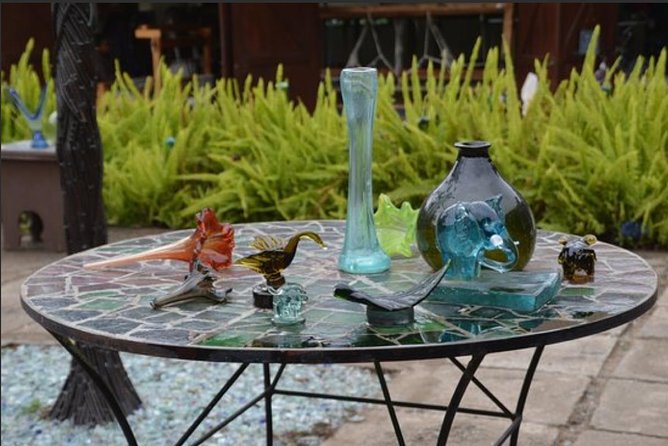
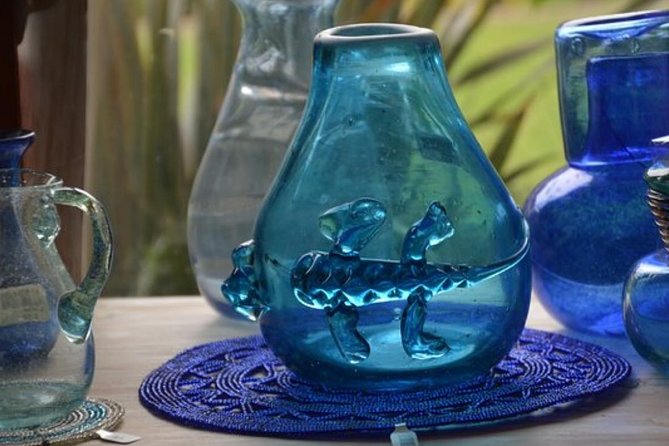
You’ll see products made using recycled materials, which gives the workshop an eco-and-ethics angle without requiring a lecture. The shop is part of the visit, so you can connect what you saw being made to what’s for sale.
What you can expect at the worksite
This stop focuses on watching and observing hands at work. The workshop activities listed include:
- glass-blowing
- weaving
- sewing
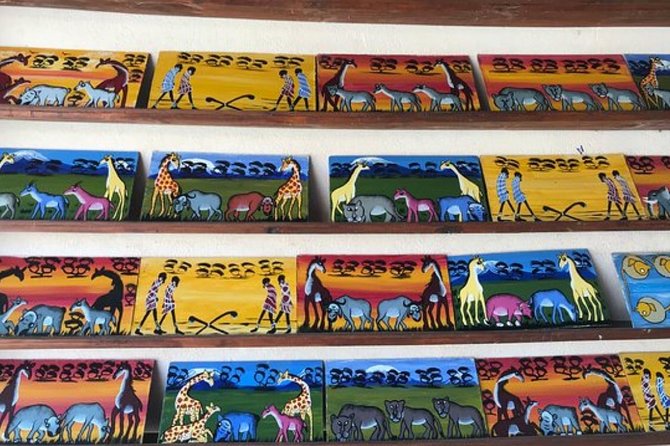
- Tinga Tinga painting
- bead-making
- metal work
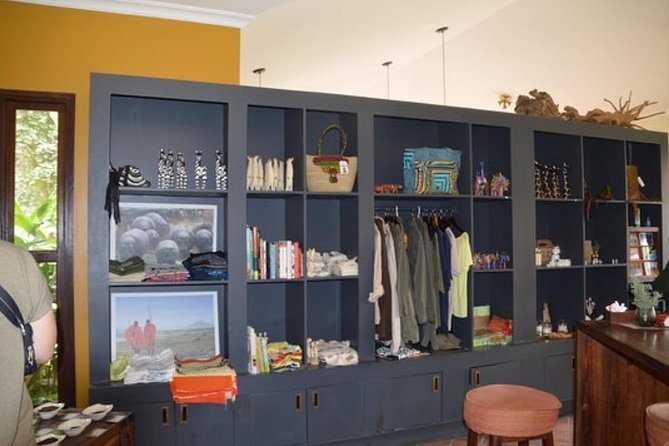
You’ll also have time in the shop to browse handmade jewelry, glassware, and home wares. If you’re the kind of person who likes buying something that carries a story, this is where that fits best.
The real value for your wallet and your conscience
Purchases here tend to mean more than souvenirs. The model reinvests profits back into developing opportunities to employ more people with disabilities. That doesn’t mean you must buy, but it makes your shopping choices feel purposeful if you do.
A practical drawback
Craft places can move a little slower than a typical photo stop. If you want a fast pace the whole day, you may feel this is one of your longer stretches. Still, the time is there for a reason—you’ll get more out of it if you watch the processes instead of just snapping pictures and moving on.
Maasai Market: How to Browse a Big Craft Market Without Getting Overwhelmed
Then comes the Maasai Market Curios and Crafts visit, also about three hours with admission included. This market is busy in the way that only a real market can be: lots of stalls, lots of similar items, and just enough variety to keep you hunting.
A useful way to describe it: as you enter, you’ll see many stalls with overlapping product categories. Some stalls match what you’ve already seen, while others have different pieces that make the loop worth it.
How vendors treat you here
What stood out for me is the respectful tone. Vendors are generally polite and wait for you to step in, then greet you (you may hear mzungu as a common greeting). They also invite you to touch items and told guests that touching is free—meaning you can handle pieces more than you might in some tourist markets.
You might also see a basket system. Vendors often hand you a medium-size basket to use as you choose items, then you keep browsing. It makes shopping feel organized rather than chaotic.
A smart shopping strategy for real-world value
Three hours is perfect for this market because it allows you to do two things:
1) Browse enough to understand what’s being sold and at what style/quality level
2) Then return to the pieces you actually want
Don’t lock onto the first pretty thing you see. Instead, compare. If you’re buying gifts, think about size, breakability, and how easy it will be to pack.
The main consideration
Markets can feel overwhelming because there’s just a lot to look at. If you’re visiting with a tight attention span, set a plan: one category for yourself (like jewelry or a textile) and one category for gifts, then stop. Otherwise your basket fills fast.
Arusha National Natural History & Cultural Museum: A 1900 German Boma You Can Explore Slowly
The final major stop is the Arusha National Natural History & Cultural Museum, built inside an old German boma (a fortified compound) completed in 1900. This is a museum stop that feels grounded—less about spectacle, more about learning how the region is understood.
It runs about three hours with admission included, and the museum is divided into three parts. The best wing is often the one dedicated to human evolution, because much of what’s known in this area came from fossils unearthed in Tanzania. That makes the subject feel connected to the country instead of being just a world display.
Other sections include:
- insects
- the history of Arusha during the German colonial era
- wildlife photos and mounts
What to do if you only care about one thing
If human evolution is your main interest, you can spend extra time there and treat the other areas as bonus browsing. The key is not to rush. Museums reward slower movement, and three hours gives you room to do that without feeling behind.
A practical note
This is still a museum. Expect you’ll do a fair amount of indoor walking and looking at exhibits closely. Closed-toe shoes help, and if you like detailed reading, bring your patience and time.
Lunch, Water, and the Inclusions That Actually Matter
A lot of tours advertise lunch. This one includes it—and that matters on a full 12-hour day. You also get drinking water and soft drinks during transport, which helps you stay comfortable and less likely to spend extra money just to keep going.
The price also includes:
- all fees and taxes
- private transportation
- admission tickets for the listed stops
Not included are alcoholic beverages, personal items (like camera or visa), accommodation, and personal expenses such as tipping. That means you can budget for your own shopping and any extras, but the structure of the day is mostly covered.
Is $205 per person good value?
For a one-day private itinerary that includes three hours of museum time, two separate attraction visits with included admission, and a market browsing block—plus transport and lunch—the pricing feels fair. The real test is whether you’d otherwise pay separately for admissions and a guide-driven route. If you’d be hiring transport anyway, the package format is the bargain.
How to Plan Your Day So It Feels Relaxed (Not Like a Sprint)
With four big stops and three hours at each, your success depends on pacing. The easiest way to enjoy it is to think of the day as four chapters, not one long checklist.
A few practical tips:
- Wear comfortable shoes for museum floors and market walking.
- Bring a small bag that’s easy to carry while you browse the market.
- Set a shopping goal before you arrive at the Cultural Heritage Centre and Maasai Market. Decide what “worth buying” means to you.
- Keep some cash or payment method ready for purchases since the stops include many items for sale.
Also, ask your guide to explain what you’re looking at as you go. Places like the stone counter and craft workshops go from “stuff on display” to “understanding the context” when you ask a few questions.
Who This Arusha Day Tour Is Best For
This private itinerary fits best if you want:
- a structured one-day plan in Arusha
- a guide who can connect the dots between culture, crafts, and local history
- included admission time so you aren’t guessing which tickets matter
- a mix of shopping and learning (with Shanga and Cultural Heritage doing the heavy lifting)
If your ideal day is quiet, mostly outdoors, and low on retail, you might find the Cultural Heritage Centre and Maasai Market a lot. But even then, you can treat them like cultural stops and limit purchases to one or two meaningful items.
It’s also a good choice if you’re trying to reduce friction. The door-to-door setup helps you avoid the stress of navigating local timing and traffic on your own.
Should You Book 24 Hours in Arusha?
Book it if you want a guided, full-service Arusha day that hits the big culture-and-craft targets without you doing logistics math. The included admissions, lunch, and private transport make it feel like a complete plan, not a collection of separate trips.
Skip it only if you strongly dislike shopping environments. This itinerary includes two shopping-heavy stops, and they’re not window-shopping-only places. If you’re okay with that—or you’re excited to buy a few pieces with real context—this is a smart way to use your time in Arusha.
The tour also has a personal-touch advantage. With a guide like Daniel and a private setup, your day has a smoother rhythm, and you can ask questions instead of just watching and moving on.
FAQ
What time does the Arusha tour start?
The tour starts at 8:00 am.
How long is the 24 Hours in Arusha experience?
It runs for about 12 hours (approx.), with time set aside for each of the four stops.
Is pickup included from my accommodation?
Yes. Pickup and drop-off at your accommodation are included.
Is this tour private or shared?
It’s private. Only your group will participate.
What’s included in the price?
The price includes lunch, all fees and taxes, private transportation, and drinking water and soft drinks during transport.
Are admission tickets included?
Yes. Admission tickets are included for the Cultural Heritage Centre, Shanga & Shanga Foundation, Maasai Market, and the Arusha National Natural History & Cultural Museum.
What food and drinks should I expect during the day?
Lunch is included, and you’ll have drinking water and soft drinks during transport. Alcoholic beverages are not included.
Can I get a refund if I cancel?
Yes. You can cancel for free up to 24 hours in advance for a full refund.
If you want, tell me your travel dates and what you like most—museum learning, craft buying, or market browsing—and I’ll suggest a simple game plan for the day.