REVIEW · ROME
Rome: Ancient Rome Nighttime Sightseeing Tour
Book on GetYourGuide →Operated by Romes Ultimate · Bookable on GetYourGuide
Rome looks different at night. This 3-hour walk strings together key Roman landmarks—ancient to Renaissance—while Rome’s streets are calmer and the stones feel more dramatic. I like the small-group pace and the way the guide turns facts into something you can actually follow, especially with an animated guide like Dimitri, who mixes in jokes and interactive questions. I also love hitting the big names that sit back-to-back—Trajan’s Forum and Michelangelo’s Piazza Campidoglio—so you get clear visual takeaways instead of a grab-bag of photo stops.
One thing to consider: this is still a walking tour on city sidewalks and historic surfaces, so it’s not suitable for people with mobility impairments. If you’re sensitive to long, uneven stretches, plan on taking it slow and wearing supportive shoes.
In This Review
- Key Things You’ll Notice on This Rome Night Tour
- A Night Walk Through Rome’s Power Centers, Not Just Postcards
- Starting in Rione Monti: The Old Streets Before the Big Squares
- Piazza Quirinale to Trajan’s Forum: Empire-Era Architecture Gets Real at Night
- Michelangelo at Piazza Campidoglio: The Renaissance Makeover You Can See
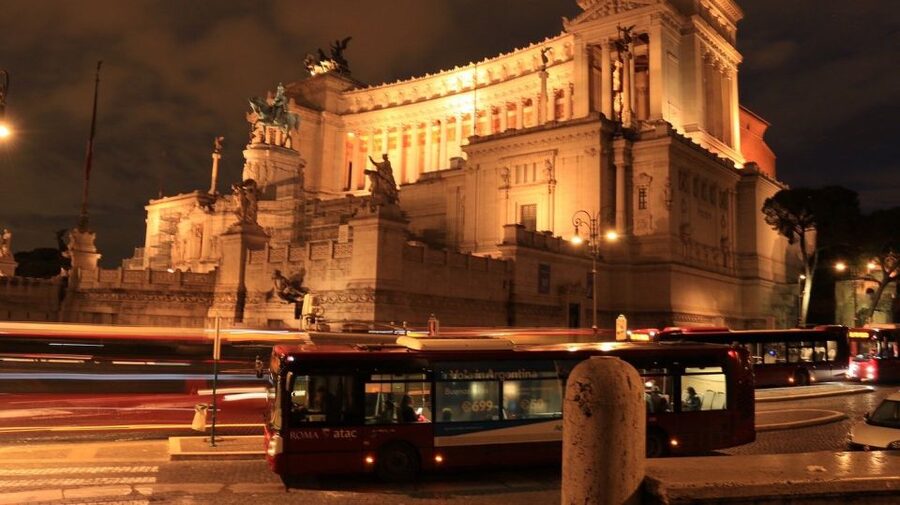
- Palazzo Venezia and the Unification Monument: When Rome Becomes Modern
- Piazza Colonna: Ending in the Government Seat of Italy
- Highlander Pub Nightcap: A Simple End That Actually Helps
- Price and Logistics: Is $82 Worth a 3-Hour Rome Night Walk?
- What to Bring and How to Dress for Rain or Shine
- Who Should Book This Tour (and Who Should Skip It)
- Should You Book This Rome Ancient Sites Night Tour?
- FAQ
- How long is the Rome: Ancient Rome Nighttime Sightseeing Tour?
- What’s included in the price?
- What sites does the tour cover?
- What language is the tour guide available in?
- Does the tour run rain or shine?
- What should I bring?
- Is the tour suitable for people with mobility impairments?
- Can I cancel for a full refund?
Key Things You’ll Notice on This Rome Night Tour
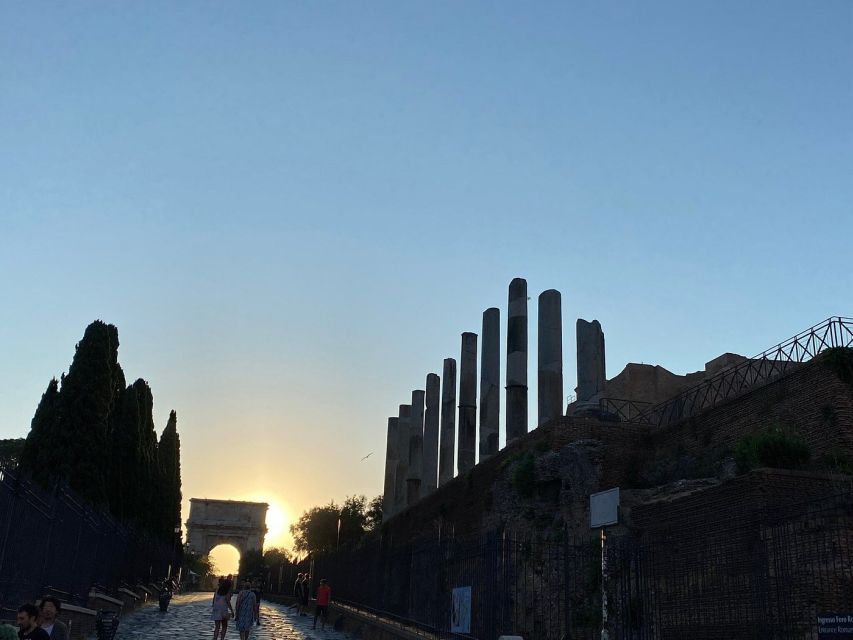
- Rione Monti to Piazza Quirinale: start in Rome’s oldest residential feel, then head to the elite power-center mood of Quirinale.
- Trajan’s Forum by night: it’s treated like the ancient Rome prototype of a shopping-and-streets complex.
- Michelangelo’s Piazza Campidoglio: the Renaissance redesign shows up more clearly after dark, when lines and symmetry do the heavy lifting.
- Palazzo Venezia in the mix: you’ll pass the medieval hub and connect it to the Unification Monument of Vittorio Emanuele II.
- Government at Piazza Colonna: you end in a place tied to modern Italy’s seat of government, not just ancient ruins.
- Highlander Pub nightcap: a glass of wine or cocktail helps you land the night after the walking.
A Night Walk Through Rome’s Power Centers, Not Just Postcards
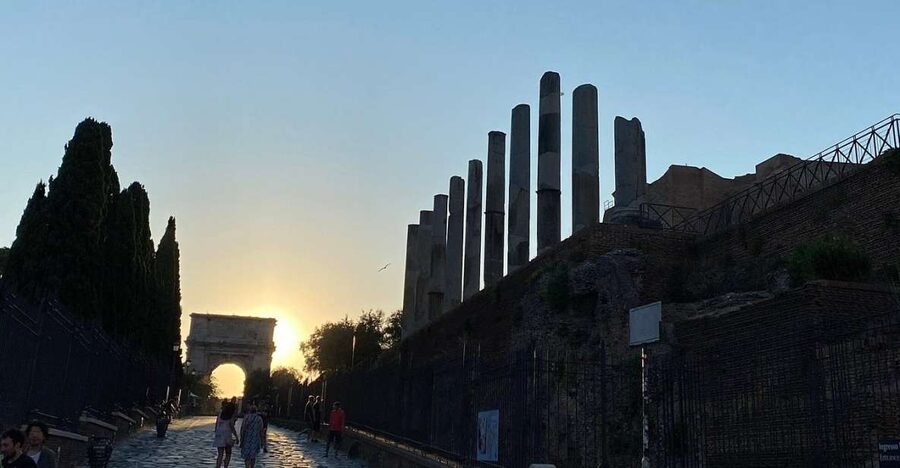
This is the kind of Rome tour that helps you understand the city’s “why,” not just its “what.” At night, you trade mid-day crowds for a slower pace where you can actually look at details: the relationship between piazzas, the way monuments face each other, and how streets funnel you toward the next big view.
You’re covering multiple eras in a logical line: ancient Rome, then Renaissance artistry, then the modern civic feel of government squares. That arc matters. Rome can feel like a pile of ruins if you only visit individual sites. Here, you’re walking between them, so the connections become obvious.
And because it’s small-group guided, you’re not standing around hoping you’ll understand something. You get live context as you move—plus time for questions. One review highlighted the guide going a bit long at the end to answer people’s city questions, which is exactly what you want from a city-walk format.
You can also read our reviews of more tours and experiences in Rome.
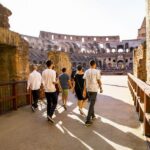
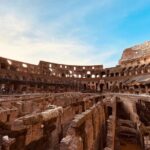
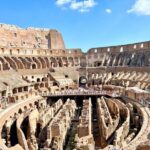
Starting in Rione Monti: The Old Streets Before the Big Squares
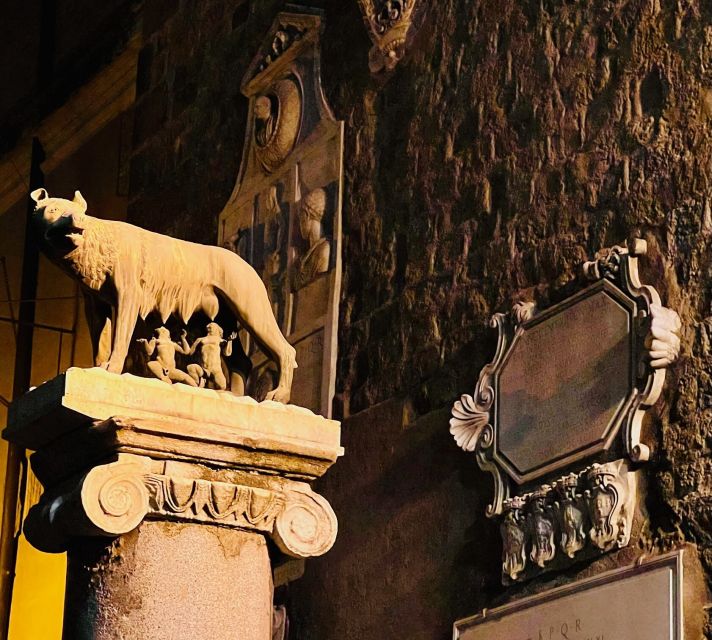
The walk kicks off in Rione Monti, described as Rome’s oldest residential area. That’s a smart start. Instead of beginning at a single famous monument, you begin in the everyday fabric of the city—narrower streets, more lived-in atmosphere, and a sense that Rome isn’t only ruins and museums.
From there, you’re guided toward Piazza Quirinale, the seat of the Roman elite through the ages. Even if you don’t know every building name on day one, the point is clear: this area has always been where influence gathered. Night helps here, too. Street lighting and darker sightlines make it easier to notice how grand spaces are staged—how they pull you toward the political and ceremonial centers.
Practical tip: this part sets your walking rhythm. If you’re prone to rushing, this is where you’ll do well to slow down and let the guide point out what to look for.
Piazza Quirinale to Trajan’s Forum: Empire-Era Architecture Gets Real at Night
After the Quirinale power mood, the tour heads to Trajan’s Forum. This stop is framed as the world’s first shopping mall—a fun way to describe what you’ll be seeing. It’s not about stores in the modern sense; it’s about a massive public complex designed for daily movement, commerce, and civic life.
Here’s why the “shopping mall” comparison works for your brain: it highlights layout and foot traffic. A forum complex isn’t a single object. It’s a system—spaces that manage crowds and route people through monumental settings. By night, those spaces feel even more legible because you’re not fighting noon glare or the rush of day crowds. You can spend a little longer on how the area functions as a place you would walk through, not just a place you would photograph.
The guide also connects the dots between imperial ambition and urban design. That’s the big value of this tour: you learn what the architecture was trying to accomplish.
Michelangelo at Piazza Campidoglio: The Renaissance Makeover You Can See
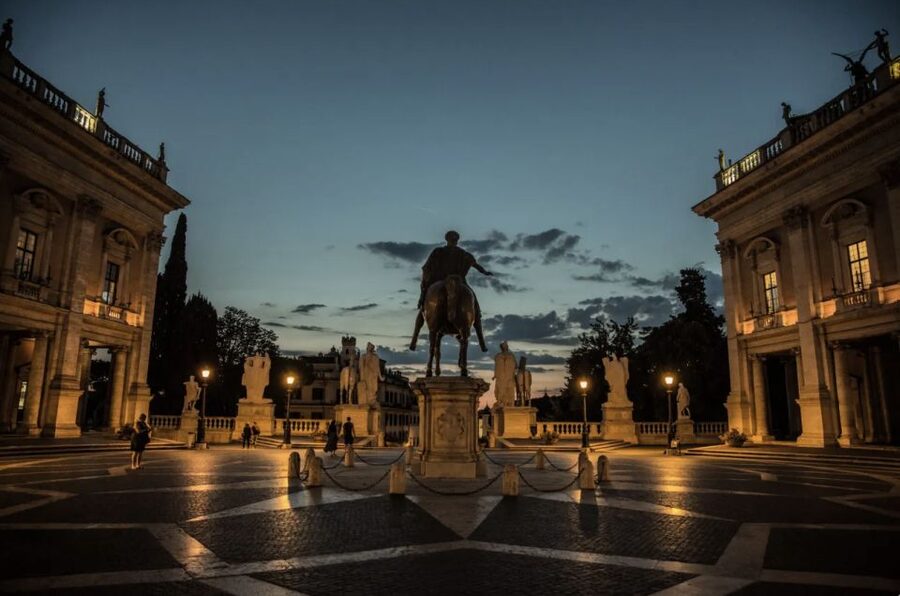
Next comes the Renaissance, and it’s one of the most satisfying transitions on the route: Piazza Campidoglio and Michelangelo’s designs. Even if you’re not a Renaissance specialist, you’ll feel what the redesign is doing.
Michelangelo’s Piazza Campidoglio is all about geometry and perspective—how a central space can guide your eye and make you feel the order behind the scene. At night, this kind of design is easier to appreciate because the shadows and lighting help define edges and angles. You’ll be looking at the arrangement as much as the building surfaces.
If you’ve ever been frustrated that Rome can feel like “one more church, one more ruin,” this stop can change that. It’s a different kind of city storytelling: instead of ruins explaining ancient life, a planned piazza shows Renaissance Rome thinking about how a city should look and behave.
Palazzo Venezia and the Unification Monument: When Rome Becomes Modern
The tour doesn’t keep everything stuck in ancient timelines. It brings you past Palazzo Venezia, described as a medieval central hub facing the Unification Monument of Vittorio Emanuele II.
This pairing is helpful because it shows you Rome’s layered identity: old administrative spaces and newer national symbolism in the same visual frame. You’re not just learning history in the abstract. You’re watching it in the way buildings relate to each other.
Night is also a practical advantage here. Large monuments and institutional buildings often read more clearly once the streets quiet down. You can stand, look, and actually absorb the relationships without feeling like you’re stuck in a constant shuffle.
One caution: this area can still be visually busy with pedestrians moving through the square. Keep your attention on what your guide points out—those specific cues are what turn this into understanding rather than just more sights.
Piazza Colonna: Ending in the Government Seat of Italy
You finish at Piazza Colonna, described as the seat of government of Italy. This is a strong ending choice. It shifts your focus from ancient empire staging to modern civic power.
Why that matters: it gives your brain closure. You started in an older residential district tied to Rome’s deep roots. You traveled through imperial public life and Renaissance urban design. Now you land in a place that still carries national authority. In three hours, you’ve gone from past to present without it feeling like whiplash.
And because you’re ending with a set destination, you’ll be less likely to wander off into random streets on your own before you’ve absorbed the full route.
Highlander Pub Nightcap: A Simple End That Actually Helps
The tour wraps with a complimentary drink at the nearby Highlander Pub—either a glass of wine or a cocktail. This isn’t just a perk. It’s a practical reset after walking, especially on an evening tour.
One review called out the Highlander Pub as beautiful, with friendly staff and excellent drinks. That lines up with the whole idea of this format: a guided walk where the night ends in a real place you can continue your own conversation.
If you’re the type who likes to ask follow-up questions, this stop is also useful. You’ve already got your guide’s attention during the walking portion, and the nightcap gives you a natural moment to keep the discussion going.
Price and Logistics: Is $82 Worth a 3-Hour Rome Night Walk?
At $82 per person for 3 hours, the value comes from what’s included and how it’s delivered. You get:
- a live guide (English and Spanish)
- a small-group setup
- a glass of wine or a cocktail
- an itinerary that moves across multiple eras instead of repeating the same kind of stop
For Rome, where self-guided wandering can turn into “I saw it, but I don’t understand it,” guided context is often the difference between a fun evening and a truly useful one. The route also avoids the common problem of daytime tours that feel rushed. Three hours at night gives you time to look—especially when the guide is willing to make the walk interactive (that’s a clear theme in the feedback).
So when is it worth it? If you want a guided framework for Roman forums, elite piazzas, Renaissance design, and a modern civic finish—all in one evening.
When might it feel pricey? If you’re already a confident Rome-history reader who only wants quick photos, you might not use much of the guided interpretation. In that case, a self-guided route could work cheaper.
What to Bring and How to Dress for Rain or Shine
This tour runs rain or shine, so come prepared. The only explicit must-bring item is comfortable shoes, and I agree—that’s not optional for a walking route on historic surfaces.
If rain shows up, wear shoes with solid grip and breathable socks if you tend to get cold in wet weather. Bring a light layer you can handle easily while walking. You’re out for three hours, so comfort matters more than fashion.
Also note: it’s English and Spanish guided. If you prefer one language strongly, pick the slot that matches your comfort level.
Who Should Book This Tour (and Who Should Skip It)
This one is a great fit if you:
- want to understand Rome’s major public spaces instead of only snapping pictures
- like a guided, small-group night stroll
- enjoy city walks where you can ask questions and get a human explanation
- want a mix of ancient Roman forums, Renaissance art, and modern civic context
I’d skip it if you:
- have mobility impairments (the tour is specifically not suitable)
- can’t handle extended walking on uneven historic streets
- dislike night walking in rainy conditions (even though it’s rain or shine, you still might not enjoy the experience)
Should You Book This Rome Ancient Sites Night Tour?
If you’re visiting Rome for the first time and want an evening that actually teaches you something, I’d book it. The route makes sense: it starts in Rione Monti, escalates to Piazza Quirinale, then lands on Trajan’s Forum and Michelangelo’s Piazza Campidoglio, with Palazzo Venezia and Piazza Colonna keeping the story moving into modern Italy.
The biggest reason to choose this tour is the guide style. You’re not just receiving facts; you’re getting interaction and explanations that make the places easier to remember. Add the high-quality nightcap stop at the Highlander Pub, and the whole evening feels complete instead of cut off after the last monument.
If you want, tell me your travel dates and whether you prefer English or Spanish. I can suggest an ideal evening time to pair it with dinner nearby (and what to do the next day so the route clicks even more).
FAQ
How long is the Rome: Ancient Rome Nighttime Sightseeing Tour?
It lasts 3 hours.
What’s included in the price?
You’ll get a nightcap (a glass of wine or a cocktail), a tour guide, and a small-group experience.
What sites does the tour cover?
The walk includes Rione Monti, Piazza Quirinale, Trajan’s Forum, Piazza Campidoglio (Michelangelo’s design), Palazzo Venezia facing the Unification Monument of Vittorio Emanuele II, and it ends at Piazza Colonna.
What language is the tour guide available in?
The tour guide is available in English and Spanish.
Does the tour run rain or shine?
Yes, it runs rain or shine.
What should I bring?
Wear comfortable shoes.
Is the tour suitable for people with mobility impairments?
No, it is not suitable for people with mobility impairments.
Can I cancel for a full refund?
Yes. You can cancel up to 24 hours in advance for a full refund.