REVIEW · ABU DHABI
Abu Dhabi: Inside Heritage Village Walking Tour
Book on GetYourGuide →Operated by 360 Adventures Tourism LLC · Bookable on GetYourGuide
Short walk, big UAE stories. Abu Dhabi’s Heritage Village turns a few blocks into a calm culture lesson, with Bedouin tents and period buildings that help you picture how life worked beyond the modern skyline. I especially like the live, practical feel of watching artisans work and answering your questions on the spot.
What makes it a solid pick is the craft-demo focus plus the included on-site museum stop, where you can see small but interesting pieces like pearl diving tools and old photos. One thing to keep in mind: the village may have areas closed for redevelopment, so what you see can vary a bit day to day.
In This Review
- Key things to know before you go
- Entering Emirates Heritage Village: where the story starts
- Bedouin tents and fire pit: picturing desert life without the guesswork
- Mud-brick houses, an old mosque, and the logic of the village layout
- Souk-style craft demos: pottery, weaving, and metalwork up close
- The on-site museum: artifacts, pearl diving tools, and old photos
- Corniche skyline views: photos without leaving the vibe
- Price and time value: what you get for about $13
- What to wear, what to expect, and how to handle day-to-day changes
- Who this walking tour is best for
- Should you book this Abu Dhabi Heritage Village walking tour?
- FAQ
- Where is the meeting point?
- How long is the tour?
- Is the tour guided in English?
- What’s included in the price?
- Do I see Bedouin tents on this tour?
- What kinds of craft demos will I watch?
- Is a museum visit included?
- Is transport or meals included?
- What should I wear?
- Can I cancel if my plans change?
Key things to know before you go
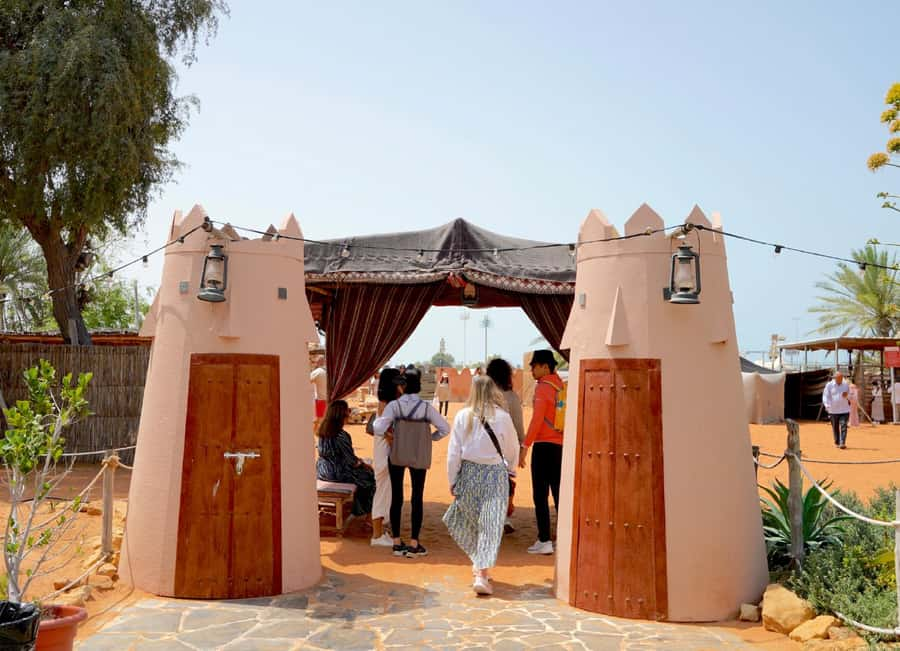
- Live craft demonstrations by traditional Emirati artisans, with you able to ask questions
- Real Bedouin camp scenes, including tents and a fire pit, built for hands-on understanding
- A mix of structures such as mud-brick house replicas and an old mosque setting
- On-site museum entry with artifacts like pearl diving tools and historical photographs
- Corniche skyline photo moments during the walking route
- Modest dress request to keep the village respectful and comfortable for everyone
Entering Emirates Heritage Village: where the story starts
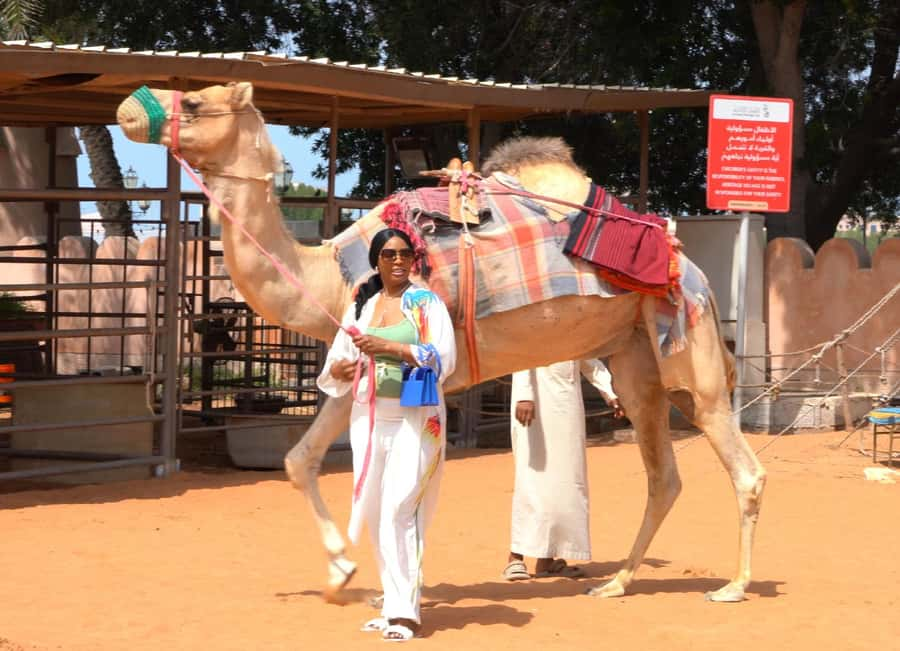
This is the kind of tour that’s worth it even if you don’t love long guided walks. You meet your guide at the Heritage Village main entrance waiting area, then you’re guided into the open-air compound where the focus stays on culture and everyday life—not lectures from a distance.
The best part is how quickly you get oriented. Within a short walk, the guide frames what you’re seeing: desert life through Bedouin camp elements, Emirati home life through mud-brick building replicas, and community rhythms through a traditional souk-style area. The tour is in English, and because it’s guided by local experts, you get explanations that are tied to objects and spaces, not just general facts.
Timing is also pretty manageable. The experience is listed at 30 minutes, while the guided tour segment is described as 45 minutes. In plain terms, plan for a short visit—long enough to see everything calmly, not so long that you’ll feel rushed.
One practical tip: wear shoes you’re comfortable walking in. You’ll be moving between tents, houses, mosque settings, and the souk-demonstration area, plus the walking route that gives you Corniche skyline photo opportunities. If you show up in sandals with slippery soles, you’ll notice it fast.
And yes, attire matters here. There’s a clear request for modest clothing so the visit stays respectful. That also makes the experience more comfortable in mixed company—locals and visitors side by side.
You can also read our reviews of more tours and experiences in Abu Dhabi.



Bedouin tents and fire pit: picturing desert life without the guesswork
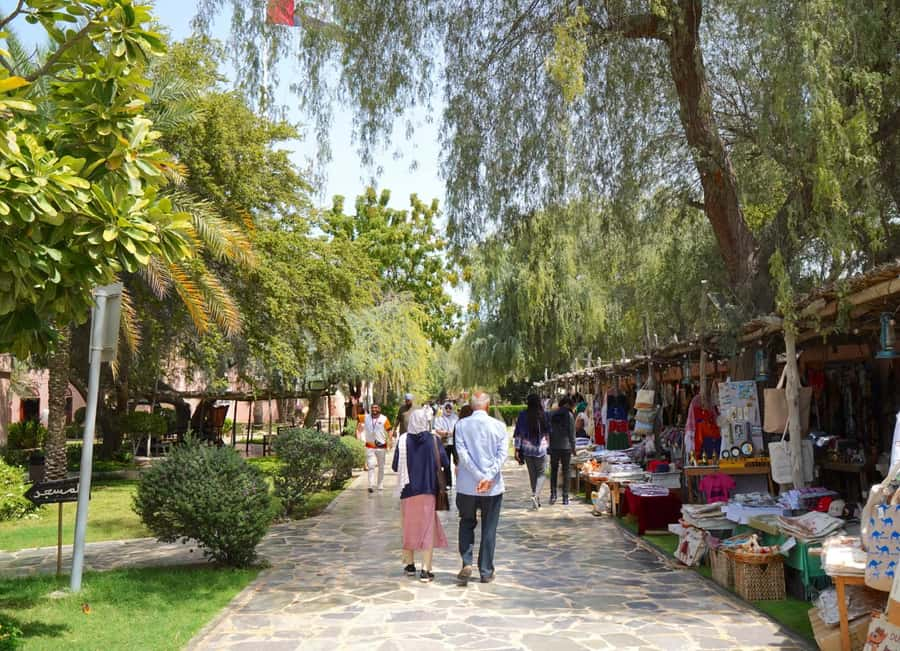
The tour’s heart is the Bedouin camp area: real Bedouin tents plus a fire pit. That combination is more than a nice photo spot. It gives you a concrete visual for how people organized daily life around shelter and communal warmth, and it helps you connect the desert idea to actual living patterns.
As you move through this section, your guide’s job is to translate the scene into meaning. Instead of treating the tents like props, you’ll get context about Bedouin life and what you’re seeing around the camp setup. You can ask questions, and you’ll get explanations tied to what’s in front of you.
If you’re the type of traveler who likes to understand the background before you take photos, this part works well. You’ll still take pictures, but you’ll do it with better context. The tents and fire pit also set a calmer tone early in the tour, which matters because the rest of the visit can feel like a series of stops—souk, crafts, mosque setting, houses, and then museum artifacts.
One consideration: since this is a heritage village, some elements can be affected by redevelopment, meaning parts of the camp area or nearby sections might not always be fully open. When that happens, the tour can still be valuable, but you might see less than you expected. If you’re visiting on a day when closures could be more likely, keep your expectations flexible.
Mud-brick houses, an old mosque, and the logic of the village layout
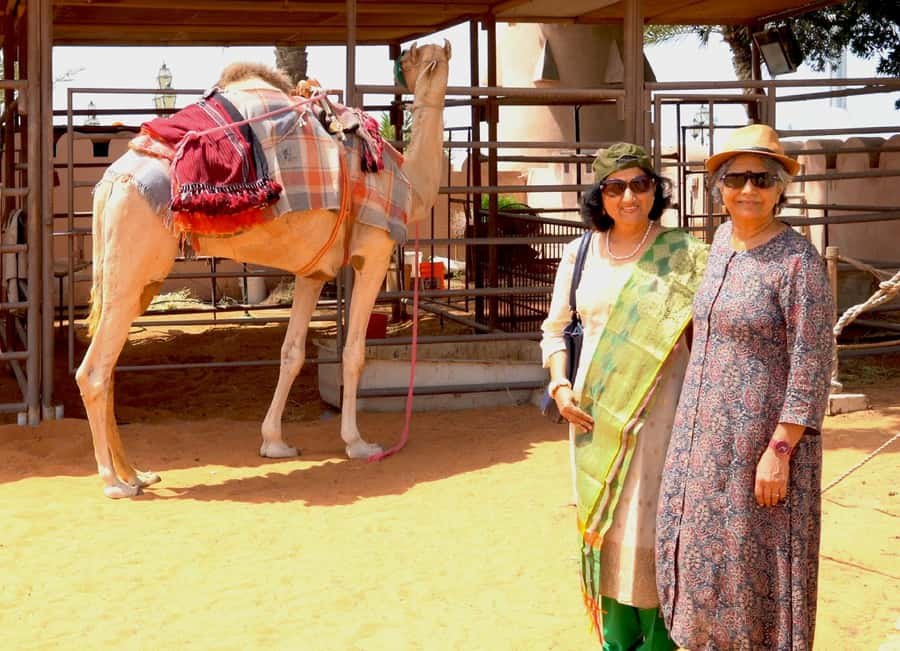
After the Bedouin camp, the route shifts into built heritage. You’ll look at replicas of mud-brick houses and an older mosque structure. These stops are useful because they explain how community life was shaped by architecture—simple materials, practical design, and a layout that supported social routines.
The mud-brick house replicas help you see the difference between modern building styles and older ways of constructing. You might notice the look, the scale, and how these structures were meant to serve everyday needs. Even if you don’t go deep into architectural analysis, the guide’s explanation helps you read the space.
The old mosque setting adds another layer: it’s not just about a building you can photograph. It gives you context about community values and shared spaces. The tour stays respectful and straightforward, so it doesn’t turn sacred architecture into a background item for selfies.
Here’s what I like about this layout: it moves from camp life to home life to shared worship/community space. That sequencing helps your brain organize what you learn. When you later reach the souk and craft demos, it feels connected rather than random.
As with the camp section, redevelopment can change what’s available to see. If an area is under change, you may end up spending slightly less time in that specific building. Don’t panic—this is still designed as a short guided visit, and your guide can direct attention to what’s open that day.
Souk-style craft demos: pottery, weaving, and metalwork up close
If you only care about one part, make it the craft demos. This is where you’ll see traditional Emirati artisans at work, and you get explanations that connect skills to the tools and materials in front of you.
The craft demonstrations include:
- Pottery
- Weaving
- Metalwork
What makes this more than a show-and-tell is that you’re encouraged to interact—ask questions, watch the method, and get a sense of how craftsmanship is passed down through generations. In other words, you’re not just looking at finished items; you’re watching processes.
This also tends to be the moment when the tour feels most human. You’re standing near someone who can point to what they’re doing and explain why it matters. Guides named Shamnad and Zain were specifically noted for being friendly and engaging, which lines up with the best kind of heritage tour: one where the explanation feels conversational and you’re allowed to be curious.
Practical note: don’t expect a workshop where you’ll leave with a new handmade souvenir. The tour focuses on demonstrations and learning. If you want hands-on participation, you might find that the interactions are more about Q&A than full participation. Still, watching close-up is the value here—especially if you’re traveling through Abu Dhabi and want something cultural that doesn’t require a full-day commitment.
The on-site museum: artifacts, pearl diving tools, and old photos
The included museum stop is small, but it gives weight to the story you just walked through. Instead of only seeing replicas and demonstrations, you get access to real artifacts and historical documentation.
From what you can expect to see, the museum includes items such as:
- Pearl diving tools
- Ancient artifacts
- Historical photographs of Abu Dhabi
Pearl diving is one of those topics that can feel abstract until you see actual tools. That’s why this museum add-on works. It turns the history from a mention into something you can visually inspect. Even if your time is short, the artifacts give you an anchor point for understanding how the economy and daily life once connected to the sea.
The museum also helps fill a common gap in heritage visits. Some tours stop at crafts and architecture. This one adds a bit of documentary evidence—photographs and artifacts—so you can connect what the village reenacts with what actually existed.
If you’re the kind of traveler who likes to compare eras, this museum section makes those comparisons easy. You’ll look at the structures and camp scenes, then you’ll look at the tools and photos and realize how the village theme is rooted in specific historical realities.
Corniche skyline views: photos without leaving the vibe
Between the heritage spaces, you’ll enjoy scenic views of the Abu Dhabi skyline across the Corniche. This is more than a bonus. It’s your reality check that you’re in modern Abu Dhabi, and it gives your photos variety.
The trick is to time your pictures when you’re moving through the route, not when you’re stuck at the end of a long line. Since the tour is short, you’ll probably have just enough moments for clean, calm skyline shots without disrupting your flow.
I like this kind of mix: culture first, then a modern view that frames where you are today. If you’re doing this after other major sights in Abu Dhabi, the skyline view helps you keep context and avoid the feeling that you’re only collecting monuments. You’re seeing how the past and present sit next to each other.
Price and time value: what you get for about $13
At about $13 per person, this tour is priced for travelers who want a cultural hit without shelling out for a full half-day or a pricey museum ticket. The value comes from three bundled elements: entry to the village, live craft demonstrations, and museum access.
Here’s what that means in practice:
- You get the entry component (so you’re not paying extra just to access the heritage grounds)
- You get guided interpretation by a live host (so you’re not wandering through exhibits guessing what’s important)
- You get a museum add-on with artifacts and historical photos
That combination is the sweet spot for budget-minded travelers. If you only wanted one of these pieces—say, only the crafts or only the museum—you might end up spending similar money for less value. The tour format is meant to connect the dots between the camp scenes, architecture, and historical objects.
Time wise, it’s also realistic. Even if the experience is listed at 30 minutes while the guided segment runs around 45 minutes, you’re not committing to a long schedule. That’s great in Abu Dhabi, where midday heat and back-to-back sightseeing can wear you down.
What to wear, what to expect, and how to handle day-to-day changes
There’s one clear pre-visit rule: wear modest attire. That’s not just a cultural formality—it affects comfort and flow. When you dress appropriately, you can focus on the tour instead of adjusting clothing or worrying about whether you’re standing out in a negative way.
Next, expect that not every area is guaranteed to be fully open. The Heritage Village is described as undergoing redevelopment, which means some sections may be temporarily unavailable. Your guide will generally direct you to what’s accessible, but you’ll feel the difference if you showed up expecting every single tent and building to be at 100% visibility.
One timing note that’s worth your attention: if you’re visiting on a Friday, opening hours may not match what you expect. A past booking issue pointed out that the village opened later than the scheduled time shown for a tour slot. I can’t promise the same delay will happen again, but it’s smart to double-check for your specific day, especially if you’re tying this tour to other plans.
Finally, bring a curious mindset. This is a talk-and-walk tour where you can interact and ask questions. If you go in expecting silence, you’ll miss part of the value.
Who this walking tour is best for
This tour fits best if you want culture that’s easy to access and easy to digest. It’s ideal for:
- First-time visitors to Abu Dhabi who want context beyond the skyline
- Travelers who like heritage explained through real spaces—tents, houses, and craft stations
- People who enjoy photos but also want meaning behind what they photograph
- Short-schedule travelers who don’t want a long day plan
It may be less satisfying if you’re looking for a deep, academic, multi-hour history course. This is short and practical. You’ll leave with a strong overview and a few concrete artifacts, but it’s not designed to become a full textbook of UAE history.
Should you book this Abu Dhabi Heritage Village walking tour?
If you want a short, low-cost way to understand everyday Emirati heritage—plus live craft demos and museum artifacts—this is an easy yes. The tour earns praise for friendly, engaging guides (including Shamnad and Zain), and for the fact that you’re not just walking past things; you’re learning what they represent. With an average rating of 4.2 across the available feedback, the overall signal is positive.
Before you book, do two smart checks:
- Confirm what areas are open on your visit date, since redevelopment can affect access.
- If you’re going on a Friday, verify opening times so your schedule matches reality.
If those two items look good for your trip, book it. For $13 and a short time commitment, you’re getting crafts, Bedouin-style camp scenes, and museum artifacts all in one guided walk—exactly the kind of value that works well in a city where time moves fast.
FAQ
Where is the meeting point?
You meet your guide in front of the Heritage Village main entrance waiting area.
How long is the tour?
The activity is listed as 30 minutes, and the guided tour portion is described as about 45 minutes.
Is the tour guided in English?
Yes, there is a live tour guide in English.
What’s included in the price?
Entry to Heritage Village and the on-site museum is included, along with live craft demonstrations and guided cultural insights.
Do I see Bedouin tents on this tour?
Yes. You’ll explore real Bedouin tents and a fire pit as part of the Heritage Village experience.
What kinds of craft demos will I watch?
You can expect demonstrations related to pottery, weaving, and metalwork.
Is a museum visit included?
Yes. The tour includes entry to an on-site museum with ancient artifacts, pearl diving tools, and historical photographs.
Is transport or meals included?
No. Transport and meals are not included.
What should I wear?
You’re asked to wear appropriate and modest attire for a respectful visit.
Can I cancel if my plans change?
Yes, you can cancel up to 24 hours in advance for a full refund.