REVIEW · OLYMPIA
Ancient Olympia: Archaeological Site and Museum Ticket
Book on Viator →Operated by KeyTickets · Bookable on Viator
Ancient Olympia hits like a time machine. With a pre-booked entry ticket, you can pace the sanctuary and then cool off in the museums. I especially love how Temple of Zeus anchors the whole area, and how the museums are set up with clear, readable context; the main drawback is that the archaeology museum requires a specific time and the ticket can’t be changed.
You’ll wander from major temple ruins into athlete-training zones, then end indoors when the heat shows up. Plan for little shade outdoors and about 1 to 3 hours, depending on how slowly you like to read.
One more buying note: this ticket is for people over 25 only, and reduced-price tickets aren’t available online. If you’re worried about last-minute travel date changes, that non-changeable ticket rule matters.
In This Review
- Key highlights at a glance
- Ancient Olympia in plain terms: what you’re buying
- Ancient Olympia: the sanctuary grounds and Temple of Zeus
- Temple of Hera, stadium area, and the training spaces
- The Archaeological Museum: your timed ticket slot
- Museum of the History of the Olympic Games: turning facts into context
- Price and time value: is $33.72 worth it?
- Timing, sun, shoes: how to plan your 1–3 hours
- Who this ticket suits best (and who should be cautious)
- Should you book this Ancient Olympia ticket?
- FAQ
- What’s included with this Ancient Olympia ticket?
- How long should I plan for the visit?
- Do I need to select a specific time for all parts of the visit?
- Is this ticket for children or adults only?
- Is hotel pickup or drop-off included?
- Is the ticket refundable or changeable?
- Is this experience suitable for most people?
Key highlights at a glance
- Timed entry for the archaeology museum only so you can plan your indoor slot
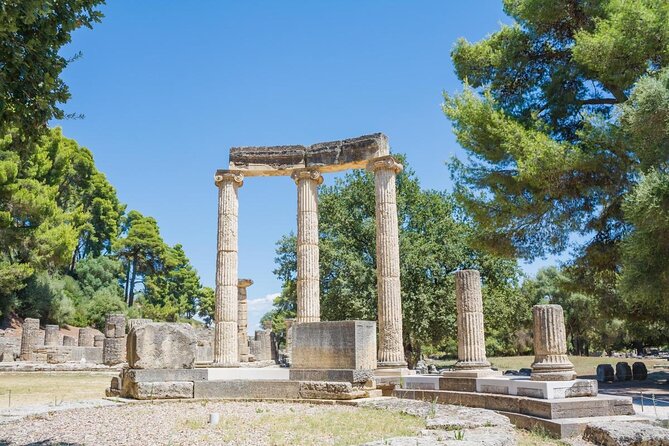
- Temple of Zeus and other sanctuary ruins that set the Olympic story in place
- Athlete training remains like the stadium and wrestling school areas
- Two museums: one for artifacts and one focused on how the games worked
- Sun planning matters since outdoor shade is limited
Ancient Olympia in plain terms: what you’re buying
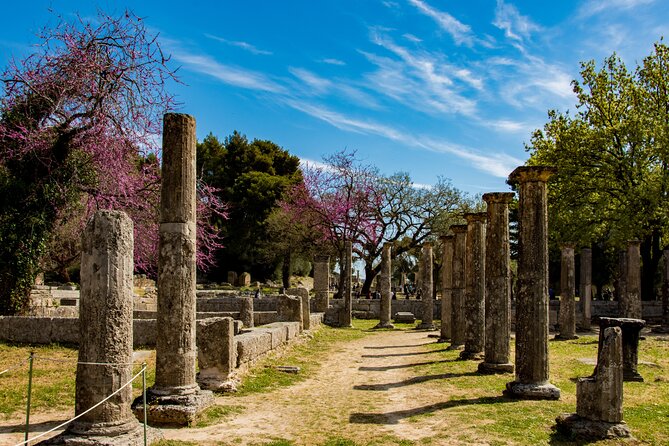
This is a self-guided ticket for Ancient Olympia, one of the great sanctuaries of the ancient world. You’re not just seeing a couple of stones—you’re walking through the setting where the Olympic Games’ ideas were born, with the temples and training areas laid out across the site. The ticket covers entry to the archaeological site and also museum time, so you get both place and objects.
I like that the visit naturally flows: first the open-air sanctuary and training spaces, then museum walls for the facts and finds. The site itself is spread out enough that you’ll want an easy pace, not a sprint. And if you enjoy turning ruins into stories, the museums do a lot of that work for you.
The big value point here is focus: you’re spending your time in the actual Olympia complex and its museums, not in a drive-by photo stop. The main tradeoff is that it’s adult-only (over 25), and the archaeology museum has a specific time/day, so you need to commit to a schedule.
You can also read our reviews of more tours and experiences in Olympia.

Ancient Olympia: the sanctuary grounds and Temple of Zeus
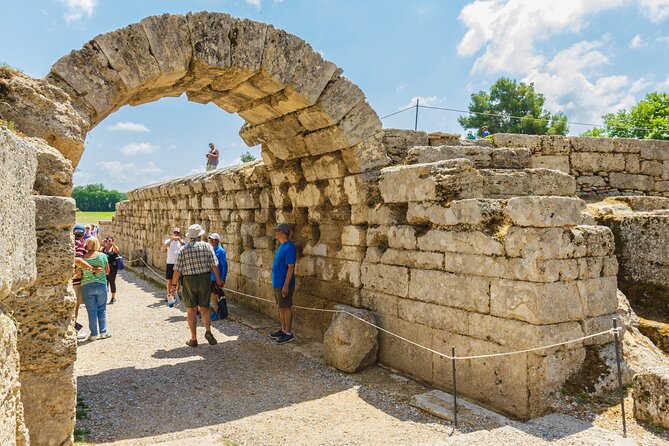
Start at the Archaeological Site of Olympia. This is the part that feels most cinematic: long views across the sanctuary and temple platforms, with big-name landmarks that tell you why Olympia mattered so much. The highlight is the Temple of Zeus, described as the largest in the Peloponnese. Even if you’ve seen temple ruins elsewhere, Zeus at Olympia has scale and presence.
As you walk, look for the layout logic. Olympia wasn’t just buildings—it was a religious and ceremonial center. You’ll pass remains of temples and other structures that helped define how people experienced the games. It’s also the birthplace-of-the-games angle: you can feel the “this is where it began” idea without needing a lecture.
Practical tip: this is the zone where your time management matters most. You can enter the archaeological site anytime on your selected date, so don’t force your schedule to be too tight. If you arrive early, you’ll enjoy softer light and slightly calmer walking. If you arrive later, plan on more sun exposure.
Temple of Hera, stadium area, and the training spaces
After the Zeus area, continue around the site toward the Temple of Hera. It’s one of the older monumental temples in Greece, and it gives you a sense of how Olympia’s sacred identity developed over time.
From there, you move through the athlete-focused areas. This is where Olympia feels less like a temple museum and more like a sports venue that evolved into ritual. You’ll see the hippodrome, plus areas connected with training and competition, including the stadium, wrestling school, and gymnasium.
Here’s why I think this part is so satisfying: it makes the ancient Olympics feel practical. You’re not only looking at holy places—you’re seeing where bodies prepared. Even with partial ruins, the site layout helps you connect training spaces with the idea of competition.
One caution: the ground is uneven in places, and you’ll do a fair amount of walking. Comfortable shoes are non-negotiable. Also, shade is limited, so bring a hat and water and don’t rely on the ruins to block the sun.
The Archaeological Museum: your timed ticket slot
Next comes the Archaeological Museum of Ancient Olympia, and this is where the rules tighten. You must choose a specific time and day for entry to this museum. The good news is that once you’re inside your slot, you can move at a relaxed pace.
This museum is where the site becomes understandable. It presents the long story of the sanctuary of Zeus, and it’s designed to help you connect what you walked through outdoors with the objects recovered from the area. If the ruins felt like a stage, the museum gives you props and context.
Two practical tips based on real-world ticket experience:
- Keep your ticket accessible offline. Olympia’s phone/internet can be spotty, so download or save your confirmation ahead of time.
- If you run into a scanning issue (like your museum entry marking the ticket as used), don’t panic. You may need to visit the ticket desk to sort it out and get proper access for the rest of your visit. Build in a little patience here.
If you prefer museums that explain what you’re seeing without making you hunt for meaning, this one tends to fit that style well.
Museum of the History of the Olympic Games: turning facts into context
Your final stop is the Museum of the History of the Olympic Games. This is a different kind of experience from the archaeological museum. Instead of focusing only on the sanctuary objects, this museum concentrates on how the ancient games worked and the broader timeline connected to the period when the games took place.
If you like your sports history grounded in evidence, this is where you’ll appreciate seeing findings tied to the ancient Olympics era. It’s also an easy way to wrap up: you can look back at the ruins with a clearer idea of what happened there and why.
Timing-wise, you can treat this as either your slower, sit-and-read finale or a quick capstone if you’re on a tight clock. Either way, it’s a good fit for that post-sun fatigue stage—museums are cooler, and you’ll get a break from outdoor walking.
Price and time value: is $33.72 worth it?
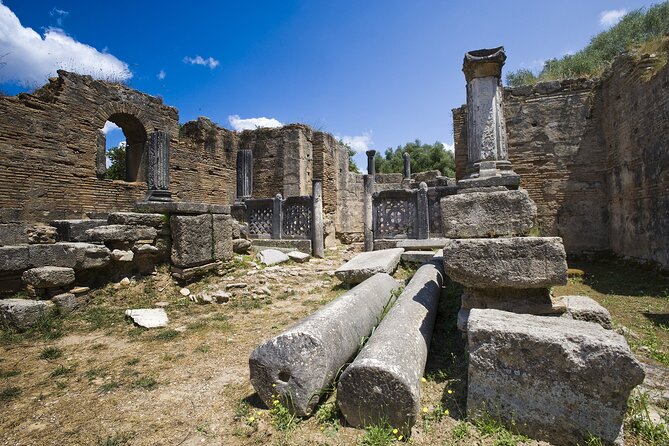
The price is $33.72 per person, and it’s sold as a ticket that includes admission. With tickets like this, the real question isn’t just cost—it’s what you gain.
You gain:
- Time savings versus figuring out same-day entry rules
- Structured visit value because you’re hitting both site and museum content
- A schedule that works well for a 1 to 3 hour experience
But you should also consider price fairness. Some people feel that booking ahead can cost more than purchasing on the spot. So if you’re traveling flexibly and you don’t mind possible lines, you might want to compare the gate price before assuming online is always cheaper.
On the practical side, the ticket is for 25+ only. If you’re traveling with people under that age, this ticket may not be the right match, and you’d need other options.
Also note the experience is self-paced. You’re not paying extra for a ride or hotel pickup here, which lowers the total “hidden costs” for people who are already getting around independently.
Timing, sun, shoes: how to plan your 1–3 hours

A good Olympia visit is all about pacing. The archaeological site is big enough that you shouldn’t treat it like a checklist, but it’s also not a full-day marathon if you keep moving between key zones.
Here’s a simple planning approach:
- Give yourself enough time at the Zeus and Hera areas to understand the sanctuary layout
- Spend time in the stadium/training zone without rushing the walking
- Use the timed museum slot to reset and cool down
- Keep the Olympic Games history museum as your wrap-up
Sun management matters because outdoor shade is limited. Bring water, wear sunscreen, and consider a hat with a brim. If you’re sensitive to heat, your best move is to schedule the timed museum slot earlier in the day.
Ticket-wise, keep your entry expectations realistic:
- The archaeological site and the history museum can be entered anytime on the selected date.
- The archaeology museum needs that exact time/day selection.
- If your ticket system doesn’t scan cleanly at a museum entrance, you may need to stop at a desk to sort it out—so arrive with buffer, not with a tight “arrive at the last minute” mindset.
Who this ticket suits best (and who should be cautious)
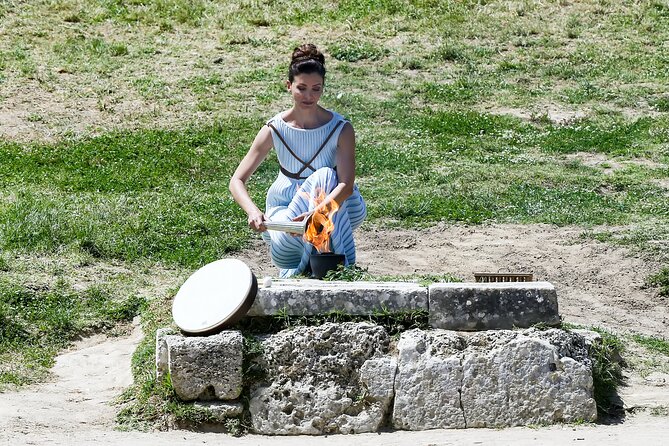
This works best for you if:
- You want a focused, self-guided Olympia visit without coordinating group logistics
- You like the combo of ruins plus museums
- You can commit to a specific time slot for the archaeological museum
- You’re traveling as an adult over 25
Be cautious if:
- You might need to change plans. This ticket is non-refundable and cannot be changed, so build it around stable travel dates.
- You’re arriving with uncertain timing (like a cruise or flight dependency). If your schedule could shift, that inflexibility can hurt.
One more fit check: since this is mostly walking and outdoor heat exposure, it suits most visitors, but you’ll want comfortable shoes and a realistic plan for uneven surfaces.
Should you book this Ancient Olympia ticket?
Yes, you should book it if you’re planning to do Olympia properly—ruins first, then museums in the right order—and you’re confident your date and your archaeology museum time slot are solid. The setup gives you a clean, high-value way to see the sanctuary, connect it to artifacts, and finish with the games’ history.
I’d skip or think twice if your travel date could realistically change, because the ticket can’t be altered. And if you’re the kind of person who hates any chance of ticket-counter hassle, know that there can be occasional scanning or activation friction, so bring patience and keep your digital ticket accessible offline.
In short: for a committed, independent adult visit, this ticket is a strong way to experience Olympia without overcomplicating your day.
FAQ
What’s included with this Ancient Olympia ticket?
The ticket includes admission. That covers entry to the Archaeological Site of Olympia and the two museums listed in the experience.
How long should I plan for the visit?
Plan for about 1 to 3 hours.
Do I need to select a specific time for all parts of the visit?
Only the Archaeological Museum of Ancient Olympia requires you to choose a specific time and day. For the archaeological site and the Museum of the History of the Olympic Games, you can enter anytime on the selected date.
Is this ticket for children or adults only?
This ticket is for travelers over 25 years old. Reduced-price tickets are not available online.
Is hotel pickup or drop-off included?
No. Hotel pickup and drop-off are not included.
Is the ticket refundable or changeable?
No. The experience is non-refundable and cannot be changed for any reason.
Is this experience suitable for most people?
Most travelers can participate.