REVIEW · TONGATAPU ISLAND
Ancient Tonga Cultur Tour 2hr Full Culture Tour
Book on Viator →Operated by Ancient Tonga · Bookable on Viator
Tonga culture comes with a bowl of kava. This 2.5-hour group stop at Ancient Tonga mixes hands-on craft stories with real taste tests, from lu (traditional meal) to natural tea. You also get an on-the-ground lesson in everyday life: plants used for medicine and the textiles that show up in daily dress.
I like the small group setup (up to 20 people), because it’s the kind of tour where questions don’t get lost. I also like that it’s built around taovala and tapa—things you can see, handle, and understand instead of only reading about.
One possible drawback: it’s not an all-day deep dive. If you want hours of slow, classroom-style history or heavy hands-on crafting without tasting breaks, you may feel the pace is quick.
In This Review
- Key things that make this tour worth your time
- Entering Ancient Tonga: what the experience actually feels like
- Lu, kava, and natural tea: the food part that gives context
- Tapa making and taovala weaving: seeing the meaning in the craft
- Traditional medicine plants and beauty products: why this isn’t just trivia
- Kava, kava etiquette, and the pace of a group session
- Meeting point and how to get started without wasting time
- Price and value: is $75 a fair deal for this much culture?
- Who should book this tour on Tongatapu?
- Should you book this Ancient Tonga culture tour?
- FAQ
- How long is the Ancient Tonga culture tour?
- How much does it cost?
- Where does the tour start?
- Is the admission ticket included?
- What’s included in the tasting part?
- How large is the group?
- Is the ticket digital?
- When will I get confirmation after booking?
- Can I cancel for a full refund?
- Is this tour suitable for most people?
Key things that make this tour worth your time
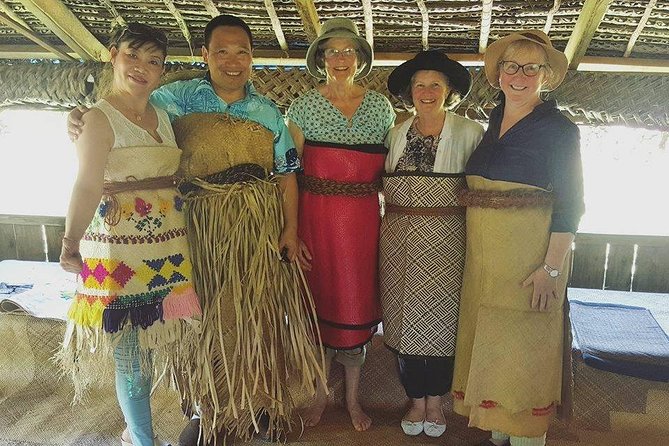
- Taste culture, not just talk: kava, light refreshments, and natural tea are part of the experience, not an afterthought.
- You learn daily-life details: plants for medicine, everyday food staples, and how traditional dress fits real life.
- Crafts with practical meaning: tapa making and weaving for taovala are explained in context, not as “just souvenirs.”
- A guided intro you can ask questions about: small group size makes it easier to connect with the guide.
- You may try on clothing for photos: at least one guide experience includes dress try-ons and picture time.
- Then you’re free to roam: after the tour, the rest of your Tongatapu day is yours.
Entering Ancient Tonga: what the experience actually feels like
This is a group culture tour designed as a quick but varied introduction to Tonga—meant to leave you oriented fast. You’ll start at Ancient Tonga and join an interactive guided session that moves through food, plants, and traditional crafts. Expect a steady rhythm: learn a concept, see or make something, then taste or try the related part of daily culture.
What I like about the structure is how it keeps connecting the dots. You aren’t just hearing that people once used certain plants—you’re seeing them and learning what they’re used for. You aren’t only being told about textiles—you’re learning how the mats (taovala) fit into life, and how weaving traditions connect to identity.
And because it’s only about 2 hours 30 minutes, it works for people who don’t want to lose their whole day on one activity. You get the core “first lesson” and then you can pivot to beaches, markets, churches, or whatever else you’re planning.
Lu, kava, and natural tea: the food part that gives context
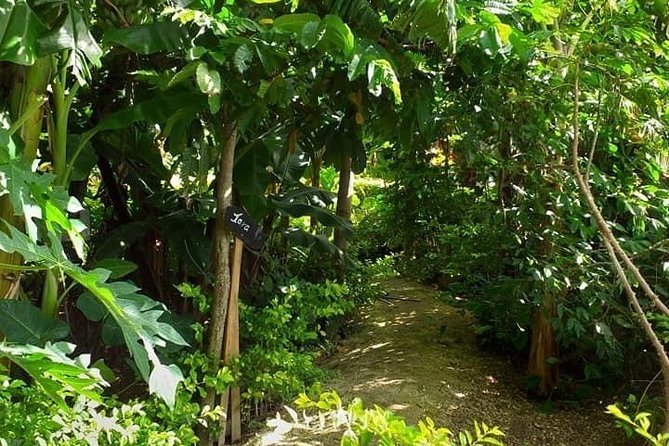
Food is the fastest path into any culture, and this tour uses that idea well. You’ll learn about traditional food, and at the end you’ll taste lu—a traditional meal that you also learn to prepare as part of the session. The goal isn’t culinary perfection. It’s understanding what makes a Tongan meal feel Tongan, from ingredients to the way food fits celebrations and everyday life.
Then there’s kava, the national drink. In this tour, kava tasting isn’t treated like a gimmick. It shows up alongside lessons about traditional medicine, plants, and everyday staples, so you understand why people take it seriously. You’ll also end with light refreshments and natural tea, which helps break up the strong flavors and keeps the experience from feeling like “only tasting, no teaching.”
Here’s the one thing to plan your expectations around: the lu at the end can be more filling than the wording “light refreshments” suggests. In one account, the lu portion was enough for dinner. So if you’re the type who gets hangry easily, arrive ready to eat—and don’t schedule a huge meal immediately after, just in case your lu is the sort that sticks around.
Tapa making and taovala weaving: seeing the meaning in the craft
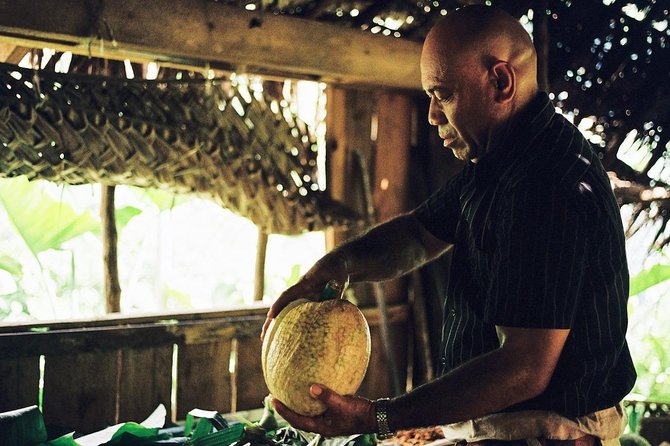
A big reason this tour works is that it focuses on crafts you’ll actually recognize in real life. Tapa making and weaving traditional mats are taught as living traditions, not museum pieces. You’ll learn and see the plants used in the process and understand how the materials connect back to the island environment.
For taovala, the mat you wear, the learning is especially practical. You’re not just shown the item—you’re taught what it is and why it matters. You’ll also learn how tapa and weaving fit into broader Tonga culture, including dress and presentation.
One detail that comes through strongly is the “try it” element. In at least one guide-led experience, dress try-ons and picture time were part of the fun. If that’s included during your run, it’s a great way to understand the flow of traditional dress and get photos that feel more personal than a standard standing pose.
Traditional medicine plants and beauty products: why this isn’t just trivia
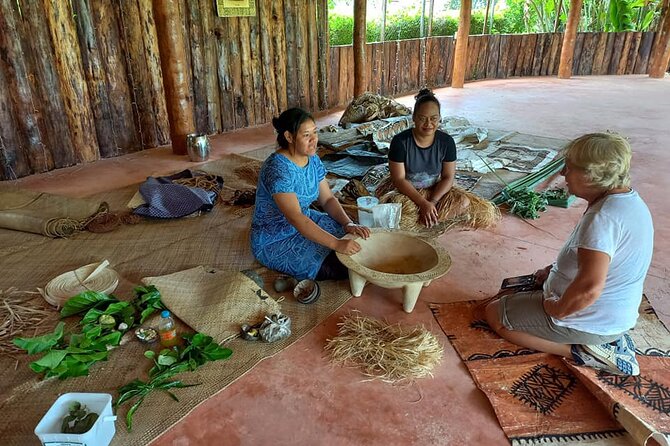
This tour spends real time on traditional medicine—and that’s where it gets interesting for people who normally skip “plant talk.” You’ll learn which plants are used for medicine and how the knowledge is tied to everyday choices, not just old stories.
Along the way, you’ll also hear about beauty products made using natural materials. That matters because it shows how tradition lives in modern routines. It’s not only about the past; it’s about how knowledge gets used.
What makes this part valuable is that it’s connected to tangible experience. Instead of vague descriptions, you see the plants and hear what they’re used for. Then you taste and drink as the tour moves forward, so the session feels like one coherent “system”: plants, care, food, and culture all in the same thread.
Kava, kava etiquette, and the pace of a group session
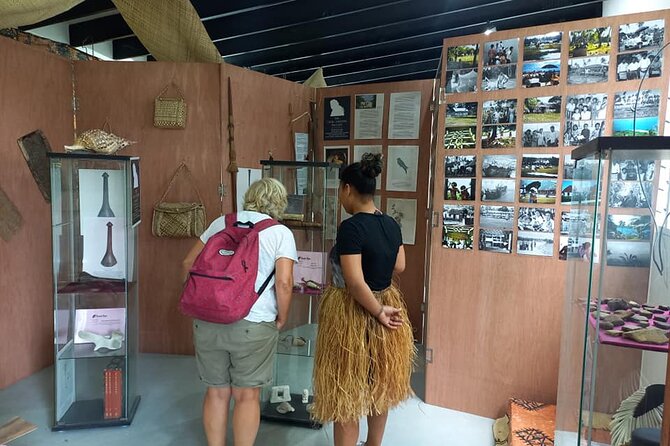
Kava sessions can vary from place to place, and here the structure keeps things moving. You’ll taste kava during the guide-led flow that also covers medicine and everyday life, so it doesn’t feel like a standalone lecture about one product.
Because it’s a small group with a maximum of 20 people, you’re less likely to get stuck silently in the back. The format gives you a better chance to ask basic questions as they come up—like what a plant is used for, how tapa is made, or what the role of taovala is in daily dress.
The trade-off is the same trade-off with any short group tour: you’ll get breadth more than depth. You’ll leave with a clear understanding of the big pieces, but it won’t replace a longer cultural class or a specialized workshop if that’s what you want.
Meeting point and how to get started without wasting time
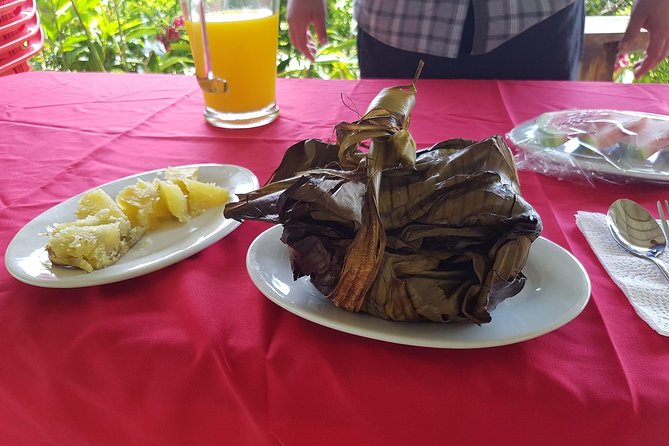
This tour starts at Ancient Tonga (VR4M+F26, Tamakautonga Rd, Nuku’alofa, Tonga) and ends back at the same meeting point. That’s helpful because you’re not scrambling to meet a different driver later or guessing where the activity will “probably end.”
The other practical win: it’s designed so you can find your guide at the departure point. In a small group tour, that simple clarity is huge—you spend less time wandering and more time getting value out of the limited hours.
You’ll also receive a mobile ticket, and confirmation happens within 48 hours of booking (based on availability). If you’re planning multiple activities on Tongatapu, this kind of timing helps you lock in your day without too much uncertainty.
Price and value: is $75 a fair deal for this much culture?
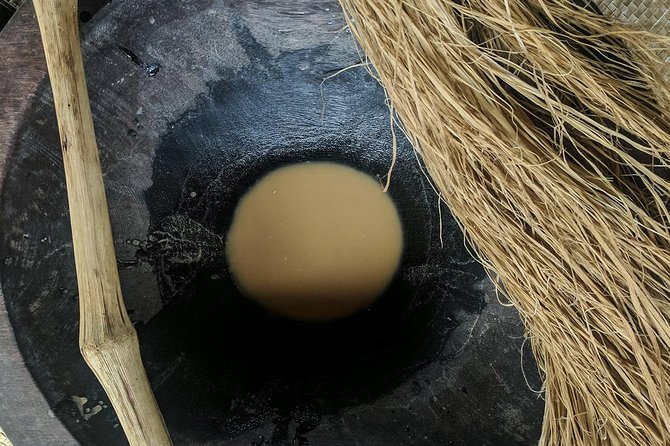
At $75 per person, you’re paying for a guided, structured introduction that includes admission and tastings. The pricing makes sense when you look at what’s bundled: interactive guiding, admission, kava tasting, natural tea, and lu tasting (plus the craft and plant-learning components).
Could you do some of these items on your own? Maybe. But the value here is the glue: a guide who explains what you’re seeing—plants used for medicine, tapa and weaving traditions, and why items like taovala show up in real daily life. For first-time visitors, that context is often the difference between “cool photos” and “I actually understand what I’m looking at.”
Also, the tour only takes about 2 hours 30 minutes. That matters for value because it keeps the rest of your day flexible. You’re not sacrificing your whole schedule just to get a basic culture orientation.
Who should book this tour on Tongatapu?
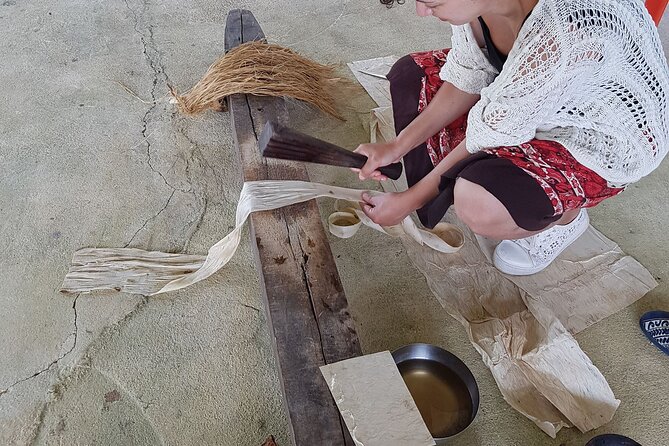
This fits best if you want a high-impact introduction without committing to a whole day. It’s ideal for:
- First-time visitors to Tongatapu who want a grounded sense of Tonga life
- People who enjoy hands-on elements like craft visuals and tasting experiences
- Anyone who likes culture explained through everyday materials—plants, food, dress, and drinks
- Small-group seekers who don’t want to blend into a giant crowd
It may be less ideal if you’re chasing one narrow theme. For example, if you only care about deep botanical science, you might want a specialized nature or research-style visit. If you only care about food tasting, you might still enjoy it, but you’d be paying for a lot of additional cultural context too.
Should you book this Ancient Tonga culture tour?
I think you should book it if you want Tonga culture that feels practical and real. The tour hits multiple “entry points” at once—craft traditions like tapa and taovala, plant-based knowledge for medicine, and food that includes lu, kava, and natural tea. It’s a short session with clear structure, and you get to be part of the experience, not just watch it.
Book it especially if you’re trying to make your first day on Tongatapu count. After the tour, you’ll have the rest of your day free, which makes it easier to pair with whatever else you’re excited about.
Skip it if you’re looking for a slow, highly detailed history course or an all-day workshop. This is an intro tour—good at breadth, not built for long-form specialization.
FAQ
How long is the Ancient Tonga culture tour?
The tour runs for about 2 hours (listed) and is approximately 2 hours 30 minutes in total.
How much does it cost?
It costs $75.00 per person.
Where does the tour start?
The meeting point is at Ancient Tonga, VR4M+F26, Tamakautonga Rd, Nuku’alofa, Tonga.
Is the admission ticket included?
Yes. An admission ticket is included.
What’s included in the tasting part?
You’ll taste kava, have light local refreshments, and try lu (a traditional meal). Natural tea is also included.
How large is the group?
The tour has a maximum of 20 travelers.
Is the ticket digital?
Yes. It’s a mobile ticket.
When will I get confirmation after booking?
You’ll receive confirmation within 48 hours of booking, subject to availability.
Can I cancel for a full refund?
Yes. Free cancellation is available if you cancel at least 24 hours before the experience’s start time.
Is this tour suitable for most people?
Most travelers can participate. The experience is described as broadly accessible.