REVIEW · TURIN
Turin: Stupinigi Palace UNESCO Site Guided Historical Tour
Book on GetYourGuide →Operated by Hidden Experiences · Bookable on GetYourGuide
Stupinigi Palace turns a hunting lodge into pure theater. In 90 minutes with a licensed guide, you’ll walk into the UNESCO Central Hall and then move on to the preserved Royal Apartments, where the palace’s luxury feels shockingly intact.
I also love how the tour strings the details together: Filippo Juvarra’s 1729 design as a leisure-and-hunt retreat, the Savoy family’s 18th- and 19th-century parties and marriages, and the later Napoleonic connection all land in your head as a clear story. One heads-up: some rooms can be closed on the day you go, and that can make the visit closer to 1 hour instead of the full 1.5.
In This Review
- Key things to look forward to
- Stupinigi Palace is a different kind of Turin landmark
- Your 90-minute plan: what you’ll see, step by step
- Meeting at Piazza Principe Amedeo: find the guide fast
- Entering the Central Hall: where the palace’s purpose shows
- Royal Apartments and museum rooms: luxury with a story attached
- The Juvarra hunting-lodge idea: why 1729 isn’t random
- Savoy royal family stories you can actually picture
- Napoleon at Stupinigi: the timeline you’ll remember
- Price and value: is $147 for 90 minutes worth it?
- Who should book this Stupinigi Palace tour
- Practical tips so you get the most from your hour-and-a-half
- Small-group energy: why max 10 matters here
- Should you book it?
- FAQ
- How long is the Stupinigi Palace guided historical tour?
- What’s included in the tour price?
- Is this a small group tour?
- What’s the meeting point?
- Which languages are offered?
- Is food or drinks included?
- Is hotel pick-up and drop-off included?
- Is the tour wheelchair accessible?
- What are the cancellation and payment options?
- What parts of Stupinigi Palace will the tour focus on?
Key things to look forward to
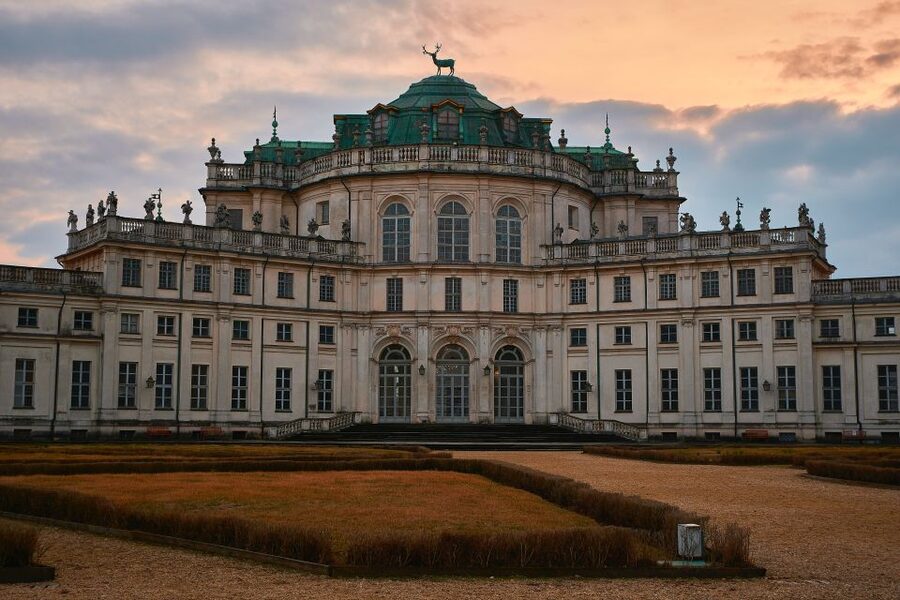
- UNESCO Stupinigi Palace with a real guide, not just a self-paced ticket
- Central Hall + Royal Apartments as the core experience inside the palace
- The 1729 Juvarra hunting-lodge concept explained in plain terms
- Savoy family stories tied to parties, solemn marriages, and court life
- Napoleon’s residence period placed into the palace timeline
- Small group (max 10) for a more personal pace and questions
Stupinigi Palace is a different kind of Turin landmark
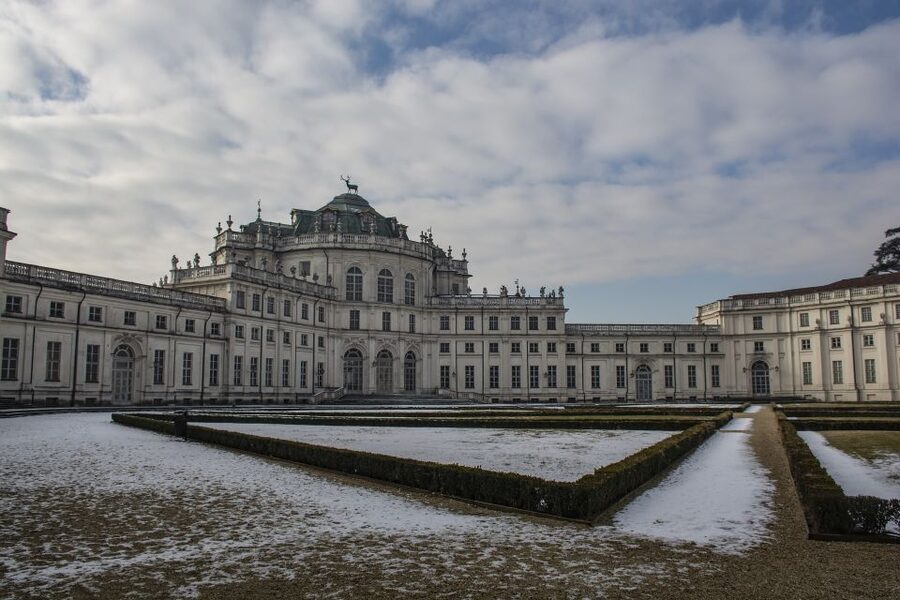
Turin has no shortage of grand palaces, but Stupinigi hits differently. This one was built in 1729 by Filippo Juvarra as a hunting lodge and a place of leisure. That origin matters, because the tour doesn’t treat the building like a museum object from far away. It frames the rooms as spaces people used—sometimes for fun, sometimes for big ceremonies.
What you get from this guided format is context. The palace stops being a photo op and starts feeling like a working stage set for royal life. And because the site is UNESCO-listed, you’re seeing a place that’s recognized for cultural importance, not just local pride.
You can also read our reviews of more tours and experiences in Turin.
Your 90-minute plan: what you’ll see, step by step
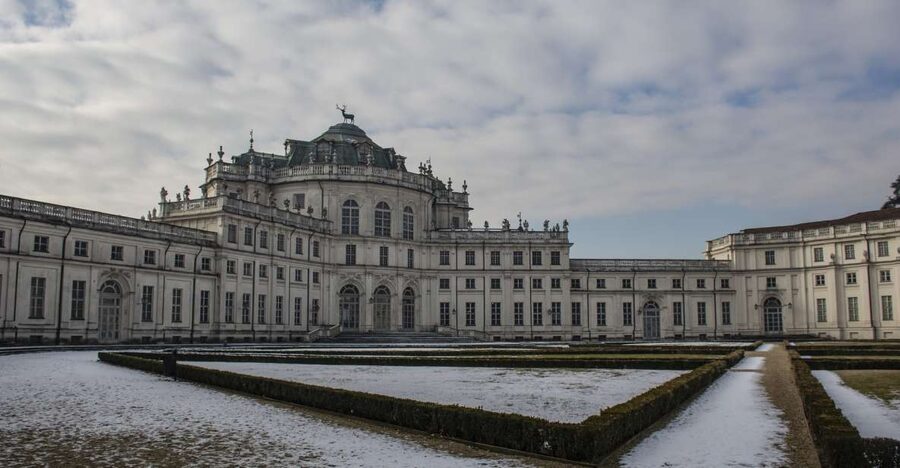
This is a 1.5-hour guided tour designed to move at a steady, watchable pace. You don’t get the whole palace in one sitting, but you do get the most meaningful parts and the story that connects them.
Typically, the flow goes like this:
- You start at the main entrance area and meet your guide.
- You go into the palace to reach the Central Hall.
- From there, you move on to the Royal Apartments and museum rooms.
- Along the way, the guide explains how the palace was used by the Savoy royal family and later by Napoleon.
The key here is focus. In a short time, your guide helps you understand what you’re seeing rather than letting you guess.
Meeting at Piazza Principe Amedeo: find the guide fast
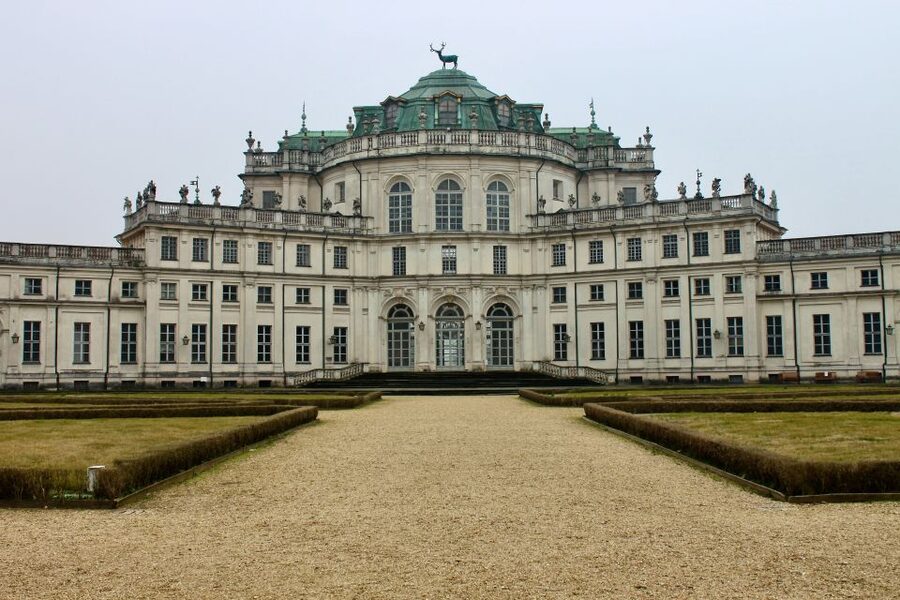
You’ll meet in front of the gate of the main entrance of Stupinigi Palace at Piazza Principe Amedeo, 7 – 10042 Stupinigi – Nichelino (TO). Look for the guide holding the Italy Hidden Experiences signboard.
This is practical for two reasons. First, it cuts down on wandering. Second, it helps you get oriented before you step inside—especially important when you’re visiting a large, formal palace complex where “where do I go?” can waste time.
Entering the Central Hall: where the palace’s purpose shows
The Central Hall is one of the best places to start because it sets the tone. This isn’t just an impressive room; it’s a junction point in the palace experience. You’ll walk across it and feel how the space is designed to handle movement, meetings, and ceremony.
For me, the appeal is that the hall makes sense of the palace origin. A hunting lodge still needed grandeur. The guide’s job is to show you why that’s not a contradiction. Instead of being stuck in “look but don’t touch” mode, you get the human angle: why the Savoy court would gather in places like this, and how the architecture supported their routines and celebrations.
Royal Apartments and museum rooms: luxury with a story attached
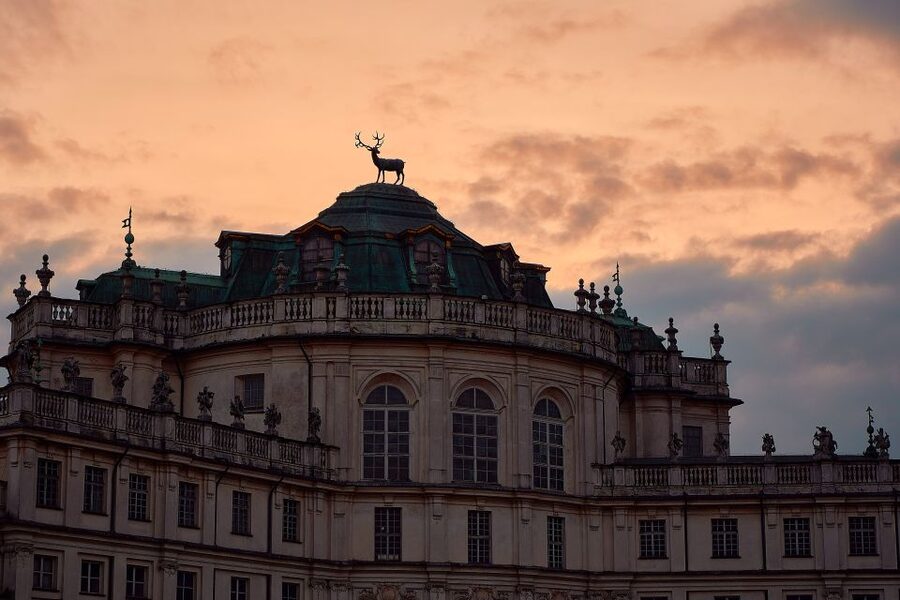
After the hall, you go into the palace’s Royal Apartments and museum areas. This is where you’ll notice the preserved furnishings and the layered decorative choices that make the building feel lived-in, even if it’s now a heritage site.
The tour keeps the focus where it should be: not on vague admiration, but on what you’re looking at and what it was meant to communicate. Royal apartments are basically political theater in furniture form. When a guide points out the style and the significance of what’s preserved, the rooms start to read like evidence of court life, not just decoration.
The museum portion also matters because it helps fill in gaps you might otherwise miss. If you only walk the big public spaces, you’d get one version of the palace. With the guided route, you get another version—more intimate, more about how the Savoy family lived.
The Juvarra hunting-lodge idea: why 1729 isn’t random
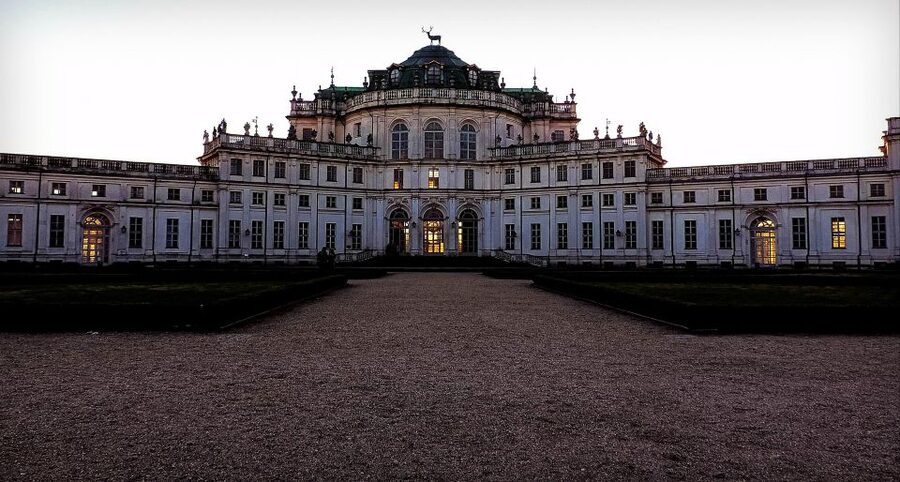
The palace’s backstory is anchored in one name and one year: Filippo Juvarra, 1729. The tour explains that Stupinigi was built as a hunting lodge and a leisure residence. That means the palace wasn’t meant to be only a ceremonial showpiece; it was also a functional retreat for elite leisure.
I like when guides treat this as more than a trivia bullet. When they connect the hunting-lodge purpose to the way the palace is laid out, the buildings stops feeling like a giant puzzle. You start to see a logic: spaces that support the rituals of court life, alongside the idea of escape into nature and sport.
And if you’re the type who enjoys architecture when someone points out the “why,” you’ll probably enjoy this part a lot.
Savoy royal family stories you can actually picture
The guide doesn’t just mention the Savoy family; the tour places them into scenes. Expect stories tied to spectacular parties and solemn marriages during the palace’s peak in the 18th and 19th centuries. That’s a helpful framing because it tells you what to look for when you’re standing in rooms built for these moments.
One reason this tour earns strong praise is the way the guide storytelling lands. In past visits, guides like Alessandro have been described as very prepared and friendly, and Mirella has been called exceptionally capable. That matters because palace history can turn dry fast—unless the person leading you keeps it grounded in vivid, easy-to-follow details.
Also, the small-group format (max 10) helps here. When you can ask a question without feeling rushed, the story becomes interactive. The best tours don’t just lecture; they help you connect the dots.
Napoleon at Stupinigi: the timeline you’ll remember
Another standout is the Napoleonic chapter. The tour explains Stupinigi wasn’t only a Savoy setting. It was also used as a residence by Napoleon.
This is where the guided approach pays off. A lot of palace visits feel like separated “chapters” unless someone threads them together for you. With Napoleon included, the palace feels like it mattered across different regimes and eras—not just as a single-family monument.
If you care about how power shifts in Europe left physical marks, you’ll appreciate having that link spelled out clearly during your time inside.
Price and value: is $147 for 90 minutes worth it?
At $147 per person for about 1.5 hours, this isn’t a budget ticket. But you should judge value by what’s included and how the time is used.
You’re paying for:
- Entry tickets
- A licensed guided tour
- A small group capped at 10 participants
For a UNESCO palace visit, that combination matters. You’re not just buying access. You’re buying someone to interpret the building quickly and accurately, so you don’t waste time trying to figure it out yourself. If you’re traveling with limited time in the Turin area, that interpretation has real value.
The one caution for value is that the palace visit can sometimes run shorter if parts are closed on that day. If you’d be disappointed by a reduction in time, consider having a flexible mindset. A tight schedule can make any shortened visit feel disappointing, even when the guide still does a good job.
Who should book this Stupinigi Palace tour
I’d point you toward this tour if you:
- Like palace interiors more than street-level sights
- Want the Savoy and Napoleonic stories connected to rooms, not tossed in randomly
- Prefer small groups and guided pacing over “wander and hope”
- Enjoy history when it’s explained in plain language (this one is built for that)
You might skip it if:
- You only want a long, self-paced walk through every room
- You’re hoping for a full “see it all” route regardless of closures
- You dislike structured tours and want total freedom
Practical tips so you get the most from your hour-and-a-half
This tour is short, so your best move is to show up ready.
- Wear comfortable shoes. You’ll move through palace spaces with museum-style routes.
- Bring layers. Palaces can swing between cooler interior air and warmer outdoor conditions.
- Keep your pace steady. The tour is designed around an efficient sequence—if you fall behind, you’ll lose the story flow.
- Plan food around it. Food and drinks aren’t included, so you’ll want to handle snacks or meals separately before or after.
If you’re doing this as part of a bigger Turin day, build in a little buffer. Even with a fixed meeting point, palace timing can be affected by what’s accessible inside.
Small-group energy: why max 10 matters here
The max 10 participants detail isn’t just marketing. In a palace, the difference between a 25-person group and a smaller group is whether you can hear and whether your guide can adjust on the spot.
With fewer people:
- You get a calmer pace
- Questions are easier to fit in
- The guide can spend time on the pieces that matter most
That’s also why strong guide performances stand out. When Alessandro or Mirella is leading, it’s easier for their preparation and personality to come through in the room.
Should you book it?
If you want a focused, story-led introduction to UNESCO Stupinigi Palace, I’d say book it. The price is fair for what’s included—entry tickets plus a licensed guide—and the route is built to help you understand the palace quickly: Central Hall, Royal Apartments, the Juvarra 1729 hunting-lodge origin, and the Savoy and Napoleonic timeline.
My main reason to hesitate is simple: if you’re the type who feels shortchanged by a reduced visit, make sure your schedule can handle a possible shorter run if some rooms are closed. Otherwise, this is one of the better ways to see Stupinigi without spending your whole visit trying to decode what you’re looking at.
FAQ
How long is the Stupinigi Palace guided historical tour?
The tour lasts 1.5 hours.
What’s included in the tour price?
It includes entry tickets, a licensed guided tour, and a small group experience.
Is this a small group tour?
Yes. The group size is capped at a maximum of 10 participants.
What’s the meeting point?
Meet in front of the gate of the main entrance of Stupinigi Palace, Piazza Principe Amedeo, 7 – 10042 Stupinigi – Nichelino (TO). Look for the guide with the Italy Hidden Experiences signboard.
Which languages are offered?
The live guide is available in Italian, English, French, German, and Spanish.
Is food or drinks included?
No, food and drinks are not included.
Is hotel pick-up and drop-off included?
No. Hotel pick-up and drop-off are not included.
Is the tour wheelchair accessible?
Yes, the activity is wheelchair accessible.
What are the cancellation and payment options?
You can cancel up to 24 hours in advance for a full refund, and you can reserve and pay later to keep your plans flexible.
What parts of Stupinigi Palace will the tour focus on?
You’ll see the Central Hall and go inside to the Royal Apartments, plus museum areas with preserved furnishings and masterpieces, with stories covering the Savoy royal family and Napoleon.