REVIEW · GALWAY
Aran Knitting, History and Heritage in the Burren
Book on Viator →Bookable on Viator
Cables meet folklore in Ireland’s knitting shed. On Faerie Fort farm in Crannagh, I like that Stephanie gives patient one-on-one help as you work through hands-on cable knitting. You also get a history lesson tied to the land, and you’ll be able to follow stitch meanings and see real pattern examples. The only catch: in about 2 hours, you’ll knit a prepared cable section, not a full sweater.
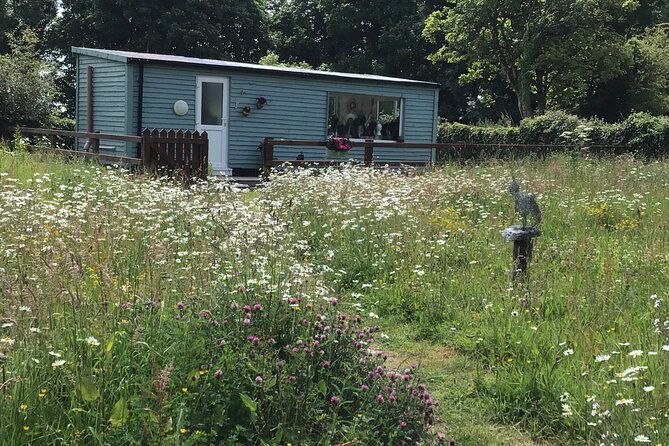
This class takes place in a garden studio beside a 1000-year-old fairy fort behind a thatched cottage. I also love the fact that the experience doesn’t feel like a lecture—there’s downtime built in, with smoked salmon on homemade brown bread, porter cake, tea, coffee, and herbal teas served at your convenience.
You’ll meet in Crannagh (H91 KVY6) and head back there at the end. It’s a private, mobile-ticket experience, so it’s geared to your group rather than a big cattle-car craft class.
In This Review
- Key things to know before you go
- Faerie Fort farm: the setting that makes Aran knitting feel real
- Before you knit: origins of Aran knitting and what the patterns mean
- Wool talk that saves you from itchy mistakes
- Stitch patterns, cable structures, and designing your own sweater
- The hands-on part: knitting your prepared cable pattern
- Food and tea breaks that actually help you learn
- Duration, meeting point, and what the two hours are really for
- Who this is best for (and who might want a different class)
- Is $78.27 good value for Aran knitting in the Burren?
- Tips to get the most out of your cable knitting class
- Should you book Aran Knitting, History and Heritage in the Burren?
- FAQ
- Where does the Aran knitting experience start?
- How long is the experience?
- Is this a private tour?
- What happens during the knitting session?
- What food and drinks are included?
- Is there free cancellation?
- Are service animals allowed?
Key things to know before you go
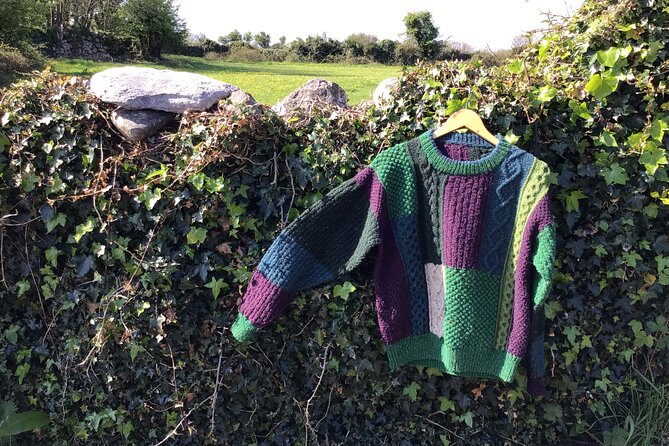
- A fairy-fort setting tied to local heritage: the studio sits next to a 1000-year-old fairy fort on a long-running family farm.
- Aran knitting origins and stitch meanings: you’ll learn where Aran knitting came from and what different stitch patterns can represent.
- Cable pattern practice with guidance: you’ll knit a prepared cable pattern during the session.
- See examples, then plan your own: you’ll review multiple cable and stitch patterns and talk through how to design a sweater.
- Food that feels Irish and homemade: smoked salmon on brown bread, porter cake, plus tea, coffee, and herbal teas.
- You get more than watching: one-on-one teaching and pattern help are part of the experience, including support for first-timers.
Faerie Fort farm: the setting that makes Aran knitting feel real
Aran knitting can be learned anywhere with a set of needles and a few diagrams. But this experience adds something you can’t download: place. The garden studio sits right next to a 1000-year-old fairy fort, behind a thatched cottage, on a working family farm. When you’re told the area’s knitting heritage and you can literally look at the surroundings while you learn, the craft stops being just a pastime and starts feeling like local knowledge.
The host, Stephanie, comes at this from a farmer’s perspective. She’s a 4th generation farmer and explains how the heritage of the area connects to what people wore, how patterns were developed, and why knitters bothered with so much detail. That matters because Aran sweaters aren’t only about warmth. They’re about structure, repetition, and pattern—things that mirror rural life: steady work, practical materials, and attention to what lasts.
One detail I like here is how the teaching is built around you doing the work. This isn’t a museum-style talk where you stand back and take notes. You’ll move from history and pattern explanations into actually knitting a cable section, with instruction paced to your group.
You can also read our reviews of more historical tours in Galway

Before you knit: origins of Aran knitting and what the patterns mean
The session starts with the story. Stephanie explains the origins of Aran knitting, and she doesn’t treat it like a random craft fad. She connects it to the heritage of the Burren area and the way people used textiles and pattern to build identity in everyday life.
Then comes the part that helps your hands understand what your eyes are seeing: stitch meanings. You’ll go over a variety of stitch patterns and discuss what different patterns can represent. Even if you don’t plan to follow those meanings forever, you’ll still benefit. When you know why a stitch pattern exists, it’s easier to remember it, easier to spot it in a chart, and easier to troubleshoot when your work doesn’t look right.
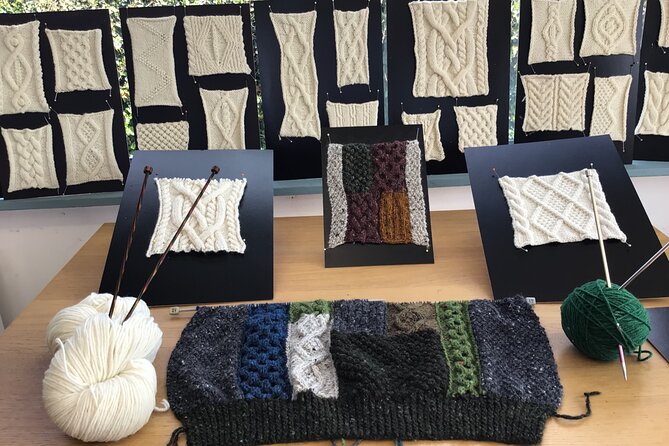
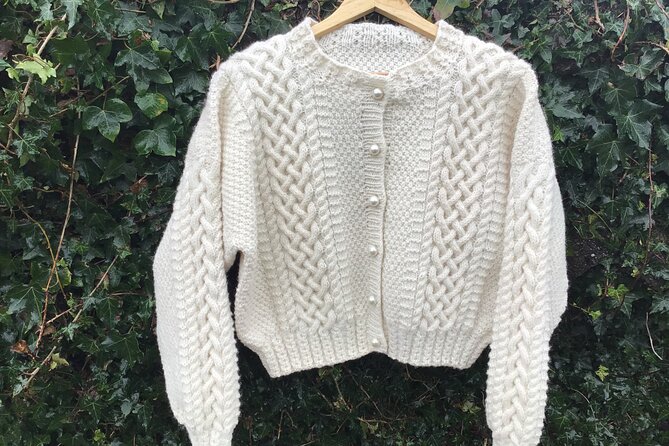
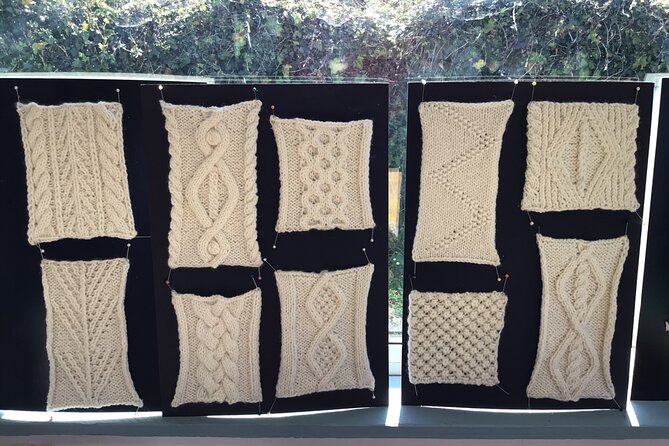
You’ll also see examples of cable and other stitch patterns. This is important for value. If you’ve only ever seen one cable example online, you might think cables are a single technique. Seeing multiple designs helps you understand how cables are built—what changes the look, what stays consistent, and how pattern repeats give you that classic Aran rhythm.
Wool talk that saves you from itchy mistakes
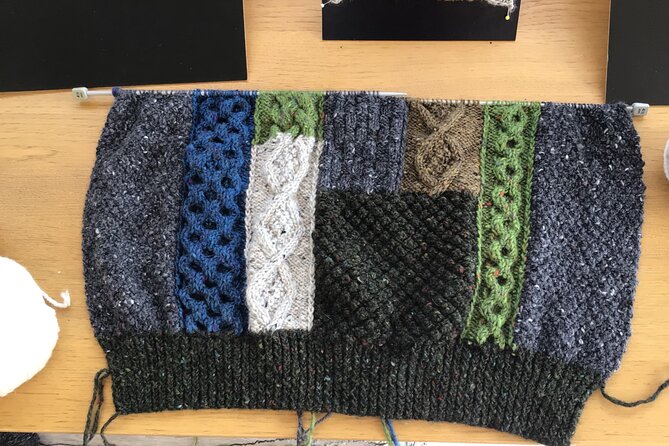
Aran knitting lives and dies by wool choice, and the session does cover what to expect in terms of the types of wool available. That’s a practical advantage, because wool affects comfort, drape, and how cables “read” on the finished sweater.
Here’s how I’d use this part of the lesson when you get home: treat yarn selection as part of the design process, not an afterthought. If you want cables to look crisp, you need enough structure in the yarn. If you want something for everyday wear, comfort matters. You’ll learn what’s on the table, and you can make better decisions about your next project instead of buying blind and hoping.
You don’t have to become a yarn snob. But you do want to avoid the common beginner trap: choosing a yarn that fights the pattern. When someone explains what’s typical and what to look for, you’ll be less likely to end up with a finished piece that doesn’t behave the way the pattern suggests.
Stitch patterns, cable structures, and designing your own sweater
After the introductions and examples, Stephanie walks you through how stitch patterns fit into sweater design. You’ll discuss how you can design your own sweater, not just copy a finished one.
This is where the experience feels especially useful. A lot of “craft classes” teach you one technique and then send you home with a vague lesson like good luck. Here, you’re getting the framework: how stitches and cables combine, how pattern choices affect the final look, and how you can translate pattern ideas into something you plan rather than something you stumble into.
You’ll likely leave with a more confident sense of what changes in a chart actually do to the sweater. For example, with cables, small differences in how many stitches cross, how often the cross happens, and how the cable is framed with background stitches can dramatically change the look. That’s exactly the kind of detail that becomes obvious when you’ve spent time seeing pattern examples and discussing the components.
And because Stephanie explains the meanings of a variety of stitch patterns, you’ll get ideas for ways to personalize. Even if you don’t follow tradition strictly, you can use the logic behind the designs.
The hands-on part: knitting your prepared cable pattern
Now for the main event: you knit. You’ll work on a prepared cable pattern, guided step by step. This is the moment where the whole lesson comes together.
The best part is that the session is set up so you’re not stuck on your own. A key theme from the experience is that Stephanie works with people directly and patiently, including people who are new to knitting. If you’ve never tackled cables before, you still have a realistic chance to make progress without feeling lost.
Cables can intimidate beginners because they look complicated on paper. But the method is repeatable once you understand the structure. During class, you’ll learn how the cable pattern moves stitch by stitch and how it repeats. You’re also working with a prepared pattern, which keeps the session focused on learning rather than time spent figuring out what the instructions even mean.
What you get by the end is more than just a nice souvenir. You get muscle memory for cable crossings and a clearer path for reading stitch charts and pattern notes next time. That’s what makes it worth doing even if you think you’ll only knit casually.
Food and tea breaks that actually help you learn
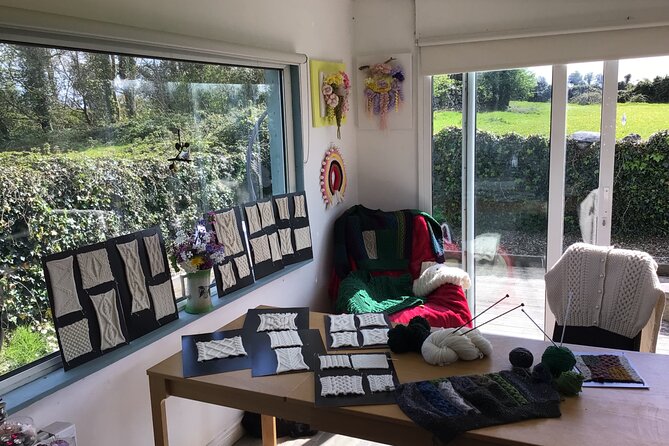
This is one of those experiences where the snack isn’t a random add-on. Food is served at your convenience during the session, so you can take a breather without the awkward feeling of being rushed.
You’ll be served smoked salmon on homemade brown bread, along with traditional Irish porter cake. Tea, coffee, and herbal teas are also available. If you’ve ever taken a class that makes you feel like you need to choose between learning and eating, you’ll appreciate this pacing.
Practical angle: hydration and a quick sugar hit can matter when you’re concentrating on stitches. Knitting demands attention to small details. A calm, comfortable break helps your brain reset, and then you come back to the pattern with better focus.
Duration, meeting point, and what the two hours are really for
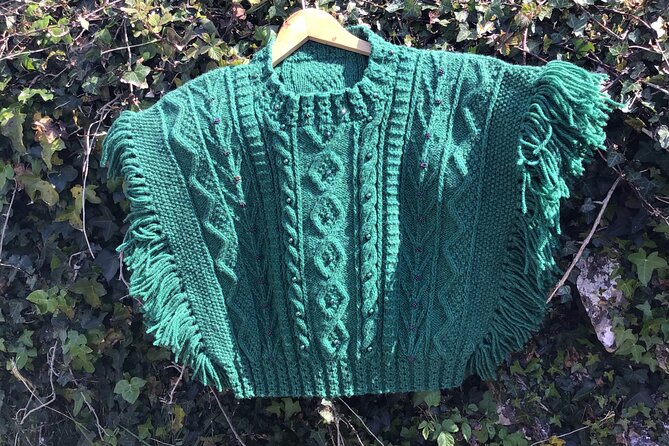
The tour runs about 2 hours. That time window is short on purpose. Aran knitting is hands-on, but it’s also easy to overplan a session until people feel behind.
So here’s the realistic expectation: in 2 hours, you’ll work a prepared cable section and learn the key parts of the system—origins, stitch meanings, cable examples, and how design decisions come together. You won’t finish a full sweater in one sitting, and that’s fine. This is a launchpad. It’s built to give you a solid “how it works” base so your next project is more confident.
You’ll meet in Crannagh, County Galway (H91 KVY6), and the activity ends back at the meeting point. That keeps things simple for your schedule. If you’re staying in Galway or nearby, plan your day so you can arrive without stress and stay relaxed enough to knit.
Who this is best for (and who might want a different class)
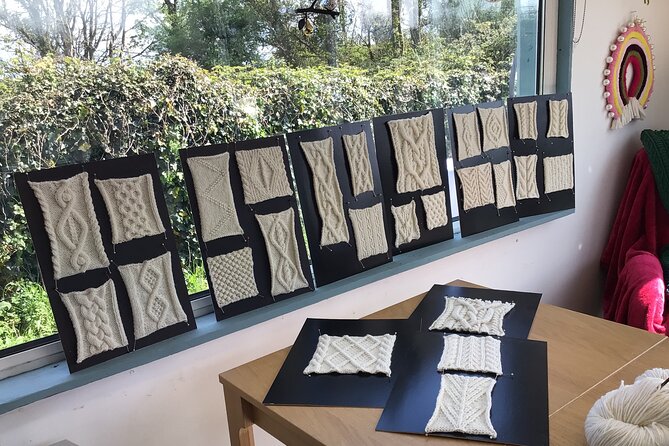
This experience fits best if you want an authentic, local craft setting with real teaching—not just needle time.
It’s a great match if:
- you’re curious about Aran knitting history and stitch meanings
- you’d like to practice cables with guidance
- you want a class in a working farm setting with a heritage story attached
- your group includes beginners, since one-on-one support is a strong part of the experience
It may be less ideal if:
- you’re only looking for a quick souvenir and not interested in learning patterns
- you expect to walk away with a completed sweater rather than a learned technique and cable practice
Also worth noting: most travelers can participate, and service animals are allowed. If you need an extra moment to settle in, this style of small, private teaching tends to handle it better than bigger group workshops.
Is $78.27 good value for Aran knitting in the Burren?
At $78.27 per person for about 2 hours, the question isn’t just whether the price is low or high. It’s what you get for the money.
Here’s what makes the value feel strong:
- You’re in a private setting for your group, not competing for attention.
- You get direct instruction while knitting, including support for people who are new.
- You learn stitch meanings and see examples of cables and patterns, not only one technique.
- You’re fed. The smoked salmon on homemade brown bread, porter cake, and drinks aren’t “optional extras.” They’re part of the experience flow.
- You come away with pattern guidance. The experience includes providing patterns to help you keep going after you leave.
If you’ve ever paid for a class where the instruction is rushed and the materials are basic, this has a different feel: more thoughtful teaching, more time on the stitches, and a calmer pace with food built in.
So yes, I think it’s fair value—especially if you’re the kind of traveler who wants a skill you can actually use later.
Tips to get the most out of your cable knitting class
You’ll enjoy this more if you treat it like a skill session, not a performance.
- Arrive with a beginner mindset if you’re new. Cables reward patience.
- Use the history and stitch-meaning part to connect the craft to the patterns you see during class.
- Slow down when you’re working the cable steps. The goal is learning the sequence, not speed.
- Ask Stephanie questions as you go. The best lessons happen in the moments when you’re stuck and someone clarifies the next step.
And if your group includes more than one skill level, this experience tends to work well because the teaching can adjust to different paces.
Should you book Aran Knitting, History and Heritage in the Burren?
Book it if you want a hands-on Aran knitting experience with real context—learn where the stitches come from, practice a cable pattern with support, and enjoy homemade Irish food in a setting next to a fairy fort. It’s also a strong pick for mixed groups, including people who haven’t knitted before.
Skip it if you’re only after a quick craft demo or if you truly need a full finished sweater by the end. This is about learning the system and getting your next project started with confidence.
If you’re in Galway or planning a Burren day, this is the kind of activity that turns your trip into something you can carry home: not just photos, but a technique and a pattern you understand.
FAQ
Where does the Aran knitting experience start?
The tour starts in Crannagh, County Galway (H91 KVY6, Ireland).
How long is the experience?
It lasts about 2 hours.
Is this a private tour?
Yes. It’s private, and only your group participates.
What happens during the knitting session?
You’ll learn the origins of Aran knitting, look at wool options and stitch meanings, see examples of cable and stitch patterns, and then knit a prepared cable pattern.
What food and drinks are included?
You’ll be served smoked salmon on homemade brown bread, traditional Irish porter cake, tea, coffee, and herbal teas.
Is there free cancellation?
Yes. You can cancel up to 24 hours in advance for a full refund.
Are service animals allowed?
Yes. Service animals are allowed, and most travelers can participate.