REVIEW · SAPPORO
Authentic Sapporo: Nijo Market Seafood Lunch & History Tour
Book on GetYourGuide →Operated by Ezosika Travel Co., Ltd. · Bookable on GetYourGuide
Sapporo has a food heartbeat, and this tour tracks it street by street. You start at the Sapporo Clock Tower, then move through the city’s landmarks, the Sosei River area, and end with a fresh seafood lunch at Nijo Market. Along the way, your guide ties it together with early settlement stories and local connections you can actually use while you travel.
I especially like two things: the lunch at Nijo Market (seafood sushi or donburi) and the way the route explains why Sapporo grew the way it did. I also like that you get included Sapporo TV Tower entry, so you’re not just walking past views.
One caution: this is a walking-focused morning, and the lunch is seafood. If you have food allergies, you must inform the operator in advance, and if you’re vegan, this one likely won’t work for you.
In This Review
- Key Things That Make This Sapporo Tour Worth Your Time
- Getting Oriented at the Sapporo Clock Tower and City Hall
- TV Tower Entry and Views: The Photo Stop That Actually Helps
- Sosei River and the Bridge Walk: Early Sapporo in Human Scale
- Hokkaido Jingu Tongu: A Shrine With Local Belonging
- Nijo Market Seafood Lunch: Sushi or Donburi Done Right
- The Sosei East Area Angle: Seeing What’s Not on Every Checklist
- Small Group Size: Better Questions, Less Waiting
- Price and Value: What $61 Covers in Real Terms
- Kotobuki Coffee: A Local Break After the Market
- Who Should Book This Sapporo Tour
- Should You Book This Sapporo Tour?
- FAQ
- Where does the tour start?
- Who will I meet, and how do I find them?
- How long is the tour?
- What’s included in the price?
- What kind of lunch is served at Nijo Market?
- Is this tour suitable for vegans?
- What should I bring?
- Is it a small group?
- Can I cancel for a full refund?
Key Things That Make This Sapporo Tour Worth Your Time
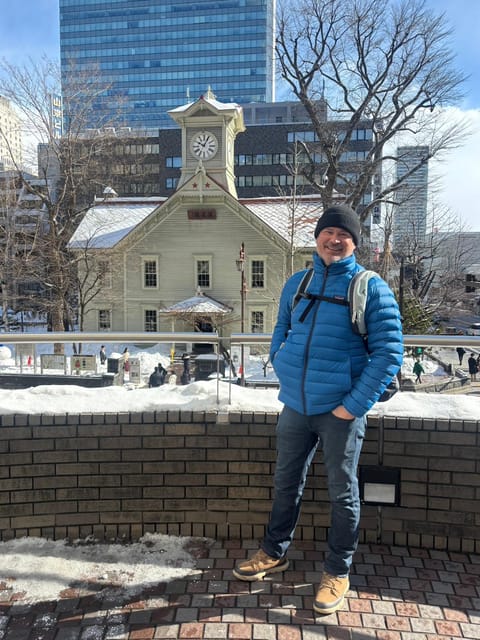
- Nijo Market seafood lunch with a local rhythm: sushi or donburi at a neighborhood restaurant
- Sosei River early-years storytelling: learn about Sapporo’s very early age on foot
- Hokkaido Jingu Tongu shrine visit: a place loved by the local community
- TV Tower entry included: photo stop plus scenic time without extra tickets
- Small group, up to 8 people: easier questions and a calmer pace
- Guides like Tom and Iku: friendly English delivery with great photo timing
Getting Oriented at the Sapporo Clock Tower and City Hall
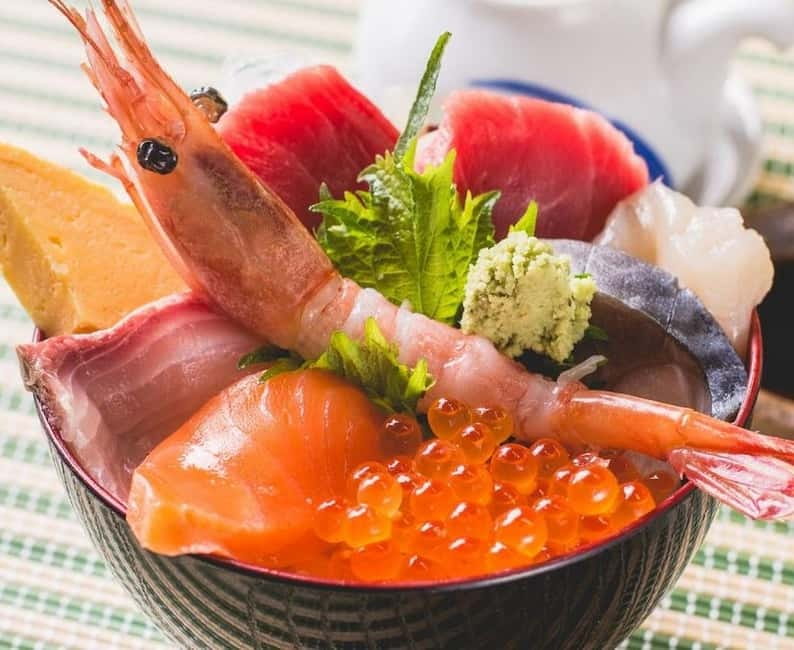
Your tour begins at the Sapporo Clock Tower, which is a smart first move. It’s central, easy to find, and it instantly gives you a mental map of where you are in the city. Your guide will be holding a board that says KAPPO SAPPORO and may have a mic, so you’re not guessing who to follow.
From there, you pass through short guided sections that help you read the area like a local. You’ll visit Sapporo City Hall and take in a photo stop or guided walk moments that connect the landmark with the city’s growth. The pacing here matters. You’re not stuck in one place for a long lecture. Instead, you’re building context while your feet are moving, so each stop feels like part of one story.
A small practical tip: wear comfortable shoes and plan for continued walking. The tour is only 150 minutes, but it’s not a sit-and-watch experience. If your day in Sapporo is already jam-packed, treat this as your guided “setup” time. By the end, you’ll understand what you’re seeing when you return later on your own.
TV Tower Entry and Views: The Photo Stop That Actually Helps
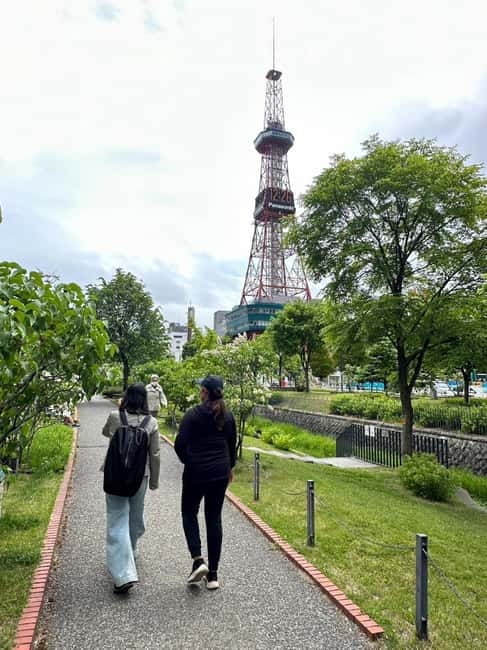
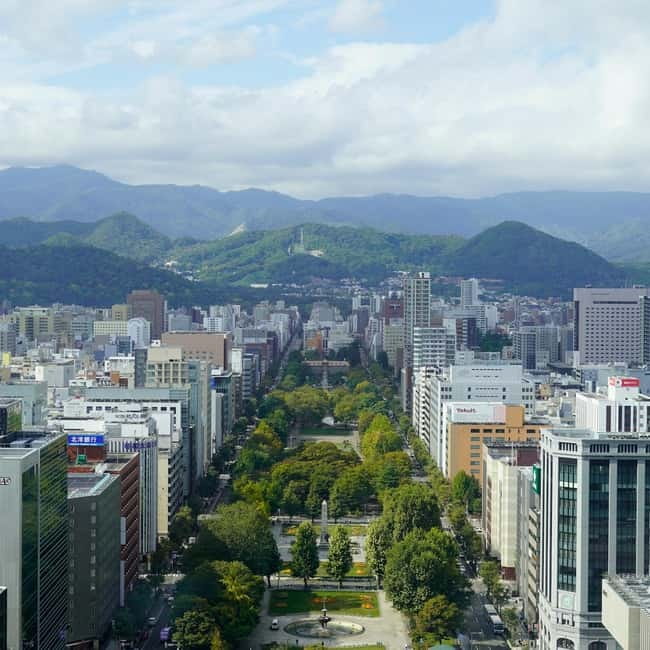
Next up is Sapporo TV Tower. The tour includes entry tickets, and that’s a big value point for the price. It’s one of those spots where the view isn’t just a postcard moment. It helps you connect the neighborhoods you’re about to walk through with the bigger city layout.
Expect a mix of:
- photo time,
- guided tour,
- and free time for your own photos and scenic pauses.
You’ll also get scenic viewing along the way, which is a nice touch because Sapporo has a way of looking different from street level versus higher angles. If you like taking pictures, this is the moment to do it with energy, not rush.
The only downside is time pressure. You have a set slot, so if you’re the type who wants to linger, you’ll need to choose your angles quickly. Still, for most people, the included TV Tower time is exactly the kind of “worth paying for” sightseeing that keeps the tour from feeling like a simple stroll.
Sosei River and the Bridge Walk: Early Sapporo in Human Scale
The route then shifts into the heart of the story: the Sosei River area. This is where the tour becomes more than sightseeing. Your guide walks you along the river and explains Sapporo’s very early age, giving you background that makes later stops click.
Why this matters: rivers are never just scenery. They’re part of how a city feeds itself, moves goods, and organizes daily life. When you walk along the Sosei River with a guided narrative, you start to notice what you normally miss. The river becomes a timeline in your head, not just water beside a walkway.
At the Sosei Bridge, you get that short, satisfying transition point. It’s an easy place to reset your bearings, grab a photo, and mentally connect what you just learned with what you’re about to visit next.
If you’re traveling with camera gear, this is a good segment for it. The walk is practical, the views help your photos, and the story context makes your images more meaningful afterward.
Hokkaido Jingu Tongu: A Shrine With Local Belonging
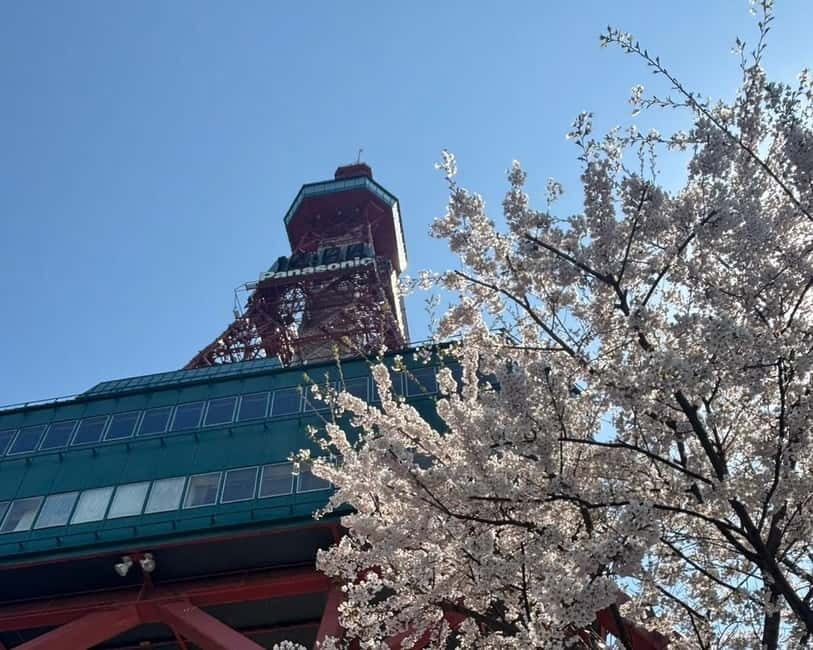
Then you head to Hokkaido Jingu Tongu, described as a historical shrine loved by the local community. I like shrine visits when they’re more than checklist stops, and this one is built for that. You’re not just walking into a quiet space; you’re learning how locals relate to it.
This part of the tour sits in the time slot between the bridge area and Nijo Market, which is perfect. It breaks up the walk with a calmer, cultural stop before the main food moment. Also, the route timing helps you avoid the common problem where you arrive at major food places too early or too late. You land at the market area ready to eat.
A realistic note: this is a walking tour with a cultural visit, not a slow contemplative experience. If you want long pauses, you’ll still get some guided context and time on site, but you’re moving as a group. Bring water and keep your energy steady so you enjoy the shrine stop without feeling rushed.
Nijo Market Seafood Lunch: Sushi or Donburi Done Right
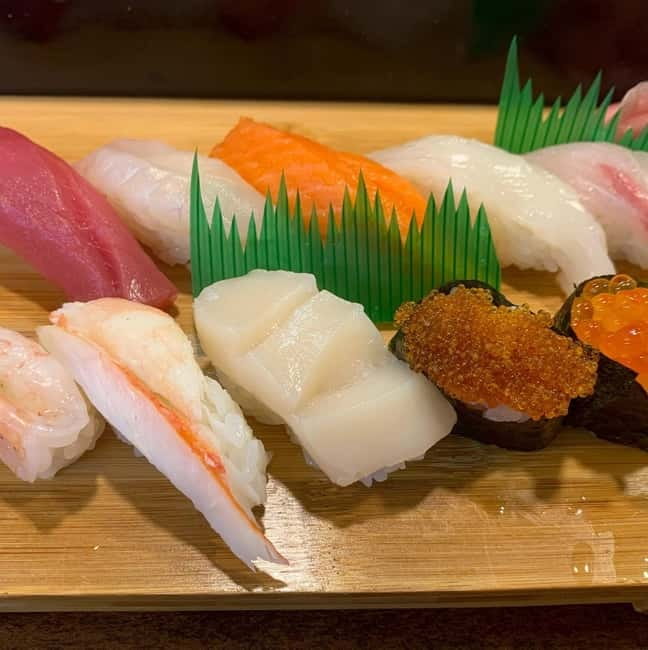
The big finish is Nijo Market, the tour’s featured lunch stop. You arrive around midday and spend time there, including lunch and a bit of free time. The market is often described as the citizens’ kitchen, and the tour framing helps you see why that matters.
Lunch is fresh seafood, with two options: sushi or donburi. That choice is valuable. If you love variety and want bite-sized pieces, sushi is your move. If you prefer something comforting and fast to eat, donburi is easier. Either way, you’re eating in the place the story points to, not a generic restaurant across town.
One important detail: the lunch guide may not join your meal. That can be fine. It gives you space to enjoy your food at your pace while you still have the benefit of the morning’s guidance.
Practical and honest caution: if you have any seafood allergies, you must tell the operator in advance. The tour specifically asks for that to prevent allergy issues, and it says alternative options may be suggested when possible. Don’t assume you can figure it out on the day.
If you’re choosing your day in Sapporo, this lunch stop is worth planning around. It’s not just eating; it’s learning how the market fits into everyday local life. And when lunch is the main event, the tour deserves to end with it.
The Sosei East Area Angle: Seeing What’s Not on Every Checklist
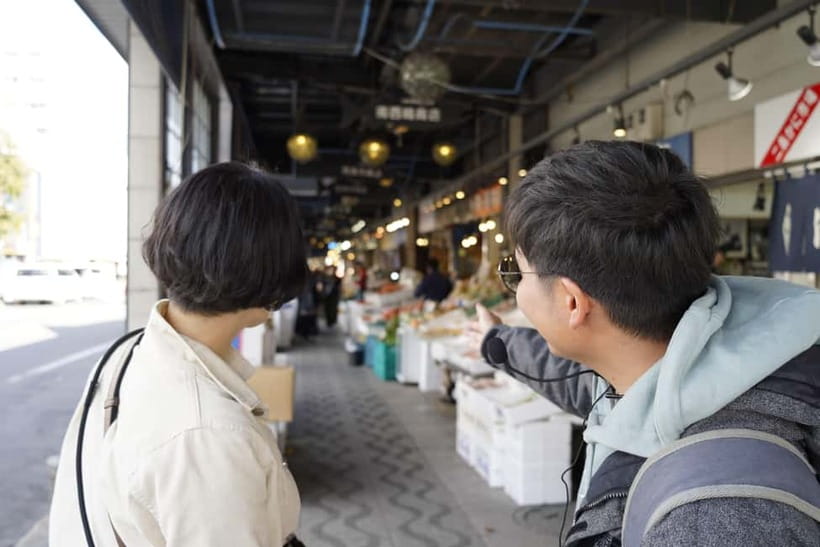
A key theme of the tour is the Sosei East Area, described as yet to be discovered by tourists. That phrase can sound marketing-y, but here it’s meaningful because the route is designed to move you through less-expected parts of the city rather than only the usual photo icons.
What you get from that kind of routing is simple: better understanding. Instead of only learning the most famous Sapporo markers, you get a sense of how different areas connect. It’s the kind of knowledge that helps after the tour, when you’re deciding where to wander next.
Also, the pacing makes it feel doable. Even with the history stops, the whole day doesn’t sprawl. You’re not sacrificing hours. You’re getting a compact version of Sapporo that includes city landmarks, river-area context, a shrine stop, and then a food payoff.
If you want a souvenir memory, you’ll take photos. If you want something more useful, you’ll leave with a mental map and story threads you can follow on your own.
Small Group Size: Better Questions, Less Waiting
This tour caps at 8 participants, and that changes the feel. With a smaller group, your guide can manage timing more precisely, and it’s easier to ask questions that actually fit your interests. When you’re walking, “on-the-ground” questions are the best ones: How does this neighborhood work? Why is this built this way? What should I eat later?
In the positive comments about guides like Tom and Iku, you can see the pattern: friendly, engaged hosting, and good photo guidance. That matters because it’s not only about facts. It’s about making sure you see what you came to see.
This tour also includes English-speaking guidance (Japanese and English are offered). If you’re relying on a guide to translate the meaning behind what you see, the small group format helps the message land.
If you’re the type who hates waiting for a big crowd to gather, this is a good fit. If you love meeting people but still want a controlled pace, you’ll feel comfortable here too.
Price and Value: What $61 Covers in Real Terms
At $61 per person for about 150 minutes, the value comes from what’s included, not just the sightseeing.
You get:
- a friendly local English-speaking guide,
- insurance included,
- entry tickets to the Sapporo TV Tower,
- and a fresh seafood lunch at Nijo Market.
The lunch alone can easily eat up a good chunk of your daily budget in Japan, especially when it’s tied to an actual market experience. Adding the TV Tower ticket removes a common “surprise cost” that shows up when you plan similar stops on your own.
The tour length also matters. You can fit it into a day without losing your whole afternoon to transport and lines. This is the kind of guided experience that works well as your main morning plan, then you can spend the rest of the day exploring without a structured schedule.
Kotobuki Coffee: A Local Break After the Market
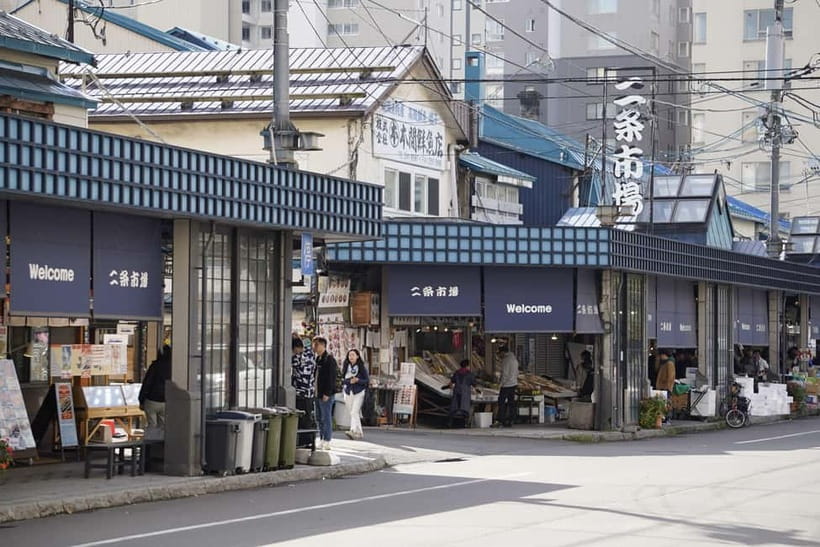
After Nijo Market, I like having a simple plan. The tour suggests a cafe: Kotobuki Coffee. It’s the kind of recommendation that helps you avoid the post-lunch wandering spiral, especially if the weather turns gray or rainy.
Since the tour ends at Nijo Market, you’ll have a natural transition point to stop for something warm or a light break. You don’t need to build a big plan around it. Just think of Kotobuki Coffee as a comfort stop to keep your momentum.
Who Should Book This Sapporo Tour
This is a strong match if you:
- want a food-and-history Sapporo introduction in 150 minutes,
- enjoy walking guided routes and taking photos,
- and you like the idea of a market lunch tied to local context.
It’s also a good pick for people who want a smaller group experience, capped at 8 participants, with time in the TV Tower and some free moments at Nijo Market.
It’s not a fit if you’re:
- vegan (lunch is seafood sushi or donburi),
- have seafood allergies unless you’ve informed the operator and confirmed an option,
- using a wheelchair or with mobility impairments,
- pregnant,
- or someone who’s feeling unwell with a cold.
One more honest note: people with low fitness should consider their comfort with steady walking. There are several short segments and transitions, and it adds up.
Should You Book This Sapporo Tour?
Yes, if you want a guided Sapporo day that gives you a real payoff: Nijo Market seafood lunch, TV Tower views, and Sosei River + shrine context in a compact timeline. The price makes sense because entry tickets and lunch are built in, and the small group size helps the guide’s storytelling actually land.
Book it especially if you’re the type who likes learning why a place matters, not only where it is. If seafood is a concern or you need full accessibility support, skip this one and look for an alternative format. For the right match, this tour is a practical, local-feeling way to start understanding Sapporo fast.
FAQ
Where does the tour start?
The meeting point is at the entrance of the Sapporo Clock Tower.
Who will I meet, and how do I find them?
Your guide will be holding a board that says KAPPO SAPPORO and may have a mic.
How long is the tour?
The tour lasts about 150 minutes.
What’s included in the price?
The price includes an English-speaking local guide, insurance, entry tickets to Sapporo TV Tower, and a fresh lunch at Nijo Market.
What kind of lunch is served at Nijo Market?
Lunch is seafood, with options of sushi or donburi.
Is this tour suitable for vegans?
No. The tour is not suitable for vegans.
What should I bring?
Bring comfortable shoes, a camera, water, and weather-appropriate clothing (closed-toe shoes are required).
Is it a small group?
Yes. The group is limited to 8 participants.
Can I cancel for a full refund?
Yes. You can cancel up to 24 hours in advance for a full refund.