REVIEW · TENERIFE
Mojo Workshop Cooking Class in Ancient Canarian Village
Book on GetYourGuide →Operated by Casa Carmen · Bookable on GetYourGuide
Mortar-and-pestle mojo magic in a real village. In Chirche, South Tenerife, a small group cooks traditional mojo sauces and tastes them as Chef Ave and Erik tie each recipe to daily life in this historic corner of the island.
I love the hands-on mortar-and-pestle approach because you can actually feel how ingredients change once they’re crushed and mixed. I also love the story-led tasting, where food pairing is taught as something practical, not just something to be admired.
One consideration: transport isn’t included, and Chirche can be tricky to drive through, so line up the optional South Tenerife pick-up if you don’t want to stress about roads.
In This Review
- Key things that make this workshop special
- Why Chirche and its 2-hour mojo workshop just fits
- Meet Chef Ave and Erik: cooking with authority, storytelling with heart
- Mojo-making in a mortar: where the flavor really changes
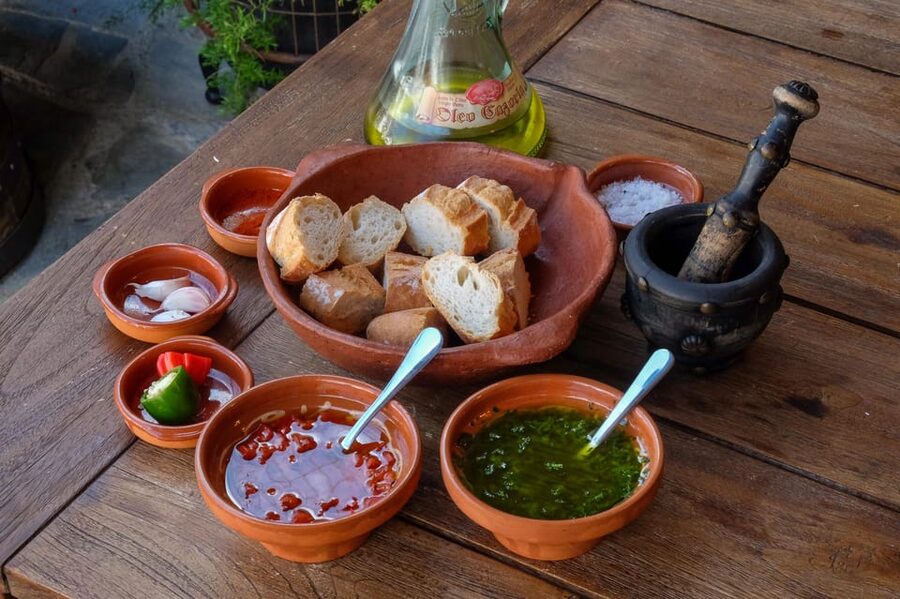
- The tasting table at Casa Carmen: pairing that makes sense
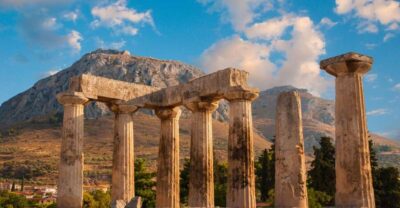
- Chirche sights: terrace fields and old threshing grounds
- Price and logistics: what $34 buys you in real terms
- Who this mojo workshop fits best (and who should think twice)
- The real value: why this is more than sauce lessons
- Should you book this mojo workshop in Chirche?
- FAQ
- How long is the Mojo Workshop Cooking Class?
- How much does it cost?
- Is the workshop taught in English?
- How many people are in the group?
- What are you doing and eating during the event?
- Is transport included?
Key things that make this workshop special
- Chef Ave leads the cooking with cruise-ship-level discipline and warm local teaching.
- Erik brings the food to life through entertaining explanations tied to Tenerife’s culture.
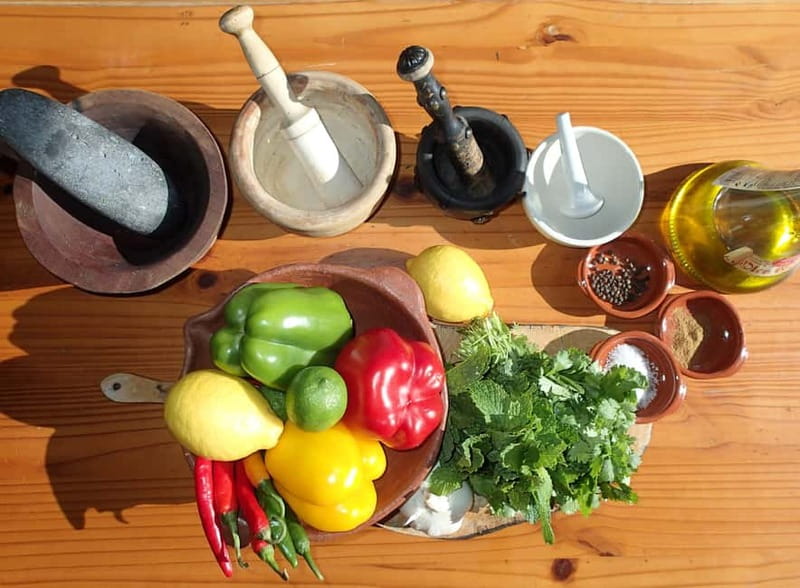
- You’ll make mojo with a mortar and pestle, not a shortcut blender version.
- Tasting goes beyond sauce and bread, with local pairings like potatoes and tapas.
- Chirche adds context with terrace fields and old threshing grounds you can see before you eat.
- Small group (max 8) means plenty of time to ask questions and get it right.
Why Chirche and its 2-hour mojo workshop just fits
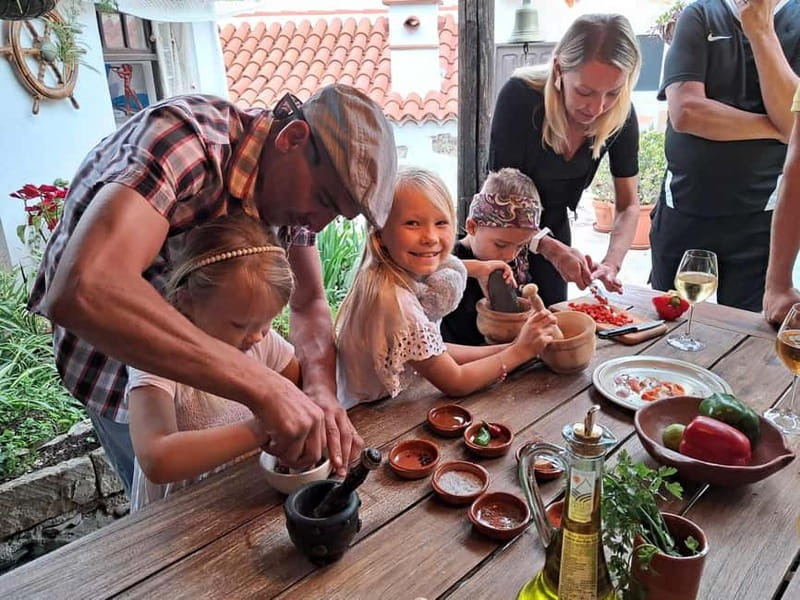
This is a short class with a clear payoff: in about two hours, you’ll make your own red or green mojo, learn what goes into it, then sit down and taste the results with local pairings. The big idea isn’t fancy technique for its own sake. It’s understanding how Canarian flavors are built—then tasting them in the right moments.
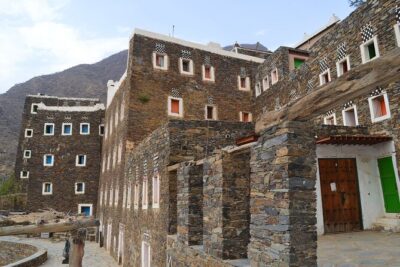
What I like most is the setting. Chirche isn’t a generic restaurant stop. It’s a truly historical Canarian village where you can look out and see ancient terrace fields and threshing grounds. That change of scenery matters because it puts the food in place. Mojo doesn’t feel like a random sauce. It feels like something people used, made, argued about, and carried forward.
At $34 per person for a hands-on cooking moment plus a guided tasting, the value is solid. You’re not just paying to be fed. You’re paying for technique, ingredients, and stories that help you remember what you ate.
You can also read our reviews of more cooking classes in Tenerife
Meet Chef Ave and Erik: cooking with authority, storytelling with heart
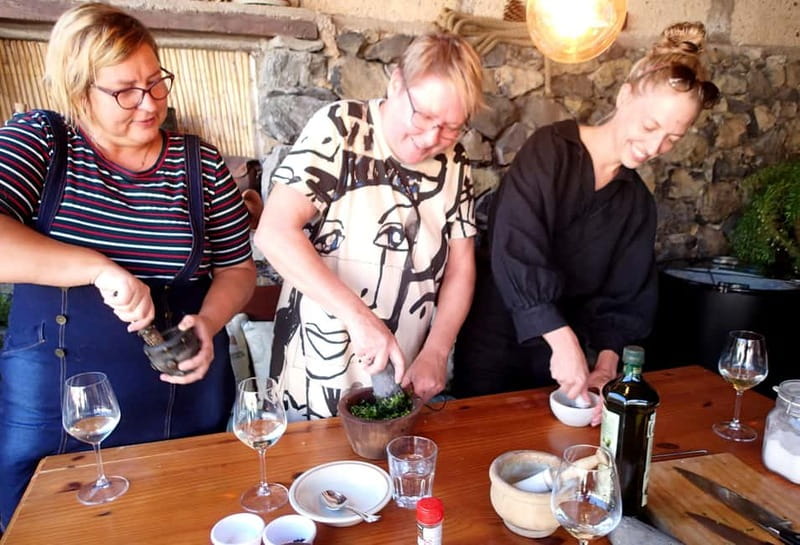
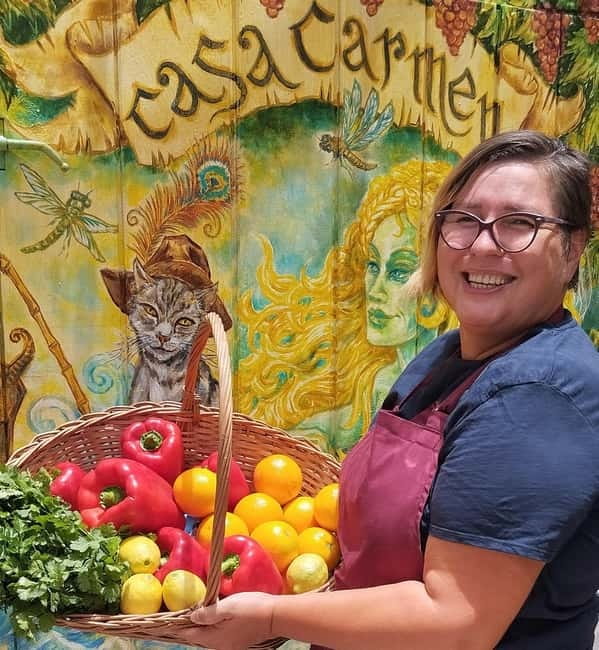
Chef Ave is the instructor, and her background as chef de cuisine on cruise lines comes through in how the class runs. You can expect calm structure: what you’re doing, why you’re doing it, and how to adjust if something tastes off.
Erik is the other half of the magic. He’s the story teller, and the way he connects ingredients to island life makes the whole experience easier to remember. From the way questions are handled to the pace of the explanations, the vibe stays relaxed while still feeling organized.
The payoff is that you’re not stuck watching. You’re participating. And when Erik’s stories land—about the origins and meaning of what’s on the table—the mojos you made earlier suddenly feel more purposeful. It’s food + context, not food in isolation.
Mojo-making in a mortar: where the flavor really changes
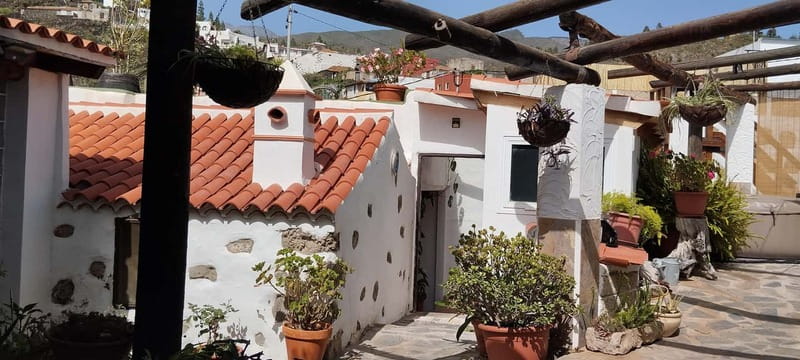
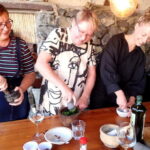
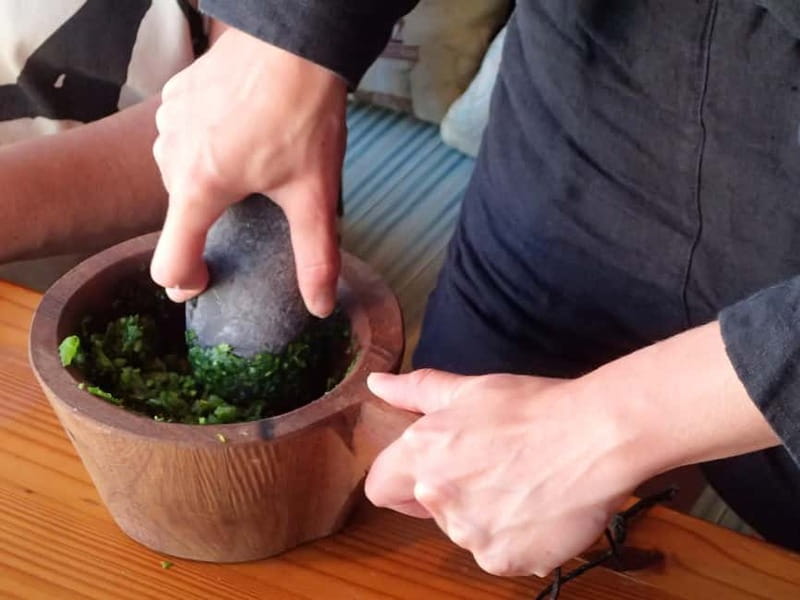
Here’s the core of the workshop: you create traditional mojos using local fresh ingredients. The class is hands-on, and you’ll use a mortar and pestle, which is a big deal.
Using a mortar does two things. First, it forces you to pay attention to texture. Second, it helps the ingredients release their character gradually instead of mixing them all at once. That’s why mojo made the traditional way tastes different from what you might expect from a quick sauce.
You’ll learn know-how while working at your station, and because the group is small (limited to 8), you’re not lost in a crowd. If it’s your first cooking class ever, this still works. The steps are clear, and the teaching style is friendly enough that you don’t feel rushed or judged.
One more detail I appreciate: mojos aren’t presented as two separate worlds—green vs. red. You get a sense of how Canarian taste can shift depending on herbs, peppers, acidity, and salt balance. Even if you only came for the sauce, you leave understanding how the flavor is built.
The tasting table at Casa Carmen: pairing that makes sense
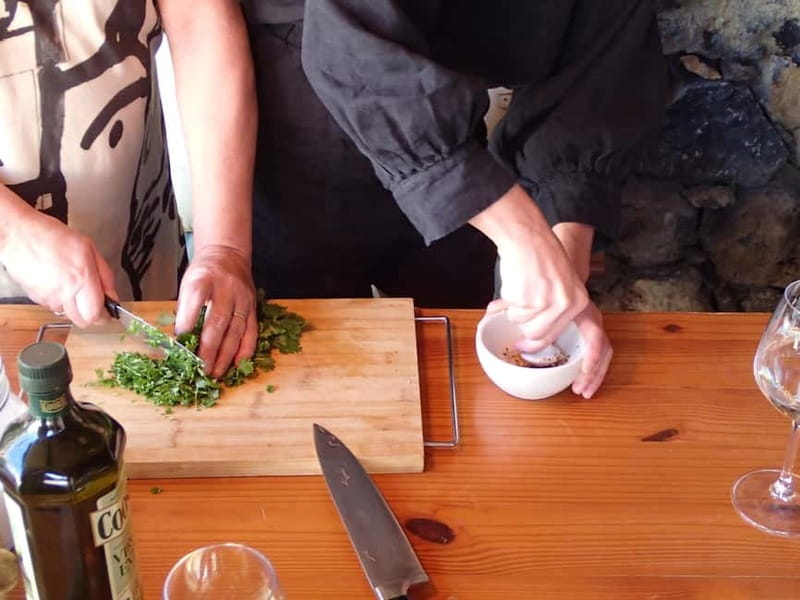
After cooking, you taste what you made, but the tasting part isn’t an afterthought. It’s presented with an eye toward taste pairing, which helps you understand what works and why.
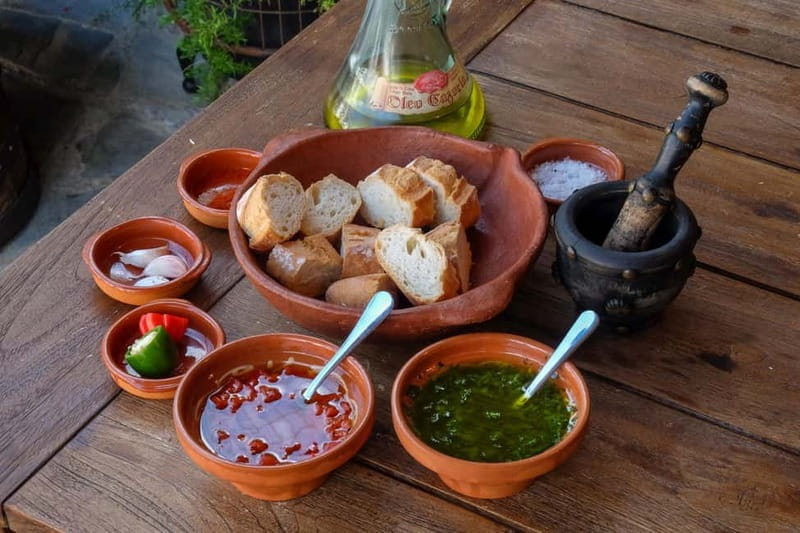
In practice, the meal component can feel more filling than you’d expect from a “two-hour class.” Many participants end up with a spread that goes well beyond mojo on bread—think Canarian potatoes, tapas-style snacks, and drinks such as wine or beer plus lemonade (including lemongrass). The exact mix can vary, but the theme stays consistent: local products paired in a way that shows how mojos fit into a real table.
This is also where the storytelling pays off. When Erik explains where foods come from and how island traditions shaped what people ate, the tasting becomes easier to decode. You’ll notice flavor patterns instead of just saying it tastes good.
And yes, the setting matters. The venue is described as beautifully decorated with a Spanish character, which makes the whole meal feel like being hosted rather than processed. Even the small touches—like a resident cat some people jokingly mention—add to the homey, lived-in atmosphere.
Chirche sights: terrace fields and old threshing grounds
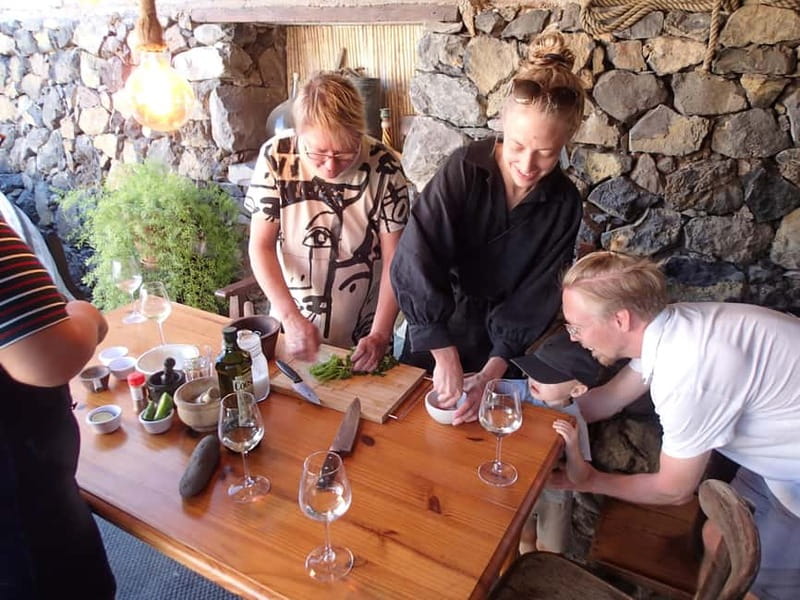
The workshop location is part of the value. Chirche is the kind of village where you can still see the farming story in the details. Before or alongside the class, you can view ancient terrace fields and threshing grounds—physical reminders of how people worked the land.
Why should you care? Because mojo is often framed as a sauce, but it’s really a survival-friendly way of turning simple ingredients into something exciting. Terroir and food habits are connected. In a village like this, that connection feels obvious.
If you’re the type who likes slow travel and doesn’t mind a little rural quiet, you’ll appreciate it. If you only want big-city sights, this can feel calmer than you expect—but that’s the point.
Also, one practical note: Chirche can be a bit awkward to navigate by car. The roads aren’t the smooth, signposted kind you get near major tourist hubs. If you’re renting a car and driving yourself, take your time. If you’re in South Tenerife, the optional pick-up can remove a lot of stress.
Price and logistics: what $34 buys you in real terms
Let’s talk about the number people notice first: $34 for two hours. That price might sound modest, but the mix is what makes it meaningful.
You’re getting:
- A guided cooking class with Chef Ave
- Hands-on mojo-making using a mortar and pestle
- A tasting with food pairing
- Storytelling during the meal
- Refreshments during the event
- A small group format (max 8), which usually means more attention and better back-and-forth
What’s not included is transport. The meeting point is Casa Carmen, C/ San Felipe, Nº 18, 38688 Chirche, South Tenerife. There’s optional pick-up available from the South Tenerife area, and you’ll receive driving instructions by email if you’re meeting there directly.
If you’re budget planning, I’d frame it like this: you’re paying for an experience that replaces an ordinary snack-and-sight stop with a real meal plus technique. It’s one of those activities where you come hungry for dinner and leave with something you can actually reproduce at home.
Who this mojo workshop fits best (and who should think twice)
This workshop is for people who want local food culture in an active format. You’ll enjoy it if you like:
- Cooking that’s hands-on, not just watching
- Food stories tied to place and people
- Learning how sauces work, not just eating them
It also seems to work across ages that can handle sitting and participating. Families have enjoyed it, including children around primary school age, and teens have liked the village side of the experience too.
Where it doesn’t fit: it’s not suitable for people with mobility impairments or wheelchair users, and it’s not for babies under 1 year. If that’s relevant for you, it’s best to look for an alternative that can meet your needs.
The real value: why this is more than sauce lessons
Mojo is easy to buy. The difference here is that you learn the logic behind it. Chef Ave teaches the method. Erik teaches what the food meant and why it’s part of Canarian identity. You taste it paired with local staples so the mojos connect to a full table instead of a single bite.
That combination is why the experience tends to stick with people. You don’t just leave with photos and a flavor memory. You leave knowing what to crush, what to balance, and how the sauce should behave once it’s mixed.
And the setting keeps you honest. Chirche forces you to slow down. Terrace fields and threshing grounds aren’t background scenery. They’re the kind of details that make the food story feel real.
Should you book this mojo workshop in Chirche?
Book it if you want a small, hands-on Tenerife food experience that actually teaches you something. The price-to-content ratio is strong, the group size keeps the attention personal, and the mojo-making + tasting + storytelling combo is a better deal than most short classes.
Think twice if you hate rural drives or want everything perfectly simple and urban. Because transport isn’t included and the village can be tricky to reach, your comfort with getting there matters.
If you’re open to a calm, village-based afternoon where food and history are explained in plain, fun ways, this is a great call for South Tenerife.
FAQ
How long is the Mojo Workshop Cooking Class?
The class lasts 2 hours.
How much does it cost?
It costs $34 per person.
Is the workshop taught in English?
Yes. The instructor teaches in English.
How many people are in the group?
The group is small, limited to 8 participants.
What are you doing and eating during the event?
You’ll cook traditional mojos using local fresh ingredients, taste what you made as part of food pairing, and enjoy refreshments during the event. The workshop also includes storytelling about the origin of the foods.
Is transport included?
Transport is not included, but optional pick-up is available from the South Tenerife area. The meeting point is Casa Carmen, C/ San Felipe, Nº 18, 38688 Chirche, South Tenerife.