REVIEW · KUCHING
Best of Kuching: Heritage & Kampong Bike Tour
Book on GetYourGuide →Operated by Paradesa Borneo · Bookable on GetYourGuide
Kuching by bike feels like getting the real shortcut to town. This Best of Kuching Heritage & Kampong Bike Tour strings together heritage streets, food stops, and a traditional sampan crossing into one easy morning loop.
I like two things a lot: the way you cycle through places a typical walking tour misses, and the food-and-market moments that actually slow you down in a good way. A friendly guide like Ayra (and even Farah, per other guides on this route) also makes the history feel practical, not just recited.
One thing to consider: it’s an active ride with mandatory helmet checks, and it’s not suitable for wheelchair users or anyone with recent surgery. If you’re unsure about cycling comfort, go anyway, but plan on taking it at a relaxed pace with the group.
In This Review
- Key highlights to look forward to
- Why cycling Kuching’s heritage works so well
- Getting set up at Paradesa Borneo and staying safe
- The heritage-zone ride: Lonely Planet sights plus real local lanes
- Stop-by-stop: the secret stop, snack time, and Kubah Ria market
- Crossing the Sarawak River by traditional sampan
- Kampong cycling: rural paths, wooden bridges, and river-banks life
- What you’re really learning about Sarawak (not just where to stop)
- Bikes, terrain, kids, and who should skip it
- Price and value: what $60 buys you in real terms
- Who this tour fits best in your Kuching itinerary
- Should you book the Best of Kuching Heritage & Kampong Bike Tour?
- FAQ
- How long is the Best of Kuching Heritage & Kampong Bike Tour?
- What’s included in the price?
- Where does the tour start and end?
- Do I need to bring anything?
- Is the tour run in bad weather?
- Is it suitable for children and babies?
- Is the tour accessible for wheelchair users?
Key highlights to look forward to
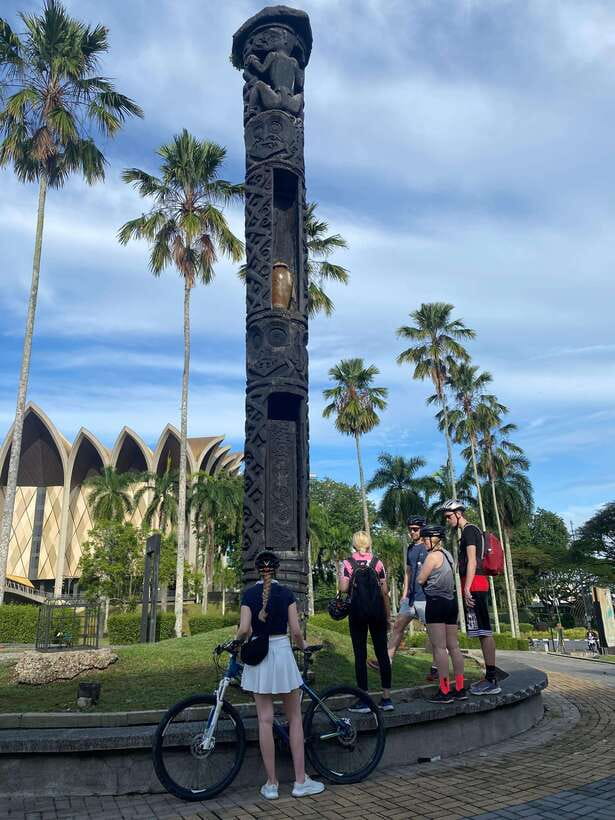
- Lonely Planet-style Kuching sights coverage through the heritage zone (about 85% of the listed sights)
- Sarawak River sampan cruise that’s short (around 10 minutes) but memorable
- Traditional Malay stilt houses and real explanations of Sarawak heritage
- Kubah Ria open-air market for colourful produce, handicrafts, and local snacks
- Country-path kampong cycling with wooden bridges along the river banks
- Small group size (up to 10) for a smoother, safer ride
Why cycling Kuching’s heritage works so well
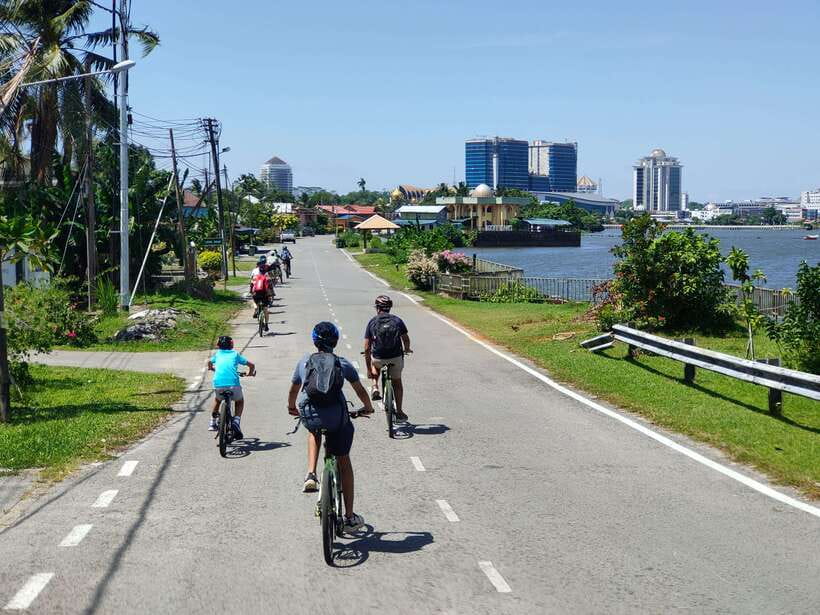
Kuching isn’t huge, but it’s full of personality. The bike format helps you cover more ground than you could on foot without turning it into a nonstop blur. You stay close enough to the action to notice details, like how neighbourhood lanes connect to river life.
What makes this tour especially appealing is the balance. You get the “seen-it” parts of Kuching (heritage-zone sights, classic river views), but the route also nudges you into lesser-used lanes where the city feels more lived-in.
And because it runs as a morning adventure, you’ll likely feel less heat and fewer crowds than you’d see later in the day. That matters in Sarawak, where weather can change quickly. This is one of those tours that feels like a good decision early, not a last-minute compromise.
You can also read our reviews of more cycling tours in Kuching
Getting set up at Paradesa Borneo and staying safe
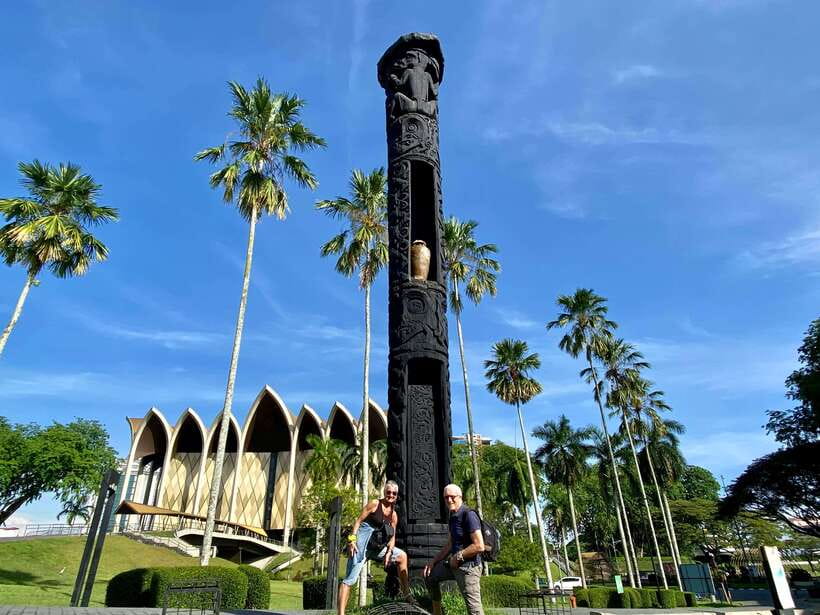
You start at Wayang Street near the Kuching Waterfront, with check-in at Paradesa Borneo – Travel & Tour. From there, you’ll get a bike and helmet, plus a pre-ride safety briefing and mandatory equipment checks. This isn’t a casual “hop on and hope for the best” setup.
I also appreciate that rain doesn’t cancel the plan. You’re provided rain ponchos, and the tour runs rain or shine. If you’ve ridden in humid weather before, you already know: getting wet is part of the deal. The poncho means you stay comfortable and don’t have to improvise.
Group size is limited to 10 participants, which tends to make the pacing friendlier. It’s easier for the guide to keep everyone together, and it’s easier for you to ask questions without shouting over a crowd.
One more practical note: the tour doesn’t include transportation from your hotel to the starting point. If you’re not staying near the waterfront, factor in getting yourself to Wayang Street on time.
The heritage-zone ride: Lonely Planet sights plus real local lanes
This tour is built around Kuching’s heritage area. It’s designed to cover about 85% of the city’s sights listed in Lonely Planet’s Kuching sights set, which is a strong promise for a 4.5-hour ride.
But here’s the key: it’s not just a checklist tour. The route is described as moving through hidden lanes inside the heritage zone, meaning you’re not simply riding past the biggest landmarks like they’re drive-by billboards. You’ll cycle streets that feel more neighbourhood-like, then pop back into the main sights when it makes sense.
A highlight is the passing view of traditional Malay stilt houses. Those aren’t just “photo backdrops.” You’ll get a guided explanation of Sarawak heritage and the people who shaped this riverside way of living. For me, that’s what turns the ride from scenery into understanding.
You’ll also see the kind of places you’d be tempted to skip if you only had time for a single sightseeing walk. With a bike, you don’t need to choose between speed and context. The ride keeps you moving, while the guide keeps you oriented.
Stop-by-stop: the secret stop, snack time, and Kubah Ria market
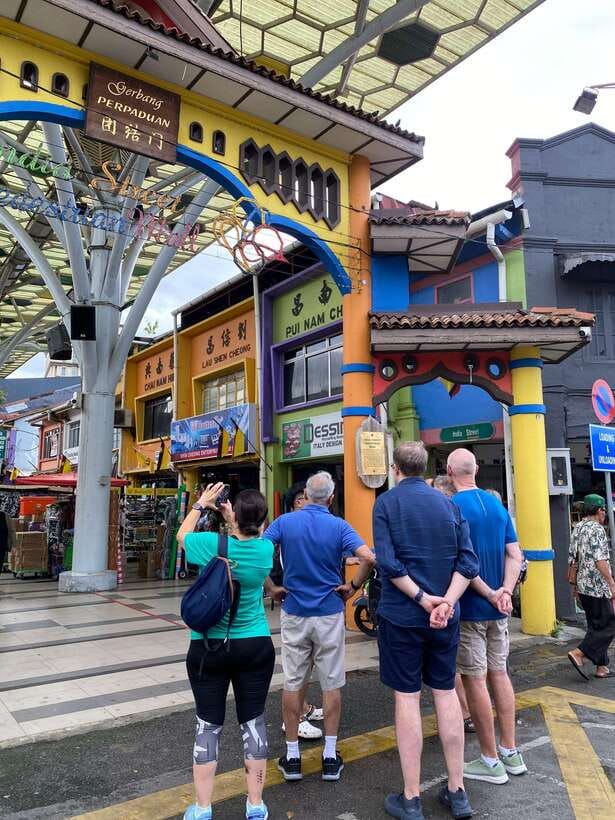
At some point, you’ll roll into a secret stop area where the focus shifts from cycling to tasting and photos. This stop includes local snacks and food tasting, plus time for a food market visit.
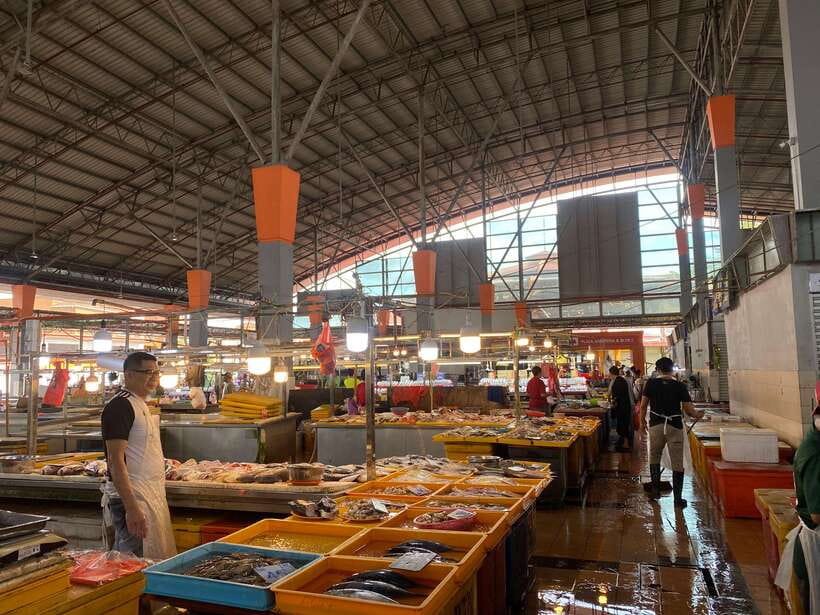
The market stop is a big deal: Kubah Ria, an open-air market. This is where you can actually see the daily supply chain of Kuching—bright produce, tropical fruits, and the kinds of items that don’t always show up in tidy souvenir stores.
You’ll have chances to:
- shop for local handicrafts at non-tourist prices
- browse jungle produce like wild ferns and exotic vegetables and plants
- sample food and drinks along the way
If you’re the type who loves one “must try” dish, I’d take note of one standout mentioned in guide feedback: kola mee. It’s the kind of regional comfort food that tastes better when you eat it in the middle of market life instead of in a separate restaurant experience.
Practical tip: this is a food-and-snacks moment, but cash helps. The tour data asks you to bring cash, and markets are exactly where that comes in handy for small purchases.
Also, plan your photos. You’ll have at least one photo stop in this segment, so it’s worth having your phone ready and your hands free for tastings.
Crossing the Sarawak River by traditional sampan
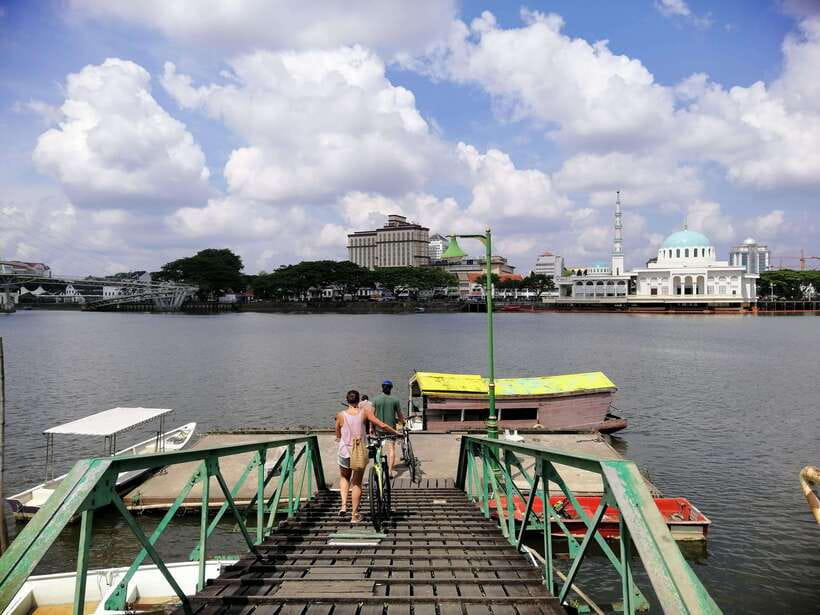
Then comes one of the most “only-here” parts: a short sampan cruise across the Sarawak River (about 10 minutes).
This is short enough to fit the tour timing without turning into a waiting game, but long enough to reset your senses. Cycling is all momentum and close-up street details. The boat moment gives you a moving view across the river—an easy way to understand how tightly Kuching’s story is tied to water.
And because boat fees are included, you don’t have to worry about topping up for the crossing. You just show up, ride, and enjoy the change of pace.
If you’re someone who thinks you’ll get bored on a short ride, don’t underestimate this. A sampan crossing feels like a small time machine, even if it’s only 10 minutes. It also helps you see why the next section—kampong cycling—fits so naturally.
Kampong cycling: rural paths, wooden bridges, and river-banks life
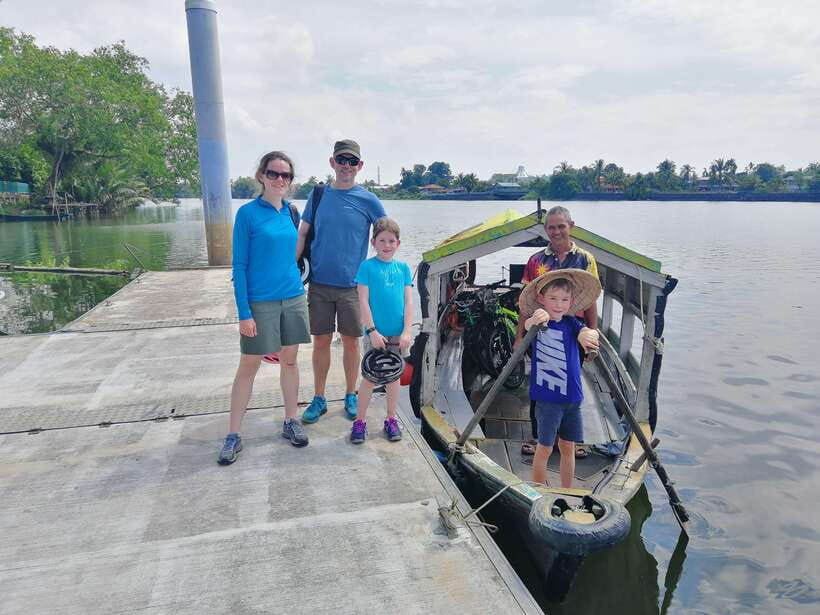
After the river crossing, the tour shifts into a more rural feel. You’ll cycle along country paths and explore rural Malay kampongs, including stretches with wooden bridges lining the banks of the Sarawak River.
This is where the tour earns its “Heritage & Kampong” name. It’s not just heritage buildings and markets in the city center. You’re actually pedalling through the kind of environment that shaped daily life here.
You’ll likely notice the difference in pace and texture. The streets feel less like a corridor of landmarks and more like connections between homes, paths, and river edges. It’s a better way to get a sense of how communities live alongside the river rather than only around it.
One more thing: the off-the-beaten-track routing is a major value add. In 4.5 hours, you can’t realistically stumble into these paths on your own without local knowledge. The guide does that work, and you simply enjoy the ride.
What you’re really learning about Sarawak (not just where to stop)
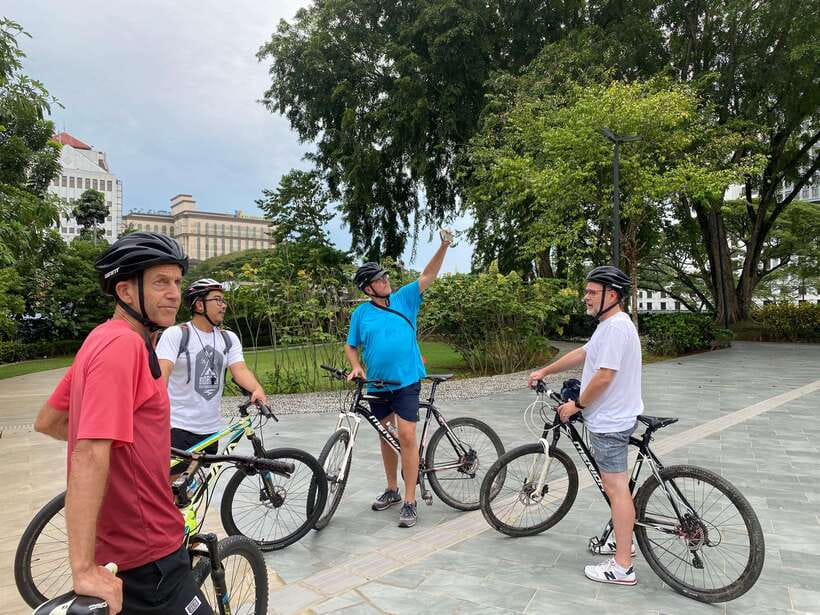
This isn’t a lecture-heavy tour, and it shouldn’t be. The value is in how the guide ties together places you see with the meaning behind them.
You’ll learn about:
- Sarawak heritage and its people
- why stilt-house living developed in a river setting
- how city life connects to rural kampong life
- what you’re looking at in markets (fruits, vegetables, jungle produce)
This matters because Kuching can be misunderstood if you treat it like a simple “city break.” This tour nudges you to understand the local rhythm: river movement, market trade, and community life.
Even if you’re not the most confident cyclist, the tour is designed for guided control and safe pacing. That’s reflected in positive comments about feeling safe on the bike with the guide. If you’re a cautious rider, that’s a good sign.
Bikes, terrain, kids, and who should skip it
The bikes are provided, along with helmets. Adult bikes are described as MTB with 27.5-inch wheel diameter options (sizes XS to XL). There are also kids’ bikes, plus options like a kid’s tag-along bike and baby seat suitable for kids of different sizes.
Important age notes:
- Not suitable for babies under 1 year
- Baby seats are rear-mounted for above 9 months old
- Child trailers are available
For families, this kind of gearing is what makes a tour possible without scrambling for rentals. Just make sure the child fits the stated guidelines.
Terrain-wise, it’s not a wheelchair-friendly ride. The tour also lists that it’s not suitable for wheelchair users, and it’s not suitable for people with recent surgeries. It’s also marked as not suitable for hearing-impaired people. If any of these apply to you or someone in your group, you’ll want to plan a different kind of Kuching day.
Also remember the “simple but real” rules:
- No helmet, no ride
- bring insect repellent
- use a reusable water bottle (a 500ml bottle is included, but you’ll want to refill)
Price and value: what $60 buys you in real terms
At $60 per person for about 4.5 hours, this tour is priced like a full active experience, not a short city walk with a guide.
What’s included directly affects value:
- Local English-speaking guide
- Bike and helmet
- Boat fees
- Food/local fruit samples and a refreshment
- Water bottle (500ml)
- Rain ponchos if weather shifts
So you’re paying for a bundle: transportation on bike, entry to the river crossing, and the tasting stops that many tours either skip or make optional. When you think in “what would it cost separately,” the math gets more comfortable. You’re essentially buying a guided day that takes care of the heavy logistics.
Small-group format (max 10) also matters. It usually means you get better pacing and more time to ask questions, especially when you stop for food and market browsing.
If you want maximum sightseeing density without spending your day planning routes, this is the kind of value that tends to feel fair.
Who this tour fits best in your Kuching itinerary
This works especially well if:
- you like active mornings and want to see more than the waterfront loop
- you enjoy food tasting and market wandering
- you want a guided story about Sarawak heritage
- you’re visiting with family or friends and want an organized plan
It’s also a great fit for solo travelers who don’t mind riding with a small group and would rather have local context than just take photos.
If you’re expecting a chill, mostly-stopped tour, this may feel too much like cycling. And if you have mobility limitations or a medical reason you shouldn’t ride, the tour explicitly lists several limitations.
But for a typical healthy adult (and for families with kids who fit the bike options), it’s a solid way to connect Kuching’s river identity with its daily life.
Should you book the Best of Kuching Heritage & Kampong Bike Tour?
Book this if you want a morning that blends heritage sights, market food, and an actual ride through river-adjacent kampong life. The combo of cycling + sampan + Kubah Ria market is a practical “three-part story,” and the small group size helps it feel controlled rather than chaotic.
Skip it if you want mostly indoor attractions, you need wheelchair access, or you’re dealing with recent surgery or serious mobility restrictions. Also skip if helmets and basic ride rules feel like a hassle for your group.
If you do book, bring insect repellent, plan on cash for the market, and wear something you can cycle in comfortably. Then let the route do the work. This tour is at its best when you stop trying to control every minute and just ride with the guide’s plan.
FAQ
How long is the Best of Kuching Heritage & Kampong Bike Tour?
It runs for 4.5 hours. Starting times depend on availability, so it’s worth checking the schedule before you commit.
What’s included in the price?
The tour includes a local English-speaking guide, bike and helmet, boat fees, a water bottle (500ml), food/local fruit samples and refreshments, plus rain ponchos if it rains.
Where does the tour start and end?
The tour starts at Paradesa Borneo – Travel & Tour, located at Wayang Street near the Kuching Waterfront. It ends back at the same meeting point.
Do I need to bring anything?
You should bring insect repellent, cash, and a passport (copy accepted). You’re also encouraged to bring a reusable water bottle.
Is the tour run in bad weather?
Yes. Rain or shine we always ride, and rain ponchos are provided.
Is it suitable for children and babies?
It’s not suitable for babies under 1 year. Baby seats are available for above 9 months old, and there are child bikes and trailers for kids of different sizes.
Is the tour accessible for wheelchair users?
No. It’s listed as not suitable for wheelchair users, and it also isn’t suitable for people with recent surgeries.