REVIEW · BILBAO
Bilbao Historical Tour
Book on GetYourGuide →Operated by Guidlo LTD · Bookable on GetYourGuide
Bilbao’s old streets come with real context. This 2-hour historical walk is built for quick orientation, and I like the way the route links old town landmarks with Basque food culture so you get your bearings fast. I also like the market stop at Mercado de la Ribera, because it turns Bilbao history into something you can taste and ask about. One possible drawback: the pace is unhurried, so if you want a nonstop photo sprint, this may feel too slow.
What really makes it work is the small group size (10 people max). You get real chances to ask questions, and when the guide is leading, the walk feels like a guided conversation instead of a lecture. The tour runs in English and stays fully on foot for a classic old-town loop.
You’ll start at Arriagako Enparantza – Bilbo, walk past major churches (including San Nicolás) and key squares, then take a break at the Ribera market. You’ll finish back at the same meeting point, which is handy if you want to keep exploring right after without figuring out transport.
In This Review
- Key things I’d plan around
- Starting at Arriagako Enparantza: where the walk makes sense
- San Nicolás and the church-lined introduction to Bilbao
- Plaza Nueva: the square where you feel the city rhythm
- Miguel de Unamuno Plaza: a quick literary lens on the streets
- Joan Santuen eliza: passing by with purpose
- Mercado de la Ribera: the best mid-walk reset
- Done Jakue Plazatxoa and the photo-stop approach
- Palacio Yohn (Edificio la Bolsa): architecture with street-level clues
- Txakurraren iturria: a small stop with a memorable name
- Bidebarrietako liburutegi nagusia: ending with a spotlight on Bilbao’s public spaces
- Price and value: why $23 can work for you
- Who this walking tour is best for
- Practical tips to enjoy it more
- Should you book the Bilbao Historical Tour?
- FAQ
- What is the meeting point for the Bilbao Historical Tour?
- How long is the tour?
- How large is the group?
- What language is the guided tour?
- Which stops are included on the itinerary?
- Is the tour wheelchair accessible?
- Is free cancellation available?
Key things I’d plan around
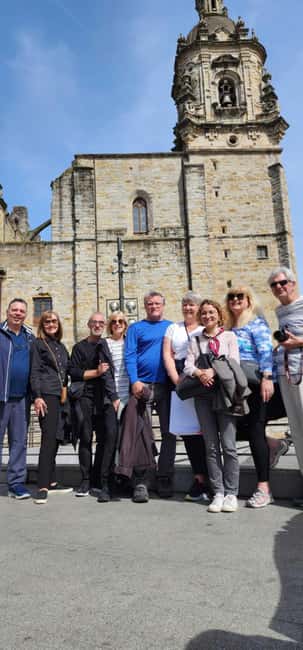
- Small group energy: up to 10 people, so you actually interact with the guide.
- Mercado de la Ribera break: a focused 15-minute pause for food and local life.
- Landmark-to-landmark routing: churches, plazas, and the old-town streets in one loop.
- Dog Street moments: you’ll see the Txakurraren iturria (Dog Fountain) and related stops.
- Samuel’s question-friendly style: visitors consistently praise his answers and professional, friendly approach.
Starting at Arriagako Enparantza: where the walk makes sense
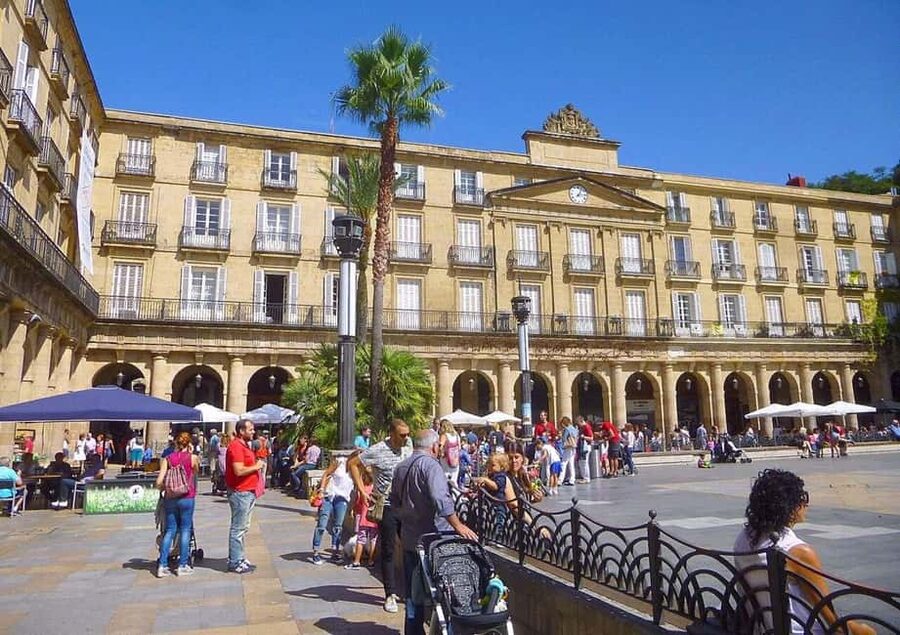
You meet at Arriagako Enparantza – Bilbo, with your guide waiting outside the theater, next to the doors. That matters more than it sounds. A clear meeting point means you can concentrate on the walk instead of hunting for a group.
From there, you ease into Bilbao’s older core. This tour isn’t trying to cover everything. It’s designed to give you a map in your head: squares where people gather, churches that anchor neighborhoods, and the market that helps explain how Bilbao eats and lives.
If you like walking tours that give context you can use later, this one fits. You’ll leave knowing what you just saw and why locals care about it.
You can also read our reviews of more historical tours in Bilbao

San Nicolás and the church-lined introduction to Bilbao
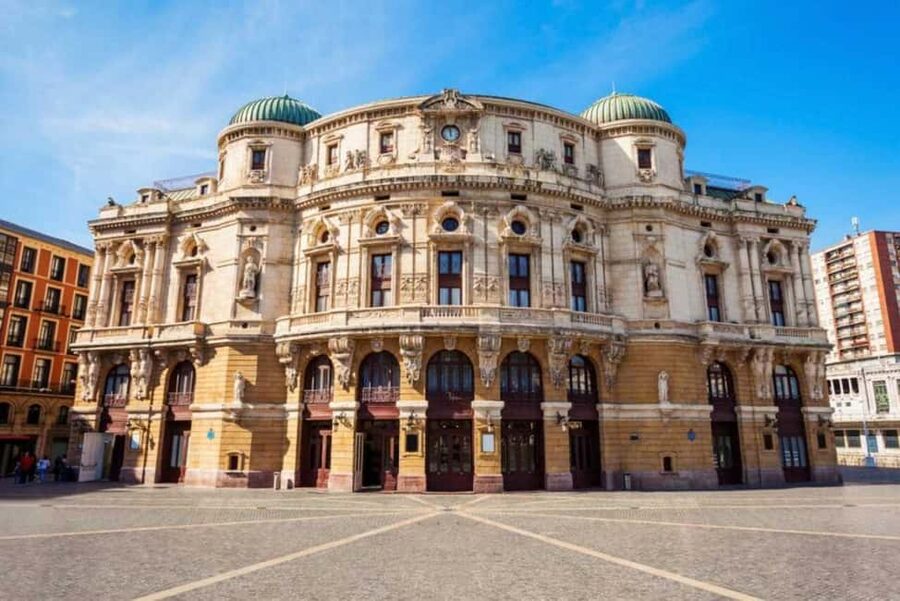
The first stop is San Nikolas eliza (San Nicolás church), with about 10 minutes here. Expect a guided introduction to what you’re looking at from street level: a prominent religious building that helps set the tone for the old town.
Why this stop is useful: churches are more than architecture. They help you understand how neighborhoods formed and what communities centered around long before the modern waterfront changes made Bilbao famous worldwide. When your guide points out details, you start noticing how Bilbao’s old streets were designed around landmarks like this.
If you’re short on time, this early church stop is a smart way to get “history vision” immediately. If you’re tired of churches on tours, you might find it a bit much—but the pacing is meant to keep it moving.
Plaza Nueva: the square where you feel the city rhythm
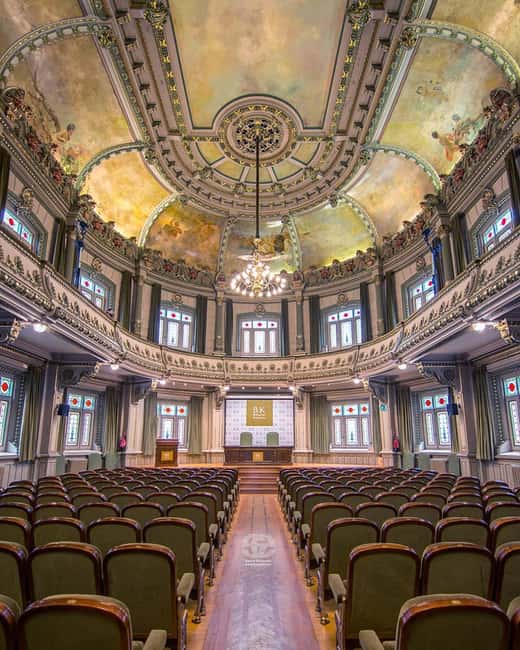
Next up is Plaza Nueva, Bilbao, again with a short photo stop and sightseeing time (around 10 minutes). This is the kind of place where a guided walk helps you see what you’d normally miss: not just the buildings, but the layout and why the square works as a meeting point.
A quick plaza stop is also a timing tool. You get a recognizable scene early, which makes the rest of the walk feel connected. Later, when you hear people mention certain streets and landmarks, you’ll understand where they fit.
And you’ll have a moment to pause without dragging it out. For many people, that balance is the sweet spot in a two-hour tour.
Miguel de Unamuno Plaza: a quick literary lens on the streets
Then you pass Unamuno Miguel Plaza with a short stop (about 5 minutes). It’s brief, but that’s part of why it’s included: this tour aims to deliver a series of anchor points rather than a deep, museum-style experience.
Even in five minutes, a stop like this can do something practical. It gives you names tied to Bilbao’s cultural identity, so when you later see those names in print or on signs, the connection feels real instead of random.
If you enjoy short stops that help you build a mental checklist of what matters, you’ll appreciate the way this itinerary moves.
Joan Santuen eliza: passing by with purpose
You’ll also pass by Joan Santuen eliza. There’s no long stop here, so you won’t get a full walkthrough at street level. But a pass-by can be useful when the goal is to keep the route flowing and still show you another piece of the old-town puzzle.
Think of this moment as pattern recognition. You start noticing how Bilbao’s religious architecture and neighborhood streets repeat certain themes. That makes the later highlights easier to understand.
If you prefer tours with fewer “drive-by” views, this is the one part that may feel slightly quick. Still, it keeps the two-hour structure intact.

Mercado de la Ribera: the best mid-walk reset
This is one of the most important parts of the tour: the Mercado de la Ribera stop includes a break time and a visit (about 15 minutes). Markets are where you see how a city feeds itself, and Ribera is a prime example of that local rhythm.
You’re not just looking at food. You’re learning how Bilbao thinks about freshness, variety, and daily life. Even if you don’t plan to buy much, stepping into a market environment helps you understand why certain neighborhoods and streets matter so much.
This is also a smart recovery moment in the schedule. After church and plaza stops, you get a chance to slow down, refocus your senses, and listen for the guide’s explanations about local gastronomy and traditions.
If you like food stops on tours, this is the one you should care about most. It’s the strongest “Bilbao life” segment in the loop.
Done Jakue Plazatxoa and the photo-stop approach
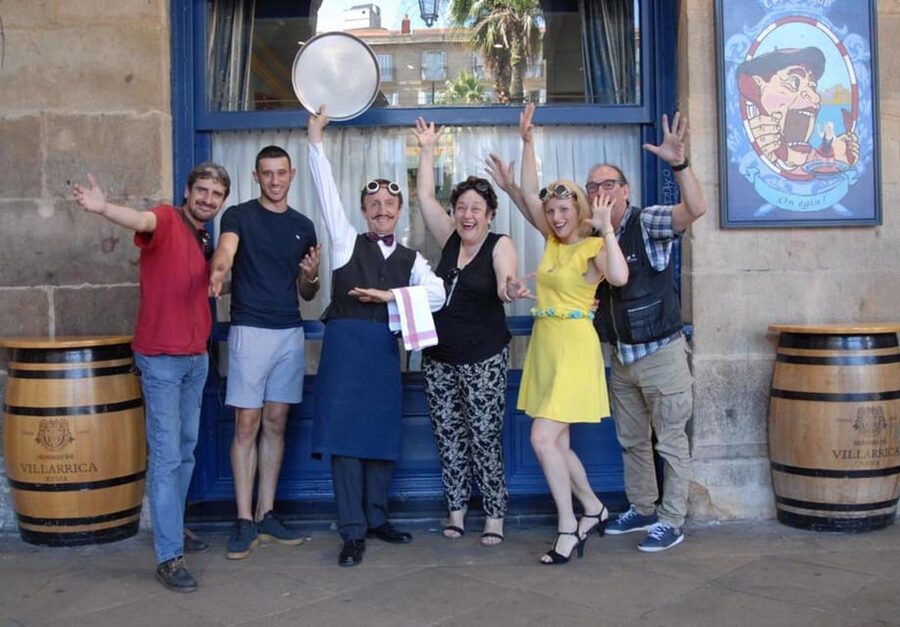
Next comes Done Jakue Plazatxoa, mostly a photo stop with about 10 minutes of sightseeing. This kind of stop works well in a short itinerary because it gives you a visual anchor.
You’ll likely use this time to frame shots and catch the guide’s cues about what makes the spot recognizable. The best way to enjoy photo stops is to balance your camera time with attention to the street details the guide points out—corners, façades, and how the lanes connect.
It’s not a “stand here for 20 minutes” stop. It’s designed to keep energy up.
Palacio Yohn (Edificio la Bolsa): architecture with street-level clues
Then you’ll see Palacio Yohn o Edificio la bolsa with about 5 minutes of sightseeing. This is an architecture stop, but not an architectural lecture. In just a few minutes, you should learn what you’re looking at and how the building fits into Bilbao’s identity.
These short “big building” moments are valuable because they keep you from only noticing what’s obvious. You’re trained to look at features your eye would usually slide past—then you move on before it becomes tiring.
If you’re the type who likes to leave with a few standout visual memories, this is one of them. It also helps balance the religious stops earlier with a civic or commercial-feeling landmark.
Txakurraren iturria: a small stop with a memorable name
You’ll also see Txakurraren iturria (Dog Fountain) for about 5 minutes. The name alone draws attention, but it’s also a classic example of why guided walks help: the details become meaningful when a local context is attached.
This is likely one of your “quick but memorable” moments. It ties into the idea of Dog Street mentioned in the tour overview, and it’s the kind of street legend or local reference that makes a city feel personal.
If you like culture that shows up in names and small landmarks, you’ll enjoy this stop more than you might expect from a five-minute moment.
Bidebarrietako liburutegi nagusia: ending with a spotlight on Bilbao’s public spaces
The final main stop is Bidebarrietako liburutegi nagusia (the main Bidebarrieta Library), with about 15 minutes of visit time. This is a great way to close the loop because libraries are civic spaces. They show a different side of a city than churches or markets, and they help you think about community beyond daily shopping.
In a short walking tour, a longer visit block like this is a gift. You get time to slow down and absorb. It’s also a chance to ask follow-up questions, especially if you’re the kind of person who gets curious mid-walk.
After this, you return to Arriagako Enparantza – Bilbo, back at the meeting point. That wrap-up is practical: no confusing end location, and you can keep exploring whenever you feel ready.
Price and value: why $23 can work for you
The price is about $23 per person for a 2-hour small-group walking tour. For most people, that’s a good value because you’re buying three things at once: a local guide in English, an organized route that avoids wasted time, and a set of stops that lets you understand Bilbao’s old core quickly.
You also get the structure that makes short stays easier. If you have limited hours and want to see major old-town anchors—churches, Plaza Nueva, Ribera market, and key civic architecture—this tour packages it into a manageable loop.
The included parts are straightforward: the professional local guide plus local taxes. Personal expenses aren’t included, so if you want snacks or drinks at the market, budget a little extra.
The key value question for you is pace and style. The guide’s tempo is described as relatively slow in one of the experiences shared, and I think that’s intentional. In a two-hour tour, slow pacing usually means fewer rushed photos and more chances to absorb details. If that’s your preference, you’ll likely feel happy you didn’t speed through.
Who this walking tour is best for
This tour is a strong match if you:
- Want a first-time orientation to Bilbao’s old town
- Prefer a small group where you can ask questions
- Like learning about food culture through a market stop
- Enjoy a route built around recognizable landmarks you can revisit later
It’s also a good fit if you want a guide who is friendly and professional. Experiences with guide Samuel consistently highlight his willingness to answer questions and keep the walk interesting, even when the group size turns out smaller than expected.
If you’re the type who only wants iconic photos and doesn’t care about explanations, you may find some stops too short. But if you want “why it matters,” this format should work.
Practical tips to enjoy it more
Bring comfortable walking shoes. The tour is fully on foot and moves between multiple stops in two hours, so you want your legs to cooperate.
If you’re picky about food markets: use the Ribera market break to look first, then decide if you want to buy something. You’ll have time to pause and get the feel of the place without feeling rushed.
Also, don’t be shy with questions. The whole point of the 10-person cap is interaction. When the guide points out how a square, church, or building fits into the old town, ask what connects it to daily life today.
Finally, plan to continue exploring right after. Because the tour ends at the same meeting point, you can seamlessly roll into independent wandering without resetting your route plan.
Should you book the Bilbao Historical Tour?
If you want a smart, time-efficient way to understand Bilbao’s old streets, I’d book it. The combination of Plaza Nueva, the churches (including San Nicolás), a real stop at Mercado de la Ribera, and civic landmarks like Bidebarrietako liburutegi nagusia gives you a well-rounded taste of what shaped the city.
If your dream is an all-day, deep dive into one neighborhood, this won’t be long enough. If your goal is to get oriented and learn names and meanings while you walk, this two-hour format feels exactly right.
And if you care about having a friendly guide you can talk to, the small group size is the deciding factor.
FAQ
What is the meeting point for the Bilbao Historical Tour?
You meet at Arriagako Enparantza – Bilbo, with the guide waiting outside the theater next to the doors.
How long is the tour?
The tour lasts about 2 hours.
How large is the group?
It’s a small group limited to 10 participants.
What language is the guided tour?
The live guide speaks English.
Which stops are included on the itinerary?
The tour includes stops and sightings at San Nikolas eliza, Plaza Nueva, Unamuno Miguel Plaza, Mercado de la Ribera, Done Jakue Plazatxoa, Palacio Yohn (Edificio la bolsa), Txakurraren iturria, and Bidebarrietako liburutegi nagusia.
Is the tour wheelchair accessible?
Yes, it’s wheelchair accessible.
Is free cancellation available?
Yes, you can cancel up to 24 hours in advance for a full refund.