REVIEW · GUIMARAES
Braga and Guimarães – The Heritage Tour
Book on GetYourGuide →Operated by Yellow Bus Tours - Porto · Bookable on GetYourGuide
Braga and Guimarães can feel like two pages of the same book. This day tour connects the baroque climb of Bom Jesus do Monte with guided walking tours through two UNESCO-listed old towns. I especially like the way certified guides turn big landmarks into clear stories, and how you get a real sense of the north of Portugal beyond the postcard views.
My other favorite part is the pacing: you’re on a comfortable panoramic coach to swap scenery, then you walk just enough to actually see what makes each place tick. After the Braga cathedral walk, you get 1.5 hours of free time for lunch at your own pace, which helps a lot if you want to try local food without stress. One drawback to consider is that some stop times can feel longer than you expect, so if you hate waiting, plan to bring something to pass the time.
In This Review
- Key things I’d zoom in on
- Why Braga and Guimarães hit so well in one day
- Porto to the north: the panoramic coach rhythm
- Stop 1: Bom Jesus do Monte and its Baroque stairway magic
- Braga’s cathedral walk: Sé de Braga and the historic-centre flow
- Lunch in Braga: use the 1.5 hours well
- The road to Guimarães: more than a transfer
- Guimarães walking tour: castle, palace, church, and those fairy-tale streets
- Guides and languages: what good leadership changes
- Price and value: what you pay for at $69
- Timing and pacing: comfortable, but don’t ignore the pauses
- Practical tips before you go
- Who this tour is best for
- Should you book the Braga and Guimarães Heritage Tour?
- FAQ
- How long is the tour?
- Where does the tour start in Porto area?
- Is lunch included?
- Are monument entrance fees included?
- What languages are the guides available in?
- Is the tour wheelchair accessible?
Key things I’d zoom in on
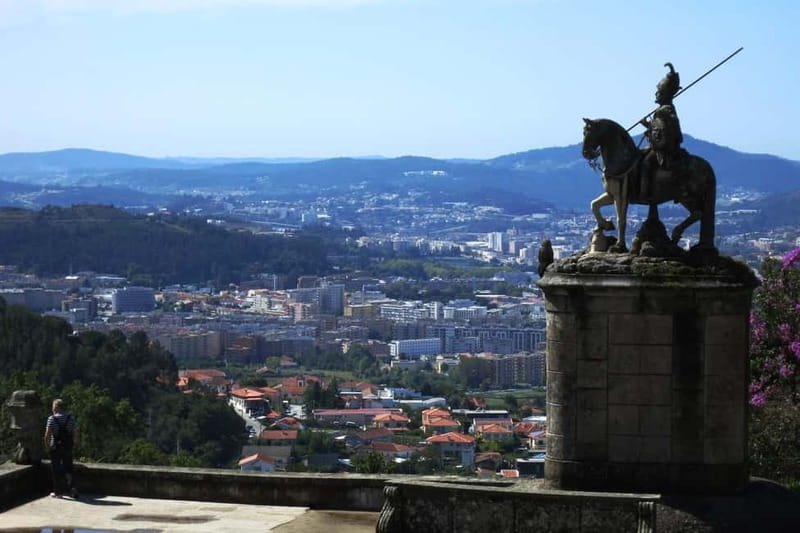
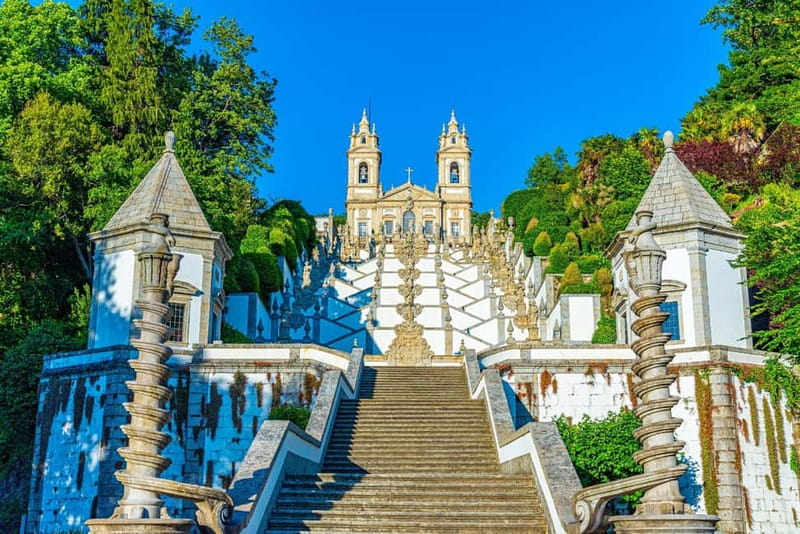
- Bom Jesus do Monte gardens and stairways with guided time on site
- Sé de Braga as the oldest cathedral in Portugal, plus a focused historic-centre walk
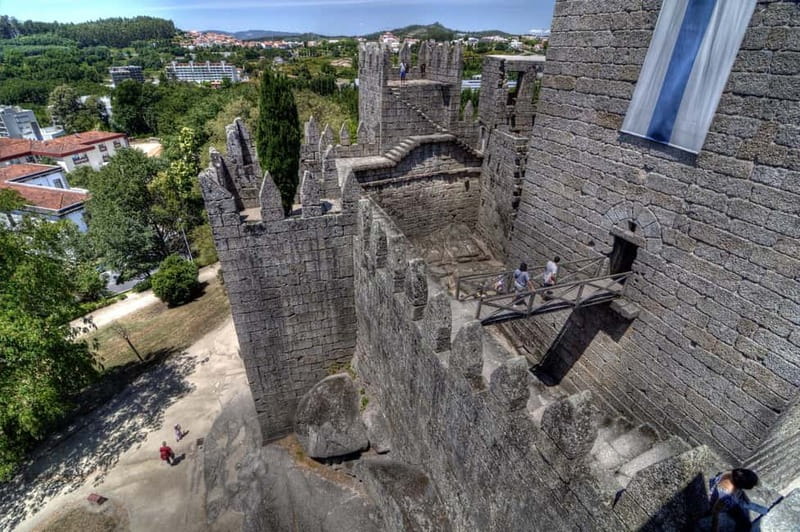
- Guimarães Castle Park, Duques de Bragança palace, and São Miguel do Castelo
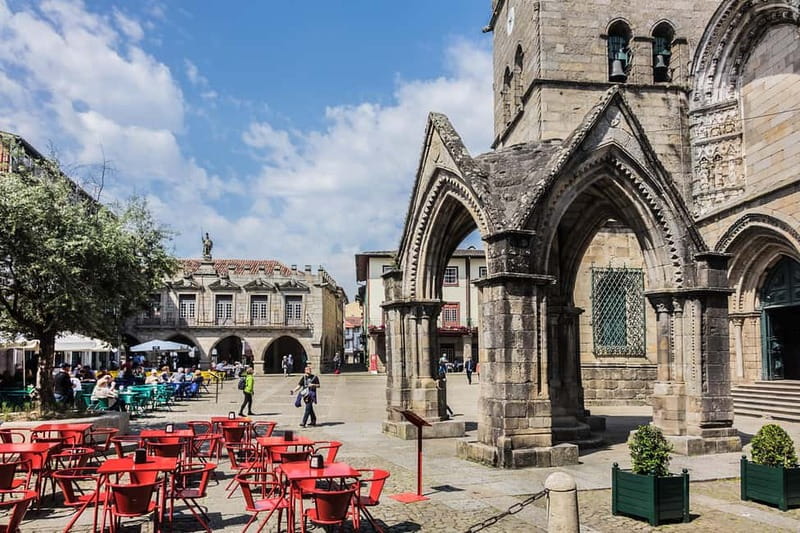
- Largo da Oliveira in the UNESCO heart of Guimarães
- Vinho Verde background and how Portugal’s green wines get made (shared en route)
- Longer pauses at stops can be a deal-breaker if you want constant motion
Why Braga and Guimarães hit so well in one day
This tour works because it stacks two different kinds of pride in the same region. Braga is known as the City of the Archbishops, with church power written into the streets. Guimarães is the Cradle of Portugal, where the past feels closer because the medieval core is still right there to walk through.
I also like the way the day gives you a changing perspective: coach views outside the cities, then tight, guided walking inside them. That mix helps you understand how people historically moved through these places, not just what you’re looking at.
And yes, you’ll get those storybook corners people love to photograph. Guimarães has that fairy-tale feel, with charming historic lanes and cottage-like buildings that look almost too perfect to be real.
Porto to the north: the panoramic coach rhythm
You start with transport from Porto to Braga and back, and the ride is part of the experience. Expect a panoramic bus/coach setup designed so you can enjoy the scenery between stops, not just endure it. The total duration is 8 hours, and you’ll use that time efficiently with short coach legs between cities.
One practical thing: you’ll likely hear context as you travel, including education around the Vinho Verde region and how the iconic green wines are produced. Even if you’re not a wine expert, it adds meaning to the landscape you’re passing through and gives you something to connect to later over lunch.
The tour is also led by a live guide (certified) who works in English, Spanish, French, and Portuguese. If you’re traveling with someone, it’s a nice setup because most language combinations are supported, and the guide can shift explanations to keep the group moving.
Stop 1: Bom Jesus do Monte and its Baroque stairway magic
The day begins at the Sanctuary of Bom Jesus do Monte, a Baroque jewel with UNESCO recognition. You’ll get 1 hour there, including a guided tour focused on the gardens and stairways. This is the kind of site where the details matter: the design is dramatic, but it’s also carefully planned, so you don’t just wander and guess.
Why this stop is worth your energy: it sets the tone for Braga’s religious heritage. Braga’s identity shows up in its architecture, monuments, and long traditions, and Bom Jesus gives you a major reference point right away.
What to watch for on-site is the balance between structured guidance and time to look around. You get guided time, but you also have space to walk the gardens at your own pace for a bit. If you go on a day with clouds or mist, the lighting can be moody in a good way, and the gardens still look impressive.
Braga’s cathedral walk: Sé de Braga and the historic-centre flow
After a short coach transfer, you’ll arrive in Braga and enjoy a 1-hour walking tour of the historic city centre. The main anchor is Sé de Braga, highlighted as the oldest cathedral in Portugal. That’s not just trivia. When you stand in and around a place like this, it helps you understand why Braga became so influential—religion wasn’t a background detail, it shaped the whole city.
I like how the walk is focused rather than long. You get enough time to understand layout and significance without feeling like you’re trudging through Braga for hours. And because you’re walking with a guide, you don’t miss the key “why” behind what you see.
Then you get 1.5 hours of free time for lunch. This is a smart part of the schedule, especially since lunch isn’t included. You can use the time to eat what you actually feel like trying—rather than eating the quickest possible option.
Lunch in Braga: use the 1.5 hours well
Lunch is not included, so you’re choosing your own meal. That’s a good thing, because Braga has plenty of options, and the 1.5-hour window is long enough to do more than just grab a sandwich.
My advice: decide your lunch style early so you don’t lose time. If you want a sit-down meal, use the first part of your free time to find a place with good seating and not too much of a walk uphill. If you prefer something quicker, you can still use the remaining time to do a short self-guided look around nearby lanes.
Also, keep in mind that some tours with “free time” can become rushed if you don’t watch the clock. Set an alarm on your phone and build in a buffer for returning to the meeting point.
The road to Guimarães: more than a transfer
The coach ride from Braga to Guimarães takes about 45 minutes. During this time, you’ll keep moving toward the heart of the day’s second big chapter: Guimarães, the Cradle of Portugal.
This is also where you can take in more regional context. The tour’s highlights point to learning about the Vinho Verde region and how those green wines are made, and the drive is a natural moment for that kind of explanation. You’re not stuck in a classroom; you’re watching changing scenery while the guide connects it to local traditions.
If the weather is wet, the coach becomes even more valuable. One clear benefit from the experience in rainy conditions is comfort: you’re not soaked waiting around in the open, and the guide can adjust practical meeting points so people can gather without hassle.
Guimarães walking tour: castle, palace, church, and those fairy-tale streets
You’ll have about 1.5 hours of guided walking in Guimarães. The tour highlights the Guimarães Castle Park, the imposing Duques de Bragança palace, and the historic Church of São Miguel do Castelo. These are big pieces of the Guimarães story, and the order matters: you start with the defensive and public spaces (castle park), then move through the political power (palace), and end in the religious landmark zone.
What makes this section feel special is how the town fabric supports the history. Instead of isolated monuments, you’re seeing them inside an active medieval core. That’s how Guimarães earns the nickname people love: the atmosphere can feel like you’ve stepped into a fairy tale.
Then the tour culminates at Largo da Oliveira, described as a charming medieval space in the heart of the historic centre, classified as UNESCO World Heritage. This final moment matters because it’s a natural “pause point.” You can take photos, slow your pace, and just absorb the scale of the old streets.
Guides and languages: what good leadership changes
The tour runs with a live guide in multiple languages: English, Spanish, French, and Portuguese. That’s a real value for practical travelers, because you’re not stuck with a one-language explanation you don’t speak.
What I’ve found especially helpful is when guides mix structure with personality. People have noted guides such as Mafalda keeping the information interesting and even funny, while still staying professional. When the guide can do that, the day stops feeling like a checklist and starts feeling like a guided story you can follow.
There is a possible tradeoff to consider: sometimes the guide must handle more than one language in a single group session. If the group is split, attention may not feel perfectly balanced all the time. My best advice is simple: pick a language you can follow comfortably, and don’t worry too much if you miss a line here or there. The key sights still land because you’ll be physically looking at them as the story is explained.
Price and value: what you pay for at $69
At around $69 per person for an 8-hour day, you’re mostly paying for three things: transportation from Porto, guided walking time in two major historic centres, and interpretation across several languages. That’s the bulk of the value.
What’s not included is just as important. Lunch isn’t included, and entry in monuments is also not included. So if you expect the day to cover everything from start to finish with no extra spending beyond the tour ticket, this won’t match that expectation.
Still, it can be a strong deal if you want a guided day without the hassle of planning routes, timing, and which stops are most meaningful. You’re effectively buying a structured itinerary plus a guide who can point out what you’d otherwise miss on your own.
Timing and pacing: comfortable, but don’t ignore the pauses
The day includes coach legs and guided segments, and the time on foot is designed to be manageable. However, one thing to watch is stop length. There’s a specific concern that the first stop may feel like it has a longer pause than the amount of scenery you can see in that window.
What you can do about it: treat the early site like a warm-up, not a race. If you arrive with snacks or a small plan for what you want to photograph, you’ll feel less annoyed if you have to wait a bit for regrouping. Also, consider that some sites require slow movement, and groups need time to gather and move as one.
If you’re someone who thrives on constant motion, you might feel restless. If you’re okay with a balanced rhythm—coach, short walks, and built-in viewing—this is generally a good fit.
Practical tips before you go
Pack for a walking day, even though it’s guided. Comfortable shoes matter, especially in historic centres where surfaces can be uneven and some areas feel steep.
Bring a light layer and something for rain. Even when the weather is wet, people have still enjoyed the day because the coach is comfortable and the guide can choose practical meeting points. You’ll enjoy the day more if you’re not dealing with cold hands and soggy sleeves.
Finally, keep your budget flexible. Since lunch and monument entry aren’t included, you can make choices that match your appetite and priorities without feeling boxed in by a fixed lunch plan.
Who this tour is best for
This is a good choice if you want a guided day that gives context, not just photos. I think you’ll like it if you enjoy religious architecture, medieval towns, and learning how local traditions connect to places.
It’s also a smart pick for first-timers in Portugal’s north. In one day, you’ll touch the major identity of each city: Braga’s ecclesiastical heritage and Guimarães’s origins and medieval core.
One more reality check: it’s not suitable for wheelchair users, so plan around that if accessibility is a must.
Should you book the Braga and Guimarães Heritage Tour?
I’d book it if you want an efficient, guided heritage day with good value at $69, especially because you get transport from Porto plus guided walking time in two UNESCO-recognized areas. The Bom Jesus do Monte starting point is a strong way to anchor the religious and cultural story, and Guimarães gives you that “storybook old streets” feeling with castle, palace, and church landmarks.
I’d skip it or think twice if you hate idle time at stops. If you’re the type who needs constant movement, those pauses could annoy you. Also, if you’re hoping for lunch and monument entry to be fully covered, you’ll need to budget separately.
If you’re comfortable with a paced day—coach when you need it, walking when it counts—this tour is a solid way to see Braga and Guimarães without getting lost in logistics.
FAQ
How long is the tour?
The tour lasts 8 hours total.
Where does the tour start in Porto area?
Meeting point may vary depending on the option booked, with starting-location options including Igreja da Lapa and Largo da Lapa 1.
Is lunch included?
No. Lunch is not included, and there is free time for you to eat on your own.
Are monument entrance fees included?
No. Entry in monuments is not included.
What languages are the guides available in?
The live tour guide provides narration in English, Spanish, French, and Portuguese.
Is the tour wheelchair accessible?
No. The tour is not suitable for wheelchair users.