
REVIEW · DOHA
Doha: Combo Heritage & Art Tour of North and West Qatar
Book on GetYourGuide →Operated by Falcon Tours Qatar · Bookable on GetYourGuide
Art, forts, and abandoned pearl history in one day. You’ll travel from Doha into North and West Qatar for a day that mixes archaeology, coastal culture, and desert-scale modern sculpture. The best part is the rhythm: old trading routes in stone, then steel and light playing against sand.
I love the contrast between Olafur Eliasson in the desert and Richard Serra’s towering forms in open space. I also like how the tour leans on story-driven guidance, with guides such as Junaid or Javid known for turning each stop into something you can picture and remember.
One possible drawback: the schedule is efficient, with short stop times, so it’s not a slow, linger-all-day plan.
In This Review
- Key highlights at a glance
- A smart 7-hour combo across Qatar’s north and west
- Pickup from Doha and what to expect day-of
- Al Ruwais: a quiet coastal start before the past takes over
- Al Jumail abandoned pearl village: history you can walk through
- Olafur Eliasson’s desert installation and the Purple Island moment
- Al Zubarah Fort (UNESCO): trading routes explained in stone
- Zekreet and Richard Serra’s East-West/West-East sculpture
- Comfort, timing, and photo strategy (so you don’t feel rushed)
- Guides matter here: the difference between seeing and understanding
- Who this tour suits best (and who should consider a different pace)
- Book it or skip it: my decision guide
- FAQ
- How long is the Doha combo heritage and art tour?
- Where is pickup in Doha, and how do they confirm it?
- Is the tour guide available in English?
- What are the main stops included on this tour?
- Are meals included?
- What should I bring for the tour?
- Is free cancellation available, and is reserve-and-pay-later offered?
Key highlights at a glance
- Desert-scale modern art in two different styles, Olafur Eliasson and Richard Serra
- Al Zubarah Fort (UNESCO), a preserved fortress tied to trade and settlement
- Al Jumail Abandoned Village, former pearl-diving life frozen in place
- Al Ruwais as a calm coastal start, before the desert takes over
- Zekreet area stops that set up serious photo moments in harsh light
- Comfort and basics included, with air-conditioned transfers and bottled water/tea/soft drinks
A smart 7-hour combo across Qatar’s north and west
This tour works because it doesn’t treat Qatar like one big checklist. You get coastal context first, then the story moves inland to pearl-era settlements, and finally ends with big modern sculpture—where the desert isn’t a background, it’s part of the artwork.
In a single 7 hours, you cover multiple “Qatar modes”: working-sea culture (Al Ruwais), maritime trade history (Al Jumail and Al Zubarah), and contemporary art built for harsh, open spaces (Zekreet and the desert installations). It’s the kind of day that leaves you with images in your head, not just place names.
If you’re the type who likes your travel days to have a through-line, this one does. The through-line is the way people have used this region—by sea, by trade, and now by art.
You can also read our reviews of more historical tours in Doha
Pickup from Doha and what to expect day-of
You’ll start in Doha with a pickup from your selected location by an air-conditioned vehicle. On the day of your tour, the guide contacts you via call or WhatsApp to confirm the pickup details.
That matters more than it sounds. North and West Qatar have long stretches of road, and a smooth pickup keeps the day from slipping into stress. The tour also includes bottled water, tea, and soft drinks, which helps when you’re out in the sun longer than you expect.
Group style is flexible: a private group option is available if you want more control over pacing and photos. If you’re traveling with family or want extra conversation time, that private option can be worth it.
Al Ruwais: a quiet coastal start before the past takes over
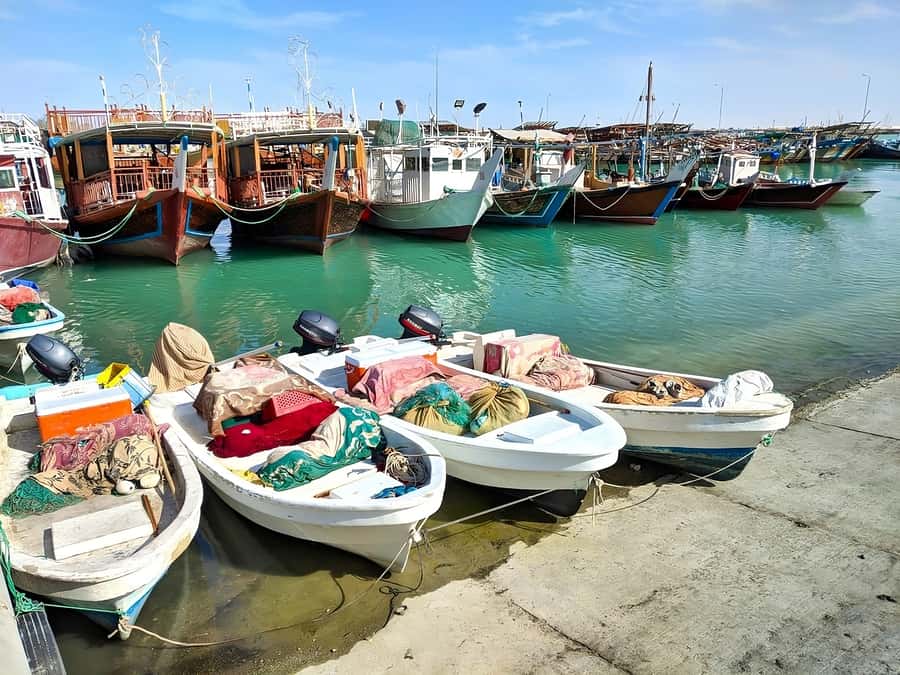
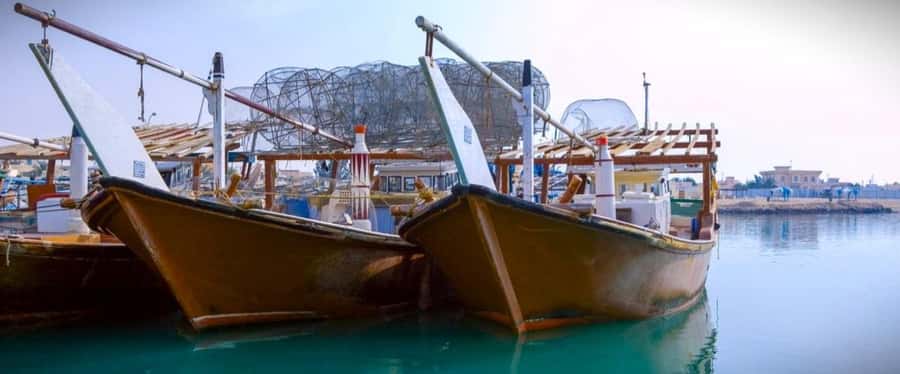
The day begins with a stop in Al Ruwais, where you’ll get around 30 minutes. This is not the place for heavy sightseeing. It’s a coastal reset—traditional fishing culture and sea views that help you understand why communities in this region mattered.
In practice, I’d use this time for two things:
- Get your bearings with photos and a wide view of the coast
- Refill your energy before the art and forts start demanding your attention
It’s also a good moment to put on sunscreen and a hat. Even when you feel “fine” indoors, the desert sun doesn’t care.
Al Jumail abandoned pearl village: history you can walk through
Next comes Al Jumail Abandoned Village with about 30 minutes. This former pearl-diving settlement gives you a very physical sense of what life used to depend on.
What makes this stop hit is how the buildings feel left mid-story. You’re not just reading about a past economy—you’re standing near the spaces where people lived, worked, and moved around daily routines tied to the sea. Even with a short visit, you can still piece together the scale of the place.
Photo tip: look for strong shadows on walls and doorways. In open desert daylight, angles and texture show up fast. If you’re doing portraits, turn the camera slightly away from direct sun to keep the image from going flat.
Olafur Eliasson’s desert installation and the Purple Island moment
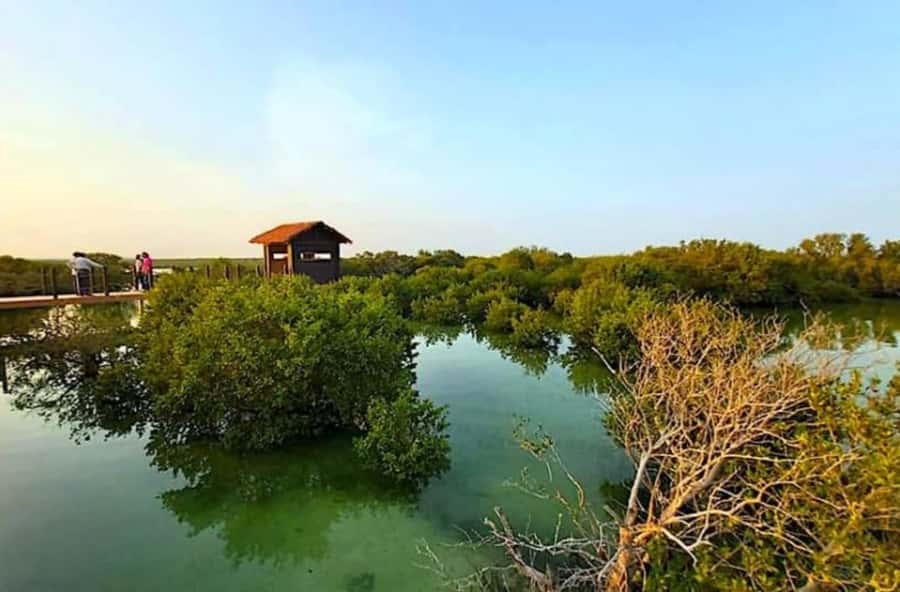
After Al Jumail, the tour shifts into desert art territory. You’ll have about 30 minutes for Olafur Eliasson’s Desert Installation, a work designed to interact with nature rather than compete with it.
Then there’s the Purple Island stop. Think of this as a quick but memorable visual break—one of those places where the color and shape make you stop, look twice, and take too many photos. It’s the kind of roadside moment that turns a long day into a collection of small wins.
For this portion, the biggest practical advice is to move slowly even if time is tight. Desert art can feel “simple” at first glance, then suddenly you notice how the light changes edges, surfaces, and shadows. Give yourself a minute to watch what shifts before you aim the camera.

Al Zubarah Fort (UNESCO): trading routes explained in stone
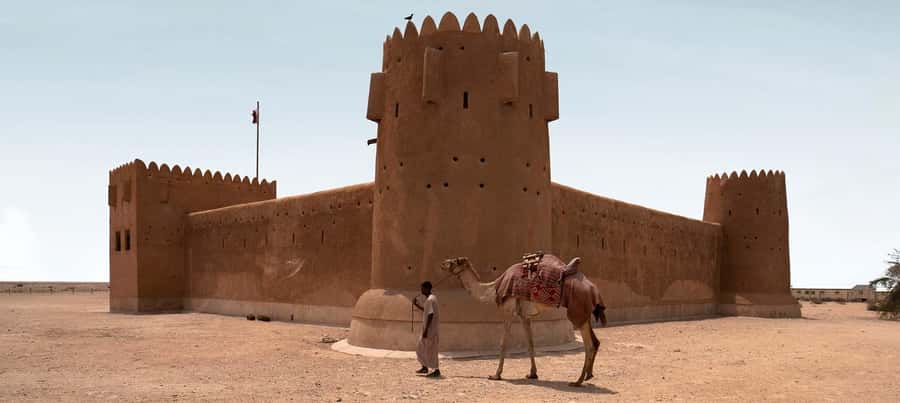
If there’s one stop on this tour that benefits most from a guide, it’s Al Zubarah Fort. You’ll spend about 40 minutes here, and it’s a UNESCO-listed site—meaning the preservation helps you see the structure and layout clearly.
What you’re looking at isn’t only a fortress. It’s tied to trading and settlement patterns that shaped the region. A good guide will help you connect the walls and towers to the reality of movement: people, goods, and ideas traveling through this part of Qatar.
In your head, try to picture the fort as both protection and communication. Thick walls kept risk away, but strategic positioning kept the community connected. It makes the “history” feel practical, not abstract.
If you want photos, arrive ready to shoot both wide and medium views. Wide shots show the fort’s scale; medium shots pick up carvings, masonry rhythm, and the way the fort rises against open space.
Zekreet and Richard Serra’s East-West/West-East sculpture
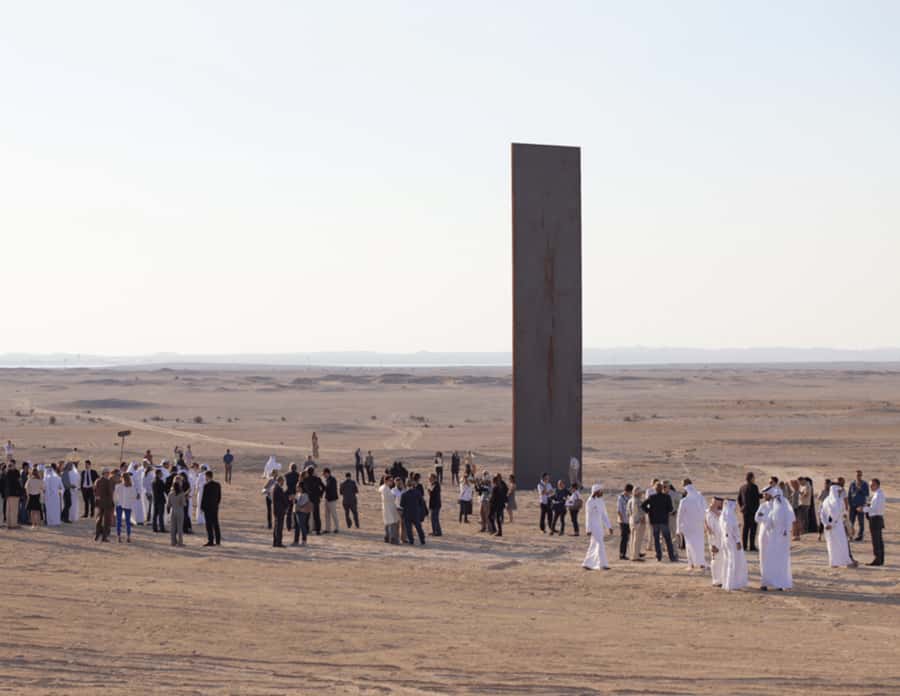
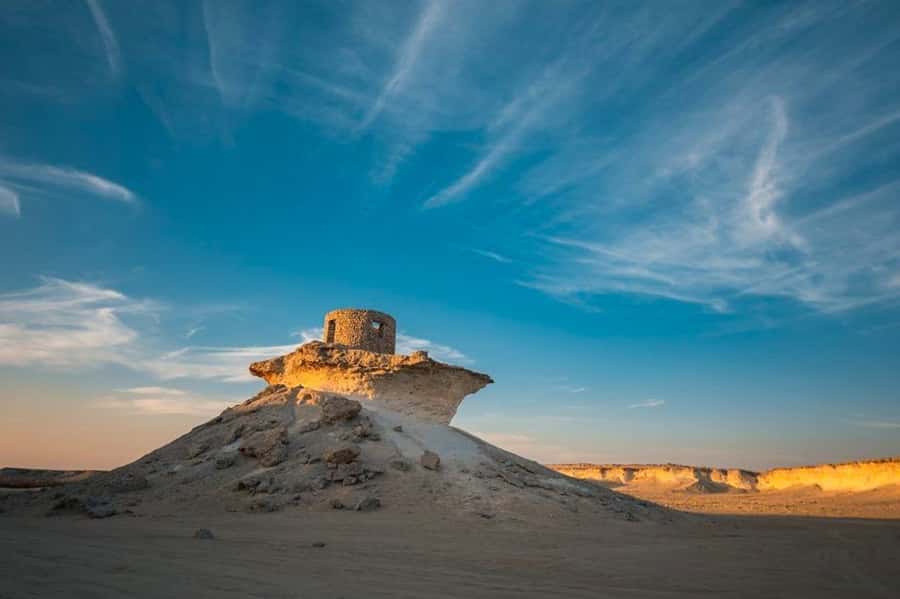
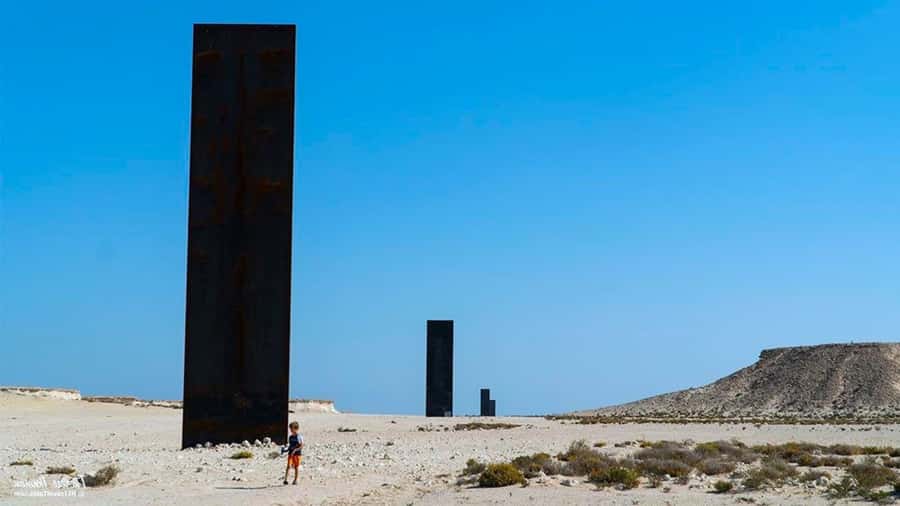
Next is Zekreet, with about 30 minutes. This area sets you up for the final art stop: Richard Serra’s East-West/West-East monumental steel installation, where you’ll have about 40 minutes.
This is where the tour goes from “interesting places” to something more physical. Serra’s work is all about weight, height, and the way steel interacts with space. The experience is less about reading panels and more about moving around the sculpture and noticing how sightlines change as you shift your position.
Practical advice:
- Take at least one wide shot, even if you think you won’t
- Then take close shots that show the steel texture and the scale against people
- Walk the perimeter slowly once before you commit to your final photo angles
If you’re a serious photographer, be ready for fast changes in lighting. Desert conditions can flip the mood of a scene in minutes, and that’s actually part of why these sculptures work so well here.
Comfort, timing, and photo strategy (so you don’t feel rushed)
This is a compact day with several separate stops, and the best way to enjoy it is to plan your energy like you would for a sports match: quick bursts, then recovery.
Here’s how to make it smoother:
- Wear light layers and breathable fabric
- Bring a hat and sunglasses; the glare can be intense
- Use the included water/tea/soft drinks early, not only at the end
Because meals aren’t included unless you select an add-on, I’d plan for snacks. Even if you’re not hungry, a small bite can keep your brain focused during the fort and sculpture segments.
For photos, the biggest win is to avoid only shooting from one spot. Both Eliasson’s desert work and Serra’s steel installation reward movement. If you take one slow walk while everyone else lines up for the first angle, you’ll come away with images that feel more like you.
Guides matter here: the difference between seeing and understanding
The tone of the day depends heavily on your guide. Many guests get a strong guide experience, including guides like Junaid and Javid, who are praised for storytelling and for explaining what you’re seeing in context.
This tour isn’t only about admiring famous names. It’s about understanding why these places are arranged this way:
- Al Ruwais gives coastal grounding
- Al Jumail shows a pearl-era settlement in an eerie, quiet state
- Al Zubarah Fort frames the region through trade and settlement
- The art stops translate the same environment into modern form
When your guide connects those points, the day turns into a coherent story instead of a sequence of brief stops.
If you want to make the guide work for you, ask one question per stop. For example: what did people do here, day-to-day? That one question tends to unlock better answers and helps you remember more later.
Who this tour suits best (and who should consider a different pace)
This tour is ideal if you:
- Love a blend of history and art
- Prefer guided context over wandering alone
- Want a strong “photo day,” but still like learning something real at each site
It may not fit if you:
- Want long time at each place to read every detail without time pressure
- Get frustrated by multiple short transitions in one afternoon
- Plan to treat this as your only deep exploration of Qatar’s north and west
If you’re on a tight schedule and you want a single, efficient overview, this one is a strong choice. If you want slow travel with zero rush, you might pair this with later independent time in one or two areas.
Book it or skip it: my decision guide
I’d book this tour if you want a day that mixes UNESCO fort details, abandoned pearl village atmosphere, and desert-scale art by Olafur Eliasson and Richard Serra. You’ll get air-conditioned round-trip transport, English guidance, and key site entrances covered, plus drinks to keep you comfortable between stops.
I’d rethink it if you’re the kind of traveler who needs 2–3 hours at one location to feel satisfied. With multiple stops and short segments, this experience rewards curiosity more than it rewards lingering.
If you’re unsure, here’s an easy rule: if you like “many highlights, guided,” book it. If you want a single-site deep day, consider a different format.
FAQ
How long is the Doha combo heritage and art tour?
The tour duration is listed as 7 hours.
Where is pickup in Doha, and how do they confirm it?
Pickup is included from Doha. On the day of the tour, the guide contacts you by call or WhatsApp to arrange pickup service.
Is the tour guide available in English?
Yes. The tour guide is listed as English-speaking.
What are the main stops included on this tour?
Included stops are listed as Al Zubarah Fort, Al Jumail Village, the Olafur Eliasson art site, Zekreet with the Richard Serra East-West/West-East monumental sculpture entrance, plus stops in the north/west route such as Al Ruwais.
Are meals included?
Meals are not included, unless you choose a selected add-on.
What should I bring for the tour?
Bring your passport or ID card. A copy is accepted.
Is free cancellation available, and is reserve-and-pay-later offered?
Yes. You can cancel up to 24 hours in advance for a full refund, and the option Reserve now & pay later is offered so you can book without paying immediately.
You Might Also Enjoy
 Private Tour of the Belvedere Palace with an Art Historian: “Pictures of Austrian Identities”. Art & History Tour with Skip-the-line Tickets
 3-4 Hour Old Delhi Heritage Walk Tour with Tuk Tuk Ride Wherever Required
 Dolphin and Wildlife History Tour
 Barcelona: Tipsy Tapas & History Tour in the Gothic Quarter