REVIEW · NORTH ISLAND
Bullswool Heritage Farm General Entry Ticket
Book on Viator →Operated by Bullswool Heritage Farm · Bookable on Viator
You can get very close to the animals here. Bullswool Heritage Farm mixes working farm culture with small museum stops, all on walking tracks through 100 acres of native bush and hill country near Karangahake Gorge. The result is a family-friendly, seriously practical half-day that’s not just photo ops.
I especially like the hand-feeding part, because it turns “looking” into doing. I also like the way the farm tells early New Zealand rural stories through hands-on museum-style exhibits like the working sheepshed and milking shed. The one thing to consider is that it really does run best with good weather, since you’ll be out on the grounds.
In This Review
- Key things to know before you go
- Bullswool Heritage Farm in the Coromandel: what you’re really buying
- Timing and your best visit window (2–3 hours that can stretch)
- Animal feeding: the main event (and the reason this is worth it)
- Stop-by-stop: what you’ll do once you arrive
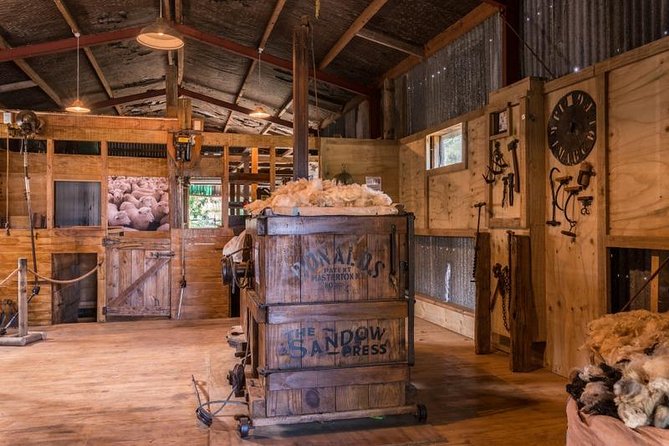
- Working sheepshed museum: early farming life, in plain language
- Early milking shed museum: see the process behind the product
- Working horses of NZ stable museum: when “farm” includes skill
- Historic kauri & gold museum: a Coromandel angle beyond the farm
- Karangahake Native Bird Reserve: conservation with real atmosphere
- Kids’ play areas: built for families, not just passersby
- The farmgrounds experience: how to pace your visit
- Price and value: what $11.17 buys you in real terms
- Service, vibe, and who runs the place
- Weather and comfort: a small catch that matters
- How to use Bullswool as part of a bigger day
- Should you book Bullswool Heritage Farm?
- FAQ
- How long does the Bullswool Heritage Farm experience take?
- What does the general entry ticket include?
- How much is the ticket?
- Where do I get the ticket?
- What hours are the farm open?
- Do I need good weather?
- Can I cancel for a refund?
- Are service animals allowed?
- Is this suitable for families and most travelers?
Key things to know before you go
- Hand-feed friendly animals along walking tracks, so you control the pace.
- Working museums (sheepshed and early milking shed) explain farming life in a straightforward way.
- Native Bird Reserve is part of the visit, tied to conservation work.
- Extra museum stops include a horses stable museum and a historic kauri & gold museum.
- Kids’ play areas help families stretch the time without forcing it.
- You’re on your own schedule for how long you stay within the general 2–3 hour visit window.
Bullswool Heritage Farm in the Coromandel: what you’re really buying
At $11.17 per person, you’re paying for far more than a ticket to see animals behind fences. This is set up like a self-paced day out: you wander, you stop, you feed, you learn a bit, and you keep moving at a pace that works for your group. That matters, because a lot of “farm attractions” feel rushed. Here, it’s designed so you can linger over the parts you like.
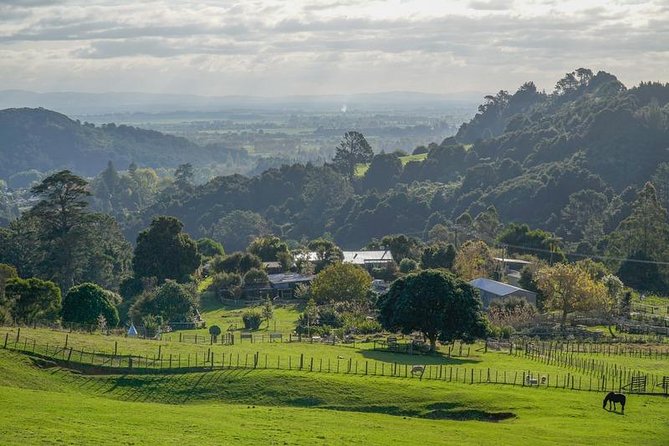
The farm sits on 100 acres of mature native bush and hill country, and it’s minutes from the Karangahake Gorge area. That location is useful if you’re already doing Coromandel sightseeing and want a rural break that feels different from beaches and lookouts.
You’ll also get a mobile ticket, which is convenient if you’re hopping between spots without wanting to manage paper vouchers. And because it’s open Tuesday to Sunday from 10:00 AM to 4:00 PM, it fits neatly into most itineraries without needing a special tour time.
Timing and your best visit window (2–3 hours that can stretch)
Bullswool is typically a 2 to 3 hour experience. That’s a sweet spot for most families and most road-trip schedules. It’s long enough to do animal feeding plus the museum stops, but not so long that you’ll feel trapped.
If you’re going with kids, I’d plan for the full range. Play areas and feeding take time, especially when kids want to repeat the same animal interaction. One practical tip: wear shoes you don’t mind getting a little farm-dusty, because you’re walking tracks across the grounds.
For adults who love history but don’t want a lecture, this also works. The exhibits are set up so you can dip in, read what you want, and then move on—no “stuck inside” feeling.
Animal feeding: the main event (and the reason this is worth it)
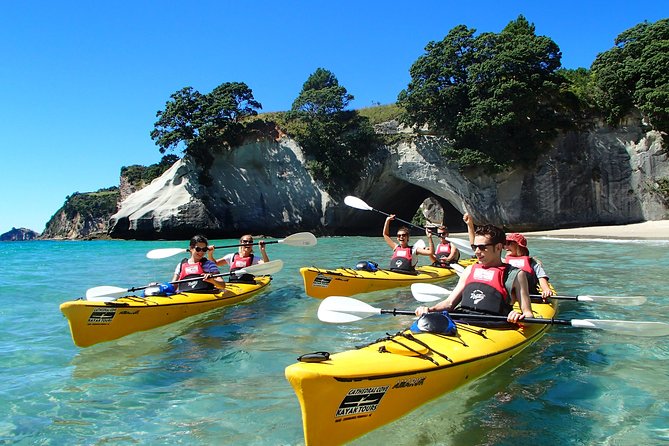
The biggest draw is simple: you can follow the walking tracks and get close to friendly animals you can hand-feed. That’s the part most people remember because it turns the experience into a two-way interaction.
Here’s how I’d think about it for your day:
- If you like animals, you’ll spend time here first, then build the rest of your visit around what you see.
- If you’re not an animal person, the feeding can still be worth it because it anchors the farm’s rural feel. It’s one of those activities that makes the rest of the history museums click into place.
There’s also a conservation angle built into the overall operation, including an award-winning Karangahake Native Bird Reserve. So even if your group comes for the animals, you’ll likely leave with a better sense of why they’re protected.
One consideration: feeding means you should be prepared to stay a bit more observant than you would in a purely scenic park. Follow staff guidance, keep a sensible pace, and remember that kids can get excited fast.
Stop-by-stop: what you’ll do once you arrive
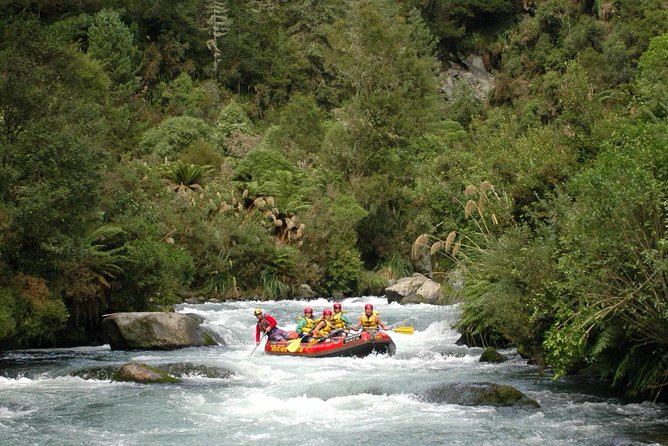
Bullswool works as a series of connected experiences rather than one single “attraction.” You arrive, settle into the tracks, and then choose the order that fits your energy level.
Working sheepshed museum: early farming life, in plain language
The Working Sheepshed Museum is about early New Zealand farming pioneers and how wool and sheep shaped rural life. What I like about this kind of exhibit is that it doesn’t require a specialist background. You can look, read the basics, and get the sense of how work was done.
For families, this also helps explain why sheep and wool matter in a way that feels connected to the rest of the farm—not just a separate museum room.
Early milking shed museum: see the process behind the product
The Early Milking Shed display Museum gives you a snapshot of old-school dairy work. Even if you’ve never milked anything, it helps you understand the day-to-day rhythm of farm life—how animals, timing, and equipment all mattered.
This stop tends to work well right after you’ve seen other farm elements because it adds context. The animals you’ve been feeding start to feel part of a bigger story.
Working horses of NZ stable museum: when “farm” includes skill
You’ll also find a Working Horses of NZ Stable Museum. Horses were central to a lot of farm work, and this kind of exhibit is useful because it reminds you that rural history isn’t only about crops and buildings. It’s also about animals trained for daily tasks.
Even if your kids run back to the feeding pens, adults often get a stronger appreciation of rural work from the horse story.
Historic kauri & gold museum: a Coromandel angle beyond the farm
The Historic Kauri & Gold Museum broadens the day. It’s a change of pace from farm routine, and it ties local resources to the bigger regional story.
This is the kind of extra that makes a low-cost farm ticket feel more like a full-day destination. It also gives you something to do if one part of the group wants animals while another part wants learning.
Karangahake Native Bird Reserve: conservation with real atmosphere
One of the standout inclusions is the Karangahake Native Bird Reserve, described as award-winning for conservation work. I like this piece because it keeps the visit from becoming only “cute animal time.”
Bird reserves add a different tempo. You slow down, you watch more than you interact, and you start noticing how habitat protection is tied to the farm’s identity as a place to care for living things.
If your group is into nature, this is where the day can feel extra meaningful without becoming complicated.
Kids’ play areas: built for families, not just passersby
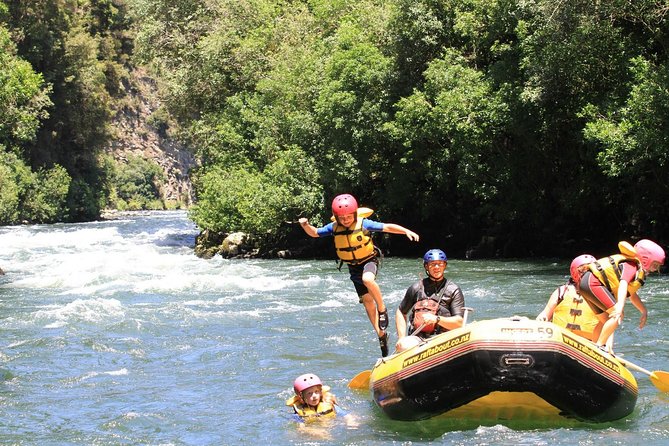
There are fantastic kids’ play areas on site. That matters because it helps families stay longer without everyone getting restless. If you have little ones, it also gives you a pressure-free option when they’ve had enough of feeding for the moment.
One practical approach: do the busiest animal-feeding stretches earlier, then use the play areas to reset energy. You’ll usually get a better mood for the later museum stops that way.
The farmgrounds experience: how to pace your visit
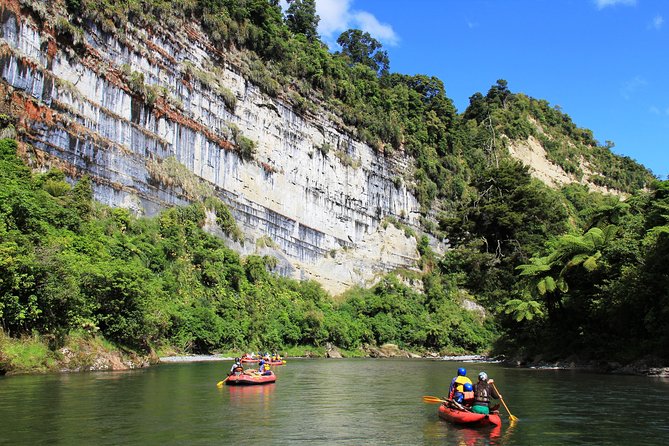
The farm sits on connected walking tracks, so you can’t really “skip around” without moving through the grounds. That’s good, because it keeps the visit from feeling like a checklist.
Here’s a pacing plan that works for most groups:
- Start with the animal areas so excitement is high.
- Split the museum stops across the middle of your visit.
- Finish with whatever part your group liked best, because you’ll likely still have energy at the end.
From the way people talk about their visits, families often spend longer than they expect—especially when kids keep asking to feed one more animal. If you want that, plan a half-day and keep an easy buffer after.
Price and value: what $11.17 buys you in real terms

Let’s be honest: $11.17 feels low for a 2–3 hour, family-friendly experience. That low price is part of the value story because it encourages you to actually spend time there instead of treating it like a quick stop.
You’re getting:
- Animal feeding as a core activity
- Multiple museum-style exhibits (not just one)
- A native bird reserve conservation component
- Kids’ play areas on site
Even better, there are no obvious time-pressure vibes described for the experience. The real “cost” is your time on the grounds and your patience for farm excitement.
If you’re road-tripping through the Coromandel and want something that feels authentically Kiwi without burning your budget, this is the kind of stop that earns its keep.
Service, vibe, and who runs the place

Hospitality matters in small attractions, and Bullswool is associated with a welcoming owner experience—Sue is specifically mentioned as making a family visit special. That kind of personal care can show up in small details: how easy it feels to ask questions, how comfortable the atmosphere is for different ages, and how well things are kept.
The overall vibe is clean, well cared for, and geared toward families and animal lovers. That’s a big deal because “animal experiences” can go either way—some feel neglected, some feel organized. This one is described as cared for and tidy, which makes the whole day more pleasant.
Weather and comfort: a small catch that matters
This experience requires good weather. That’s not a buzz-kill, it’s just reality: you’ll be on tracks outdoors, and you’ll get more enjoyment when it’s dry and comfortable.
If the forecast looks dodgy, I’d watch the timing. Going earlier in the day can help, but you’ll still want to check conditions the day-of. If it’s canceled due to poor weather, you’ll be offered a different date or a full refund.
How to use Bullswool as part of a bigger day
Because it’s close to the Karangahake Gorge area, Bullswool is a strong partner stop. You can do gorge time for views and then swap to farm time for hands-on fun.
Also, if you’re coming from Auckland and heading toward Tauranga, it’s the type of detour that breaks up the drive without feeling like a long mission. It’s one of those stops that can turn a travel day into a “real day out.”
If your group includes both kids and adults with different interests, this works well because everyone can find something:
- Kids: feeding and play areas
- Adults: museum stops and conservation reserve
- Everyone: the walking tracks that connect it all
Should you book Bullswool Heritage Farm?
If you want an easy, family-friendly Coromandel activity that’s cheap, hands-on, and genuinely Kiwi, I’d book it. The combination of animal feeding, multiple farm-linked museum stops, and the native bird reserve makes it feel like more than one attraction.
Skip it only if you don’t handle outdoor walking well in variable weather, or if your group would rather do fully guided, timed attractions. Otherwise, Bullswool is a smart use of a half-day—and a strong choice when you want real rural character, not just scenery.
FAQ
How long does the Bullswool Heritage Farm experience take?
It’s approximately 2 to 3 hours.
What does the general entry ticket include?
Admission to Bullswool Heritage Farm is included.
How much is the ticket?
The price listed is $11.17 per person.
Where do I get the ticket?
You’ll use a mobile ticket.
What hours are the farm open?
Tuesday through Sunday, from 10:00 AM to 4:00 PM.
Do I need good weather?
Yes. The experience requires good weather. If it’s canceled due to poor weather, you’ll be offered another date or a full refund.
Can I cancel for a refund?
Yes. You can cancel up to 24 hours in advance for a full refund.
Are service animals allowed?
Service animals are allowed.
Is this suitable for families and most travelers?
It’s described as fun for all ages, and most travelers can participate.