REVIEW · LOIRE VALLEY
Château de Buranlure 1000 Years of History Heritage and Oenology
Book on Viator →Operated by Château de Buranlure · Bookable on Viator
A real castle stop with real time-warp vibes. Château de Buranlure is a 14th–16th century monument that’s described as unchanged since the 17th century, so you don’t just look at stones—you get context. The visit is guided and timed well if you want history without burning half a day.
I especially like how focused it stays: you get a guided castle visit in about 45 minutes, and the on-site heritage story is the point. I also like that the experience connects to what’s made there, with wine and even honey sold on the property.
One thing to consider: the tour includes the castle admission, but alcoholic wine tastings are not included, so you may want to budget a little extra if you plan to drink.
In This Review
- Key things to know before you go
- Why Château de Buranlure feels different from a typical castle stop
- Entering the château: what you’ll actually do in those 45 minutes
- The 14th–16th century château story (and why the 17th-century continuity matters)
- What to expect from the guide’s explanations
- Wine tasting: what’s included and what costs extra
- Honey from the property: a small souvenir with big local logic
- Price and value: is $9.53 actually a good deal?
- Best-fit traveler: who will enjoy this most
- Practical tips that make the experience smoother
- Should you book Château de Buranlure?
- FAQ
- How long is the Château de Buranlure visit?
- Is the castle admission included in the price?
- Is wine tasting included?
- Is the tour offered in English?
- Do I get a mobile ticket?
- When will I receive confirmation after booking?
- Are service animals allowed?
- What is the cancellation policy?
Key things to know before you go
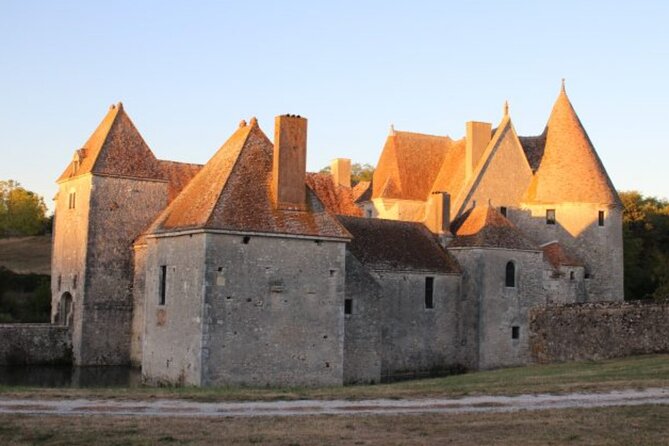
- A castle classified as a historical monument: you’re walking through a protected site, not a modern “theme” set-up.
- 14th–16th century roots, 17th-century look: the building is described as unchanged since the 1600s, which makes the visit feel surprisingly steady across time.
- English-language guide available: the tour is offered in English, which keeps the history clear and usable.
- About 45 minutes, so it fits into a day: it’s short enough to pair with other Loire Valley stops.
- Wine and honey are part of the experience: you can enjoy the estate connection even if you only want to browse.
- Alcohol is extra: tasting wines from the estate is listed as not included if you’re thinking about alcoholic pours.
Why Château de Buranlure feels different from a typical castle stop
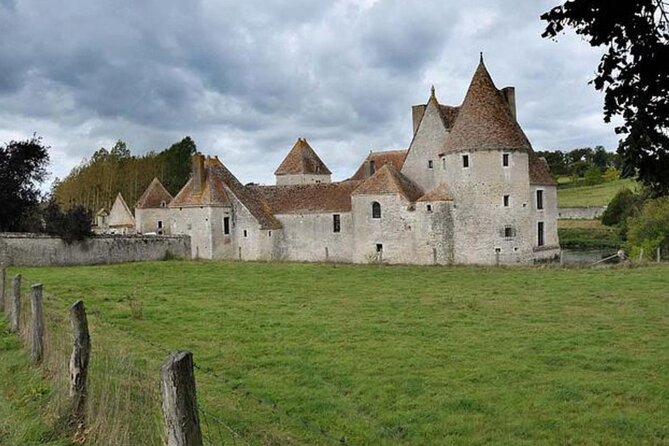
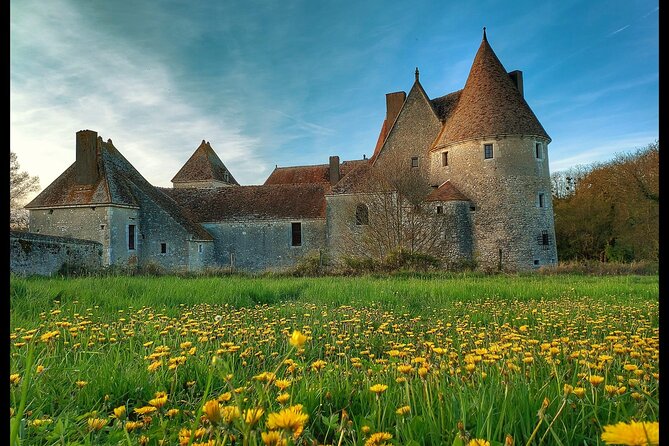
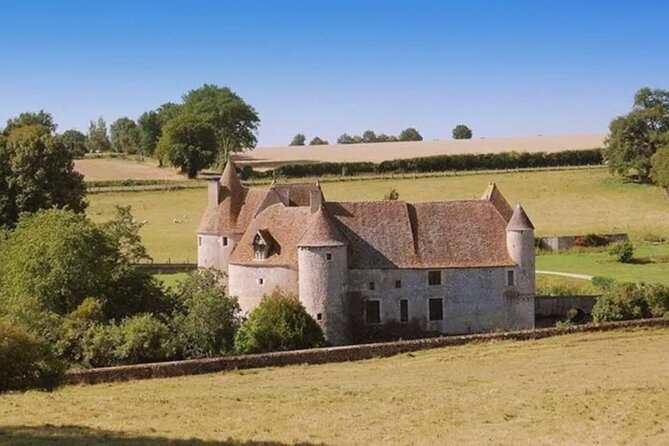
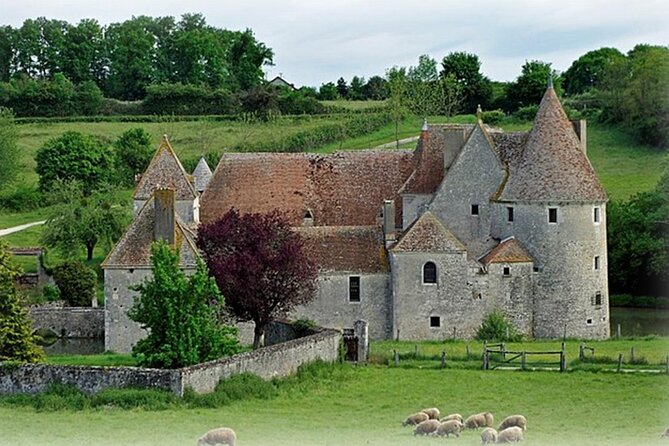
Château de Buranlure is the kind of place where the details do most of the talking. It’s a real castle with a long paper trail behind it: a 14th to 16th-century château that’s been classified as a historical monument. That classification matters because it usually means rules, preservation work, and respect for what’s already there. You’re not just consuming a postcard view—you’re standing in a protected site.
The bigger hook is the “unchanged” element. The château is described as unchanged since the 17th century, which is a rare promise for any historic home. In practical terms, it means you’ll likely spend your time looking at a layout and atmosphere that feel consistent. No constant reinventions. No “we rebuilt it to look old” feeling. You come expecting the past to hold still for a bit, and the design supports that.
And the visit is guided. The guide’s explanations are called out in the best feedback as genuinely interesting. That’s key. A castle can be impressive, but what makes it memorable is knowing what you’re looking at and why it matters.
Entering the château: what you’ll actually do in those 45 minutes
This experience is built around one main stop: the château itself. You’ll show up, you’ll get checked in, and then you’ll tour the interior with a guide. The whole thing runs about 45 minutes (approx.), so it’s not a slow, hours-long wander.
That time limit is a plus if you travel like most people do: you want something meaningful, but you also don’t want to lose your whole day. A short guided castle visit can be a sweet spot—enough time to understand the place, not so long that you start zoning out.
Because the information you get is part of the experience, I’d treat the first few minutes like your “setup time.” Listen closely at the start. When you understand what period matters most—here it’s the 14th–16th century story and the 17th-century continuity—the rest of the visit makes more sense. If the guide points out features, materials, or how the property has evolved, those details will click faster if you’re paying attention early.
The 14th–16th century château story (and why the 17th-century continuity matters)
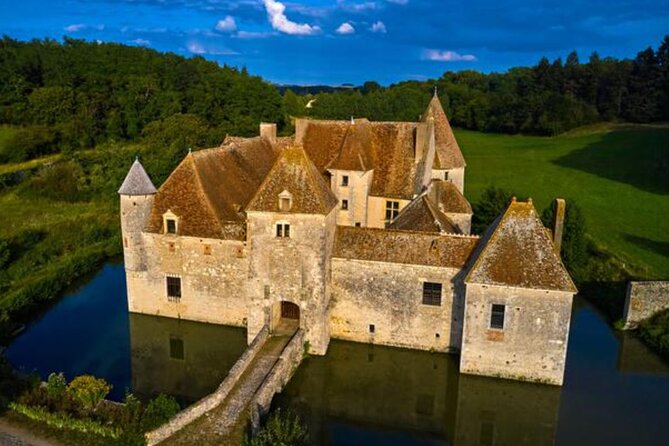
Château de Buranlure is presented as a journey through time. That’s not just marketing language. With a site like this, the “story” is what turns a building into a place you remember.
Here’s the practical version of what that means for you:
- You’re walking through a building whose key chapters are tied to the 1300s through the 1500s.
- At the same time, the château is described as unchanged since the 17th century, so it carries a stable look and feel from that later era.
That combination can be powerful. Many historic sites stretch across multiple centuries but feel layered—different rooms, different styles, different rebuilds. Buranlure’s promise is that there’s a steadier snapshot, which makes it easier to picture how people used the space.
Also, it’s a historical monument, so the experience is framed as heritage tourism. That usually means the guide is focused on interpretation: what makes this castle significant, and what to notice so you don’t miss the important bits.
What to expect from the guide’s explanations
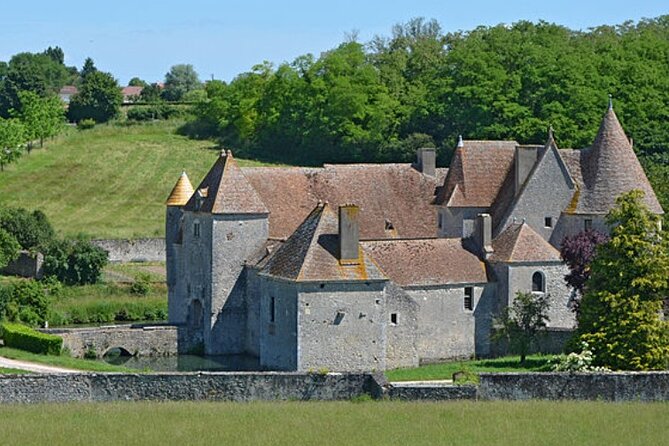
The best feedback highlights the guide’s explanations as interesting. That’s exactly what I’d look for in a 45-minute visit, because with limited time, the guide can’t just recite dates. They need to give you a way to “read” the building.
So expect the tour to emphasize interpretation rather than only description. You might hear explanations about what preserved the château’s character, why the site matters as a monument, and how the estate connects to everyday life, including wine and honey.
Even if your French is basic, an English-language tour helps. You’re not guessing. You’re learning the story in a way you can repeat later to friends—or at least remember when you look at a photo.
Wine tasting: what’s included and what costs extra
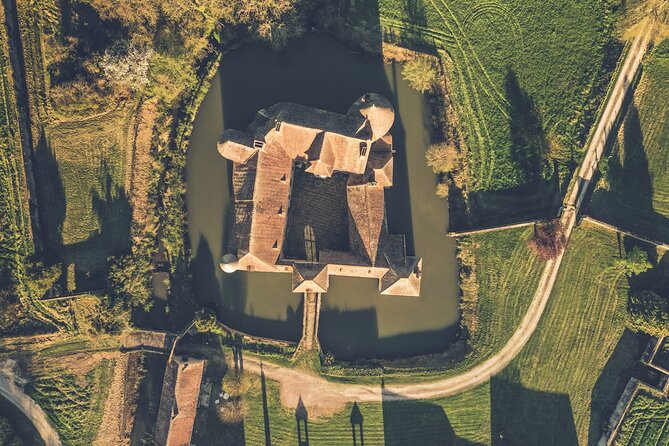
The château is tied to wine tourism, and the estate offers wine tasting. But here’s the important part for your planning: the tour lists wine tasting of the property in the overview, while the “not included” section specifies alcoholic beverages (tasting wines from the estate). In plain terms, you should plan on wine tasting being available on-site, but you’ll likely pay separately if you want the alcoholic pours.
How to use that info like a smart traveler:
- If you’re a wine drinker, budget a bit more so you don’t feel caught off guard.
- If you’re not drinking alcohol, you can still enjoy the setting and the heritage story without spending extra on tastings.
I like that the château doesn’t pretend wine is free. That keeps the value honest. You’re paying for the castle visit, and you choose how much to add.
Honey from the property: a small souvenir with big local logic
The estate also sells honey from the property. That’s a detail that sounds minor until you think about it. Honey is a local product tied to how an estate works, not a random gift-shop item.
This is one of those “small” stops that can make the visit feel more connected. It turns a castle tour into a visit to an operating estate. If you like food souvenirs, this is the kind that makes sense to bring home, because it’s rooted in the place you just saw.
If you’re choosing between buying nothing and buying one thing, honey is an easy choice. It’s relatively practical, and it fits the estate story better than generic trinkets.
Price and value: is $9.53 actually a good deal?
At $9.53 per person, this is priced like an easy add-on to a travel day. The value isn’t only the low cost. It’s what the money buys:
- Admission to the castle is included.
- The visit is guided and runs about 45 minutes, which makes it efficient.
- It’s offered in English, so the learning curve is lower.
- You’re visiting a historical monument with a “unchanged since the 17th century” pitch, which is rarer than many castle experiences.
Where value can dip a little is in the alcohol part. If you assumed wine tasting drinks were included, you’d want to adjust expectations. The tour includes the castle; the alcoholic wine tasting is listed as not included. Still, even if you skip alcohol, you’re paying for the heritage experience.
If you’re trying to stretch your budget across multiple stops in the Loire Valley, this kind of quick, guided heritage visit is a smart way to add depth without paying for a full-day tour.
Best-fit traveler: who will enjoy this most
This experience is best for people who like:
- Short guided stops with clear focus
- Historic sites where preservation seems real
- Heritage and estate-style tourism tied to wine and honey
- A setting that can feel like a “pause button” in a travel day
It also makes sense for travelers who want something in English without adding complicated logistics. You get a mobile ticket, you’re confirmed at booking time, and the visit is structured.
If you prefer long, self-paced castle walks, you might find 45 minutes a little tight. But if you want the highlights delivered by a guide, it fits.
Practical tips that make the experience smoother
A few small choices will help you get more out of the visit:
- Plan around the 45-minute duration. Don’t schedule something equally timed right after. Build in a buffer so you’re not rushing at the end.
- Bring your questions to the guide. In a short tour, your curiosity is your best “extra value.”
- If wine matters to you, treat the tastings as optional add-ons. Since alcohol isn’t included, decide in advance whether you’ll purchase tasting pours.
- If you buy honey, do it with your travel reality in mind. You’ll want something you can carry home comfortably.
Also, since service animals are allowed and most travelers can participate, you can approach the visit without fear of major restrictions based on the provided info.
Should you book Château de Buranlure?
Yes—if you want a focused, guided castle visit in the Loire Valley and you like the idea of a château that’s been unchanged since the 17th century. The combination of a historical monument, a short 45-minute format, and an estate feel connected to wine and honey makes it a strong value play, especially at $9.53.
Book with a small expectation reset: the castle is included; alcoholic wine tastings are not. If you keep that in mind, you’ll feel in control instead of surprised.
If you want a long, deep, self-guided ramble through acres of rooms, this may not satisfy you. But for a smart, time-efficient heritage stop, it’s an easy yes.
FAQ
How long is the Château de Buranlure visit?
The experience lasts about 45 minutes (approx.).
Is the castle admission included in the price?
Yes. The visit to the castle is included.
Is wine tasting included?
The tour is associated with wine tasting of the property, but alcoholic beverages (tasting wines from the estate) are listed as not included.
Is the tour offered in English?
Yes, it is offered in English.
Do I get a mobile ticket?
Yes, the experience uses a mobile ticket.
When will I receive confirmation after booking?
Confirmation will be received at the time of booking.
Are service animals allowed?
Yes, service animals are allowed.
What is the cancellation policy?
Free cancellation is available. You can cancel up to 24 hours in advance for a full refund.