REVIEW · CARTAGENA SPAIN
Ancient Rome gastronomic experience – wine tasting
Book on GetYourGuide →Operated by Mediterranean Unique Experience · Bookable on GetYourGuide
Roman wine, taught by real archaeology. In Cartagena’s Casa de la Fortuna, you’ll tour a Roman house and then taste Roman Imperium wines with snacks built from university studies—exactly the kind of hands-on way I enjoy learning about the past. I love how the guide connects what’s on your plate to what archaeologists found, and I like the simple, feel-it-in-your-mouth format of the experience. One consideration: what you drink and eat is recreated from remains and research, not an actual sip from 2,000 years ago.
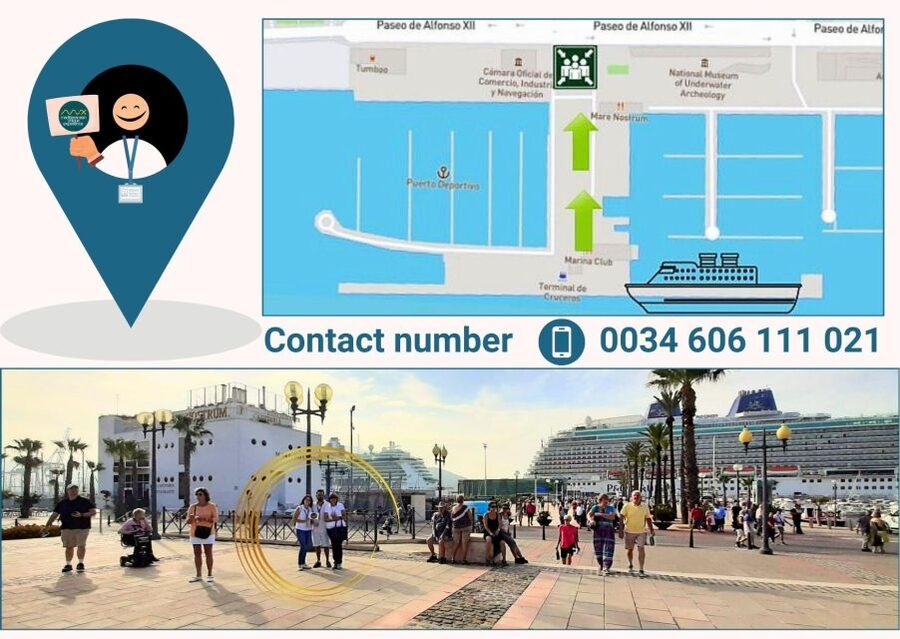
This tour also has a smart “two-part” flow. First comes the guided house visit (about 30 minutes), then you head to Cartago Mundi for the tasting and food portion (about 1 hour), plus time to dress up in Roman costume and browse a museum shop in the historic center near the port. If you’re arriving on foot or by port area, the meeting point at Mare Nostrum makes it easier to orient yourself.
I also appreciate that it’s built for more than just wine drinkers. If you don’t want alcohol, the experience offers alternatives like alcohol-free beer, martini, soft drinks, and mosto, and you can tell the team about special dietary needs in advance. It keeps the mood fun without turning the whole experience into a test of your tolerance.
In This Review
- Key things I’d bet on (before you book)
- Why this Roman wine tasting in Cartagena works
- Casa de la Fortuna: the 30-minute Roman house stop
- Cartago Mundi tasting: two Roman wines plus Roman-style snacks
- The science behind Roman flavors (and what you should expect)
- Who runs the show: guides, tone, and pacing
- Costumes, photos, and the Cartago Mundi shop
- Price and value: is $93 per person worth it?
- Practical tips so you enjoy every minute
- Who should book this Roman wine experience
- Should you book? My honest take
- FAQ
- What is the duration of the Ancient Rome gastronomic wine tasting?
- Where does the tour start?
- What stops are included during the tour?
- How long is the Casa de la Fortuna part?
- What happens at Cartago Mundi?
- What drinks are included?
- Is there food included, or is it only wine?
- Are Roman costumes provided?
- What languages is the tour guide available in?
- Can I make changes to my booking if plans shift?
Key things I’d bet on (before you book)
- Casa de la Fortuna visit: a guided look at a real Roman setting, not just a lecture.
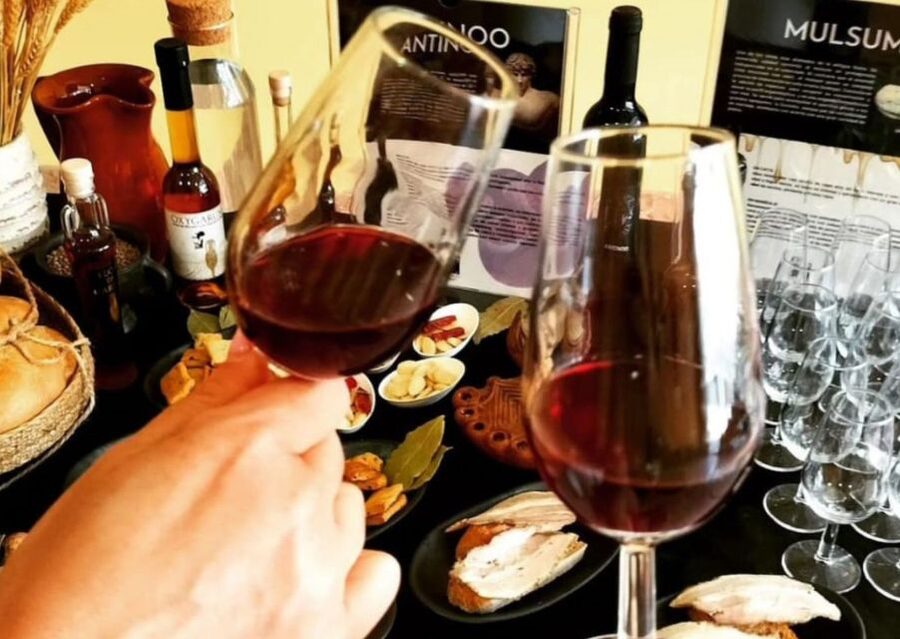
- Two Roman wines: paired with a snack based on Roman High Imperial-period recipes and techniques.
- Research-based recreations: wines and foods are made using studies connected to archaeological remains.
- Cartago Mundi experience: tasting in a cultural space plus costume fun and museum-store shopping.
- Non-drink options: alcohol-free beer, soft drinks, and mosto are available.
Why this Roman wine tasting in Cartagena works
You don’t have to be a wine nerd to enjoy this. The experience is designed as a sensory time machine: a short guided walk through Roman space, followed by a table tasting where you can compare flavors and textures and actually remember them. That matters, because a Roman-themed day can easily turn into theater. Here, you get real food-and-drink structure, so the theme feels practical.
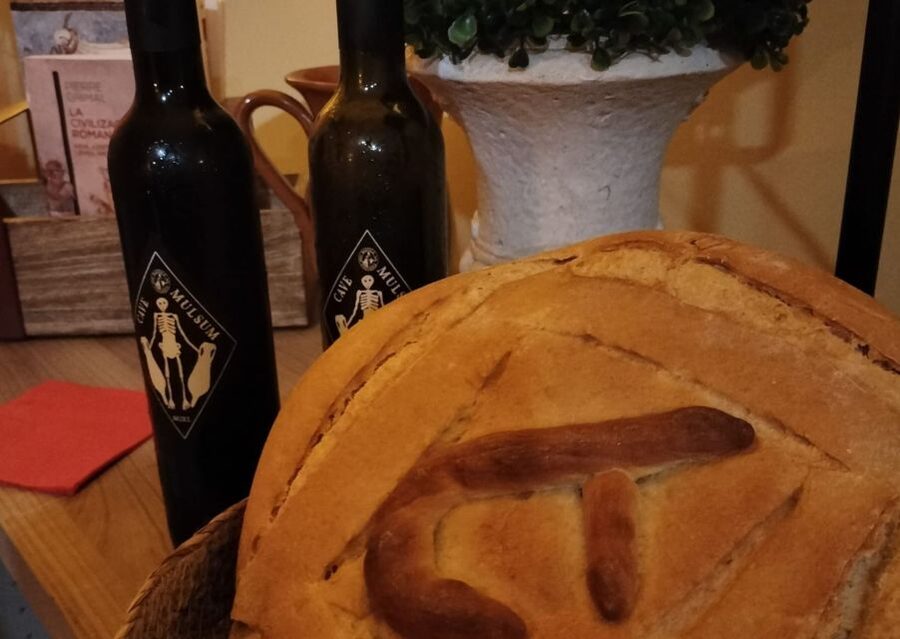
The standout idea is using academic research to recreate Roman products. Instead of relying on vague “Roman vibes,” the flavors are tied to studies by Spanish universities of remains found in excavations. I like that because it turns the tasting into a question you can taste-test: how might Roman cheesemaking and sauces have worked, and what would the wine have been like?
Cartagena is also a strong choice for this kind of experience. The city’s Roman connections aren’t tucked away in a distant museum—it’s close to where you’ll be walking anyway, starting at Mare Nostrum and then moving into the historic center for Cartago Mundi.
You can also read our reviews of more tours and experiences in Cartagena Spain.
Casa de la Fortuna: the 30-minute Roman house stop
Your tour begins at Mare Nostrum, then you head to the Casa de la Fortuna in Cartagena. This is the “get your bearings” phase of the experience: a guided visit of about 30 minutes where you step into a Roman house setting and let the space do some of the teaching.
Why this stop matters: wine and food make more sense when you’ve seen where everyday Roman life happened. Even if you only have a short window here, it’s enough time to start noticing how Romans might have hosted, stored, and prepared things—especially when your next hour is all about Roman-style products and pairings.
Drawback to know: the house visit is not a long deep walk through ruins. If you’re expecting a long archaeological tour, this part may feel brief. But for most people, that’s the point—the schedule is built to get you to the tasting while the Roman setting is still fresh in your mind.
Cartago Mundi tasting: two Roman wines plus Roman-style snacks
After the house visit, the mood shifts from walking to tasting. You arrive at Cartago Mundi, a cultural space and museum store in the historic center close to the port, where the tasting and food portion lasts about 1 hour.
Here’s what you can count on at the table:
- Two Roman wines
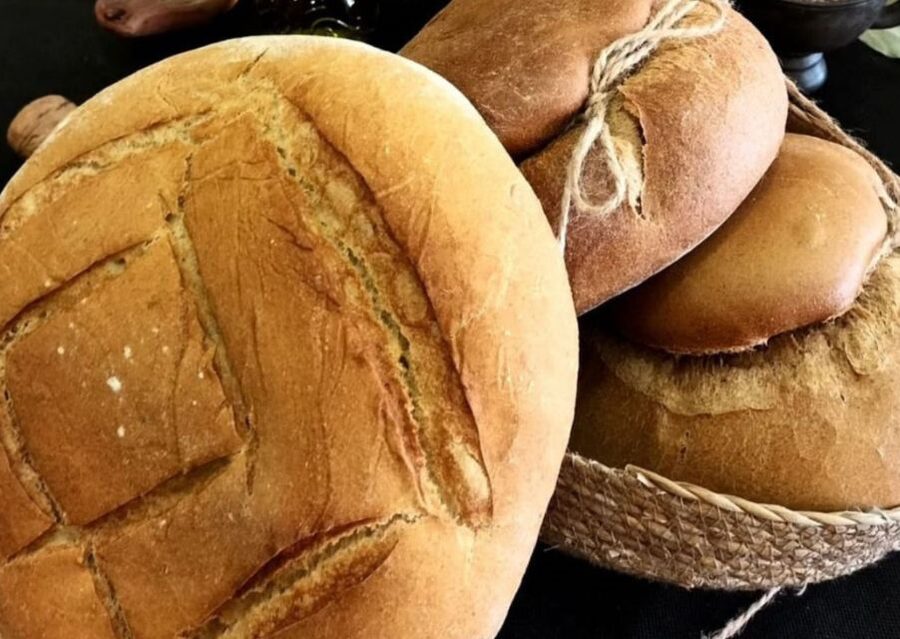
- A snack/food pairing made with techniques and recipes from the Roman High Imperial period
- If you don’t drink alcohol: alternatives like alcohol-free beer, martini, soft drinks, and mosto
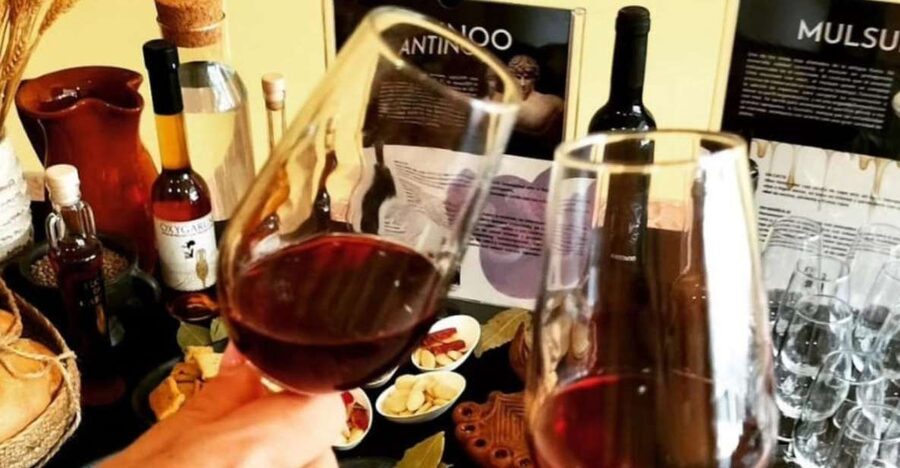
The best way to enjoy this hour is to treat it like a guided comparison, not a checklist. Ask your guide what to notice—aroma, acidity, texture, how the snack changes your perception of the wine. The experience is built around that kind of attention, because recreated Roman food and drink can feel unusual until you slow down and taste deliberately.
One more practical plus: you get a built-in reason to take questions to the guide. Since the wines and foods are recreated from scientific studies, you can easily ask how the research shaped what’s in your glass. If you’re traveling with someone who cares about history but doesn’t want a museum lecture, this format tends to land well.
The science behind Roman flavors (and what you should expect)
The big concept you’ll hear is that the Roman products here are reconstructions based on studies of remains found in excavations. That can sound technical, but you don’t need a background in archaeology. The value is that the tasting isn’t random.
What you’re tasting is the result of combining:
- evidence from archaeological remains
- university-led research into how products might have been made
- recreated recipes and methods meant to match the Roman High Imperial period
So yes, it’s “Roman,” but it’s not claiming to be identical to something bottled in antiquity. That distinction is important for setting expectations. If you’re the kind of traveler who needs absolute authenticity—like original artifacts—this probably won’t satisfy that craving. But if you’re the kind of traveler who enjoys evidence-based reconstruction, it’s exactly what you want.
I also think this science angle is what makes the experience memorable after the tour. Food and wine fade fast. But if you leave knowing how the reconstruction was grounded in remains, you’ll probably remember the flavors—and the story—more clearly.
Who runs the show: guides, tone, and pacing
This is a guided experience in English and Spanish, and you’ll meet the staff wearing a white polo/jacket with the Mediterranean Unique Experience logo (a wave) and a blue lanyard. That’s a small detail, but it helps you start relaxed instead of hunting for your group.
From what I’ve seen in how this kind of tour is handled, the quality usually comes down to the guide’s ability to make the tasting feel friendly rather than stiff. One guide named Christina is specifically described as knowledgeable and engaging, with an entertaining style that keeps the pacing light while still giving you real information.
If you care about special diets, plan to tell the team in advance. The experience includes non-alcohol options, and you can also request adjustments for special dietary needs—so you’re not forced to sit out the food portion.
Costumes, photos, and the Cartago Mundi shop
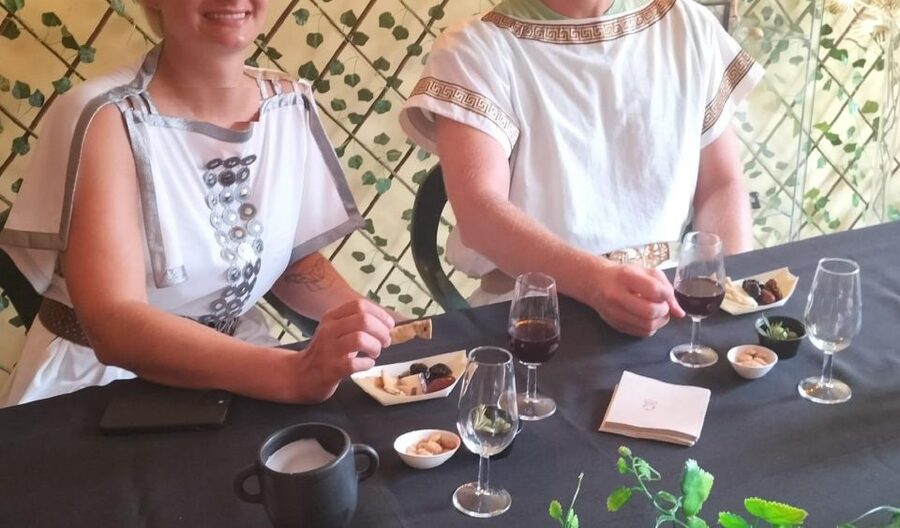
After tasting, there’s more than just an exit. Roman costumes are available, which is a fun way to bring the Roman setting into your photos without needing to bring anything yourself. It’s a low-effort activity, and it works even if you’re not the type who usually dresses up.
Then there’s Cartago Mundi’s museum store, where you can buy historical, cultural, and artisanal products. This is a practical advantage: you’re not scrambling for souvenirs at the end of the day. You finish the tasting and can browse while the Roman theme is still in your head.
A small tip: if you want photos, don’t wait until you’re completely finished eating. It’s easier to get better lighting and calmer energy at the start of the shop/costume window.
Price and value: is $93 per person worth it?
At about $93 per person for roughly 2.5 hours, the value comes from the mix: a guided Roman house visit plus a guided tasting with two wines and a food pairing. You’re not just paying for drinks—you’re paying for interpretation: the guide’s role in turning recreated products into something you understand.
The “recreated from research” approach also affects value. It’s not cheap cosplay wine tasting. The experience is built around an evidence-based story, using studies tied to excavations and then translating that work into something you can eat and drink.
Could it be expensive if you’re only interested in wine? Maybe. If all you want is a quick drink, there are cheaper ways to enjoy wine in Cartagena. But if you want a structured, guided, Roman-themed food-and-wine session that teaches as it goes, this price starts to feel fair.
Also, the tour offers alcohol-free and drink alternatives, so you’re not locked into paying for something that won’t work for your preferences. That flexibility adds real value.
Practical tips so you enjoy every minute
Keep these in mind and you’ll get more out of the two-part flow.
- Wear comfortable shoes. The house visit is guided and you’ll be walking through historic areas.
- Go in with a tasting mindset. Ask one or two questions about what to notice in the wine and the food pairing.
- If you have dietary restrictions, message or tell the team ahead of time. The experience explicitly notes that they can work with special diets.
- If you don’t drink alcohol, take advantage of the non-alcohol options like alcohol-free beer or mosto so you can fully join the tasting.
- Bring your camera attitude, not your costume logistics. Costumes are provided, and Cartago Mundi is where you can use them.
Who should book this Roman wine experience
This is a great fit if you want:
- a Roman-themed experience that’s organized around food and drink (not just walking)
- a guided tasting with research-based reconstructions
- a short, high-impact activity that fits into a day in Cartagena
- a fun add-on like costumes and a museum shop
It’s especially good for couples, friends, and solo travelers who like learning through hands-on moments. If you’re bringing kids, or you’re very sensitive to strong alcohol flavors, you’ll still be able to participate using non-alcohol options—though you’d need to decide if the tasting pace works for your group.
If you’re a hardcore archaeology buff who wants long ruin time, you may want to pair this with an additional Roman walk on your own. The tasting is the star here, and the house visit supports it.
Should you book? My honest take
I’d book this if you want a Roman experience that actually feeds you—literally—and gives you a clear, guided story while you taste. The combination of Casa de la Fortuna plus the Cartago Mundi tasting is a strong match for travelers who want something authentic-feeling without spending your whole day in formal museum mode.
I wouldn’t book it if you’re hoping for original Roman wine you can’t get anywhere else, or if you want a long ruins expedition. This is a short, thoughtful format built around recreated flavors and a guided tasting session.
If you fit the first group—go. It’s one of those activities that leaves you with a memory you can taste.
FAQ
What is the duration of the Ancient Rome gastronomic wine tasting?
The experience lasts about 2.5 hours.
Where does the tour start?
The meeting point is Mare Nostrum.
What stops are included during the tour?
You visit Casa de la Fortuna in Cartagena and then go to Cartago Mundi for the tasting.
How long is the Casa de la Fortuna part?
The guided visit at Casa de la Fortuna is about 30 minutes.
What happens at Cartago Mundi?
You do a wine tasting and a food tasting there, with the tasting portion lasting about 1 hour.
What drinks are included?
You’ll taste two Roman wines. If you do not drink alcohol, alternatives are available such as martini, alcohol-free beer, soft drinks, and mosto.
Is there food included, or is it only wine?
Food is included as a snack pairing made using techniques and recipes from the Roman High Imperial period.
Are Roman costumes provided?
Yes, Roman costumes are available so you can dress up and take photos.
What languages is the tour guide available in?
The live guide offers English and Spanish.
Can I make changes to my booking if plans shift?
You have free cancellation up to 24 hours in advance for a full refund, and you can reserve now and pay later.