REVIEW · FLAGSTAFF
Downtown Flagstaff Haunted History Tour
Book on Viator →Operated by Freaky Foot Tours · Bookable on Viator
A night walk in Flagstaff hits different after dark. This Downtown Flagstaff Haunted History Tour strings together real places, local lore, and spooky storytelling across a short 1-mile loop. I like that it keeps moving while still giving you clear historical context—so you leave with both chills and street-level sense of the town.
Two things I especially like: the guide-led performance style (the kind that has you laughing and paying attention at the same time), and the steady mix of Flagstaff landmarks with specific “haunting” moments tied to each stop. If you luck into a guide like Revel the Devil, or one of the other named performers such as Steven the Heathen or Horrifying James, you’ll likely get a great blend of humor, pacing, and respect for the heavier parts.
One drawback to consider: this is outdoors and involves walking at night, with some stops having limited seating. If you’re expecting a gentle ghost stroll with zero heavy content, you may find the darker story beats tougher than you planned.
In This Review
- Key things I’d watch for
- Why Flagstaff’s Downtown Works So Well for a Haunted Walk
- Price and Time: Is $28 Worth 75 Minutes?
- Meeting Near City Hall: Getting Oriented Fast
- The First Story Stops: Setting the Spooky Clock
- Theatre Stop One: Music, Arts, and Old Odd Inhabitants
- The Weatherford Hotel and the Zane Grey Ballroom
- One of the Darkest Stories on the Walk
- Theatre Ghosts: Breaking More Than a Leg
- Bookish Chaos: Flying Books, Page 666, and Severed Heads
- Ending with Happier Ghosts (and Why That Matters)
- The Guides Make the Difference: What the Names Suggest
- Practical Tips for a Better Night (No Guesswork Needed)
- Should You Book the Downtown Flagstaff Haunted History Tour?
Key things I’d watch for
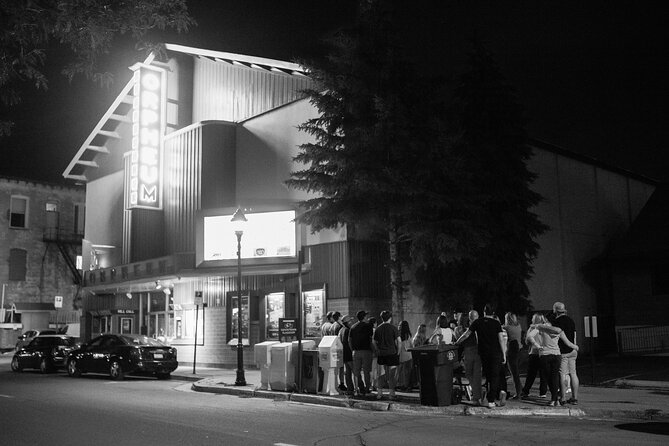
- 1 mile, about 75 minutes: short on paper, but it’s a real walk, so wear decent shoes.
- No building entry: you stay outside; the fear comes from stories, not hallways.
- Strong guide energy: names like Revel the Devil and Steven the Heathen show up often for a reason.
- A mix of funny and dark: the tour includes a major tragic chapter and other intense moments.
- Small group size: up to 35 people keeps it manageable on sidewalks.
- Starts near City Hall and Wheeler Park: you’ll get oriented right away before the spooky stuff ramps up.
Why Flagstaff’s Downtown Works So Well for a Haunted Walk
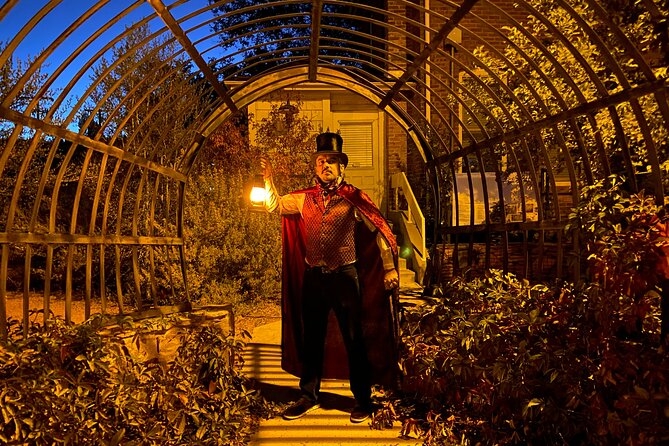
Flagstaff is the kind of town where history isn’t locked behind museum glass. It’s in the streets, the older buildings, and the way downtown keeps that old-meets-new rhythm. That’s exactly why this tour works: you’re not driving around scanning plaques. You’re walking the blocks while a guide turns landmarks into story prompts.
I also like that the experience doesn’t try to be a nonstop jump-scare show. The vibe is more “campfire storytelling with local flavor,” delivered with humor and pacing. That balance matters because you get spook without losing the thread of what you’re actually seeing.
And the tour is a good fit even if you’re new to town. You’re introduced to local history fast, so the ghost elements land better. The walking route is short enough to keep your energy up, but packed enough that it feels like you did something meaningful in a limited window.
You can also read our reviews of more tours and experiences in Flagstaff.
Price and Time: Is $28 Worth 75 Minutes?
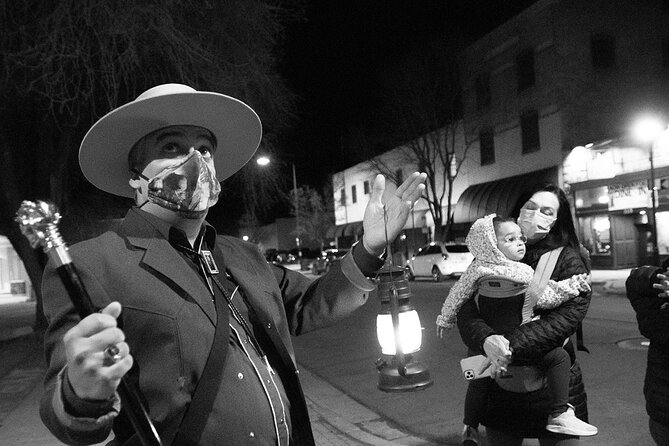
At $28 per person for about 1 hour 15 minutes, this isn’t a bargain “blink-and-you-miss-it” activity. It’s also not a huge, all-afternoon production. So the value comes down to this: do you enjoy guided storytelling, and do you like learning what buildings used to be (and how legends grew from that)?
For me, the value hits because you’re paying for a guided, themed walk through multiple recognizable downtown stops, with an experienced, eccentric guide leading the whole thing. Plus, the tour is popular enough that it’s often booked around 9 days in advance on average—so you’re not likely to stumble into a tour that feels half-hearted. You’re buying time with a performer who knows how to pace a group.
One more practical point: since it’s just a 1-mile walk, you’re not sacrificing your whole day to fit it in. If your schedule is tight—especially on a travel day—this gives you a solid experience without burning hours.
Meeting Near City Hall: Getting Oriented Fast
You meet at 212 W Aspen Ave, Flagstaff, AZ 86001, and the tour begins between Flagstaff City Hall and Wheeler Park. The timing isn’t the key detail here—what matters is the approach: you start with orientation, not with a random sprint to the “scary stop.”
This first stretch is where the guide sets the tone. You get context on Flagstaff’s history and what the downtown area has meant over time. It’s a smart move because once the spooky stories start, you’re not just hearing ghosts—you’re seeing the physical locations those stories attach to.
Logistically, it’s friendly for most people. It’s a nearby, walkable loop, and the tour is limited to a maximum of 35 people, which helps keep the group together. You’ll also appreciate that it’s mobile-ticket based, and the tour is in English.
Also note: the tour is outdoors and depends on weather. If conditions are rough, plan for rescheduling or a refund option being offered by the operator.
The First Story Stops: Setting the Spooky Clock
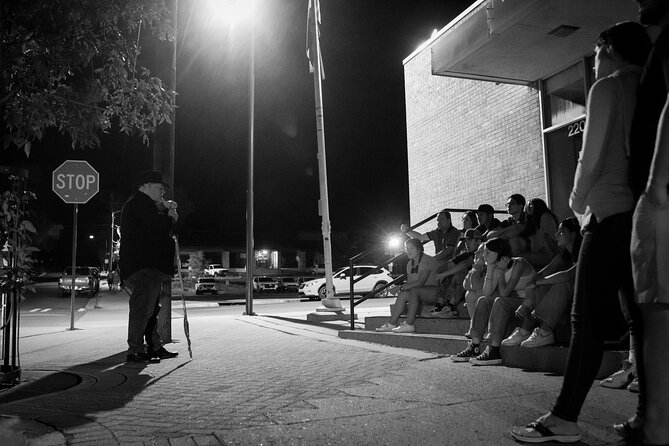
The early part of the tour is about mood-building. You don’t jump straight into gore. Instead, you hear how downtown developed and why certain places became magnets for stories—then the guide starts layering in hauntings that connect to those buildings.
That’s the part I find most useful if you like history but hate overly dry tours. You get a narrative thread. Even when the stories get scary, you can usually trace back what the guide says to the place you’re standing in front of.
And because you’re only walking about 1 mile total, the pacing stays manageable. You’re not stuck listening for a long time while waiting for someone at the back of the group to catch up. The route is compact enough that attention holds.
Theatre Stop One: Music, Arts, and Old Odd Inhabitants
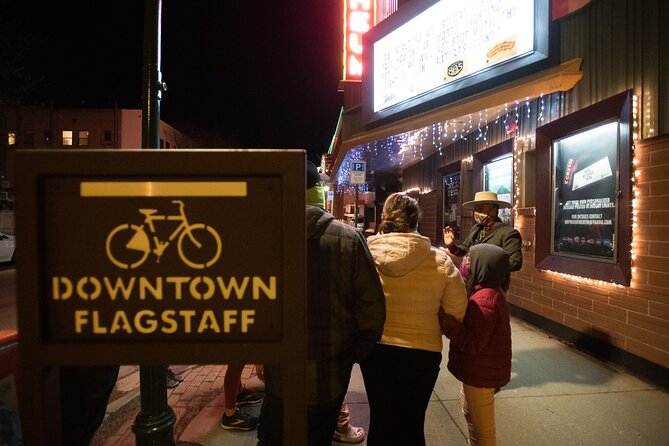
One of your stops is a historic theatre that today is known as a local hub for music and arts. But the spooky twist is that it used to be something else in its own timeline—and those older uses (and old-town habits) can create the perfect breeding ground for legends.
The detail I’d flag here is the guide’s framing: you’ll hear that the theatre has more inhabitants than you’d expect. It’s not just “ghost, because theatre.” It’s the idea that a performance space gathers stories the way a stage gathers spotlight.
This stop also helps you understand what kind of ghost lore the tour prefers. It’s not just spooky atmosphere. It’s a chain of “what the building was” → “how people behaved there” → “why stories stuck.” That makes the experience feel more like local folklore than generic haunted-house content.
One practical consideration: some stops have limited seating, so if you’re someone who needs to sit while listening, keep that in mind and be ready to stand when needed.
The Weatherford Hotel and the Zane Grey Ballroom
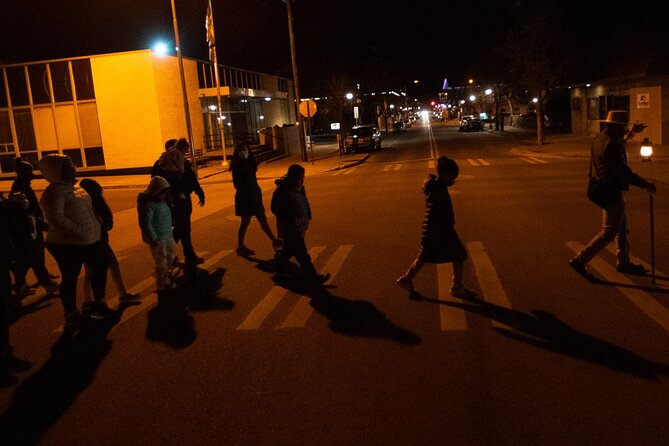
Later, you’ll reach the Weatherford Hotel, a place tied to international visitors and famously connected with the Zane Grey ballroom. That connection matters because Zane Grey is one of those names that carries weight in American popular history, which gives the hotel legends extra gravitational pull.
What I like about this stop is that it anchors the haunting talk to a real, specific hook. Instead of vague claims, the guide points you to a named space inside the hotel’s legacy. That makes it easier to picture the past and understand why people would attach eerie stories to it.
And the tour doesn’t pretend the tales are “light.” The Weatherford is described as one of the most haunted hotels in Arizona, and the storytelling leans into that reputation.
Even though you won’t enter buildings, standing near an old hotel with a known ballroom legacy gives you a strong sense of scale. You can also read downtown differently after hearing how prominent visitors and big events can make stories multiply.
One of the Darkest Stories on the Walk
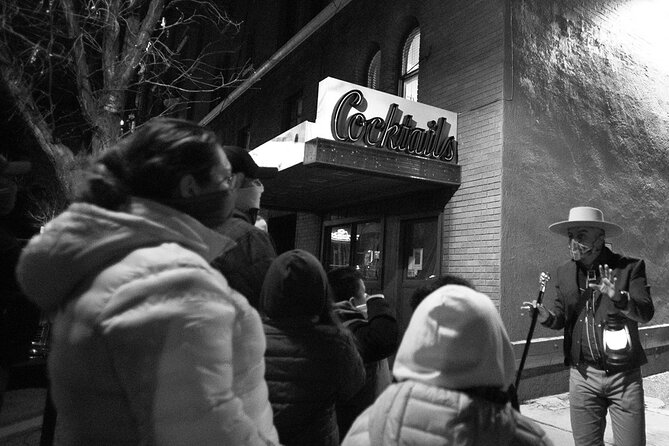
Then comes the tour’s heaviest story. You’ll hear about a mother driven to madness who takes the lives of her four children and herself in a single fateful summer night.
This is the point where I’d urge you to think about who you’re bringing. The tour mixes humor and respect, but this stop is clearly in the “dark history” category. If that kind of true-crime tragedy makes you uncomfortable, you may want to decide in advance whether this is the right experience for you.
At the same time, I appreciate that the tour doesn’t hide the darkness behind a joke. When guides handle topics like this well, it changes the whole tour quality: they give the story weight without losing control of the group.
If you’re the type who likes learning the good, the bad, and the strange parts of a place, this section is part of what makes the tour memorable. It’s not trying to be “all fun, all the time.”
Theatre Ghosts: Breaking More Than a Leg
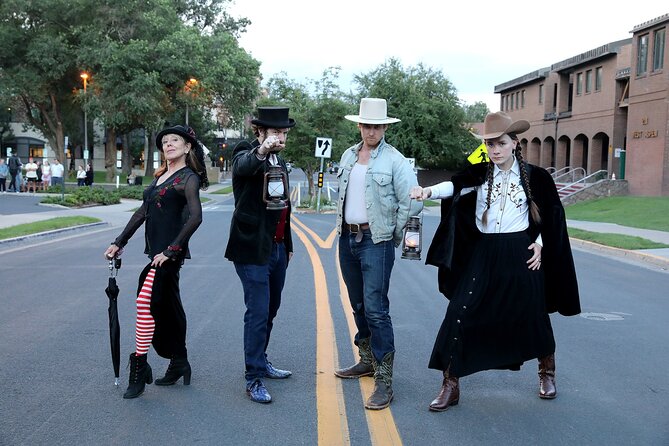
After the Weatherford stop, you’ll swing back into theatre territory with a “ghosts love a theatre” theme. The guide shares a story about a paranormal tenant who wants people to break more than a leg before a big show.
That line works because it takes a common performance phrase and turns it into a character. It gives the haunting a personality, and it matches the tour’s overall style: playful language paired with place-specific lore.
In practical terms, theatre stops are also a good break in rhythm. You’ve had hotels and tragedy. Then you switch gears to a story tied to performance culture. It keeps the night from feeling like a single-note scare.
If you like wordplay, this is one of the parts where the guide’s acting chops can really show. You’ll likely hear it delivered with a mix of theatrical timing and respectful framing.
Bookish Chaos: Flying Books, Page 666, and Severed Heads
Next comes one of the most “only-this-tour” segments: stories involving flying books, a book opening to page 666, and severed heads rolling in the stacks.
Even if you don’t normally care about haunted librarianship, this stop is effective because it’s specific and vivid. It’s not a generic “spooky library.” It’s a set of story images that feel like urban folklore with a horror-movie sense of detail.
I think this is one of the highly praised reasons the tour scores so well. People clearly like that the ghost tales have imagination, not just dread. It turns a walk past downtown spaces into a mini horror anthology, with each story acting like a different genre note.
Because the tour doesn’t enter buildings, the guide has to create the “inside the stacks” feeling with words and gestures. When it’s done well, it’s surprisingly fun. When it’s not your style, you might find it too theatrical. Still, it’s undeniably part of the tour identity.
Ending with Happier Ghosts (and Why That Matters)
The tour closes with stories of happier ghosts. That matters more than it sounds. After the heavy tragedy and the darker paranormal images, ending on lighter spectral notes keeps the experience from feeling like a grim slog.
This final segment is also where you can reset your mood and start absorbing what you saw. You’re back in “walk around and enjoy downtown” mode, which makes the whole outing feel more complete.
And you’ll finish right back at the meeting point, so you’re not stuck figuring out transportation at the end. You can keep exploring downtown or call it a night without a hassle.
The Guides Make the Difference: What the Names Suggest
One theme I keep seeing in how people talk about this tour: the guides do more than read a script. They perform. Names that come up include Revel the Devil, James (sometimes as Horrifying James), Mike, Steven the Heathen, and Michelle from Hell.
What you can take from that, even if you don’t get those exact performers, is the tour’s best-case formula:
- A guide who uses humor without disrespect.
- Story pacing that keeps you from zoning out.
- A clear sense of when to go serious (especially around the darkest material).
If that’s your kind of travel evening—old streets, story energy, and a local sense of place—this tour is set up to deliver.
Practical Tips for a Better Night (No Guesswork Needed)
Here’s what will help you get the most out of the walk:
- Wear comfortable shoes. You’re doing a 1-mile trek on sidewalks, and it’s dark.
- Dress for weather. The experience requires good conditions, and you’ll be outside most of the time.
- Bring a layer even if you think you won’t need it. Flagstaff nights can get cold, and you’ll be standing still for parts of the storytelling.
- Expect some standing and limited seating at stops, so don’t plan on sitting through everything.
- If you’re sensitive to heavy stories, decide beforehand how you want to handle the tragic chapter and other intense images.
And one small strategy: listen for the guide’s links between what the building is now and what it used to represent. That’s where the tour goes from “ghost fun” to “I get why this story stuck around.”
Should You Book the Downtown Flagstaff Haunted History Tour?
Book this tour if you want a short, story-driven night walk that pairs downtown landmarks with specific themed hauntings—and you don’t mind some dark material. It’s a great value at $28, especially because it’s led by a performer-style guide and keeps the total time tight.
Skip (or think hard) if you’re looking for a purely light, non-tragic ghost experience, or if standing/walking at night is an issue for you due to limited seating at some stops.
If you’re visiting Flagstaff for the first time, it’s also a smart way to get your bearings fast. You’ll see the downtown faces you’ll likely walk past later anyway—only now they come with a story attached.