REVIEW · ROME
Rome: The Ancient Aqueducts of Rome Guided Tour
Book on GetYourGuide →Operated by Visit Rome · Bookable on GetYourGuide
Rome has aqueducts you can’t miss, and ones you rarely see. This guided walk takes you into a quieter side of the city where local parks hold major Roman water infrastructure, far from the crush of the main sights. I love how the route focuses on real structures you can actually photograph and touch as you go, and I also love the way the guide ties each aqueduct to why water mattered so much for day-to-day Roman life. One thing to keep in mind: it’s a walking tour with roughly 3–4 km on uneven outdoor paths, and it is not suitable for wheelchair users or people with mobility impairments.
If you want a Rome tour that feels more like studying the city up close than ticking off landmarks, this fits. You’ll follow your English-speaking guide from the Giulio Agricola metro stop, move through Aqueduct Park, and then trace multiple aqueduct lines—plus the Mariana Canal linked to Pope Sixtus V—while learning how these systems worked and what happened when the water supply was cut.
In This Review
- Key Highlights You’ll Care About
- Why Rome’s Aqueducts Feel Like a Secret City
- Meeting at Giulio Agricola: Start Easy, Start Clear
- Aqueduct Park: Four Aqueducts, One Connected Walk
- Marcio, Claudio, and Anio Vetus: How the System Worked
- Mariana Canal and Pope Sixtus V: A Surprise Side Story
- Pictures, Pace, and the 3–4 km Walking Reality
- Getting the Most from Your English-Speaking Guide
- Price and Value: Is $147.27 Worth It?
- What Happens After the Tour: A Food Stop You Can Plan For
- Who This Tour Suits Best
- Should You Book This Rome Aqueducts Guided Tour?
- FAQ
- Where does the tour start?
- How long is the tour?
- How far do you walk?
- What aqueducts will we see?
- Is food included?
- What’s included in the ticket price?
- What should I bring?
- Is the tour suitable for wheelchair users or limited mobility?
- What language is the tour guide?
- Can I cancel or pay later?
Key Highlights You’ll Care About
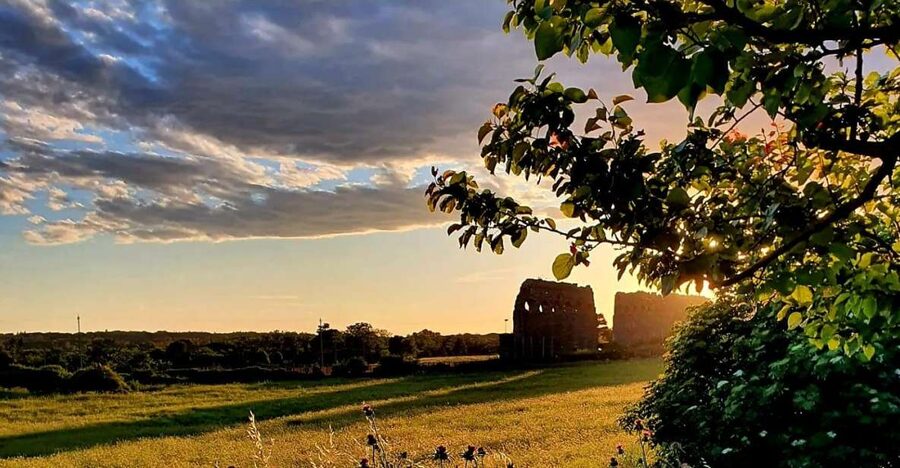
- Four major aqueducts in one walking route, including Marcio, Claudio, and Anio Vetus
- Aqueduct Park for a more local feel, with fewer tourist crowds
- Water-system storytelling that explains purpose, not just dates and names
- Mariana Canal and Pope Sixtus V, a surprising political twist in the middle of the walking tour
- Small group pace with time for photos and questions
Why Rome’s Aqueducts Feel Like a Secret City
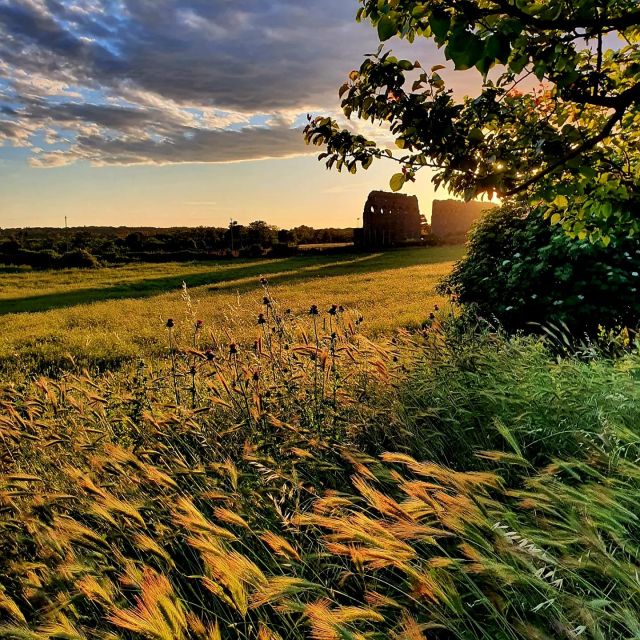
Most Rome tours race from one famous ruin to the next. This one slows you down and sends you somewhere most people skip: the aqueduct system in the city’s outskirts, where stone arches and long channels still shape the view. You’re not just looking at ancient architecture—you’re seeing the infrastructure that kept Rome functioning.
The big theme is simple and powerful: these aqueducts existed because Rome needed steady water, and the system carried it through long channels supported by arches. When the guide explains how the city depended on the water supply, the stones stop being decoration and start feeling like engineering that held civilization together.
What I like best is that you get more than general info. The tour includes stops at several aqueduct components—so you don’t leave with only one dramatic photo. You walk a connected story.
You can also read our reviews of more guided tours in Rome
Meeting at Giulio Agricola: Start Easy, Start Clear
The tour starts right at public transport, which makes planning less stressful. You meet immediately at the exit of the Metro A Giulio Agricola stop, at the corner with via Tuscolana, in front of the ODS store. Since you’re meeting at street level, you won’t spend the first chunk of time guessing where the group is.
The tour ends back at the same meeting point, so you don’t have to worry about getting stranded across town. It’s a clean setup for a short, focused experience.
Practical note: bring comfortable shoes. This is not a sit-and-watch tour. You’ll be walking through outdoor park areas and along paths where good footing matters.
Aqueduct Park: Four Aqueducts, One Connected Walk
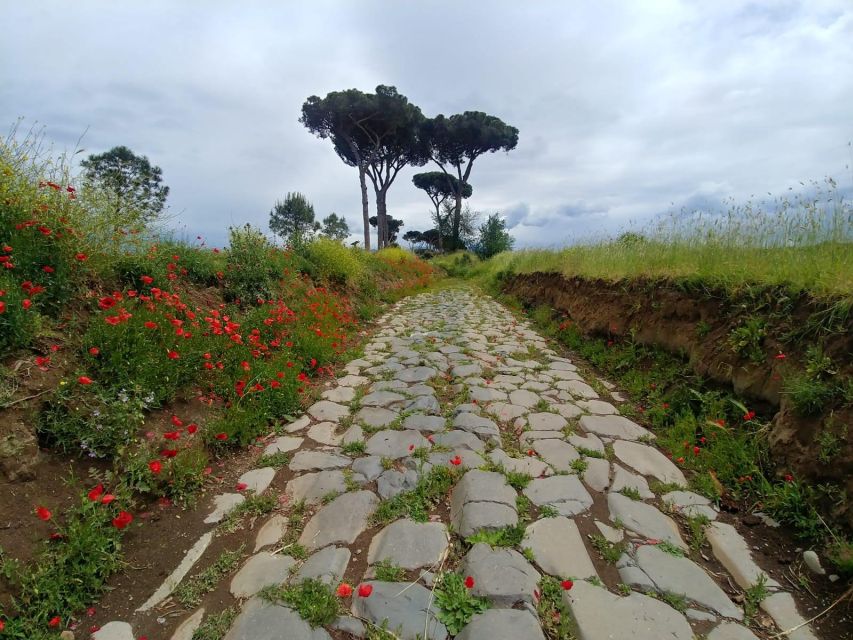
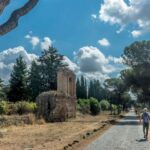
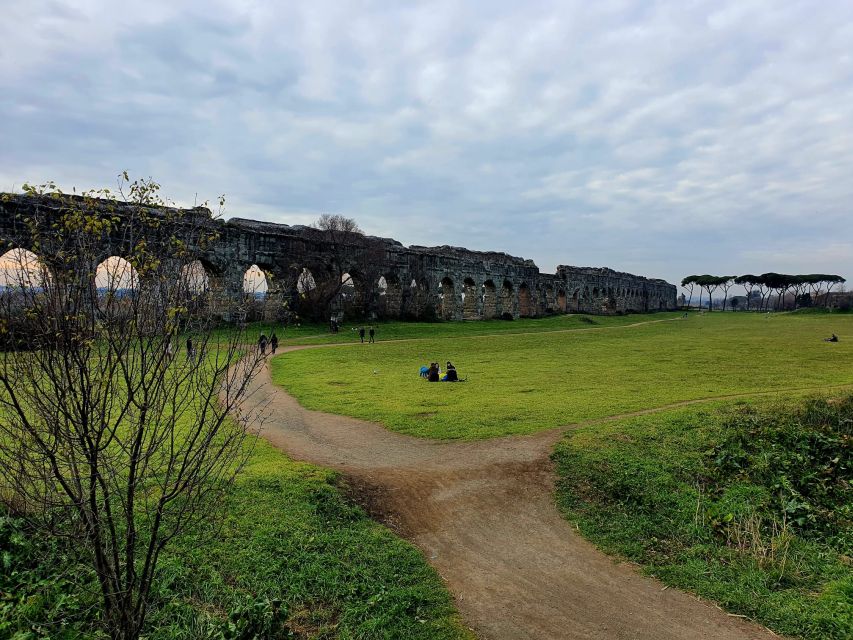
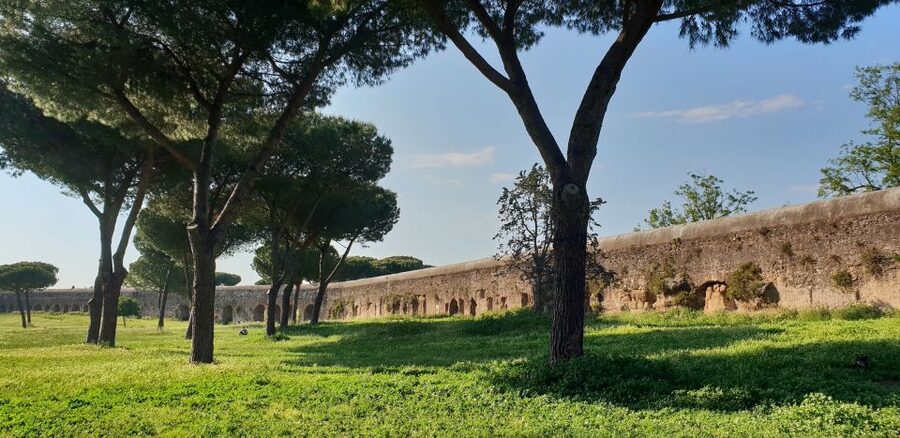
Once you’re moving, the tour’s structure makes sense. The route loops through Aqueduct Park, a place the tour describes as frequented mainly by locals. That’s a real difference-maker. You’re far less likely to feel like you’re photographing around other tour groups all the time.
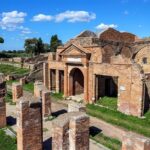
This is where the aqueduct story becomes physical. Your guide points out the features that define Roman water infrastructure: long water channels and their support system of arches. As you walk, the stones help you understand how water could be transported across distance without turning Rome into a single flat line on a map.
The tour’s highlight here is that you’ll see multiple aqueducts rather than just one. The aqueducts listed for the walk include:
- Marcio Aqueduct
- Claudio Aqueduct
- Anio Vetus Aqueduct
- Plus the broader Aqueduct Park setting that connects the viewing points
If you love architecture, this is satisfying. If you prefer history with a practical backbone, it’s even better. You’re learning why the aqueduct system mattered, and you’re also walking the evidence.
Marcio, Claudio, and Anio Vetus: How the System Worked
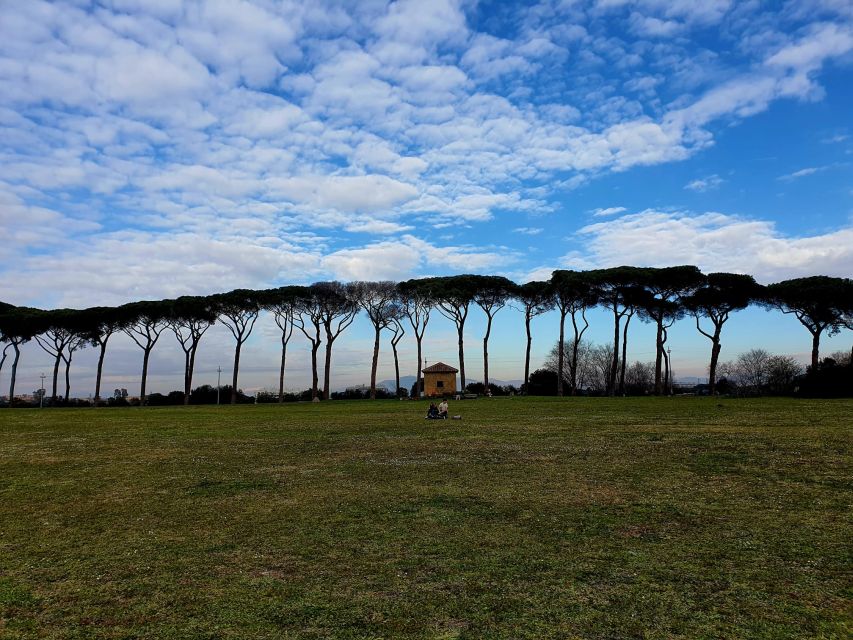
The aqueduct names sound like trivia at first, but the guide turns them into a clear lesson. You’ll hear how they were built and how they worked—and that’s the difference between seeing a structure and understanding it.
Expect the guide to keep bringing you back to the core idea: water traveled through long channels, and the arches helped support that route across terrain. Even if you’re not a science person, it clicks fast once you’re standing in front of it.
One of the most striking parts of the explanation is the historical consequence: the guide describes how Rome, from its earliest construction, was so dependent on this water supply that when the Barbarians invaded the city, the first action was cutting the water supply to the aqueducts. That detail does something important. It shows the aqueducts weren’t optional. They were a lifeline.
If you’re the type who likes your sightseeing to have stakes, you’ll get that here.
Mariana Canal and Pope Sixtus V: A Surprise Side Story
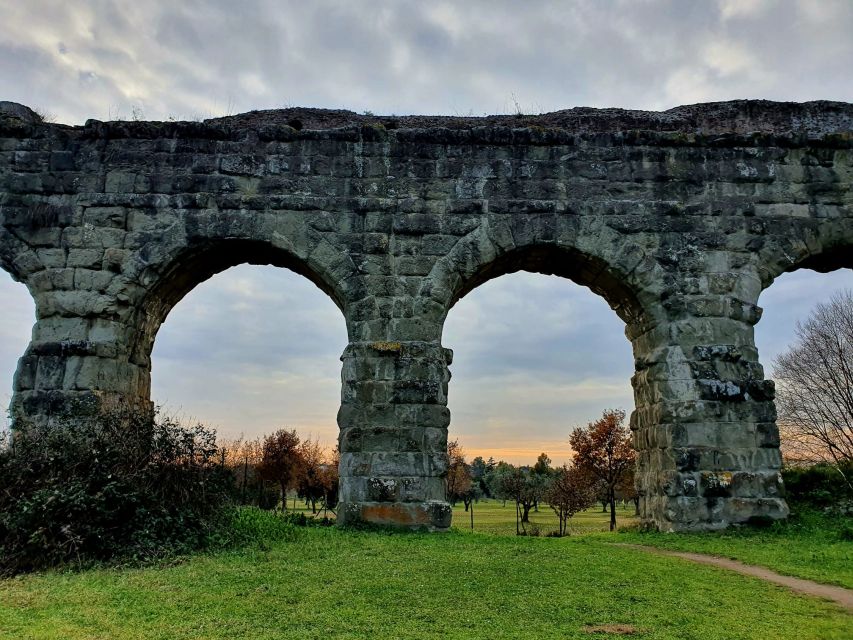
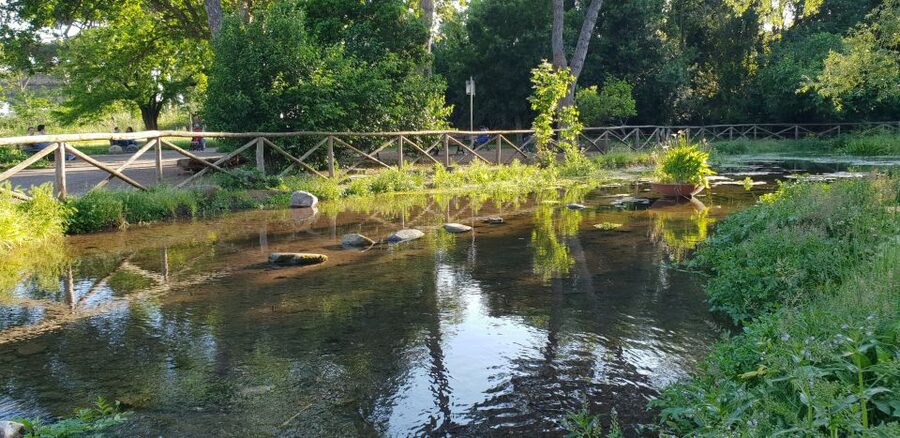
About halfway through the tour experience, you pass the Mariana Canal. This is where the tour adds a historical curveball: the construction was ordered by Pope Sixtus V.
You might not expect a walking route focused on Roman aqueducts to branch into a papal chapter. But that’s part of the value. You’re seeing how the water story kept mattering long after the first big Roman phases.
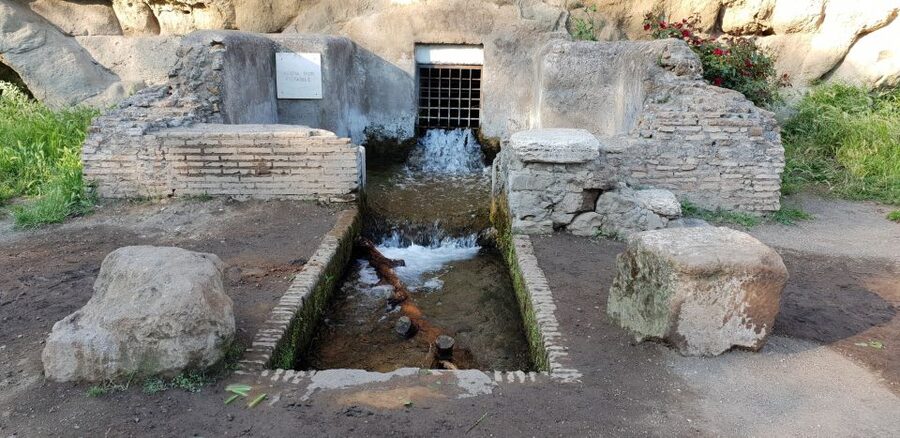
It’s also a good moment for photos, because a canal-and-structure view tends to show relationships better than an isolated arch does. You get a clearer sense of how the system moved water through designed routes.
Pictures, Pace, and the 3–4 km Walking Reality
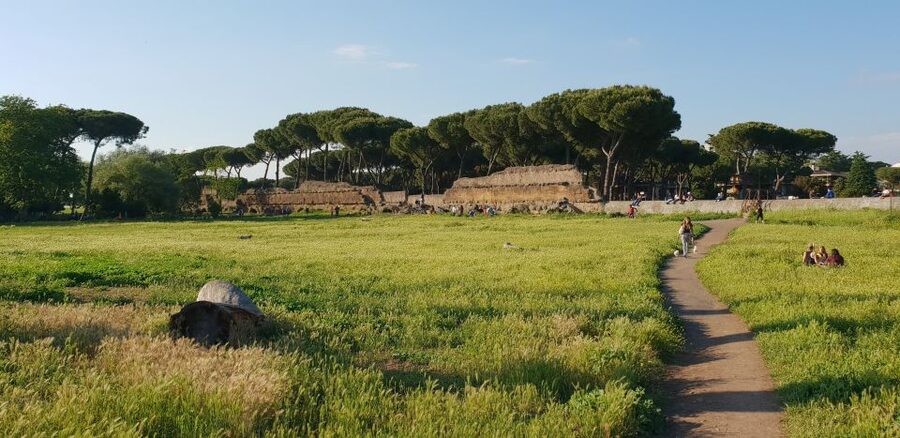
This tour is listed as 2 hours, with about 3–4 kilometers of walking. That’s a lot more than a “quick stroll,” even though it’s not an all-day hike. The good news is that the route is built for a guided pace, with time to stop for pictures and listen while you’re still fresh.
Here’s what to do to enjoy it:
- Wear shoes you’d happily walk in for a couple hours.
- Plan for outdoor weather. Bring weather-appropriate clothing.
- Pace yourself early, since you’ll likely want to linger at photo points.
Also note who should skip it: it is not suitable for pregnant women, and it’s not suitable for people with mobility impairments or wheelchair users. If you’re unsure, pick comfort over willpower—this tour is about standing and walking through outdoor areas.
Getting the Most from Your English-Speaking Guide
A huge part of this experience is the guide. The tour includes a live tour guide in English and is run in a small group format, which matters because it keeps the conversation moving.
The strongest review signals from past participants highlight the same thing: the guides combine facts with a friendly, entertaining way of explaining what you’re seeing. I’ve learned to look for that on tours, because aqueducts are easy to misunderstand if someone doesn’t connect stone features to real purpose.
If your guide happens to be someone like Ricardo or Giuseppe, expect clear explanations and a pace that lets you absorb it. Names aside, you want a guide who can answer questions and keep you moving without rushing past the structures.
Tip for you: bring questions. Ask how the system worked, or what the arches and channels are telling you in front of you. With a small group, you’re more likely to get direct answers rather than a generic script.
Price and Value: Is $147.27 Worth It?
At $147.27 per person for a 2-hour, small-group guided tour, this isn’t the cheapest way to spend time in Rome. But the price has real components behind it: a local guide, small group, admission fees, and the ability to skip the ticket line.
In plain terms, you’re paying for:
- Access and entry value (the tour includes admission fees)
- A guide who can connect structure to purpose
- A route most people don’t do on their own
If you just wander Aqueduct Park solo, you’ll see stone. With a guide, you’ll understand why it’s there and what it did for the city. That meaning is what transforms “interesting ruins” into a story that sticks.
What Happens After the Tour: A Food Stop You Can Plan For
Finishing the walk doesn’t mean ending your experience. The tour includes time after it ends for you to try local Roman food. Food and drinks are not included, so you’ll pay for whatever you choose—but it’s a helpful nudge toward the right kind of post-tour meal instead of grabbing the first thing near your last stop.
I like this kind of add-on because it turns the tour into a mini day plan: history first, then something satisfying while the ideas are still fresh.
Who This Tour Suits Best
This is a great fit if you want Rome with less crowds and more engineering context. It’s especially good for:
- People who love architecture and want to understand structure, not just see it
- Travelers who prefer quieter, local-feeling places
- Anyone who wants a guided explanation of how Rome’s water system affected real life and real survival
It’s not a great match if:
- You need wheelchair access or have mobility limitations
- You’re pregnant and would rather avoid longer outdoor walking
- You want a simple, sit-down style tour
If you’re in the middle—comfortable walking and curious about Roman infrastructure—this is a smart choice.
Should You Book This Rome Aqueducts Guided Tour?
Yes, if you want the more thoughtful side of Rome. This tour delivers real aqueduct structures, a small-group pace, and an explanation of how the water system shaped the city—plus the memorable pop of the Mariana Canal and Pope Sixtus V. The price is not low, but you’re not just buying entry; you’re buying guided understanding and a route most people never see.
Don’t book it if you’re short on walking tolerance or need accessibility support. For the right traveler, it’s one of those Rome experiences that makes you feel like you discovered something on your own—without having to do all the research.
FAQ
Where does the tour start?
The meeting point is immediately at the exit of the Metro A Giulio Agricola stop, at the corner with via Tuscolana in front of the ODS store.
How long is the tour?
The duration is 2 hours.
How far do you walk?
The tour involves roughly 3–4 kilometers of walking.
What aqueducts will we see?
The tour route is described as including Aqueduct Park, the Marcio Aqueduct, the Claudio Aqueduct, and the Anio Vetus Aqueduct, plus you will pass the Mariana Canal.
Is food included?
No. Food and drinks are not included. The tour suggests a local Roman food stop after the walk.
What’s included in the ticket price?
Included are a local guide, small group, and admission fees.
What should I bring?
Bring comfortable shoes and weather-appropriate clothing.
Is the tour suitable for wheelchair users or limited mobility?
No. It is not suitable for people with mobility impairments, wheelchair users, or pregnant women.
What language is the tour guide?
The tour guide speaks English.
Can I cancel or pay later?
You get free cancellation up to 24 hours in advance for a full refund. There is also a reserve now & pay later option.