REVIEW · ALABAMA
F.D. Reese Historical Tour
Book on Viator →Operated by Alan and Marvin Reese · Bookable on Viator
F.D. Reese’s Selma story feels personal fast. I like that this tour is guided by Alan and Marvin Reese, descendants who connect the major civil-rights landmarks to one person’s daily work. You also get access to Reese’s former home and original artifacts, which turns the history from dates into something you can point at.
Two stops hit especially hard for me: the Clark Elementary start of the first Teachers March and the crossing of Edmund Pettus Bridge as the story turns to Bloody Sunday. The only drawback to plan around is that this tour runs outdoors in parts and depends on good weather, so you’ll want flexibility.
In This Review
- Key points before you go
- F.D. Reese’s Selma story, told by the family
- Start at 1566 Marie Foster St: setting the tone fast
- Clark Elementary School and the first Teachers March moment
- Dallas County Courthouse: where plans met power
- Brown Chapel AME Church: mass meetings and real obstacles
- Crossing Edmund Pettus Bridge: Bloody Sunday context
- Ebenezer Baptist Church: a shorter stop, big meaning
- Price and value: what $104.99 buys you in real terms
- How to make it better for yourself (and not just harder)
- Who this tour fits best
- Should you book the F.D. Reese Historical Tour?
- FAQ
- FAQ
- How long is the F.D. Reese Historical Tour?
- How much does the tour cost?
- Where does the tour start?
- Where does the tour end?
- What stops are included?
- Who guides the tour?
- Is there a mobile ticket?
- Does the tour include entry to F.D. Reese’s former home?
- Is the Ebenezer Baptist Church stop free?
- What are the basic requirements and limits?
- Is free cancellation available?
Key points before you go
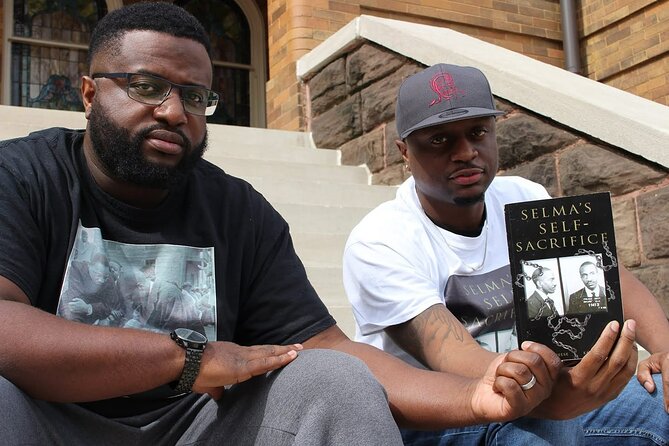
- Family-guided history from Alan and Marvin Reese, with stories tied to their grandfather’s legacy
- Former home entry and original artifacts, not just photos behind glass
- Clark Elementary + Dallas County Courthouse as key launch points for the Teachers March story
- Brown Chapel AME Church and the hurdles involved in getting Dr. King to hold mass meetings there
- Edmund Pettus Bridge walk-through context for Bloody Sunday and what it meant next
- Short, efficient timing at most stops, so you can fit it into a Selma day
F.D. Reese’s Selma story, told by the family
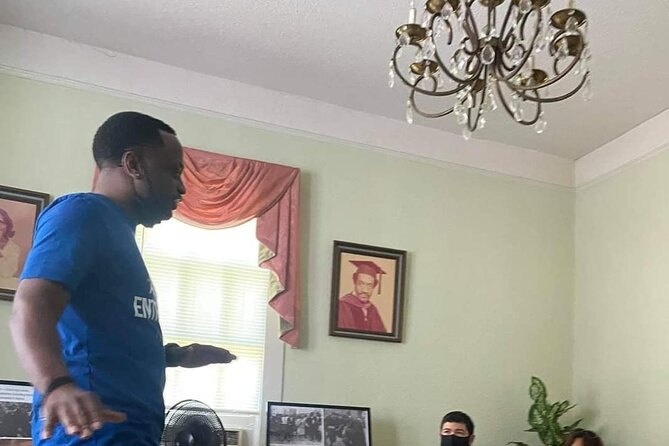
Selma has a way of making big American history feel close to the ground. This tour does that on purpose. You’re not just visiting sites; you’re moving through them with descendants of F.D. Reese, who organized the first ever Teachers March in Selma and helped lead the Selma Movement.
What makes the experience especially compelling is the mix of landmark and personal. You’ll hear the civil-rights story through the work of a teacher, organizer, and pastor, then you’ll stand where that work played out. The result is a tour that helps you connect the dots between organizing, religion, schools, courthouses, and the street-level courage that kept the movement going.
Start at 1566 Marie Foster St: setting the tone fast
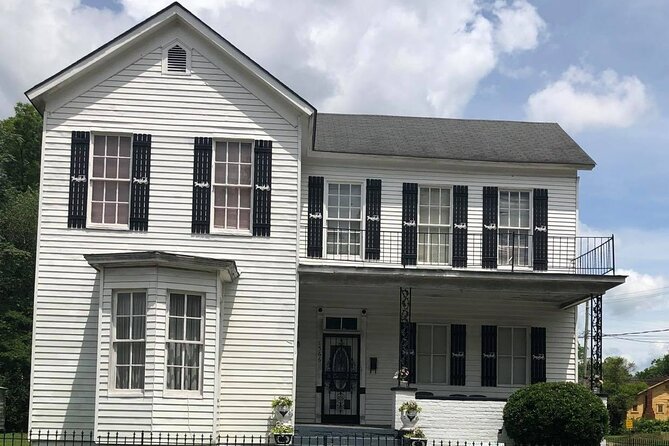
The tour begins at 1566 Marie Foster St, Selma, AL 36703, and ends back at the same meeting point. That loop matters more than it sounds. Since you’re not riding across town for hours, you’re keeping your attention on the story as it unfolds scene by scene.
Because the total duration is about 1 to 2 hours, the pacing stays focused. Most stops are short, so your guide’s narration has momentum. If you like tours that don’t drag, this format is a good fit.
Clark Elementary School and the first Teachers March moment
Your first major stop is Clark Elementary School. This is where the tour’s central thread begins: the start of the first ever Teachers March in the world. (Yes, they frame it that way.) The point here isn’t just to say the march happened. It’s to show you how educators helped shape the movement, and how organizing can start in everyday places like a school.
Why this stop works: it grounds civil rights in people who taught, led classes, and used education as both a tool and a platform. You’ll likely get more meaning from the school setting than from a typical museum panel because you’re hearing the story while you’re still inside the context that made it possible.
A practical consideration: expect a brief visit—about 15 minutes—so if you love reading every sign, you may want to take a quick photo and let your guide’s words do the heavy lifting.
Dallas County Courthouse: where plans met power
Next up is the Dallas County Courthouse, another 15-minute stop. Here, the guide ties the Teachers March story to the reality that movement work met legal and political opposition head-on.
This is a place where the setting does a lot of the talking. Even if you’re not a legal-history person, you can feel why organizing in public spaces was risky. Courthouses aren’t neutral. They are where authority gets formal—and where noncompliance, protest, and injustice can collide.
The value of this stop is the contrast. After the school story, you step into a more intimidating environment and see the pressure the movement faced once it grew. It helps you understand that organizing wasn’t only about marching. It was also about confronting systems.
Brown Chapel AME Church: mass meetings and real obstacles
One of the most important stops is Brown Chapel AME Church. The tour focuses on how F.D. Reese helped Brown Chapel become a location where mass meetings were held, along with the obstacles he faced in getting Dr. King there.
This stop matters because it highlights the movement’s human infrastructure. Churches weren’t just spiritual spaces; they were meeting hubs, planning spaces, and community lifelines. And the story here isn’t presented as smooth or easy. It’s about navigating resistance and making events happen anyway.
What to watch for: the way the guide explains the obstacles. Even without modern buzzwords, you’ll get a sense of the work involved in bringing a major national figure into a local setting at a moment when everything was contested.
Again, time is limited—about 15 minutes—so focus on the core connections your guide makes rather than trying to absorb everything at the pace of a standalone visit.
Crossing Edmund Pettus Bridge: Bloody Sunday context
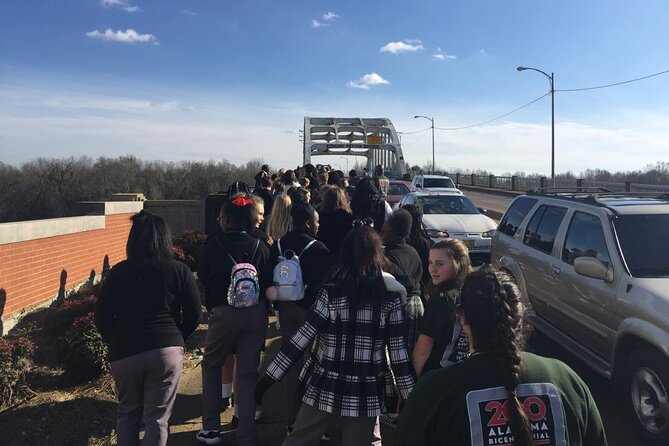
Then comes the moment many people come to Selma for: Edmund Pettus Bridge. You’ll be accompanied across the bridge for about 20 minutes, with the guide walking you through the significance of Bloody Sunday and more.
Even if you’ve read about Bloody Sunday before, doing it this way can change your understanding. You’re not only learning what happened; you’re crossing the same kind of path people crossed under unimaginable pressure. The bridge setting turns the story into something physical and immediate.
The tour’s pacing here is a plus. Twenty minutes isn’t long, but it’s enough time for a guide to connect the event’s impact to the larger Selma Movement narrative you’ve been building toward at each earlier stop.
Ebenezer Baptist Church: a shorter stop, big meaning
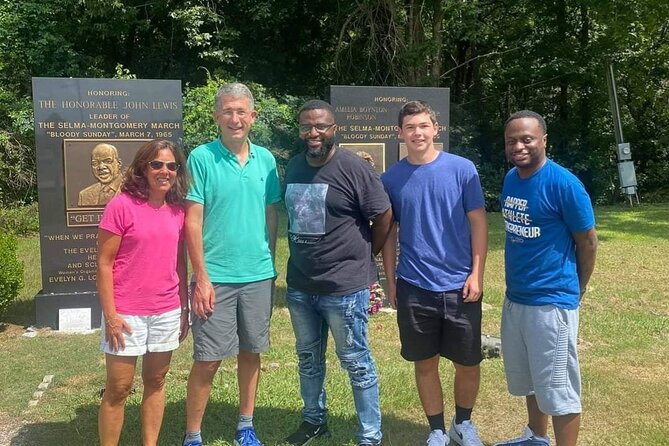
You’ll also stop at Ebenezer Baptist Church, listed as a historical church where F.D. Reese pastored for 50 years. This stop is shorter—about 10 minutes—and the entry is noted as free.
For me, this is a key “connective tissue” moment. It reminds you Reese wasn’t only an organizer in the public square. He was a pastor for decades, which means his leadership likely worked through long relationships, community trust, and moral authority as much as through marches and speeches.
If you’re trying to understand why the movement could mobilize people so effectively, a long pastoral career is a big clue. It suggests credibility built over time, not just attention grabbed in one news cycle.
Price and value: what $104.99 buys you in real terms
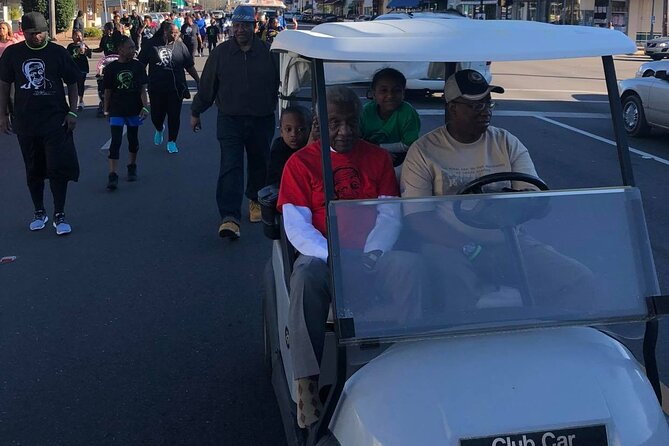
The price is $104.99 per person. For a short tour, that number can look steep—until you think about what’s included.
This tour isn’t only a guided walk. It includes admission to Reese’s former home and access to original artifacts. That’s the kind of add-on that quickly changes the math, because you’re not paying just for narration. You’re paying for access and stewardship—especially since the narration is delivered by family members who can speak to what the objects and rooms mean.
You’re also paying for a compact, high-signal route: Clark Elementary, Dallas County Courthouse, Brown Chapel AME Church, and Edmund Pettus Bridge, all handled in roughly 1 to 2 hours. That’s efficient if you want to pack Selma into a day without turning history into a full-day scavenger hunt.
One more value detail: the group size caps at 100 travelers. That usually keeps things orderly, and with short stop lengths, it helps you feel like the guide is moving the story forward rather than waiting for stragglers.
How to make it better for yourself (and not just harder)
Here’s how I’d prep if you want the most out of this tour.
First, wear shoes you’re comfortable walking in. The route includes a bridge crossing, and parts of the experience take place outdoors. Second, consider bringing a light layer. Alabama weather can shift quickly, and since the tour is described as requiring good weather, you’ll want to be comfortable if the guide slows down for safety or crowds.
If you care deeply about civil-rights history, come with one small goal: pick one thread to track. For example:
- How the Teachers March idea grows from a school setting into public resistance
- How Brown Chapel becomes a meeting hub and why that required effort
- How Bloody Sunday fits into the broader Selma Movement story you’re hearing
A simple focus turns a short tour into a sharper learning experience.
Who this tour fits best
This is a good match if you want:
- Family-led storytelling from people connected to F.D. Reese’s legacy (Alan and Marvin Reese)
- A guided route through multiple Selma civil-rights sites without spending all day
- A history tour that gives you access beyond the street view, thanks to the former home and original artifacts
- A respectful, straightforward pace—most stops are 10 to 20 minutes
It’s also worth considering if you like tours where you can ask questions. The reviews emphasize the guides’ passion and care, and the format suggests a conversational tone at each stop, not just a scripted lecture.
Should you book the F.D. Reese Historical Tour?
I’d book it if you want Selma history that’s direct, human, and grounded in specific places. The biggest selling points are the ones you can feel immediately: family-guided perspective and real access to Reese’s former home and artifacts. If you’re the type who gets more from context and stories than from wandering alone, this tour will likely fit your style.
I’d think twice only if you hate short time-boxed stops or if you’re traveling during a weather-iffy stretch. Since it depends on good weather, plan for the possibility of a change of date. Otherwise, for a 1 to 2 hour deep dose of Selma’s movement story—told by the people who carry it forward—this is a strong use of your time.
FAQ
FAQ
How long is the F.D. Reese Historical Tour?
It’s listed as about 1 to 2 hours.
How much does the tour cost?
The price is $104.99 per person.
Where does the tour start?
The meeting point is 1566 Marie Foster St, Selma, AL 36703, USA.
Where does the tour end?
It ends back at the meeting point.
What stops are included?
The tour includes Clark Elementary School, the Dallas County Courthouse, Brown Chapel AME Church, Edmund Pettus Bridge, and Ebenezer Baptist Church.
Who guides the tour?
The experience is provided by Alan and Marvin Reese.
Is there a mobile ticket?
Yes, the tour uses a mobile ticket.
Does the tour include entry to F.D. Reese’s former home?
Yes. It includes entry to Reese’s former home and access to original artifacts.
Is the Ebenezer Baptist Church stop free?
The tour notes that entry to Ebenezer Baptist Church is free.
What are the basic requirements and limits?
The tour allows service animals, lists most travelers can participate, and has a maximum of 100 travelers. It also requires good weather.
Is free cancellation available?
Yes. You can cancel for a full refund up to 24 hours in advance.