REVIEW · GUANGZHOU
Guangzhou: Walking Tour of Xiguan Ancient Town
Book on GetYourGuide →Operated by SilkRoadTrips · Bookable on GetYourGuide
Old-town Guangzhou feels like a living collage of lanes, temples, and river neighborhoods. This 3.5-hour walk is a smart way to see Xiguan heritage and end on the calm, colonial-feeling streets of Shamian Island. I love how the route mixes named sights (Renwei Temple, Lychee Bay) with real street life like Duobao Road snack stops and market scenes. I also like that the walk stays compact but varied, so you get history plus day-to-day Cantonese energy without needing a full day.
One possible drawback: the pace can feel slower for some people if you want nonstop talking and constant explanations, so bring curiosity and questions.
In This Review
- Key highlights that make this walk worth your time
- Why Xiguan streets feel different from a museum tour
- Getting started at Zhongshanba Station (Exit A, Line 5) and finding the group
- Renwei Temple and Liwanhu Park: a morning-in-minutes feel
- Lychee Bay: seeing well-preserved Xiguan houses in real street lanes
- Duobao Road and En’ning Road: the street lesson you can taste
- Yong Qing Fang and Shangxiajiu: old-town lanes with modern foot traffic
- Shamian Island: colonial streets and river air to close the loop
- Price and value: what $89 buys for a 3.5-hour cultural walk
- Who this tour suits best (and who should adjust expectations)
- Practical tips to make the most of your walk
- Should you book this Guangzhou Xiguan walking tour?
- FAQ
- How long is the Guangzhou Walking Tour of Xiguan Ancient Town?
- Where do I meet the guide?
- Is the tour guided in English?
- What’s included in the price?
- What should I bring?
- Is there free cancellation and a reserve-and-pay-later option?
Key highlights that make this walk worth your time
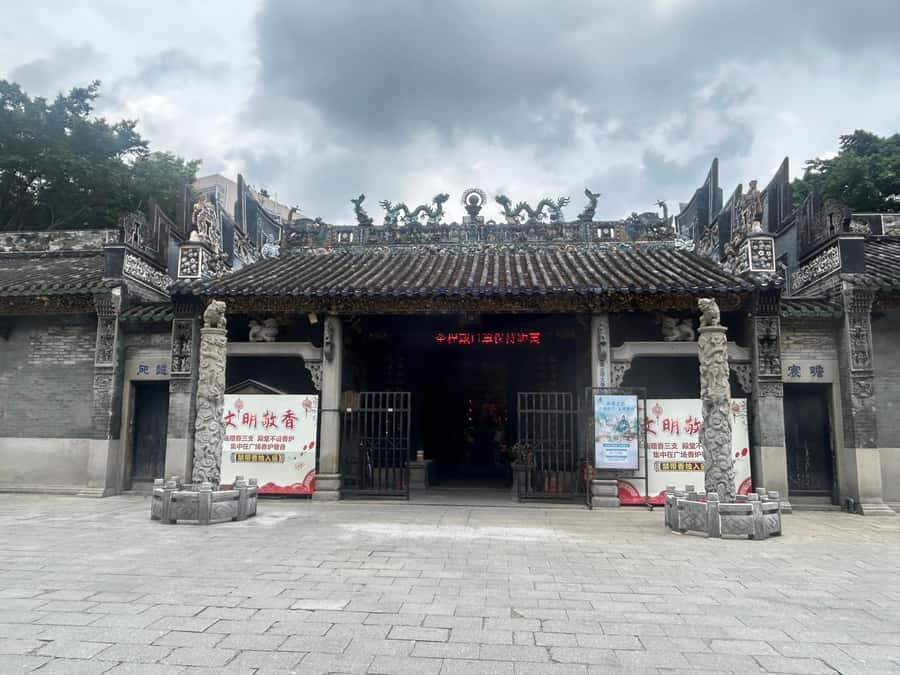
- Renwei Temple + Liwanhu Park: start with spiritual roots, then watch locals doing daily rituals of movement and play
- Lychee Bay house lanes: see well-preserved Xiguan-era residences tied to old wealth in Lingnan life
- Duobao Road and En’ning Road: the best part for me is how quickly you learn to read the street—shops, snack culture, and everyday flow
- Yong Qing Fang: a good mid-walk reset where the old-town vibe becomes noticeably more curated while still feeling local
- Shamian Island on the Pearl River: tree-lined streets where the sound of the city softens as you near the water
Why Xiguan streets feel different from a museum tour
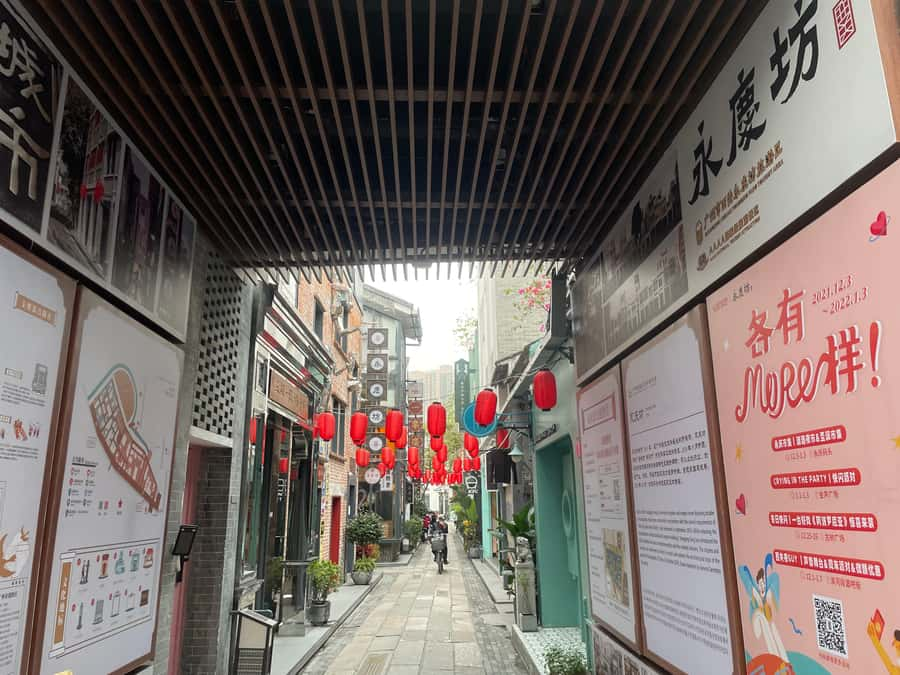
Guangzhou’s older neighborhoods don’t sit politely behind glass. In this walk, you move through the kind of urban fabric that shaped how Cantonese families lived—courtyards, dense streets, temple corners, and business lanes that still matter today.
The biggest reason this works as a half-day plan is its rhythm. You start in the Liwan district with a Taoist temple stop, then shift to public-life scenes at Liwanhu Park. After that, you gradually transition into classic Xiguan residential lanes around Lychee Bay, then hit the sensory chaos of Duobao Road and En’ning Road. Finally, you cool things down on Shamian Island, where the streets feel different in a way you can actually notice on your feet.
You’re basically getting three Guangzhou moods in one go: belief, neighborhood life, and street commerce—then a calmer finale by the Pearl River.
You can also read our reviews of more tours and experiences in Guangzhou.


Getting started at Zhongshanba Station (Exit A, Line 5) and finding the group
Your meeting point is outside Exit A of Zhongshanba Station on Metro Line 5. The guide will hold a sign with your name, so you can meet up quickly and avoid that awkward guessing game.
Because this is a walking tour, starting on the subway side matters. It helps you arrive without wasting energy on the wrong street, and it keeps the first part smooth. If you chose hotel pickup, you’ll be collected (when that option is selected), then transferred to the tour’s start area so you can skip early coordination.
The duration is about 3.5 hours, so you’ll want to treat it like an active stroll, not a long sit-down sightseeing day. Bring comfortable shoes, and expect uneven sidewalks in older areas.
Renwei Temple and Liwanhu Park: a morning-in-minutes feel
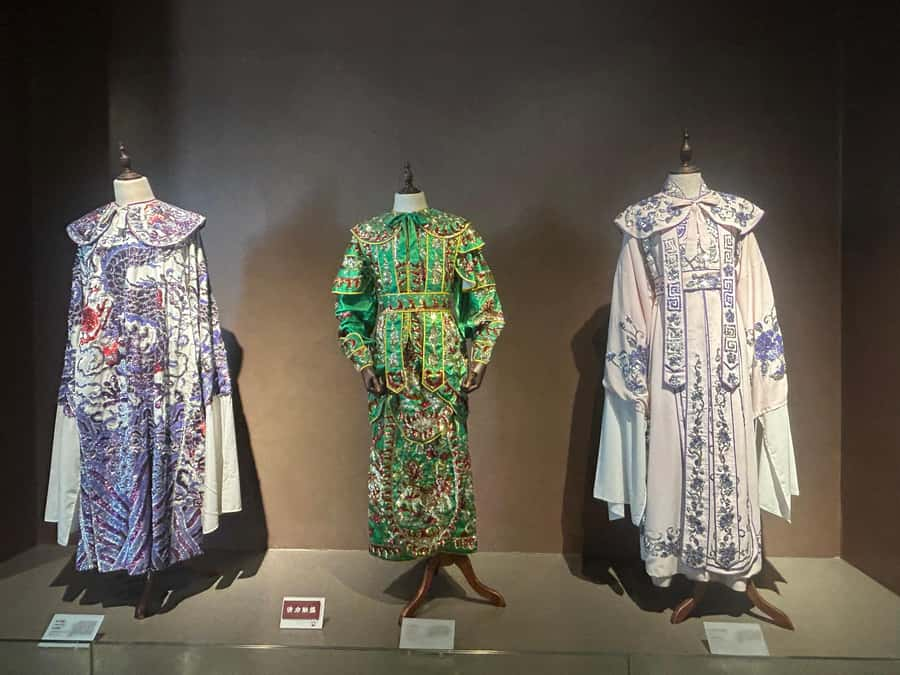
The walk begins with Renwei Temple, a Taoist temple in the Liwan historic area. Even if you’re not there for religious study, it’s a grounding stop. It gives context for why these neighborhoods developed the way they did—temples weren’t just spiritual landmarks, they were social ones too.
From there, you head to Liwanhu Park, and this is where the tour becomes more than “places on a map.” You can observe people dancing, singing, and playing games. That kind of public routine is one of the most practical travel skills you can learn in China: watching how locals use their shared spaces, not just how they photograph them.
If you like culture that shows up in everyday behavior, this pair of stops hits well. If you only want big, famous sights, you might find this part quieter. But quiet is the point—this is how you see the neighborhood’s heartbeat.
Lychee Bay: seeing well-preserved Xiguan houses in real street lanes
Next comes Lychee Bay, described as a place with well-preserved Xiguan houses. This is the spot that helps you understand old Guangzhou wealth without turning it into a stuffy lecture.
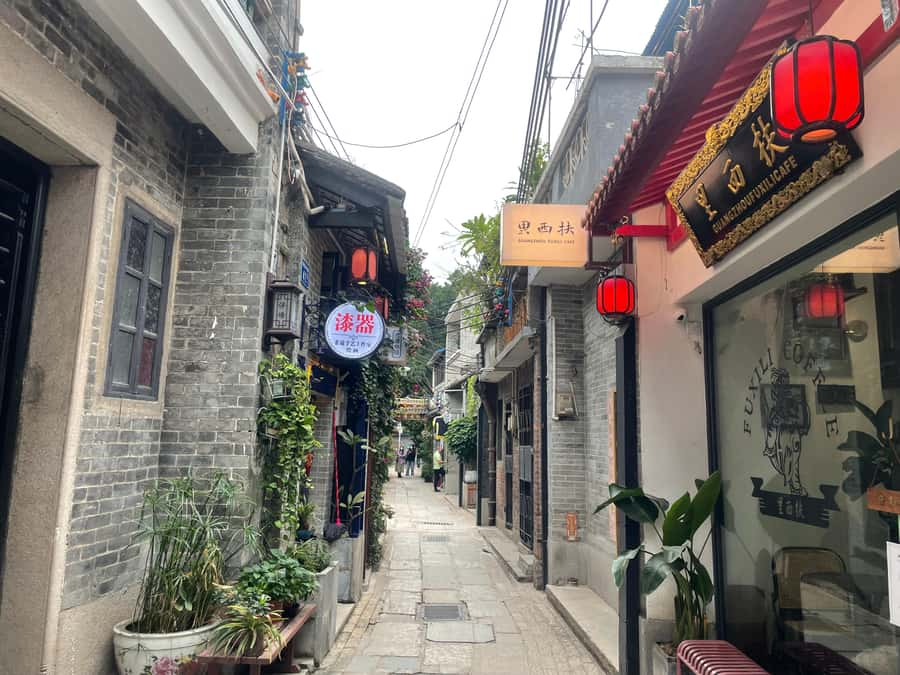
What makes Lychee Bay valuable on foot is that you’re moving through the lanes at the human scale. You can look at how buildings relate to street corners and how the area retains a distinct neighborhood character. The tour emphasizes that Lychee Bay was historically tied to the rich. Even if you don’t know the details yet, you can start noticing the difference between a neighborhood built for trading versus a neighborhood built for status.
This is also the portion where the tour’s tone feels most “local heritage.” It’s not just a photo stop—it’s a chance to read the street layout and think about how people lived.
Duobao Road and En’ning Road: the street lesson you can taste
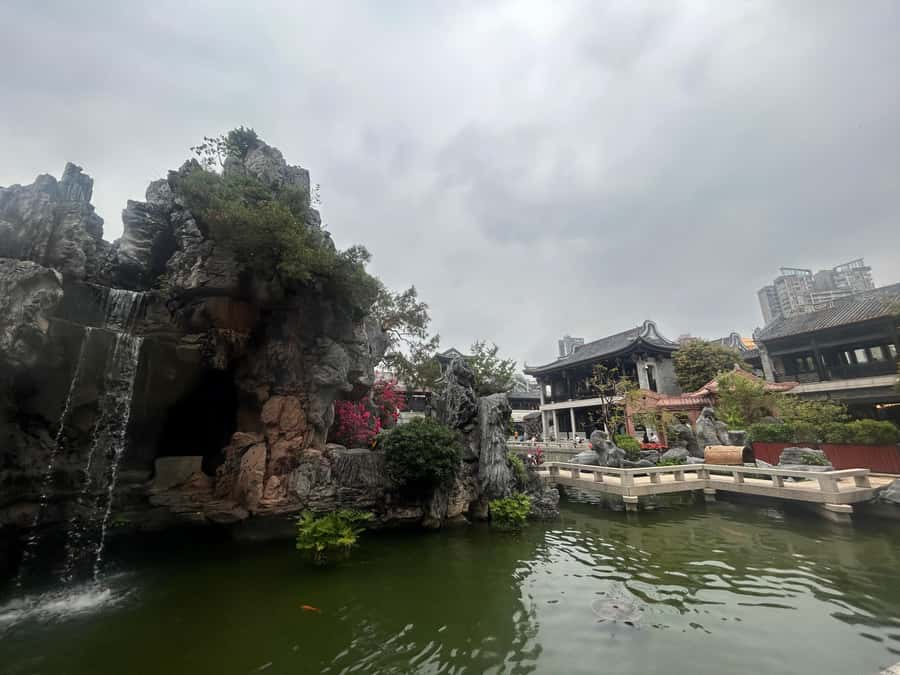
Then you step into Duobao Road and En’ning Road, where the tour focuses on what you can see in motion: local people, markets, quaint shops, and a lively snack street.
This is one of the best sections for practical travelers because it trains your eyes. You learn what kinds of stalls cluster together, how shopfronts operate in narrow streets, and what everyday browsing looks like when you’re not using a car or a taxi window. You also get the chance to experience snack culture rather than just hearing about it.
Food stops can be a highlight on this route. One guide-led experience included two sweet Chinese desserts and even a coffee style made from cat droppings—yes, that’s exactly what it sounds like. If you’re game, it’s the kind of story you’ll remember. If you’re not, you can simply skip the novelty and stick to the desserts and easier-to-order items.
If you follow a vegan diet, here’s a practical consideration based on guide behavior: you may pass a seafood market, and one guide reportedly rerouted a vegan participant to a fruit market stall. So if food matters for you, tell your guide early what you can’t eat. You’ll likely get options that keep you comfortable.
One caution: this street section is sensory-heavy, so hold water space in your mind. The tour includes bottled water, which helps, but you still want to pace your snacks.

Yong Qing Fang and Shangxiajiu: old-town lanes with modern foot traffic
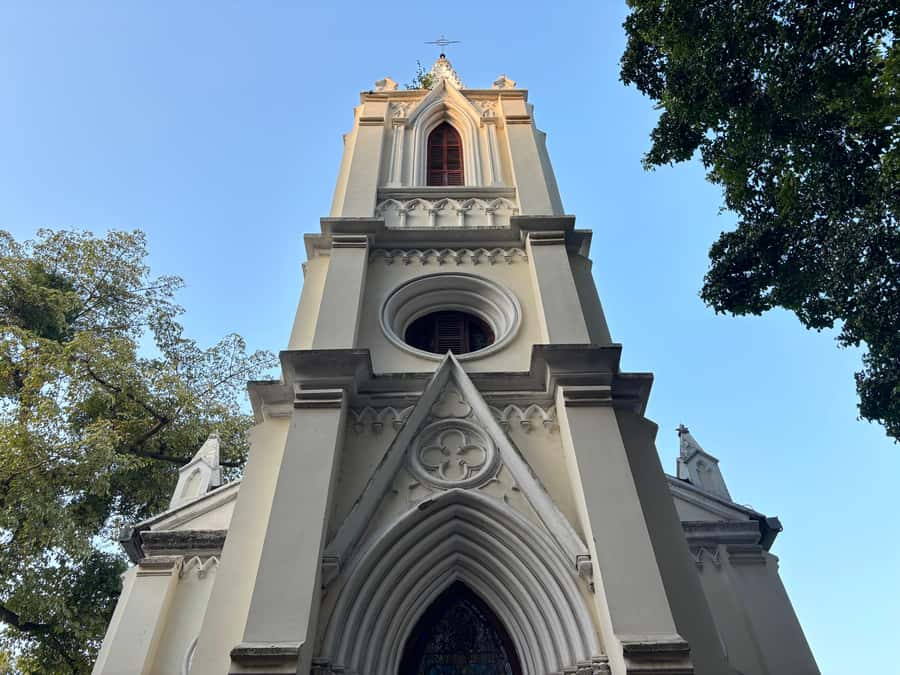
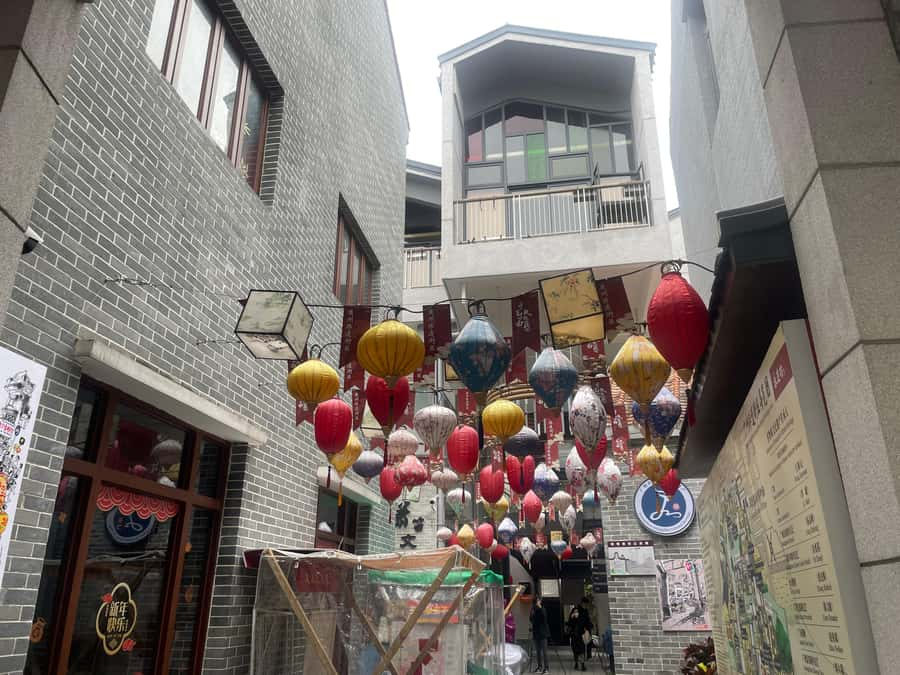
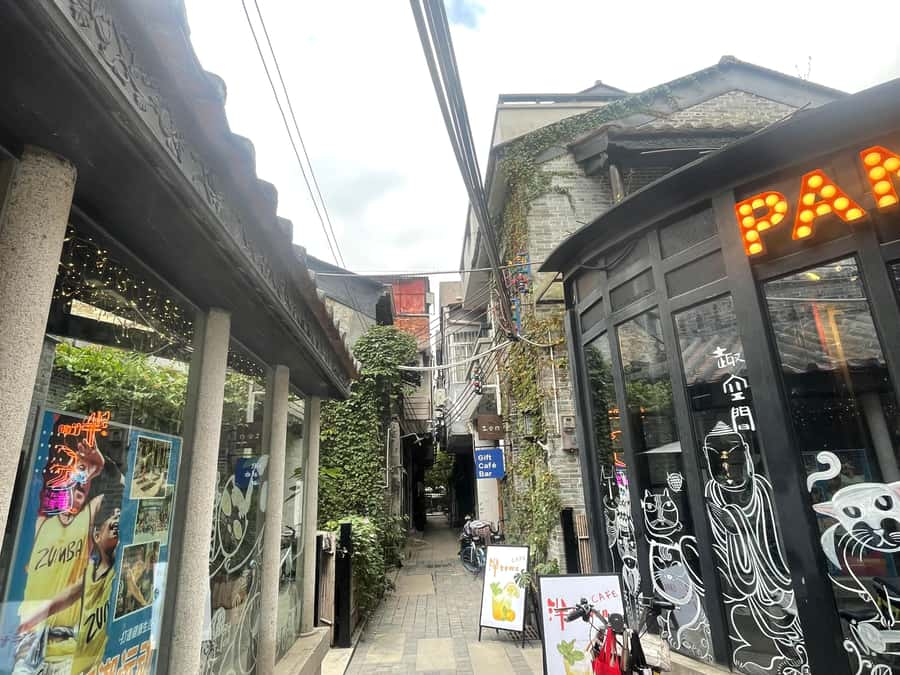
After Lychee Bay, the route moves into Yong Qing Fang in the heart of the old town. This stop helps connect heritage spaces with modern street energy. It’s the kind of place where you can feel the old Guangzhou aesthetic without it becoming only a historical display.
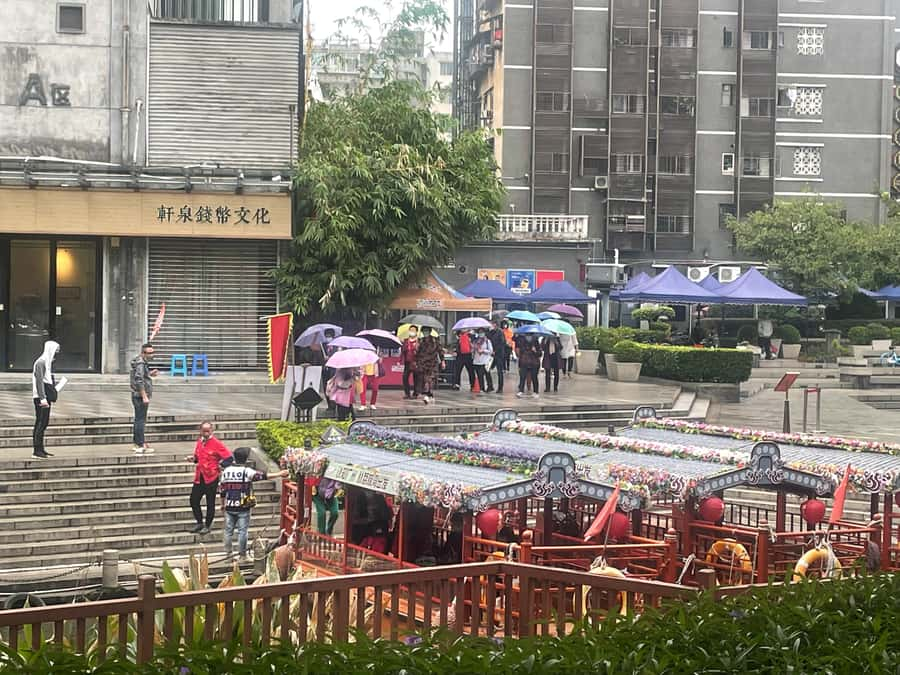
Then you head to Shangxiajiu Pedestrian Street. This is where the neighborhood shifts into a more central commercial flow. The pedestrian setup is useful because you can experience crowd energy without constantly dodging cars. You also get a chance to see how people shop, snack, and move through a major old-town artery.
If you’re hoping for a quiet, slow walk, you may find this part busier than the temple and park portion. But the balance matters. The tour isn’t trying to create a calm fantasy; it’s showing you how old districts function while still being economically alive.
Shamian Island: colonial streets and river air to close the loop
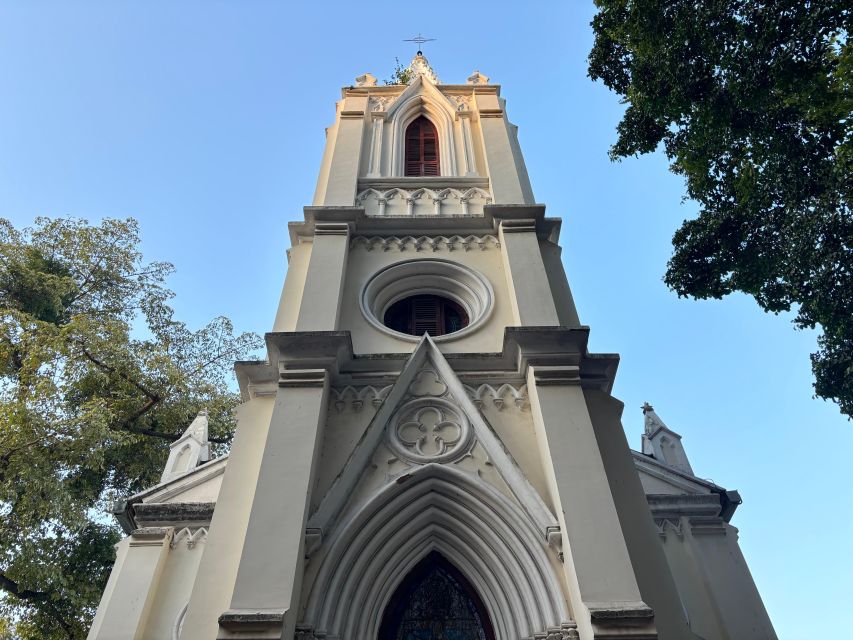
The final act is Shamian Island, a tree-lined neighborhood along the Pearl River. This is one of the most satisfying endings because the environment shifts from dense streets to a more spacious, calmer feel.
Several guide-led experiences highlight how the tree-lined colonial streets can feel almost unreal as you finish the walk. And that’s a key part of why this works: you don’t just end near water—you end in a different urban mood. The Pearl River edge gives you a breather, and the street design makes it easier to slow down and absorb what you just learned about Guangzhou’s layers.
At the end of the tour, your guide helps you get back by taxi or metro to your hotel. That little handoff is practical. After 3.5 hours of walking, you don’t want to think too hard about your next connection.
Price and value: what $89 buys for a 3.5-hour cultural walk
At $89 per person for about 3.5 hours, this tour sits in the mid-range category for guided walking. You’re paying for a few things at once:
- A local guide in English, who connects what you’re seeing to why it matters
- Entrance fees that are already handled
- Bottled water included
- Hotel pickup only if you selected that option
- A route that includes multiple distinct zones (Liwan temples and park, Xiguan lanes, snack streets, then Shamian)
Here’s the value angle I like: you’re not paying for one landmark. You’re buying a chain of experiences that adds up. The stops are chosen to show how Guangzhou works across daily life, heritage, and street commerce, then finish with a relaxing transition.
The only downside to watch for is expectation level. If you want the guide to talk nonstop or provide a deep lecture at every stop, you might find the pacing a bit relaxed. Some people prefer more commentary. If that’s you, be proactive—ask follow-up questions as you walk.
Who this tour suits best (and who should adjust expectations)
This is a strong fit if you:
- Want a half-day plan that doesn’t feel like a checklist
- Like seeing how people live, not just monuments
- Enjoy guided context but also want enough freedom to look around
- Want a route that includes both heritage lanes and street food culture
It’s less ideal if you:
- Need an ultra-fast pace with frequent narration
- Only want famous sites and nothing else
- Have very strict dietary needs but don’t want to communicate them to the guide
In practice, guides matter. The tour experiences you might encounter include enthusiastic guides such as Mango Lu and Raymond, both noted for organizing the walk well and speaking English clearly. That can make a big difference in how the explanation lands and how comfortable you feel at snack stops.
Practical tips to make the most of your walk
- Wear shoes you can trust. This is a walking route through older streets where you’ll appreciate grip and cushion.
- Bring curiosity, not a stopwatch. The tour includes park life and street shopping moments, which are meant to be seen at human speed.
- Ask about food options early. If you’re vegan or have restrictions, tell your guide so you can adjust around markets.
- Take a breather on Shamian. The last section is your decompression zone—slow down there and notice the change in street layout.
- Have a plan for getting home. Your guide can help with taxi or metro, but still think about which station or route makes sense for your hotel so you feel relaxed when it ends.
Should you book this Guangzhou Xiguan walking tour?
If you want a half-day that mixes Cantonese everyday life with authentic old-town textures, I’d book it. It’s the kind of route that teaches you how neighborhoods connect—temples to parks, residential lanes to snack streets, and then back to a calmer riverside finish.
I’d only hesitate if you know you need nonstop narration and a strict pace. Otherwise, this is a solid value way to understand Guangzhou beyond quick passes through landmarks.
FAQ
How long is the Guangzhou Walking Tour of Xiguan Ancient Town?
It lasts about 3.5 hours.
Where do I meet the guide?
Meet your guide outside Exit A, Zhongshanba Station on Metro Line 5. The guide will hold a sign with your name.
Is the tour guided in English?
Yes, it’s a live tour guide in English.
What’s included in the price?
The tour includes a local guide, entrance fees, bottled water, and hotel pickup if you selected that option.
What should I bring?
Wear comfortable shoes for walking.
Is there free cancellation and a reserve-and-pay-later option?
Yes. You can cancel up to 24 hours in advance for a full refund, and you can reserve now and pay later.