REVIEW · CHANIA
From Chania: Crete World War II History Tour
Book on GetYourGuide →Operated by GS tours · Bookable on GetYourGuide
Crete turns WWII into something you can see. This Chania World War II history tour traces the road to Operation Mercury and the Battle of Crete, then lands you at the places where the fighting and resistance left scars that are still visible today.
I really like the way the day mixes big-picture events (the Greek-Italian War of 1940, then Hitler’s invasion plan) with very specific ground-level stops like Maleme and the war cemeteries. It is the kind of itinerary where the story clicks because you’re constantly matching the battle names to real locations.
One thing to plan for: it is a long day with a tight schedule, and the comfort break situation is a common complaint—there’s usually only one planned stop—so bring patience and keep your shoes ready for walking.
In This Review
- Quick Hits You Should Know
- WWII Crete in Six Hours: The Story You’ll Follow
- Maleme Village and the Airfield Viewpoint
- Tavronitis Bridge and Galatas: Reading the War on the Ground
- Small Museums and Secret Shelters: The Occupation Story You Can’t Skip
- Cemeteries That Demand Quiet: German and Allied Graves
- The Guides: Yanis and Babis Style of Storytelling
- Small Group Comfort, Snacks, and the One Thing to Plan For
- Price Check: Is $111 Good Value?
- Should You Book the Chania WWII History Tour?
- FAQ
- What’s the duration of the Crete World War II History Tour from Chania?
- Where does the tour depart from?
- What’s included in the price?
- What languages is the tour offered in?
- Do I need to bring anything?
- Are pets allowed on the tour?
- Is free cancellation available?
- Do you offer reserve now and pay later?
Quick Hits You Should Know
- Maleme airfield viewpoint: see the landing area from above, where the German paratroopers first touched down
- Tavronitis Bridge and Galatas: learn the battle story while you’re standing near key remnants and monuments
- Small museums and secret shelters: you get the lesser-known side of occupation and resistance
- War graves with careful wording: German and Allied cemeteries are handled respectfully and emotionally
- Map-and-photo style guidance: the best guides on this route use visuals to make troop moves make sense
- Small group feel: you get more back-and-forth time instead of being shuffled like luggage
WWII Crete in Six Hours: The Story You’ll Follow
This is not a “read a plaque and move on” kind of tour. The strength here is the thread: you start with why the conflict on Crete mattered in the first place, then follow the invasion and the occupation’s ripple effects across southeast Europe and Greece.
You’ll look at the lead-up that includes the Greek-Italian War of 1940, and then the circumstances that set up Hitler’s Operation Mercury. That matters because it stops WWII from feeling like a sudden headline. Instead, it becomes a chain of decisions, miscalculations, and desperation—followed by a battle that tested the limits of airborne warfare and shaped the next phase of the war.
Then the tour widens again. You’ll hear how the Battle of Crete and the resistance during the occupation boosted Allied morale far beyond the island. It’s a useful reminder that history is not only about what happens locally; it’s about what those local events signal to everyone else watching.
On the ground, this tour’s value is that it ties that narrative to sites you can actually recognize: villages, bridges, battle fronts, and cemeteries. You do not need to be a WWII expert to follow it. You just need comfortable shoes and a willingness to slow down for a few moments at each stop.
Maleme Village and the Airfield Viewpoint
Maleme is where the day grabs your attention fast. The itinerary includes a stop in the pretty village of Maleme, plus a view that lets you look at the Maleme airfield from above. That aerial perspective is important. Ground-level images and battlefield names can feel abstract; a viewpoint gives you a sense of why that specific area mattered.
This is tied to one of the tour’s key anchors: this is where the German paratroopers first landed. Standing nearby (or looking down toward the field area) helps you understand how an airborne landing turns into chaos within minutes—wind, timing, scattered units, and the urgent problem of holding or regrouping before the enemy fully connects.
If you’re the type who likes “why here?” questions, Maleme is a smart start. It sets the tone for everything else: later stops start to feel like chapters of the same story rather than unrelated sites. And if you’ve ever wondered how an island battle can influence planning across Europe, this first section makes the logic easier to follow.
Practical tip: in warmer months, creaky shade matters. The airfield viewpoint can be exposed, so if you’re sensitive to sun or heat, plan to wear breathable layers and take it slow while you look around.
Tavronitis Bridge and Galatas: Reading the War on the Ground
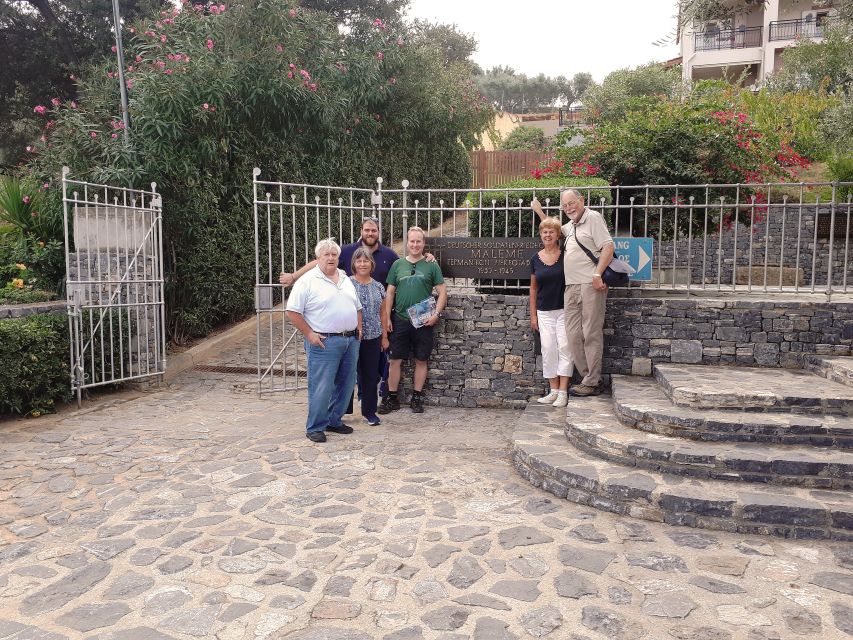
After Maleme, the tour moves into the “now you get it” phase. The stops at Tavronitis Bridge and Galatas are where the history stops being a timeline and becomes movement—troops shifting, units encountering resistance, and the strategic fight over roads, crossings, and positions.
Tavronitis Bridge is one of those places where bridges are never just bridges. In wartime, they’re bottlenecks. They’re chokepoints. They’re the difference between holding a line and losing a route. A guided look here gives you the reason the battle names keep showing up: they point to physical constraints that shaped what armies could do next.
Then comes Galatas, including the battle of Galatas and remnants you can still connect to the conflict. The guide’s job is to help you translate “this is a location” into “this is where decisions happened.” In the best versions of this tour, you’re not just hearing a story—you’re being taught how to read the ground. That includes using maps and period photos so you can visualize troop lines, advance directions, and the broader plan.
This section is also where many people feel the tour’s pace is doing real work. You’re not moving every five minutes, but you’re also not lingering so long that the day loses momentum. The result is a clear picture of how the invasion progressed and how the island’s defenders pushed back in ways that mattered.
Small Museums and Secret Shelters: The Occupation Story You Can’t Skip
Here’s the part that often surprises first-timers: WWII on Crete wasn’t only battles and flags. It was daily life under occupation—and the way ordinary people adapted, resisted, and hid information.
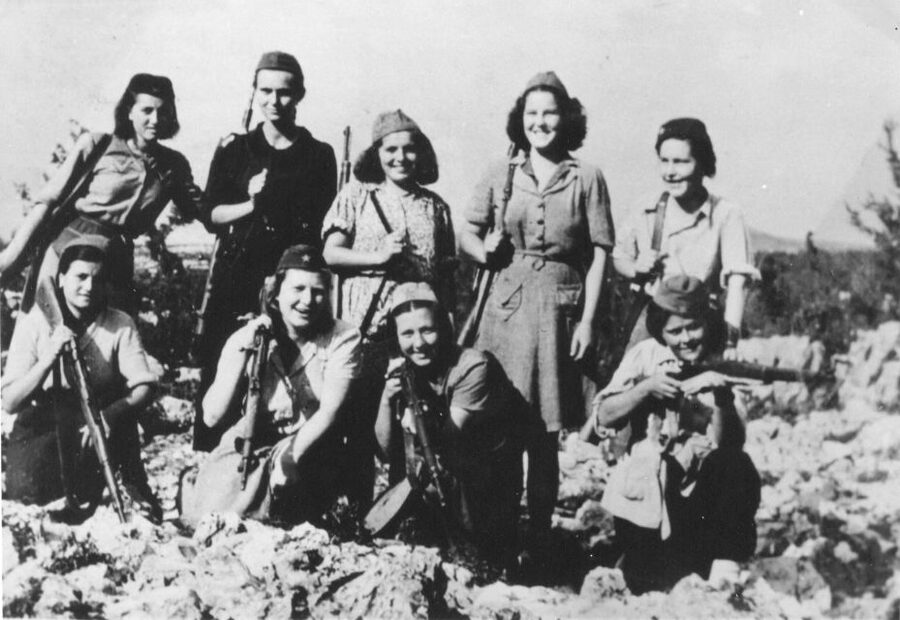
This tour includes small museums and visits to secret shelters, along with remnants at different monuments and battle sites. Those stops are valuable because they show the hidden layer of war: not just the moment the gunfire started, but the longer period of fear, secrecy, and survival.
I like that this section is built to make resistance understandable. You’ll hear about the role of partisans, and how they helped the British, Australian, and New Zealand armies change the course of events. That’s a key insight: resistance isn’t only dramatic sabotage. It’s also intelligence, guiding, disrupting plans, and making occupation cost more than the invader expected.
If you’re hoping for a tour that feels human—not just military—this is where it becomes most personal. Some days, the guide may also include moments where a local story adds weight, tying battle-era history to family memory. It’s the sort of detail that makes you look at a monument and think about the people behind the dates.
Tip for you: in these smaller spaces, move slowly. Read the context. If you’re standing in or near a shelter area, give your eyes a minute to adjust. You’ll get more out of the experience than if you rush for the next stop.
Cemeteries That Demand Quiet: German and Allied Graves
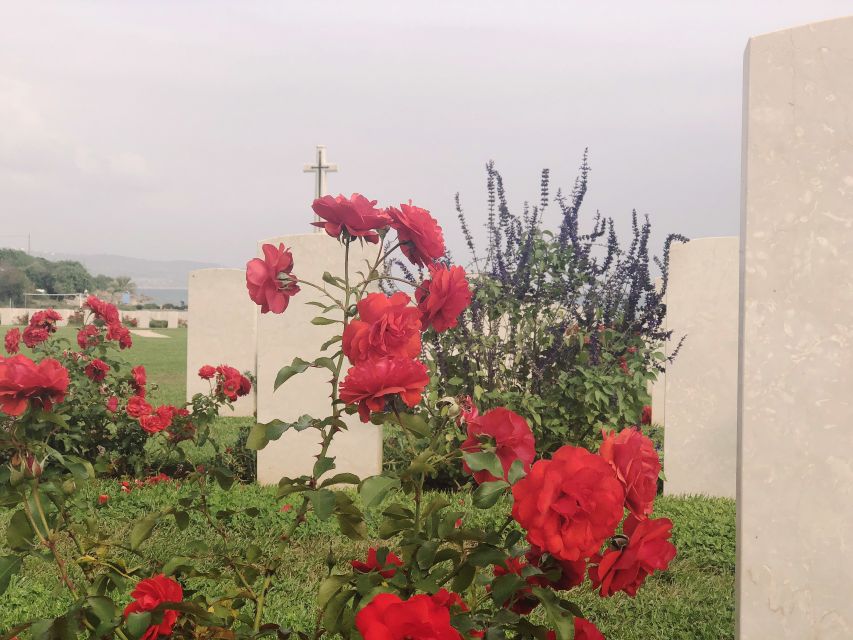
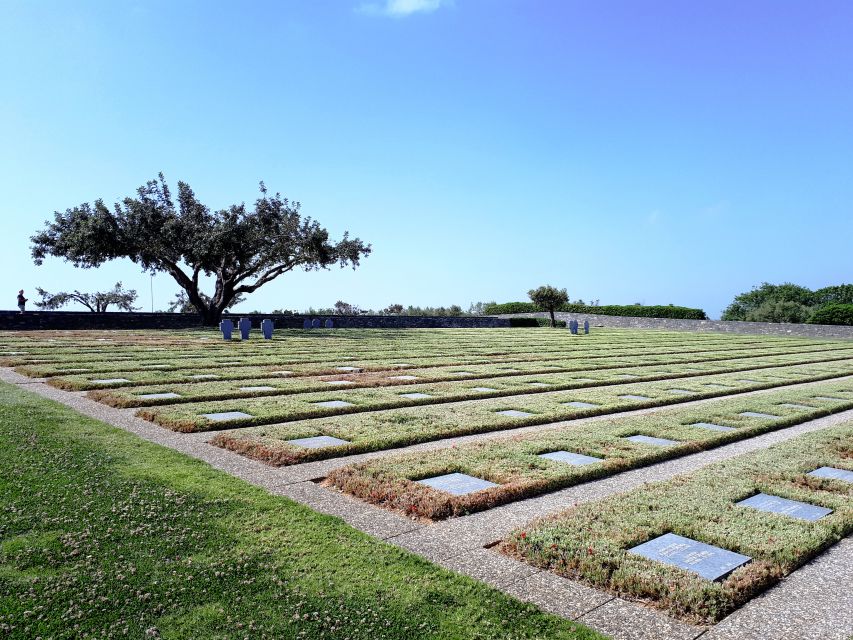
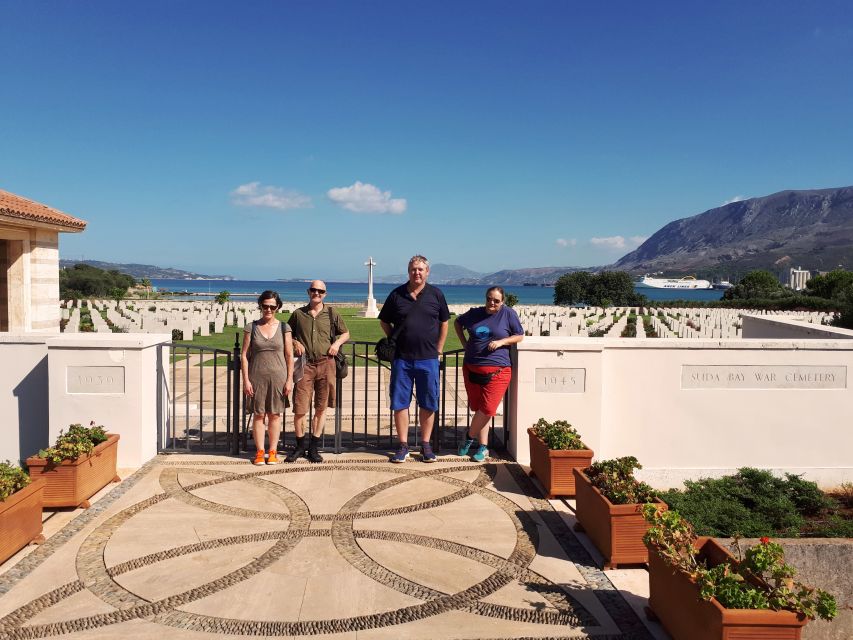
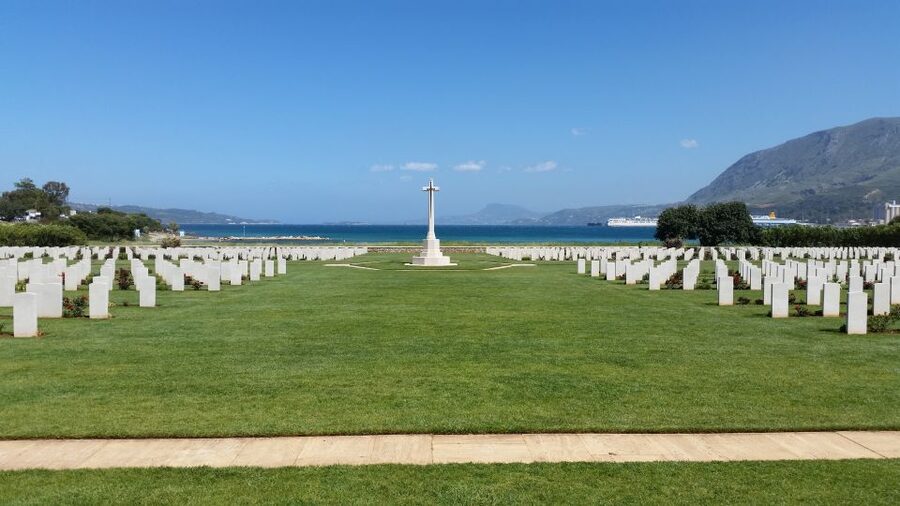
The emotional center of this tour is the cemetery time. You’ll visit the war cemeteries of both German and Allied forces. That pairing is not random. It helps you see the war as a single human event, not a sports score between sides.
The cemeteries are described as beautifully preserved, and the guidance you receive aims to be sensitive, especially when speaking about what happened at the German graves. That tone matters. It keeps the visit from turning into a grim checklist and instead makes it feel like what it is: a place of remembrance.
For people with family ties to the Battle of Crete, this part can be especially intense. Even if your connection is only historical interest, cemeteries slow your brain down in a good way. You start asking different questions: about distance from home, about how fast young lives were reshaped, and about why the island still carries these memories so strongly.
There’s also a practical reality. Cemetery visits can take time because you need a minute to just stand and absorb. If you’re the kind of person who wants a quiet moment, give yourself that permission. This isn’t the segment to multitask.
If you’re sensitive to emotion, plan a few minutes after the cemetery too—some shops and viewpoints aren’t far, but your mood might need a landing.
The Guides: Yanis and Babis Style of Storytelling
A big reason this tour earns such strong satisfaction is the way the guides present the material. On this route, names like Yanis and Babis come up often, and the common thread is pacing plus clarity: they explain not just what happened, but why it unfolded the way it did.
You’ll get the battle narrative in a logical, chronological flow, and guides often use supporting maps and documents so troop movements make sense. I love that approach because WWII gets confusing fast if you only hear names and dates. Visuals act like a mental anchor. They help you keep track of where you are in the story.
Some guides also bring a broader sense of Crete into the mix—how Crete lived, not only how it fought. That context turns the occupation from “military event” into something like “a society under pressure,” which is exactly what you want if you’re trying to understand the full impact.
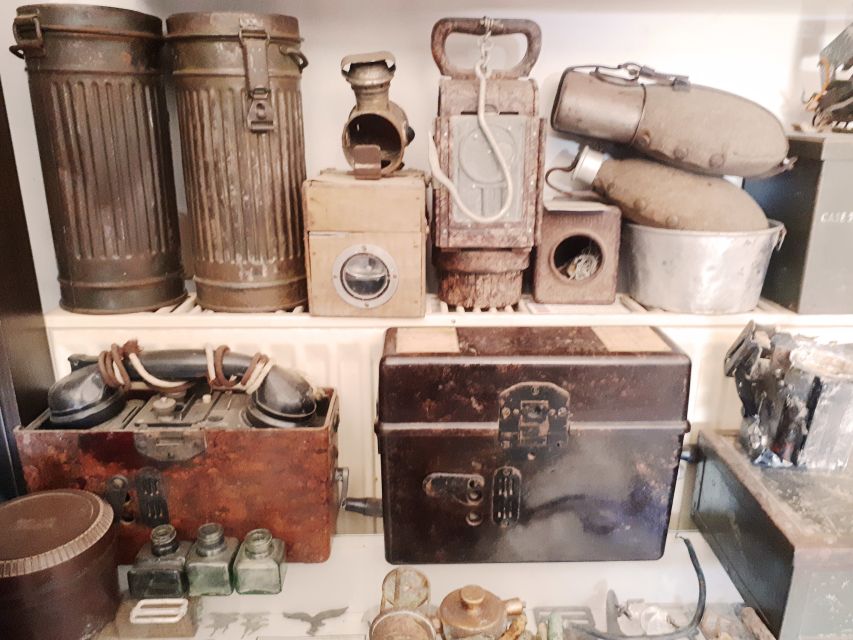
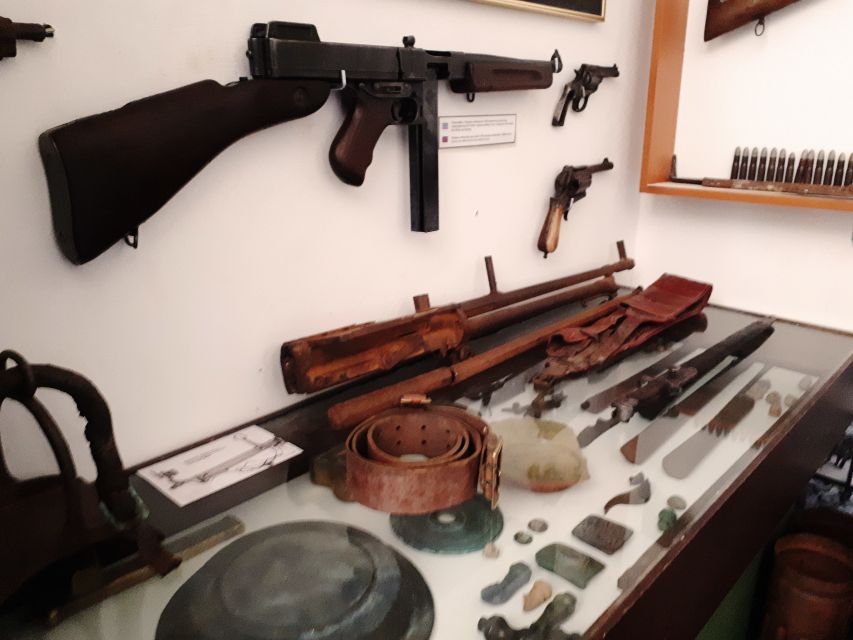
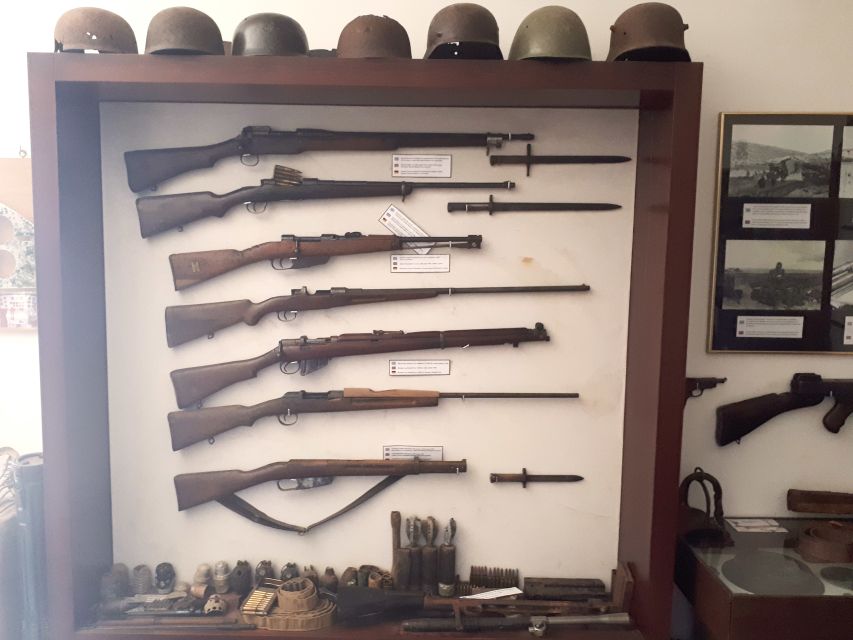
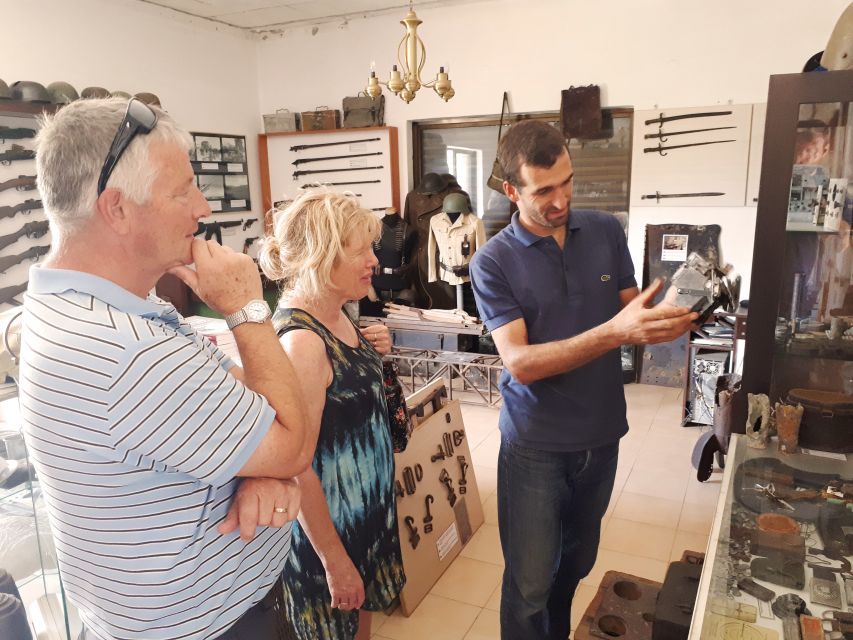
One extra note: many tours on this theme include a stop at a private collector’s home with WWII artifacts, and in a few cases the collector explains where items were found and the story behind them. I’m not promising every departure includes this same element, but when it does, it adds texture. You see how history survives in objects people kept rather than in headlines that faded.
If you want the day to feel like learning instead of commuting, focus on the guide’s flow. Ask questions if you have them. This tour works best when you engage.
Small Group Comfort, Snacks, and the One Thing to Plan For
This is a small group tour with pickup and drop-off in the Chania region, plus transportation in an air-conditioned minivan. That matters. Crete roads can be busy and the sun can be intense, so having reliable transport and AC makes the history portion easier to enjoy instead of enduring.
You also get an included snack and a bottle of water per person, plus entrance fees are covered. In practical terms, that means you’re not burning time figuring out ticket lines or scrambling for snacks at the wrong moment.
Now the drawback you should take seriously: you may only get one scheduled comfort break during a day that’s effectively more than a half-day in real time. Multiple people noted they wanted an additional restroom stop. So do yourself a favor: use the opportunity you’re given, and don’t wait until you’re already stressed.
What to pack is simple:
- Comfortable shoes (non-negotiable)
- A little extra water if you know you drink more
- If you’re picky about snacks, consider bringing a small backup bite, since the included snack may not match everyone’s tastes
If you’re traveling with mobility limits, this is still doable in many cases because you’re in a vehicle much of the time. But the walking at multiple sites adds up. Comfortable shoes and a sensible pace are the whole game.
Price Check: Is $111 Good Value?
At $111 per person for a roughly six-hour tour, this pricing can be a solid deal—especially if you’re the type who wants a guide instead of trying to piece together battlefield sites on your own.
Here’s what you’re getting for that cost:
- pickup and drop-off in the Chania region
- air-conditioned minivan transport
- English-speaking driver/guide (with a local guide also involved)
- entrance fees
- small group format
- snack and a bottle of water
If you had to rent a car, pay for admission at multiple stops, and then figure out where the battle sites actually are (and what you should look for), the cost adds up fast. A guided route also helps you avoid the biggest risk of self-guided battlefield tourism: missing the meaning behind the place.
So if you care about WWII details, and you want the story connected to specific sites without spending your day reading alone, the value makes sense.
If you’re only casually interested in WWII, you might feel there’s a lot to take in. This tour is best when you’re willing to focus for a few hours and let the guide’s narrative lead you.
Should You Book the Chania WWII History Tour?
Book it if you want WWII on Crete to feel organized, grounded, and human. This tour is built for people who like context: the lead-up to invasion, how Operation Mercury played out, how the Battle of Crete unfolded, and how resistance shaped what happened next. The cemeteries, plus the way the guides handle them, are a major reason to choose this day trip.
Skip it or think twice if you hate structured schedules and you need frequent restroom breaks. The day can feel long in practice, and the comfort-break timing is a known weak spot.
One more quick fit check: this tour only departs from the Chania region, so it’s a great choice if you’re based nearby. If you’re staying farther out, you’ll want to confirm that your pickup area matches what you have in mind.
If you’re ready to trade beach time for a focused, story-led day, I’d call it a strong choice.
FAQ
What’s the duration of the Crete World War II History Tour from Chania?
The tour duration is listed as 6 hours. Starting times depend on availability.
Where does the tour depart from?
This tour only departs from the Chania region.
What’s included in the price?
Pickup and drop-off from specific locations in the Chania region, air-conditioned minivan transportation, an English-speaking driver/guide and local guide, entrance fees, local taxes, and a snack plus a bottle of water per person.
What languages is the tour offered in?
The tour is offered in English and Greek.
Do I need to bring anything?
Wear comfortable shoes.
Are pets allowed on the tour?
No, pets are not allowed.
Is free cancellation available?
Yes. You can cancel up to 24 hours in advance for a full refund.
Do you offer reserve now and pay later?
Yes. You can reserve your spot and pay nothing today.