REVIEW · UJI
Slow Cycling Tour at Uji’s Matcha Green Tea Fields and Heritage
Book on Viator →Operated by BROMPTON SLOW CYCLING TOURS · Bookable on Viator
Uji is a short ride south of Kyoto, and it feels more human on two wheels. I like that this is slow cycling on easy-to-handle Brompton bikes, so the day stays relaxed instead of rushed. I also love that you get an English guide who can connect matcha production to the historic places around town. One possible drawback: two of the best stops (a tea facility and the UNESCO site) can require extra entrance fees.
This is the kind of tour where the pace does you a favor. You’ll cover a lot of ground, but not with that “spot-and-sprint” feeling. With a small group size (up to 6), you can ask questions and actually hear the answers.
In This Review
- Key highlights you should care about
- Why Uji by Brompton Feels Better Than Kyoto on Foot
- Price and Value: What $130.46 Covers (and What Doesn’t)
- The Start at Uji Station: Getting Comfortable on Your Ride
- Tea and Uji Community Center Chazuna: Matcha Culture with Context
- Uji Shrine and Ujigami Shrine: Blessings, Belief, and Smart Photo Spots
- Asagiri Bridge and Amagase Dam: The River Part of Uji
- Koshoji Temple’s Stone Path and Byodoin Omotesando Phoenix Hall Choice
- Food Breaks, Lunch Decisions, and Staying Flexible
- Who Should Book This Uji Slow Cycling Day
- Book It or Skip It: My Practical Take
- FAQ
- Is this slow cycling tour beginner-friendly?
- How long is the Uji slow cycling experience?
- What’s included in the price?
- Are entrance fees to Chazuna and Byodoin included?
- Do I need to buy insurance?
- What bike do I ride?
- Where do I meet the guide, and where does the tour end?
- What’s the maximum group size?
- What happens if the weather is bad?
- Should I book this tour even if I want to customize the day?
Key highlights you should care about
- Brompton bikes make Uji’s narrow lanes and photo stops feel easier than you’d expect
- English-speaking navigator/guide helps you understand the why behind each shrine and tea stop
- Tea culture first, including a dedicated visit to a local tea learning center
- Quiet religious sites with practical context, not just sightseeing
- River views built in, including a long, calm stretch near Amagase Dam
- Optional UNESCO and museum entries, so you can choose how much you want to pay
Why Uji by Brompton Feels Better Than Kyoto on Foot
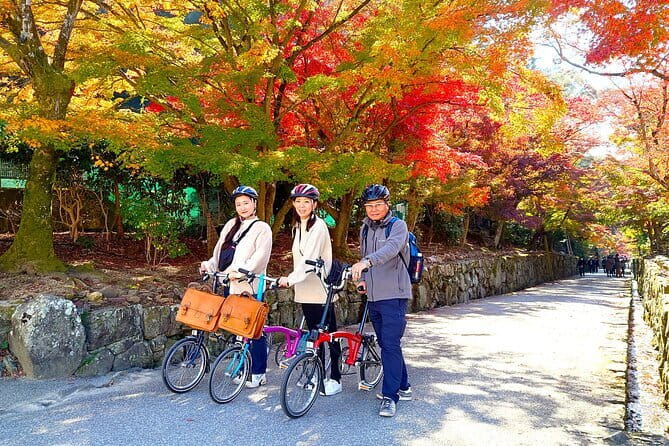
Uji sits just south of Kyoto, and it’s famous for matcha. It’s also home to temples and shrines that go way back. The main win here is how the route is designed for the way you actually want to move through the area.
A Brompton is compact and photo-friendly, so you don’t feel like you’re carrying a tank. Slow cycling also helps if you’re not fully confident on a bike day. Instead of pushing pace, you ride steadily, stop often, and take in the details your eyes would miss at walking speed—or your legs would regret if you tried to “cover everything.”
The tour keeps the group small (max 6), which matters more than it sounds. In a bigger group, questions get lost and stops feel like queues. Here, you can ask about matcha, about the shrines, and about what to look for when you’re standing in the right spot.
You can also read our reviews of more tours and experiences in Uji.
Price and Value: What $130.46 Covers (and What Doesn’t)
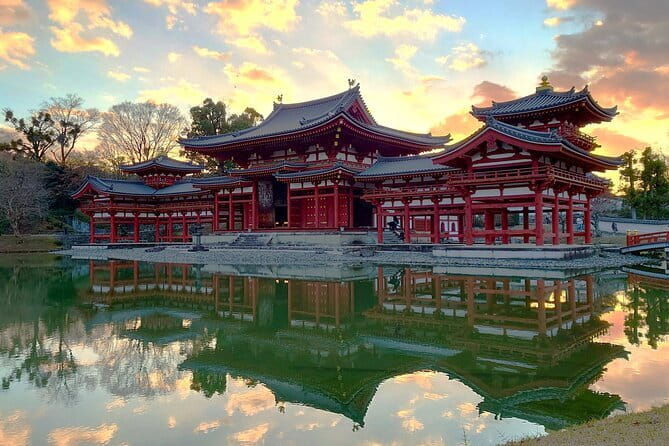
The listed price is $130.46 per person for about 4 hours 30 minutes of guided slow cycling. The value is strong because the essentials are included: bicycle rental, English guide/navigator, and riding equipment like helmets and transport bags for wheels.
That matters because in Japan, bike days can get expensive fast once you add rental, guide time, and gear. Here, you’re paying for a whole package that’s built around an easy pace and informed stops.
What’s optional (and may add cost) includes:
- Entrance to the tea and community center (option: 600 yen)
- Entrance to Byodoin Phoenix Hall (option: 700 yen)
- Insurance fee (option: 500 yen)
If you like structure—bike + guide + planned cultural stops—this price starts to look very fair. If you only want free outdoor sights and hate paying for entrances, you could end up paying less by skipping the optional indoor sites. Still, the tour design gives you those choices rather than forcing a one-size-fits-all schedule.
The Start at Uji Station: Getting Comfortable on Your Ride
The meeting point is Chatsubo PostboxJapan, at Umonji 1716, Uji Station (Kyoto, Uji; 611-0021). The tour starts at 10:00 am, and it returns to the same spot at the end, which saves you from planning a second transfer later.
You don’t need to bring riding gear. Helmets and bicycle transport bags are provided, plus the bikes are set up for the day. That’s a quiet but real advantage: you can focus on enjoying Uji instead of managing straps, wheels, and last-minute gear shopping.
Most days can be done by most people. That said, slow cycling doesn’t mean no effort. If you’re dealing with knee issues or you hate being on a bike for any length of time, bring that up early so you can make sure the pace works for you.
Tea and Uji Community Center Chazuna: Matcha Culture with Context
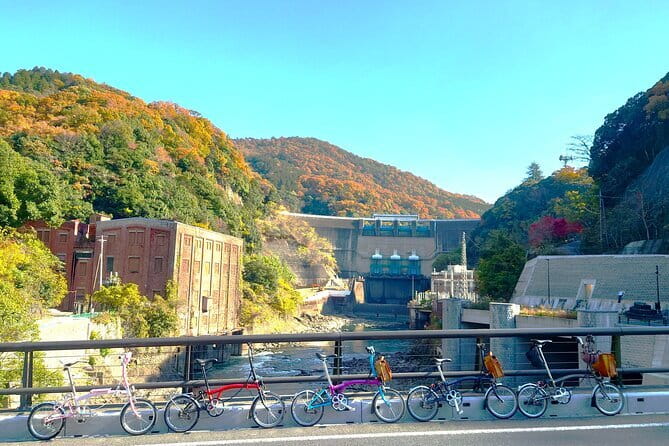
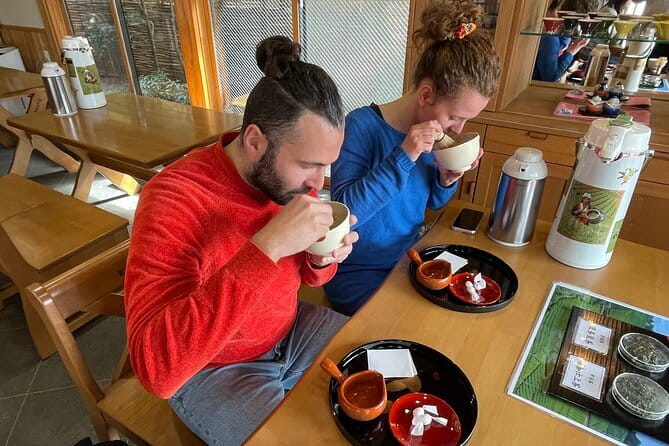
Stop 1 is Tea and Uji Community Center, Chazuna, for about 45 minutes. This is where you get a structured look at Kyoto’s tea culture and history through a local education center. It’s not just tasting; it’s about learning what matcha is in a wider cultural story.
Chazuna isn’t included automatically—there’s an optional entrance fee (600 yen). If you’re a matcha fan, I’d treat this as your main “inside” stop. It helps you understand what you’re looking at later in town, including why Uji is so closely tied to tea.
A useful mindset: go in ready to connect dots. When you learn the basics of tea cultivation and tea culture, the shrines and temples feel less like random stops and more like a lived-in part of the same long-standing tradition.
Possible drawback: if you don’t care about tea education beyond a drink, the time inside may feel long compared to the outdoor stops.
Uji Shrine and Ujigami Shrine: Blessings, Belief, and Smart Photo Spots
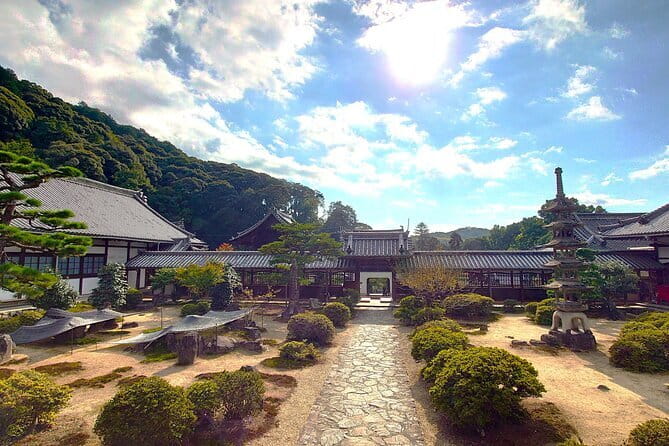
You’ll visit Uji Shrine next for about 30 minutes. It’s described as having a history of over 1,700 years. The shrine is associated with blessings for academic success and childbirth—the kind of practical cultural meaning that makes a historic site more than a postcard.
Then comes Ujigami Shrine for another 30 minutes. It’s paired with Uji Shrine, and there’s mention of a spring called Kirihara Water, one of Uji’s famous waters, still flowing on the grounds.
From a visitor perspective, these stops give you variety without turning the day into a march. You get quiet places to pause, look closely, and take photos at a slower rhythm. And because the cycle pace is gentle, you don’t feel rushed while the shrine atmosphere does its job.
One consideration: shrines and temple grounds can have lots of stone surfaces and steps. Wear shoes you’re comfortable walking in for short stretches, especially if the weather is slick.
Asagiri Bridge and Amagase Dam: The River Part of Uji
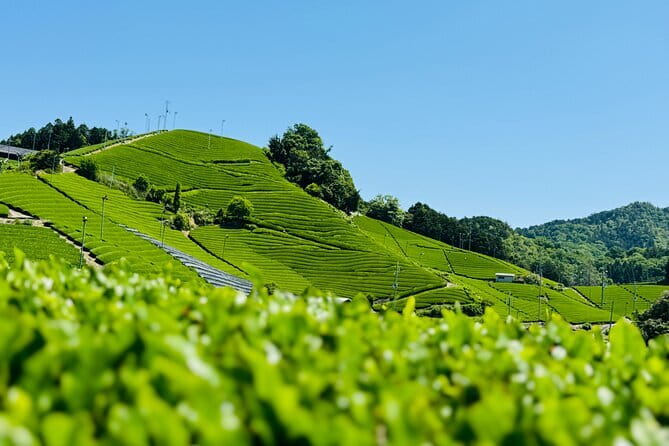
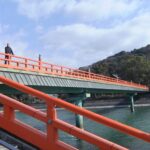
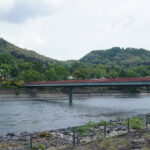
Stop 4 is Asagiri Bridge for about 15 minutes. It’s simply a scenic photo point over the Uji River. Even though it’s short, it works well as a rhythm reset. You ride, you stop, you frame the view, and you move on.
Stop 6 is the big scenery moment: Amagase Dam with about 1 hour of time. The description focuses on a nature trail along the Uji River, leading toward a wooden Amagase Bridge and valley views that are so calm you can almost pretend Kyoto isn’t nearby.
This is the part of the tour that feels like a breather. Instead of only indoor tea and formal religious stops, you get open air and a longer stretch to slow down. The river setting also tends to make even a hot day more tolerable when there’s shade along the path.
A possible drawback: because it includes more time outside, weather matters. The experience notes it requires good weather. If conditions are rough, you may need flexibility with rescheduling.
Koshoji Temple’s Stone Path and Byodoin Omotesando Phoenix Hall Choice
Koshoji Temple is stop 5, about 30 minutes. It’s a Zen temple with a history of around 800 years, and the highlight described is the Kotosaka slope—a stone-walled path from the gate up to the temple grounds. If you like places where you can feel the design in the approach, this is a good one.
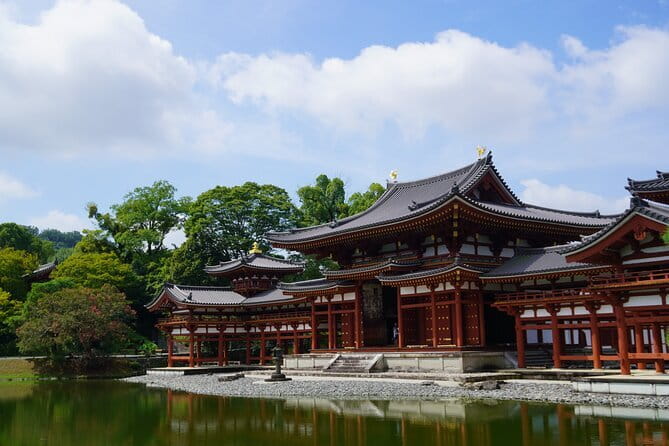
Then, near the end, you reach Byodo-in Omotesando for about 1 hour. This is where the tour gives you a choice: you can visit Byodoin Phoenix Hall (UNESCO) or stop for a cup of tea at Uji’s tea shops.
Byodoin Phoenix Hall has an optional entrance fee (700 yen). If you’re into UNESCO sites, this is your moment to “yes” that choice. If you’d rather keep spending money on tea and snacks instead of tickets, the Omotesando area still gives you a satisfying finish.
Practical note: having this as the final cultural anchor is smart. You’ve already learned the tea story and the shrine/temple meanings earlier. So when you arrive at Byodoin, it feels like the day’s theme comes home rather than changing subjects at the last minute.
Food Breaks, Lunch Decisions, and Staying Flexible
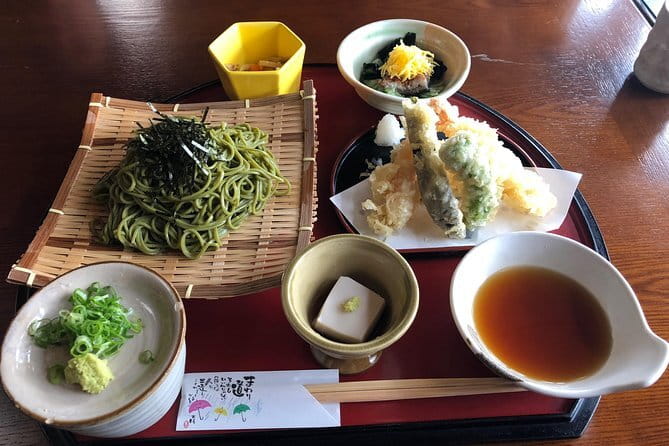
One of the most enjoyable parts of this tour is how the guide handles food. Snacks aren’t included, but the navigator will suggest places for refreshments during the ride based on what you want.
In past experiences, that has included a lunch stop that worked for vegan and gluten-free needs, and the day ended with a matcha drink. You can’t assume every day will match that exact menu, but the important point is that the guide is set up to tailor recommendations rather than sending you to the one standard tourist place.
Also, the course can be arranged according to your wishes. That’s not just a nice-to-have. If you care more about tea than temples, or you want extra time for photos, you can likely adjust the balance within the tour’s overall flow.
Who Should Book This Uji Slow Cycling Day
This tour is ideal if:
- You want an easy bike day without the stress of navigating unfamiliar streets
- You care about matcha culture and want context, not just a drink
- You like historic places, but you hate being stuck in line after line
- You’d rather do a small group than a large bus-style day
It’s also a good fit for people who want light exercise and a chance to explore beyond the most obvious lanes. Cycling here is slow by design, and stops are timed so you can enjoy the place between rides.
Who might hesitate:
- If you strongly prefer self-guided sightseeing and hate paying for guided segments, the structure may feel limiting.
- If you can’t be outside for about an hour by the river, you may want to plan around seasonal conditions.
Book It or Skip It: My Practical Take
I think you should book this if Uji is on your Kyoto itinerary and matcha is a real interest. You’re paying for a smooth, guided way to connect tea culture with historic sites, and you get the benefit of riding a Brompton without the hassle of bringing anything.
The decision comes down to optional fees and your interests. If you’re excited about learning at Chazuna and seeing Byodoin Phoenix Hall, that’s where the tour’s “value stack” lands. If you’re more into photos and outdoor pacing than museum-style learning, you can still enjoy plenty, but you’ll want to decide in advance what you want to pay for.
If you pick this tour on a day with good weather, you’re in for a calmer, more thoughtful Uji than you’d get rushing in and out.
FAQ
Is this slow cycling tour beginner-friendly?
The tour is described as easy slow cycling, designed for people who are not confident about their physical fitness, and it says most travelers can participate.
How long is the Uji slow cycling experience?
It runs about 4 hours 30 minutes (approx.).
What’s included in the price?
The tour includes bicycle rental, the exclusive navigator fee, riding equipment (like helmets and bags for wheeled transport), and an English guide.
Are entrance fees to Chazuna and Byodoin included?
No. Chazuna entrance is an optional 600 yen, and Byodoin Phoenix Hall entrance is an optional 700 yen.
Do I need to buy insurance?
Insurance is an optional fee (500 yen). It’s not required by default.
What bike do I ride?
You’ll ride a BROMPTON bicycle.
Where do I meet the guide, and where does the tour end?
You meet at Chatsubo PostboxJapan near Uji Station (Umonji 1716). The tour ends back at the meeting point.
What’s the maximum group size?
The tour has a maximum of 6 people.
What happens if the weather is bad?
The experience requires good weather. If it’s canceled due to poor weather, you’ll be offered a different date or a full refund.
Should I book this tour even if I want to customize the day?
Yes, the course can be arranged according to your wishes, and your navigator can suggest food stops based on what you want.