REVIEW · HO CHI MINH CITY
HCMC: English or German War History Tour: Tunnels & Museums
Book on GetYourGuide →Operated by TripGuru Vietnam · Bookable on GetYourGuide
War history in Saigon comes fast. That’s what makes this 9-hour tour such a smart way to use limited time, with Cu Chi Tunnels plus museum time and major landmarks in one day. I like the mix of places that show different angles on the conflict, and the chance to hear real wartime stories while you’re there. The one real catch: it’s a full, active day, so plan for long stretches on uneven ground and heat.
This is also built around comfort and clarity. You’ll ride in an air-conditioned vehicle with a small group (up to 9), and you’ll get a professional guide who can explain what you’re seeing in plain terms. Just remember the tour isn’t a fit if you have mobility limits or certain health conditions like heart or respiratory problems, and it’s not suitable for kids under 7.
In This Review
- Key highlights you’ll care about
- A full day of war history plus Saigon landmarks
- Pickup, group size, and the comfort details that matter
- Cu Chi Tunnels: the veteran stories and the reality check
- War Remnants Museum: labels, artifacts, and guided context
- Independence Palace: architecture and the pulse of politics
- Notre Dame Cathedral and Central Post Office: French lines in Saigon
- Lunch stop and how to handle a long, hot day
- Price and value: what you’re paying for
- Who should book this war history tour
- Guide style matters, and names like Binh keep showing up
- Should you book this Cu Chi tunnels and museum day?
- FAQ
- How long is the tour?
- What is the tour language?
- How big is the group?
- What stops are included?
- What is included in the price?
- What is not included?
- Where does pickup happen?
- What should I bring?
- Is it refundable if my plans change?
Key highlights you’ll care about
- Cu Chi Tunnels with a veteran connection: You don’t just read labels; you hear wartime accounts directly.
- War Remnants Museum, tightly planned: Indochina War and Vietnam War exhibits in about 75 minutes.
- Independence Palace walkthrough: A guided look at the presidential spaces and big architectural details.
- French-era landmarks, on schedule: Notre Dame Cathedral and the Central Post Office in short, focused stops.
- Small-group pace: Up to 9 people makes questions easier and the day feel less rushed.
- Provided water and a resting hut: Breaks and shade help you stay human during the long day.
A full day of war history plus Saigon landmarks
If you’re trying to understand Ho Chi Minh City’s wartime past, this tour gives you a sensible, high-impact route. You start outside the city at Cu Chi Tunnels, then you come back to the core of Saigon for the War Remnants Museum and key political and colonial-era buildings. It’s not trying to be a slow, reflective museum crawl. It’s trying to get you oriented quickly.
That approach works well if you only have one day and want more than one “wow” stop. The tunnels and the museum hit different parts of your brain: one is physical and claustrophobic in feeling, the other is visual and documentary. Then Independence Palace ties it back to power and decision-making, while Notre Dame Cathedral and the Central Post Office show how French architecture still shapes the city’s streetscape.
The emotional tone is serious. This is war history, and some exhibits and stories are not the kind you treat like sightseeing trivia. I’d go with a mindset of respect and time to process, even if the schedule is tight.
You can also read our reviews of more historical tours in Ho Chi Minh City



Pickup, group size, and the comfort details that matter
The tour includes hotel pickup and drop-off, but pickup depends on where you’re staying. It’s available for hotels in District 1 with a couple of exceptions (Tan Dinh Ward and Da Kao Ward aren’t included), and for District 3 only in Vo Thi Sau Ward and 6th Ward.
Once you’re picked up, the day runs on a simple formula: get you to the next major site, then keep you moving efficiently. Transportation is in an air-conditioned vehicle, which matters a lot in Ho Chi Minh City, especially on a long day that includes multiple outdoor-facing stops.
The group is limited to 9 participants. That small size is a real quality-of-life upgrade when you’re bouncing between different sites and you actually want answers, not just a stream of announcements.
You’ll also have drinking water included, plus access to an exclusive resting hut. That “resting hut” detail is one of those under-the-radar items that can make or break a day like this. Even short breaks help when you’re dealing with sun, humidity, and crowds.
Cu Chi Tunnels: the veteran stories and the reality check
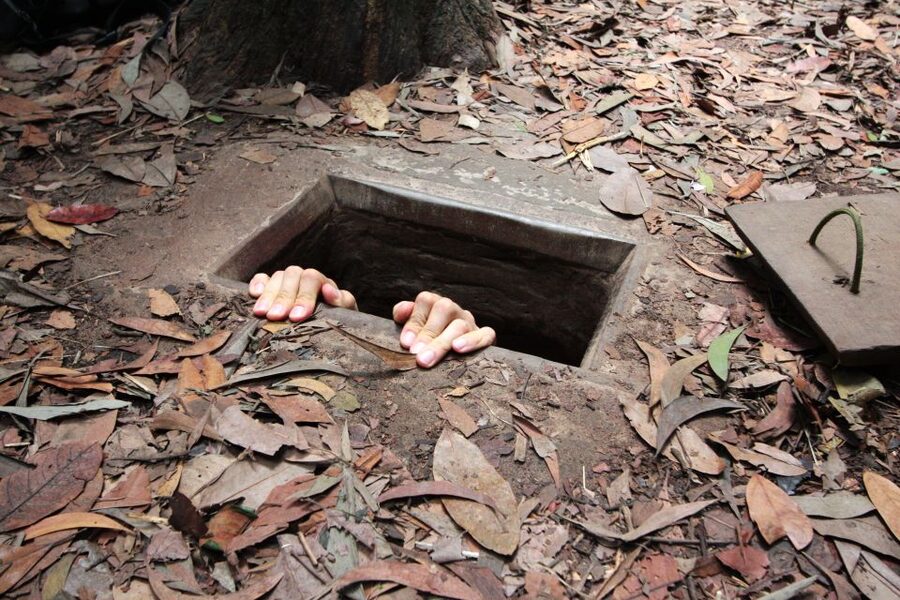
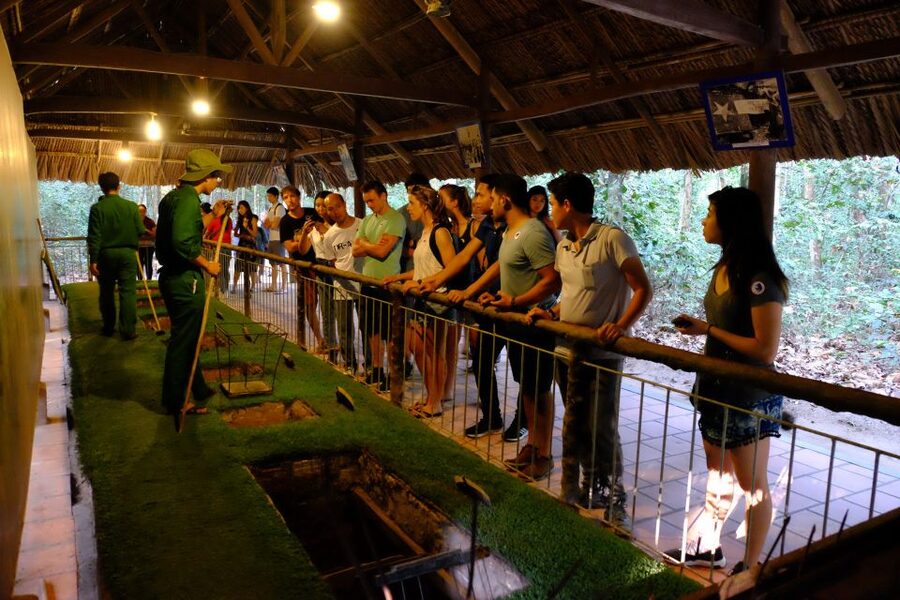
Cu Chi Tunnels is the reason many people book this tour. It’s a famous network of underground passageways used during the Vietnam War and the Tet Offensive, and the guide is there to connect the site to tactics like guerrilla warfare.
One of the best parts of the experience is the war veteran interaction. This isn’t just a history talk. You get firsthand wartime stories while you’re standing in the environment. That combination changes how the tunnels feel—from a neat-but-remote site into something personal and specific.
You’ll have about 1 hour here with a guided visit and sightseeing time. The setting is the kind that naturally slows you down. Even if you move quickly, you’re dealing with tight spaces and the constant sense of, what would daily movement even look like underground?
There’s an optional extra if you want it: rifle firing comes with an additional fee. It’s not included, but the option is there. If you prefer to keep the day focused on interpretation rather than action, you can skip it and still get a full experience from the tour guide and the veteran stories.
Practical tip: wear comfortable shoes and bring a bit of insect protection. This is the sort of day where basic prep saves you from paying for it later with blisters or irritation.
War Remnants Museum: labels, artifacts, and guided context
After the tunnels, you head back into the city for the War Remnants Museum, with a guided visit and about 75 minutes on site.
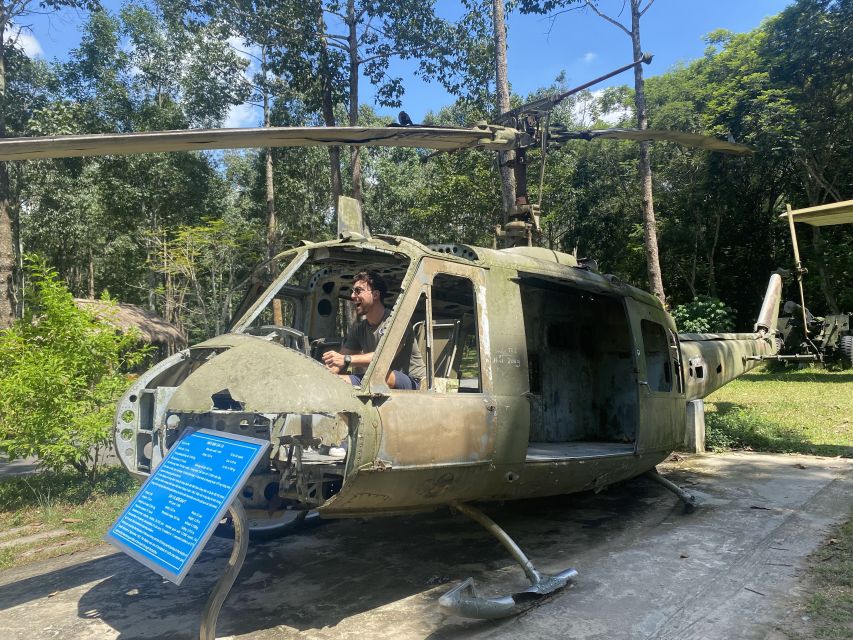
This museum is where the tour shifts from lived experience to documented evidence. You’ll walk through Indochina War and Vietnam War exhibits, including materials described as paraphernalia relating to the conflicts. The guide’s job here is crucial: without that context, you can end up moving fast through artifacts that deserve slower attention.
I like this stop because it gives you a structure for understanding. Cu Chi can make the war feel like “place and survival.” The museum helps you build the “why and what happened” layer—especially across the First Indochina War and the Vietnam War timeline.
As always with war museums, don’t force yourself to keep the same emotional volume the whole time. If you want a moment to step back, do it. Guided pacing doesn’t mean you must sprint.
You’ll likely want your camera for outside and general areas, and at minimum, you’ll appreciate having it ready for the bigger visual exhibits. Just keep in mind that some areas may feel sensitive. If the guide says not to photograph something, follow it.
Independence Palace: architecture and the pulse of politics
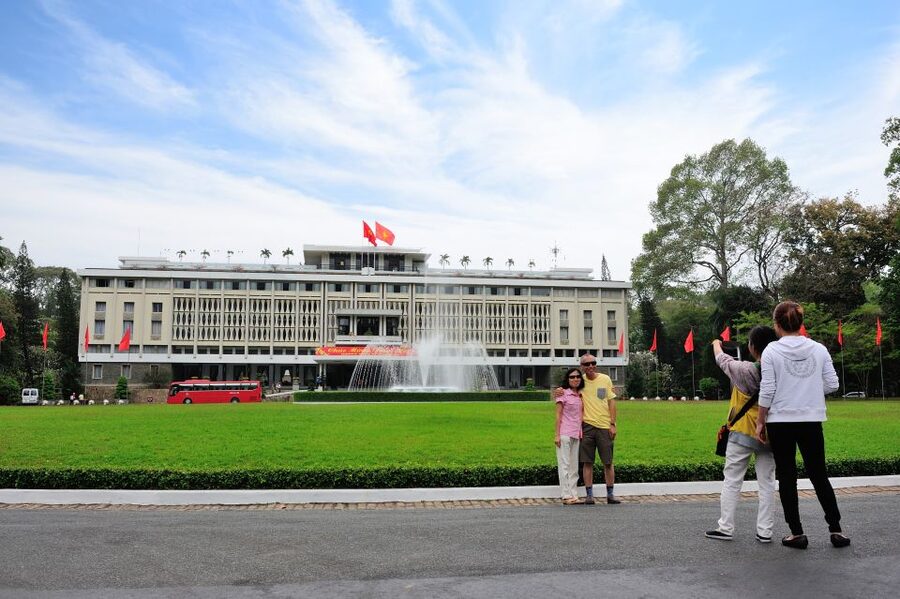
Next is Independence Palace, once the home and office of Vietnam’s presidents. You get about 75 minutes here with a guided walk, including the grand hall and major architectural spaces.
This is the stop that helps the day click into focus. The museum gives context. The tunnels give the human tactic-side. Independence Palace brings you back to the kind of decisions made above ground: rooms, layout, and the feel of a command center.
You’ll also have a chance to appreciate the building itself. The tour positions it as an iconic landmark, and in practice, that means you’re spending time looking at scale and design—less like a quick photo stop, more like a guided orientation to how power was organized in the space.
If you like history that’s tied to real rooms and real movement through a building, you’ll enjoy this. If you prefer strictly museum-style exhibits, you might find it more “walk-and-look” than “read-and-learn”—but the guide helps.


Notre Dame Cathedral and Central Post Office: French lines in Saigon
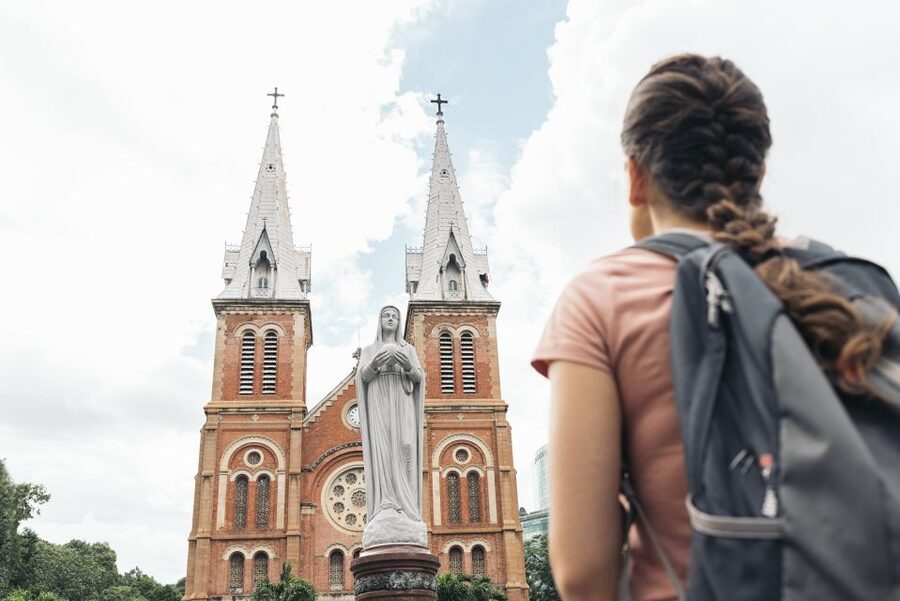
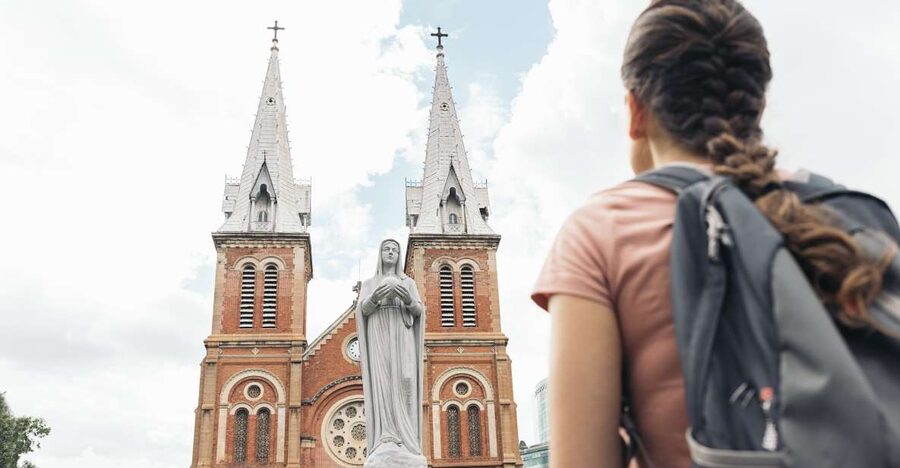
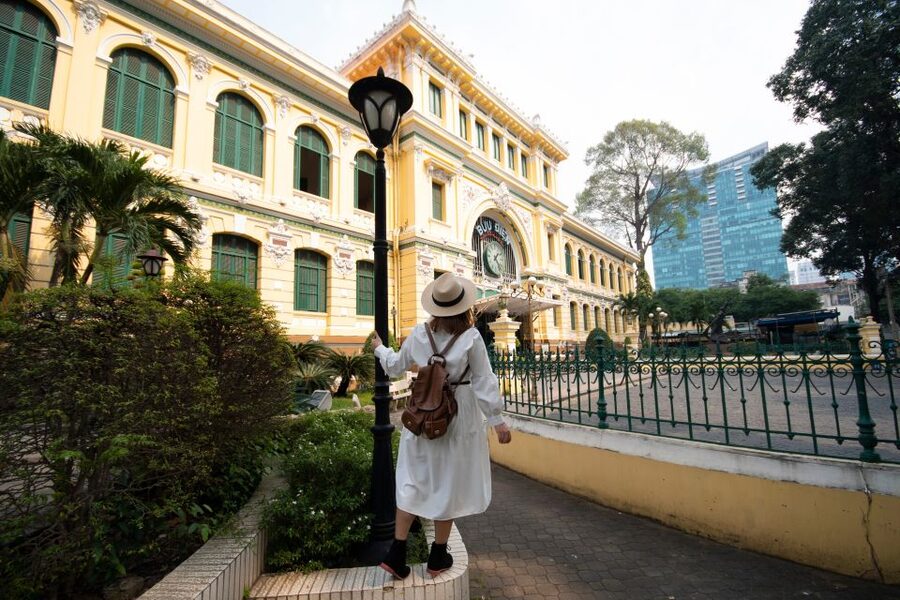
The last stretch is all about the French-era architecture you’ll see in modern Ho Chi Minh City. You visit Saigon Notre-Dame Cathedral first (about 30 minutes), then head across to the Saigon Central Post Office (about 30 minutes).
Notre Dame Cathedral, built by French colonists, gives you a clear visual contrast with everything you’ve just been learning about conflict and underground war. That contrast is not random. It helps you understand what the city looked like during colonial influence and why those buildings still shape street life today.
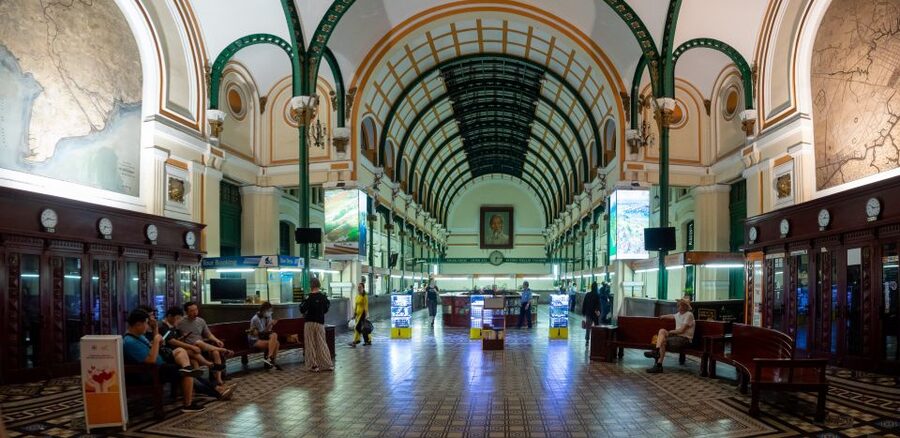
Then you reach the Central Post Office, another French-influenced building with a striking interior design, including sweeping ceilings. This is also where you get a little normal-life time. You can browse local vendor stalls in the area and take in everyday commerce right next to the “big landmark” feeling.
It’s a good reminder that history doesn’t freeze a city in time. It sits underneath the daily rhythm.
Lunch stop and how to handle a long, hot day
You’ll have a lunch stop during the day, described as a delicious local lunch stop. At the same time, meals are listed as not included, so you should budget for whatever you order.
Because you’re outside for some parts (tunnels and landmarks) and you’re on the move for most of the day, I suggest you treat the day like an active outing, not a couch-to-museum-and-back event. Bring sunglasses and sunscreen. Add an umbrella if rain is in the forecast—Ho Chi Minh City weather can change fast.
This is also where your packing list matters. The tour recommends bringing:
- insect repellent
- cash
- camera
- comfortable shoes
Do that and you’ll spend less time solving problems and more time taking in what you came to see.
Price and value: what you’re paying for
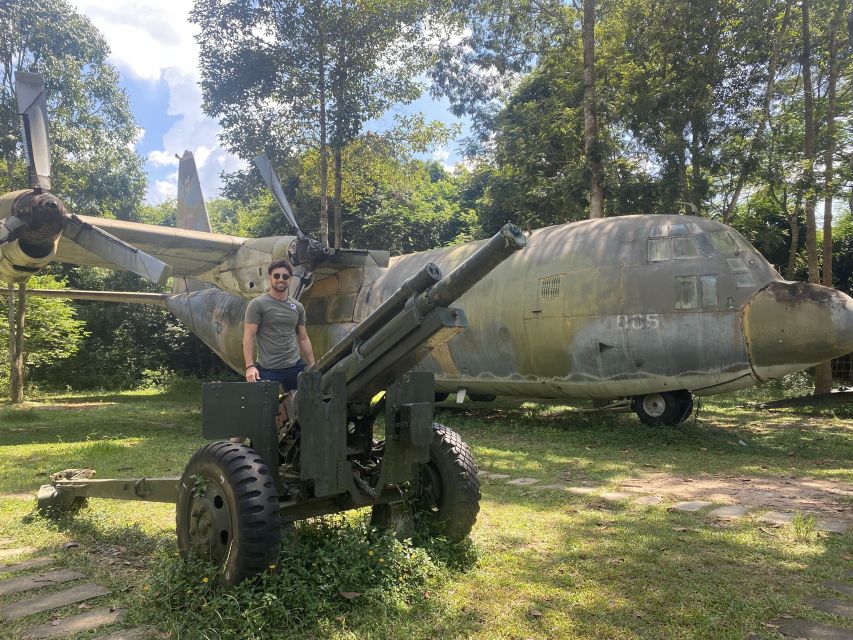
At $115 per person, this tour sits in the “one-day hit list” category. The value isn’t just the sites—it’s the structure and guided interpretation.
What you get included:
- hotel pickup and drop-off
- air-conditioned transportation
- a professional English-speaking tour guide
- war veteran interaction
- exclusive use of resting hut
- drinking water
- local taxes and fees
- fuel charges
- entrance fees are included for certain options (private and small group with entrance fee options)
What you should plan to pay extra for:
- rifle firing fee (optional)
- meals (not included)
- entrance fees if you’re on a standard small group tour option (listed as around VND 225K per person)
To judge value, look at the components that are hardest to do on your own: coordinating transportation across multiple sites, finding an experienced guide who can connect artifacts to the bigger story, and arranging a veteran interaction in a way that feels respectful and timely.
If you’re comfortable DIY-ing transport and museum access, you might cut cost. But if you want a guided day that hits multiple major landmarks without you spending your precious time figuring out the logistics, this price can feel fair.
Who should book this war history tour
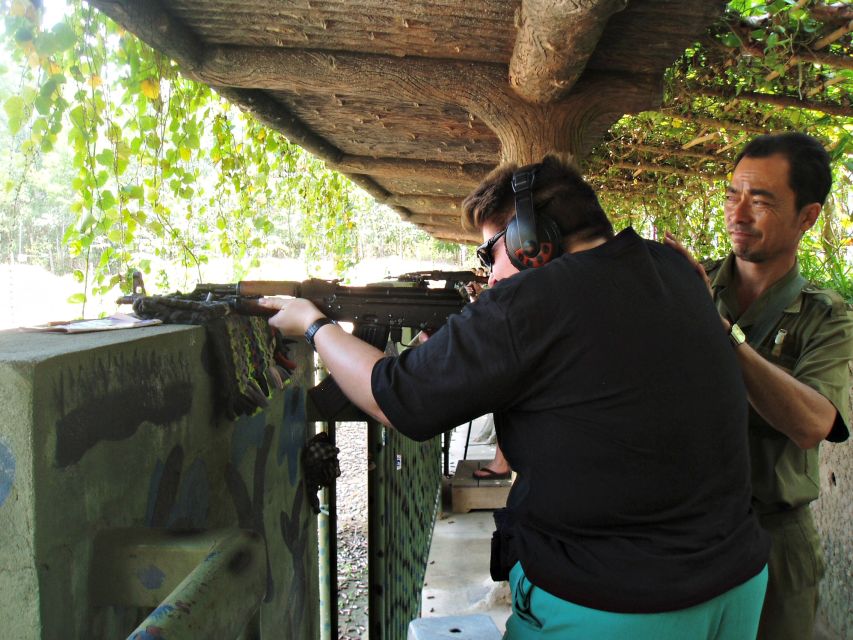
This is a great choice if you:
- have one day in Ho Chi Minh City and want major sites in a single loop
- like guided explanation, especially at places that can feel overwhelming on your own
- want a more grounded encounter via the war veteran interaction
- appreciate seeing how the city layers colonial architecture (like the Post Office and Notre Dame) over modern life
It may not be the best fit if you:
- need step-free or low-mobility access (the tour is listed as not suitable for people with mobility impairments)
- have conditions like heart problems or respiratory issues
- are traveling with kids under 7
- are pregnant
Also consider your emotional stamina. War history isn’t “easy fun.” The best way to enjoy it is to pace yourself internally—even when the schedule is fast.
Guide style matters, and names like Binh keep showing up
One of the strongest signals from past experiences is the guide quality. In particular, the name Binh comes up as someone who explains clearly and keeps the day organized. You’ll also often find that the guide doesn’t just stop at the tour sites; they can point you toward what to do with the rest of your time in the city.
That matters because the day you book is only part of the story. A good guide can help you connect the dots between what you saw today and what you choose tomorrow—so you don’t leave with a stack of disconnected landmarks.
Should you book this Cu Chi tunnels and museum day?
If your goal is a high-ROI, one-day introduction to Ho Chi Minh City’s wartime legacy—and you want it with a guided plan—this tour is a strong pick. The combination of Cu Chi Tunnels, a museum focused on Indochina and Vietnam War exhibits, and the landmark stops gives you both the ground-level reality and the documentary context.
I’d only hesitate if you know you struggle with long, active days in heat, or if any of the listed health and mobility limitations apply to you. Otherwise, it’s one of those days where the schedule is busy, but the content is purposeful.
FAQ
How long is the tour?
The tour runs for 9 hours.
What is the tour language?
The live tour guide language is English.
How big is the group?
It’s a small group limited to 9 participants.
What stops are included?
You visit Cu Chi Tunnels, the War Remnants Museum, Independence Palace, Saigon Notre-Dame Cathedral, and the Saigon Central Post Office.
What is included in the price?
Included items are hotel pickup and drop-off, air-conditioned transportation, a professional English-speaking guide, war veteran interaction, exclusive use of the resting hut, drinking water, and local taxes and fees. Entrance fees are included only for certain private/small-group options.
What is not included?
Rifle firing (optional), meals, personal expenses, and entrance fees for the standard small group option (around VND 225K per person) are not included.
Where does pickup happen?
Pickup is available for hotels in District 1 except Tan Dinh Ward and Da Kao Ward, and for District 3 only in Vo Thi Sau Ward and 6th Ward.
What should I bring?
Bring comfortable shoes, sunglasses, an umbrella, camera, sunscreen, insect repellent, and cash.
Is it refundable if my plans change?
Yes. The tour offers free cancellation up to 24 hours in advance for a full refund.