REVIEW · HO CHI MINH CITY
Private Half-Day Trip: Cu Chi Tunnels War History Tour
Book on GetYourGuide →Operated by MILLENIUM TRAVEL CO.,LTD · Bookable on GetYourGuide
The underground feels startlingly close. In Cu Chi, you trace a 200km tunnel world with an English-speaking guide, from hidden rooms to booby-trap design. I like the private format, so you spend more time asking questions and less time waiting around.
I also love the food-and-action balance. You’ll get to taste manioc, the war-time staple, and you can add AK47 or machine-gun shooting at the range if you want a hands-on moment.
One consideration: this is a tight, physically demanding site. The tour isn’t for people with mobility impairments or heart problems, and the tunnel sections are narrow by design.
In This Review
- Key Points I’d Put on Your Must-Know List
- Cu Chi Tunnels in a Half-Day: What You’ll Be Doing, Not Just Seeing
- Hotel Pickup and the 1.5-Hour Drive Out of HCMC
- The Intro Talk and Documentary: Getting Cu Chi’s War Story Straight
- Weapon Factories, Hospitals, and Underground Kitchens
- Learning Traps and Trap Doors Before You Crawl
- The Tunnel Crawl: Tight Spaces, Real Effort, and a Clear Sense of Risk
- Manioc Food: Taste the War-Time Staple
- Optional AK47 and Machine Gun Shooting at the Range
- Guides Who Make History Feel Clear: Tom, Gery, Nikki, and Yen
- Price, Value, and What Costs Extra (The $67 Math)
- What to Bring, Wear, and Skip (So You Don’t Lose the Day)
- Who Should Book This Cu Chi Private Tour (and Who Should Skip It)
- Should You Book It? My Practical Recommendation
- FAQ
- How long is the drive from Ho Chi Minh City to Cu Chi?
- What’s included in the $67 per person price?
- What parts of the tunnels will I get to see?
- Can I shoot a gun during the tour?
- What should I bring for the tour?
- Who is this tour not suitable for?
Key Points I’d Put on Your Must-Know List

- Private guide + hotel pickup from central Ho Chi Minh City (District 1) keeps the day smooth.
- A 200km underground network isn’t a museum display here; it’s a working war landscape.
- Real tunnel areas you can walk or crawl in, plus explanations of traps and trap doors.
- Manioc tasting gives context for what underground fighters could actually live on.
- Optional shooting range add-on (AK47/MK16/machine guns) lets you decide how far to go.
- Comfort needs matter: bring sun protection and comfortable shoes for tight, dim spaces.
Cu Chi Tunnels in a Half-Day: What You’ll Be Doing, Not Just Seeing
Cu Chi isn’t a quick stop where you glance and move on. This private half-day tour is built around being in the place—guided through how people survived, fought, treated injuries, and even made weapons underground. The most effective part is that you’re not just looking at objects; you’re learning the logic behind the tunnels.
You’ll spend time aboveground first, with a guide-led intro and a documentary that sets the scale and intensity of fighting in the area. Then you shift underground to see sections tied to daily life and survival: weapon-related spaces, hospital areas, kitchens, and the systems that helped fighters stay hidden.
The “private” part is a real value. You’re not trapped in a slow-moving crowd. You can ask the guide to repeat details about how traps worked, why certain areas were placed where they were, and what the tunnel layout meant for safety and movement.
You can also read our reviews of more tours and experiences in Ho Chi Minh City.



Hotel Pickup and the 1.5-Hour Drive Out of HCMC

You’ll start with pickup from centrally located hotels in District 1, then head out toward Cu Chi, about a 1.5-hour drive away. That matters because Cu Chi is far enough that timing can get messy on shared tours. Here, you get a straightforward transit plan with an air-conditioned private car and drop-off back at your hotel.
Along the way, you’ll likely get a warm-up talk from your guide, not just silence until you arrive. Even a short preview helps you understand what you’re about to see—especially when the story is about an underground world built for concealment, speed, and defense.
The tour includes mineral water and wet tissue, which sounds minor until you’re dealing with heat and long walking days. Bring your own water only if you know you drink a lot; the basic essentials are already handled.
The Intro Talk and Documentary: Getting Cu Chi’s War Story Straight
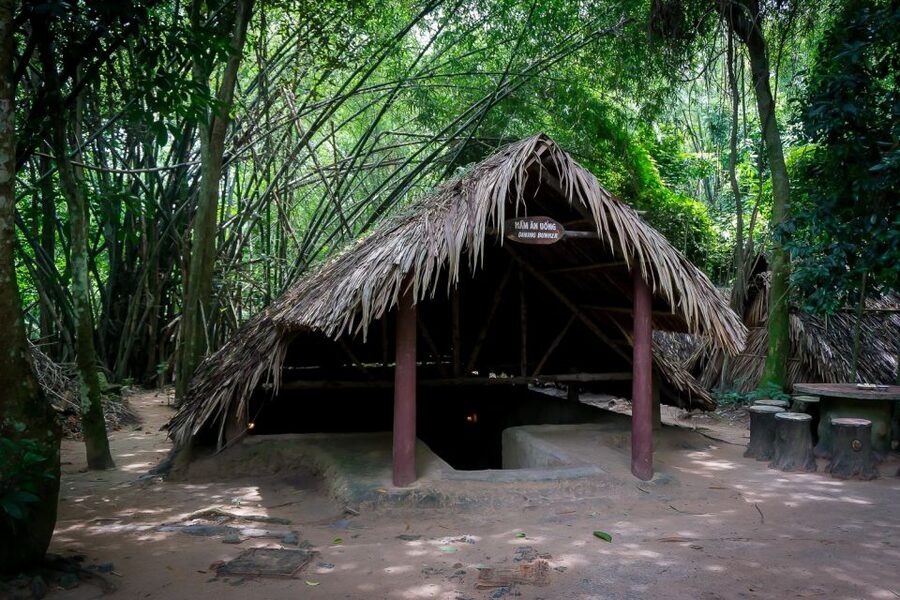
Before you enter the tunnel system, you’ll get an overview of Cu Chi’s legendary history from your guide. This stage is about setup: how the tunnels fit into the broader war, and why this kind of engineering mattered.
You’ll also watch a documentary film that explains more about the tunnels’ history and the heavy fighting in the area. For me, this is key. Without that context, the visit can turn into a set of cool visuals. With it, you start seeing the tunnels as a survival tool—one designed to protect people and keep resistance going despite massive pressure from aboveground.
In the private format, the guide’s explanations can feel more personal. You might get a clear, calm walkthrough of what you’re looking at and what questions to ask as you go.
Weapon Factories, Hospitals, and Underground Kitchens
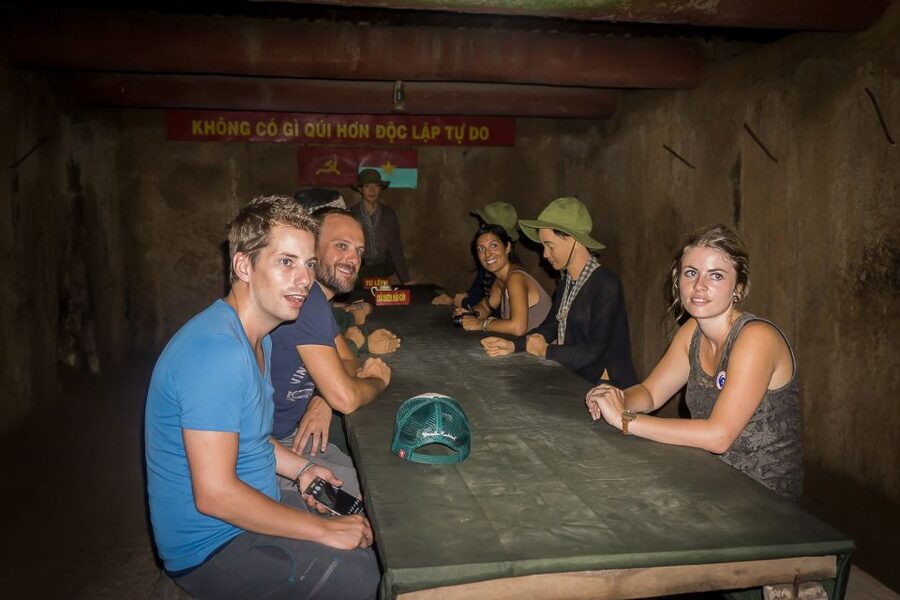
Once you’re ready for the tunnel areas, you’ll move through parts of the underground system where fighters produced and supported their operations. The tour description highlights several major categories: weapon factories, hospitals, kitchens, and the kind of underground spaces used to sustain people day to day.
Here’s what makes these stops more than just themed rooms. Underground warfare wasn’t only about hiding. It was also about continuity: you needed places to make tools, care for injuries, and keep food prep working under severe constraints. So when the guide points out these areas, listen to the “why” behind the layout, not just the labels.
One extra detail you may run into during the day is a short stop tied to post-war livelihoods—like a small factory/workshop where people with disabilities work and sell goods. If you see this on your route, it’s worth a quick browse. It adds a modern layer to the visit: the war ended, but its effects are still present in local jobs and community rebuilding.
Learning Traps and Trap Doors Before You Crawl
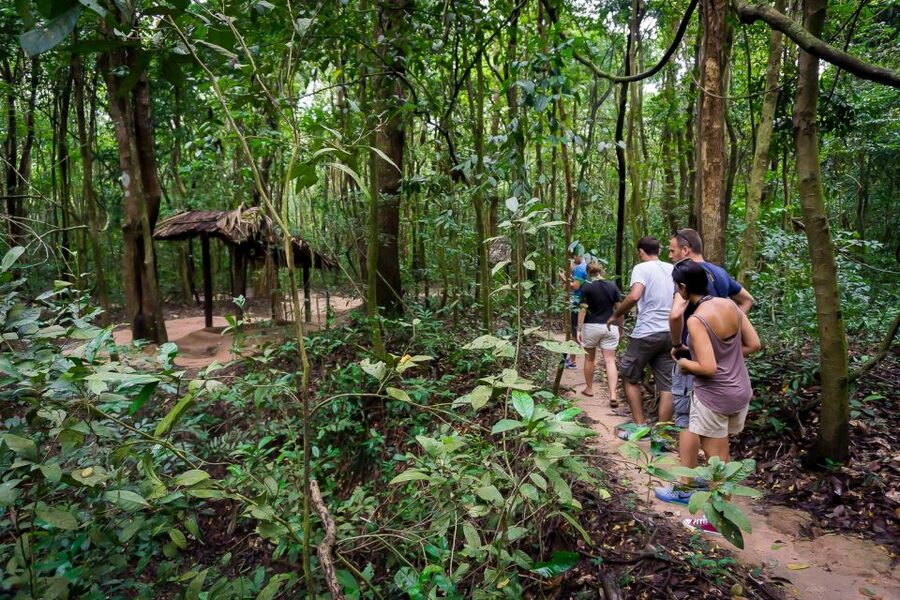
One of the most educational parts happens inside the tour explanation, not in the crawling itself. Your guide will show you trap designs and explain how trap doors worked. This is where the underground story gets specific.
It’s also where you should slow down. If you rush through the explanation, you’ll miss the logic that makes Cu Chi so intense to imagine. Traps weren’t random. They were meant to break movement patterns and protect key points from intruders. Learning that framework makes the tunnels feel like a system rather than a maze.
I like that the tour gives you knowledge before the physical part. It’s easier to stay calm when you understand what you’re stepping into—especially in narrow spaces where the route choices matter.
You can also read our reviews of more historical tours in Ho Chi Minh City





The Tunnel Crawl: Tight Spaces, Real Effort, and a Clear Sense of Risk
The highlight is the chance to crawl through parts of the tunnel system. You’ll get an opportunity to crawl under the tunnels and experience what a real underground passage feels like. The route can include very narrow entrances, and if you choose a longer crawling option, be prepared for muscle burn.
In plain terms: this isn’t a casual activity. You’re moving low and often slowly, and your legs do real work to push through tight sections. If you’re fit, you’ll still feel it—especially in the thighs—because the posture isn’t built for comfort. Tight spaces also mean you’ll want to keep your focus on footing and timing.
Practical tip: wear shoes you trust. You’ll want traction and support, because you’ll be in dim, uneven conditions where you don’t want to worry about slipping.
If you’re claustrophobic, take that seriously. The tunnels are narrow by purpose, and this tour is designed around that reality, not around comfort.
Manioc Food: Taste the War-Time Staple

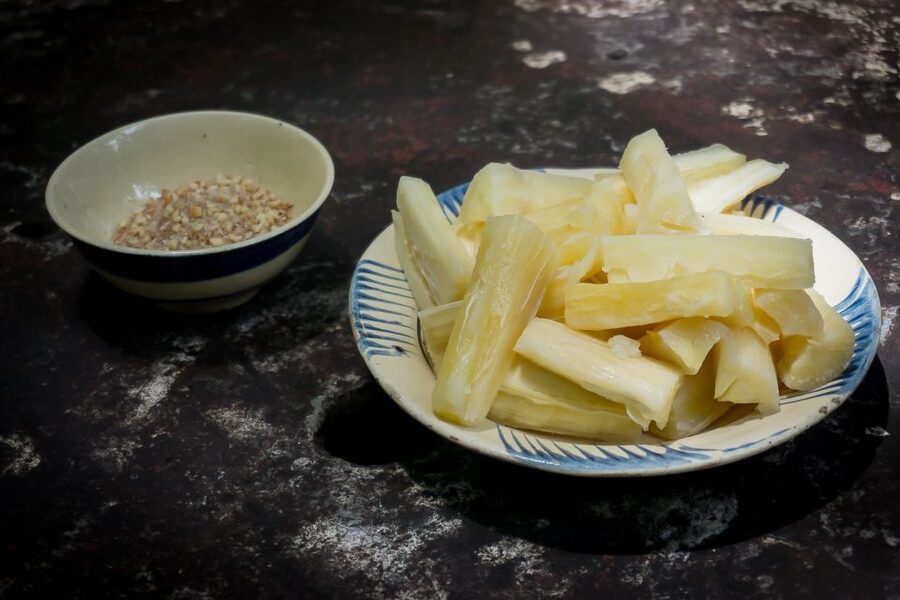
After the tunnel time, you can try traditional manioc—the main food for guerrilla fighters in Cu Chi during the war. This is a small moment compared with crawling, but it’s one of the best ways to understand what life underground meant.
Manioc is practical: it’s something fighters could rely on, and it fits the kind of food a hidden group can manage. By tasting it, you stop thinking only about weapons and begin thinking about daily survival.
The tour includes this as part of the experience, so you’re not hunting for a lunch plan or switching into tourist-food mode. That’s a real convenience value, especially when you want a focused day.
Optional AK47 and Machine Gun Shooting at the Range
If you want an extra adrenaline element, there’s an opportunity to fire AK47 or MK16 (and machine guns) at a nearby shooting range. This part has an extra cost, so it’s truly your choice.
A couple of things to think about before you add this. First, shooting can change the mood of a historical site. If you prefer to keep the tone strictly educational and reflective, you can skip it and focus on the underground parts and food.
Second, shooting is logistically simple but it does add time and planning, so if you’re on a tight schedule back in Ho Chi Minh City, decide early. The half-day format means every add-on can affect how relaxed you feel later.
Guides Who Make History Feel Clear: Tom, Gery, Nikki, and Yen
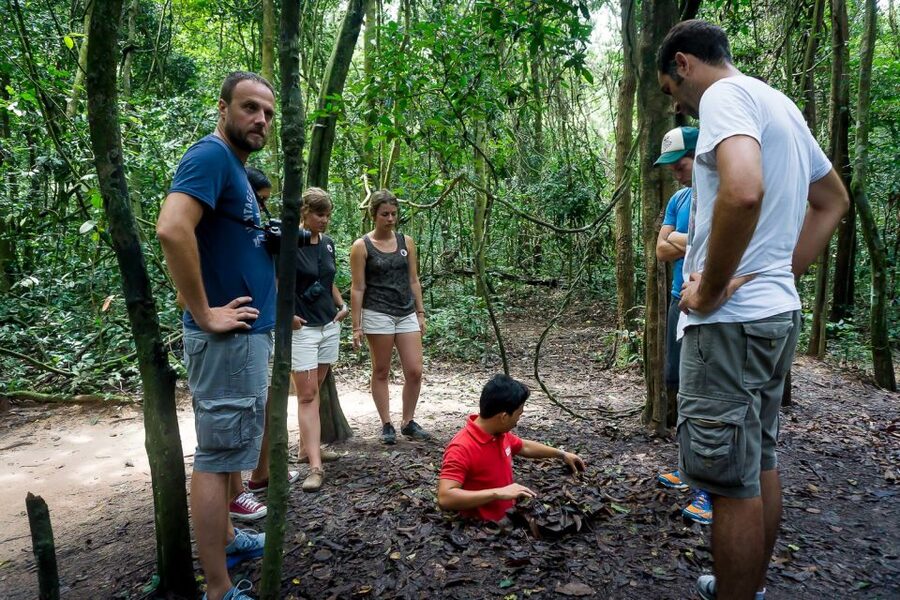
A private tour lives or dies on the guide. This one has strong English-speaking performance, and the names you might encounter include Tom (with driver Gery), plus guides like Nikki and Yen.
What stands out in the guide experience is clarity. You’ll get historical context tied directly to what you’re seeing. Guides also tend to explain the tunnel system step-by-step, so you don’t feel lost in the dark passages.
Another nice touch: flexibility. In a private setting, you can ask for extra explanation, spend a bit longer on a specific area, or adjust your pace when the tunnel sections are challenging.
Price, Value, and What Costs Extra (The $67 Math)
At $67 per person, this tour is priced for a private, guided historical visit that includes more than just transport. Your money covers:
- Air-conditioned private car
- Hotel pickup and drop-off in District 1
- English-speaking guide
- Entrance fees
- Mineral water and wet tissue
That’s the core value. You’re paying for convenience and a real guide on-site, not just a transfer.
What costs extra is mainly the optional shooting range add-on. Also note: food and beverages are not included unless they’re mentioned in the program. Manioc is part of the tour, but you should still plan your own timing for any additional snacks or drinks if you need them.
If you’re comparing only by headline price, private might look “expensive.” But when you factor in the guide, entrance fees, and the fact that you’re not dealing with queues and long waiting gaps, the value makes sense—especially if you’re short on time in Ho Chi Minh City.
What to Bring, Wear, and Skip (So You Don’t Lose the Day)
This tour’s rules are simple, and they’re there to keep things safe in tight spaces. Bring:
- Passport or ID card
- Comfortable shoes
- Sunglasses
- Sun hat
- Camera
And skip:
- Pets
- Smoking
- Luggage or large bags
A smart strategy is to travel light. If you’re carrying a heavy bag, you’ll feel it during the tunnel parts. Also, keep your camera plan simple. You’ll be moving through dim conditions, so don’t bring gear that makes you fuss.
Who Should Book This Cu Chi Private Tour (and Who Should Skip It)
This is a strong fit if you want a guided historical experience with room to ask questions. You’ll probably enjoy it most if you like history that connects to real engineering, not just dates and slogans.
It also suits you if you’re traveling as a pair or small group and prefer private pacing. The pickup from District 1 helps too—less scrambling, more time focused on Cu Chi.
But you should skip it if you fall into the tour’s limitations. It is not available for disabled people and is not suitable for:
- People with heart problems
- Pregnant women
- People with mobility impairments
- Wheelchair users
And even if you don’t have those conditions, be honest about claustrophobia and leg stamina. The tunnels are narrow and the crawl sections can be physical.
Should You Book It? My Practical Recommendation
Book this private Cu Chi Tunnels tour if you want:
- A guided, structured visit with a strong English-speaking guide
- Time in the tunnel areas (including the chance to crawl)
- A built-in way to taste manioc
- The option to add shooting if that fits your travel style
Don’t book if you:
- Can’t handle tight, confined spaces
- Have mobility limitations or heart-related concerns
- Prefer a purely aboveground museum-style experience
If you’re on the fence, go for the private format. It keeps the day moving, reduces friction, and gives you a clearer sense of what you’re looking at—especially when the story includes traps, hospitals, and the practical realities of underground life.
—
FAQ
How long is the drive from Ho Chi Minh City to Cu Chi?
The trip includes about a 1.5-hour drive to reach Cu Chi from Ho Chi Minh City.
What’s included in the $67 per person price?
The price includes hotel pickup and drop-off in District 1, a private air-conditioned car, an English-speaking guide, entrance fees, plus mineral water and wet tissue.
What parts of the tunnels will I get to see?
You’ll be guided through underground areas connected to weapon factories, hospitals, kitchens, and explanations of traps and trap doors, with an opportunity to crawl under or through tunnel sections.
Can I shoot a gun during the tour?
There is an opportunity to shoot at a nearby range, but it requires an extra cost. Options listed include AK47, MK16, and machine guns.
What should I bring for the tour?
Bring your passport or ID card, comfortable shoes, sunglasses, a sun hat, and a camera.
Who is this tour not suitable for?
It’s not suitable for pregnant women, people with mobility impairments or wheelchair users, and people with heart problems. Pets and smoking are not allowed, and large bags/luggage aren’t permitted.