REVIEW · HELLA ICELAND
Hella: Guided Tour of Ancient Man-Made Caves
Book on GetYourGuide →Operated by Caves of Hella · Bookable on GetYourGuide
If you like mysteries with stone walls, this stop fits. The Caves of Hella near Hella are believed to be among Iceland’s earliest still-standing human structures, and the guided walk turns that uncertainty into a fun hour of stories and atmosphere.
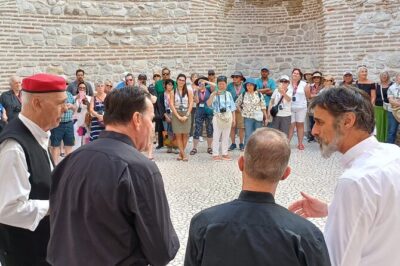
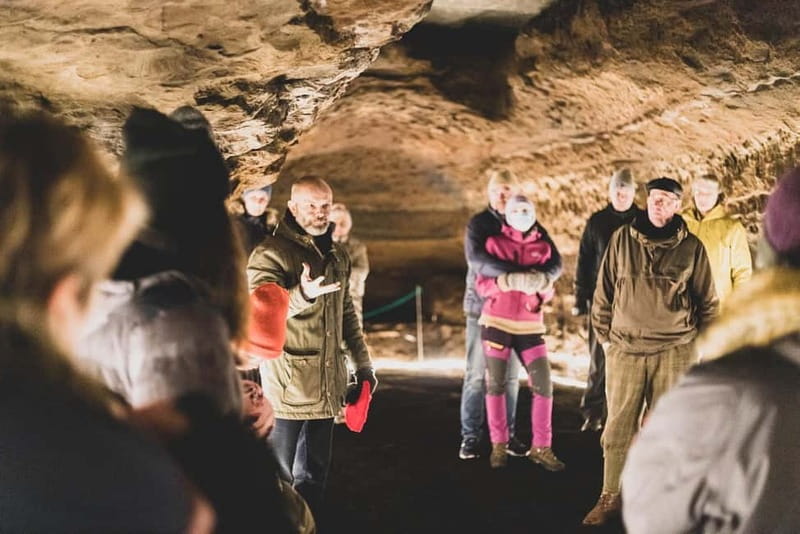
What I like most is how the tour feels small and focused: you visit five man-made caves on an easy route, guided by a local who can explain what’s known and what’s still up for debate. I also love the human touch—names like Stefan and Hanna come up because the guides are animated, humorous, and very good at keeping the group listening.
The main consideration is comfort: the caves are not suitable for wheelchair users, and you’ll want to dress for cool, damp conditions.
In This Review
- Key highlights worth your time
- Why the Caves of Hella still puzzle Iceland
- Ring Road arrival: where the tour begins at Aegissíða
- One-hour itinerary: how the tour moves through five caves
- What your guide actually explains (and why it works)
- Price and time value: is $40 for one hour fair?
- Practical details that help you enjoy the caves
- Should you book the Hella cave tour?
- FAQ
- How long is the guided tour of the Caves of Hella?
- How much does the tour cost?
- How many caves do you visit during the tour?
- Where do I meet for the tour?
- Is there parking near the caves?
- Is the tour in English?
- Is the tour wheelchair accessible?
- Can I book and pay later, and what about cancellations?
Key highlights worth your time
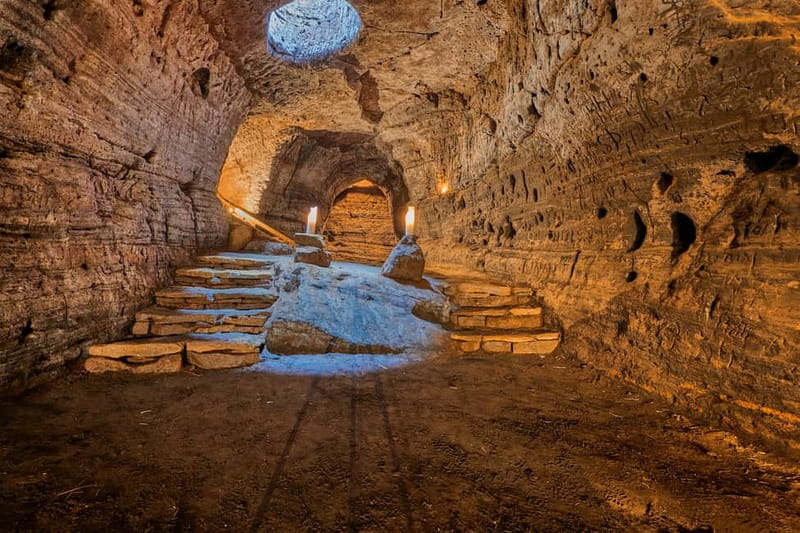
- Five man-made caves in one hour, on a short, easy walking route
- Local English guide with storytelling that makes the origins feel personal, not textbook
- Wall carvings and ancient structures you can actually stand close to
- A site linked to questions about Celts, worship, and first-settler-era life
- Free parking right by the entrance on the Ring Road (plus toilets nearby)
- Guides often bring warmth through humor, with Stefan and Hanna mentioned frequently
Why the Caves of Hella still puzzle Iceland
Caves on Iceland sound like the usual suspects—lava tubes, weather-carved hollows, or glacier-shaped spaces. But the Caves of Hella are different. These are man-made caves, found on a farm called Ægissíða near the town of Hella in Southern Iceland. The big hook here is not just that they exist, but that their purpose and builders are still unclear.
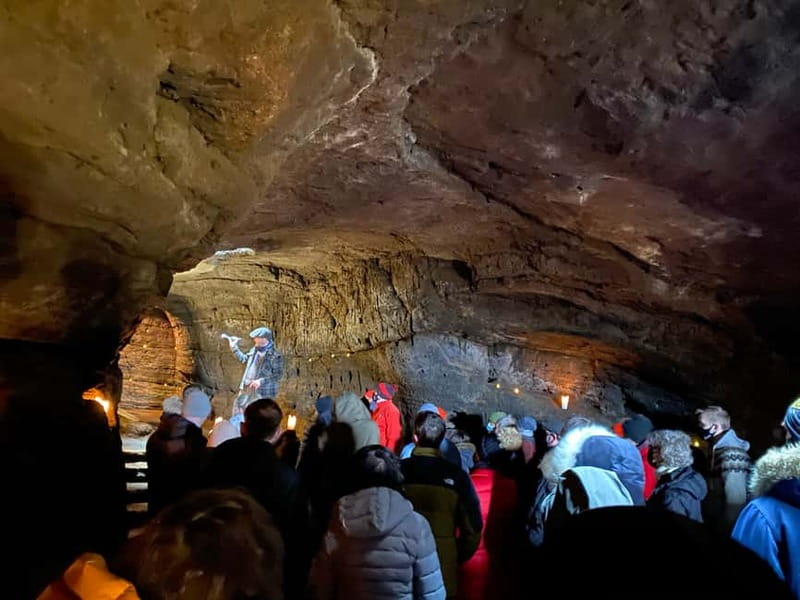
During the tour, your guide holds two ideas in one hand: the sense that you’re seeing something extremely old, and the reality that nobody can say with certainty who made it or why. That mix matters because it turns the caves into a conversation, not a lecture. You’re not just looking at stone—you’re trying to interpret clues: carvings in the walls, the arrangement of spaces, and the way the caves feel when you move through them.
The tour also frames these caves as a possible contender for Iceland’s oldest still-standing archaeological site. Even if you treat that claim cautiously, the reason it’s exciting is simple: the country’s early history is short on surviving built remains. In that context, a man-made set of caves that can still be visited today feels like a rare surviving chapter.
And then you get the questions that keep people talking: Were the caves made by early arrivals associated with the Celts? Were they places for ancient worship? When were they made, and for what purpose? You don’t have to leave with answers to enjoy it—you just need to leave with better questions.
You can also read our reviews of more guided tours in Hella Iceland
Ring Road arrival: where the tour begins at Aegissíða
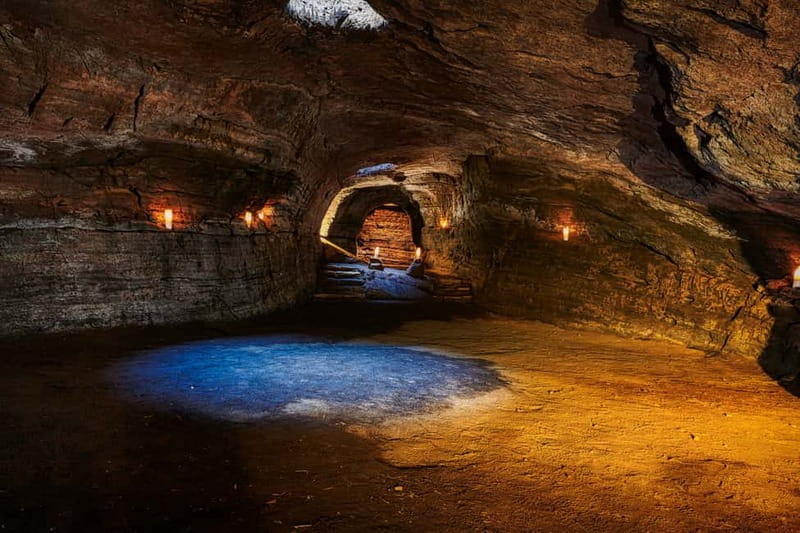
The caves are easy to build into a South Coast day. They’re right by Route 1 (the Ring Road) near Hella, about an hour’s drive from Reykjavík. That location is a real advantage. Instead of adding a long detour, you can stop, do the tour, and keep moving toward waterfalls and beaches.
Your meeting point is a small reception building by the Ring Road at Aegissíða 4. Parking is free in a large lot shared with the American School Bus Café, and that matters if you’re doing this as a road-trip pit stop. From the reception area, you’ll do a short, easy walk between the caves—close enough that the day stays smooth.
Also plan to use the facilities before the group heads in. The tour doesn’t ask for a big hike, but you do need to be ready for the cave conditions once you start moving inside. In my view, this is the kind of stop where getting your timing right makes everything feel effortless.
One more comfort note: the walk is short, but it’s still a walk between cave entrances. If weather is rough, bring layers and traction-friendly footwear. The tour itself is short—1 hour—so you’re trading a chunk of time for a big slice of weird-and-wonderful history.
One-hour itinerary: how the tour moves through five caves
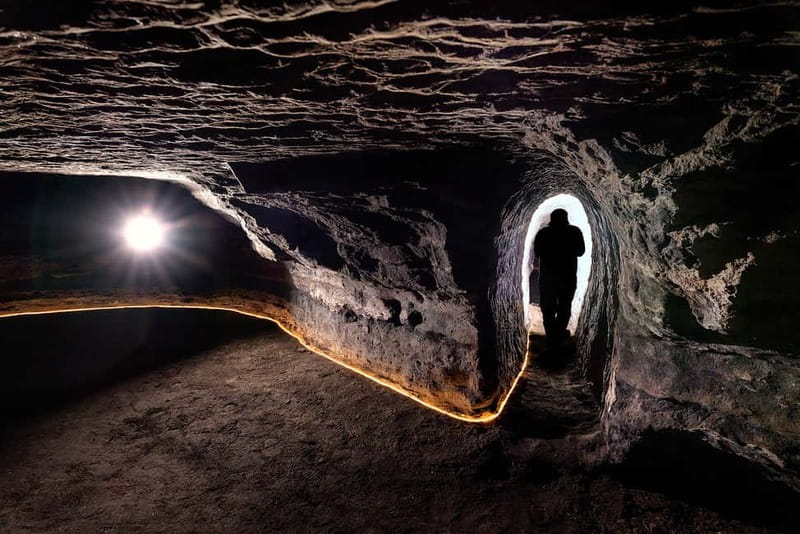
This tour is built to keep your attention. In 60 minutes, you’ll explore five caves, with a guide leading you through the route. The movement is part of the experience: each cave gives you a fresh angle on what the site might have been used for.
Here’s what that usually feels like in practice:
You start at the reception, then the group begins the short transfer between cave entrances. Because the caves are man-made and close together, the pace stays relaxed. You’re not spending the hour on walking. You’re spending it on seeing.
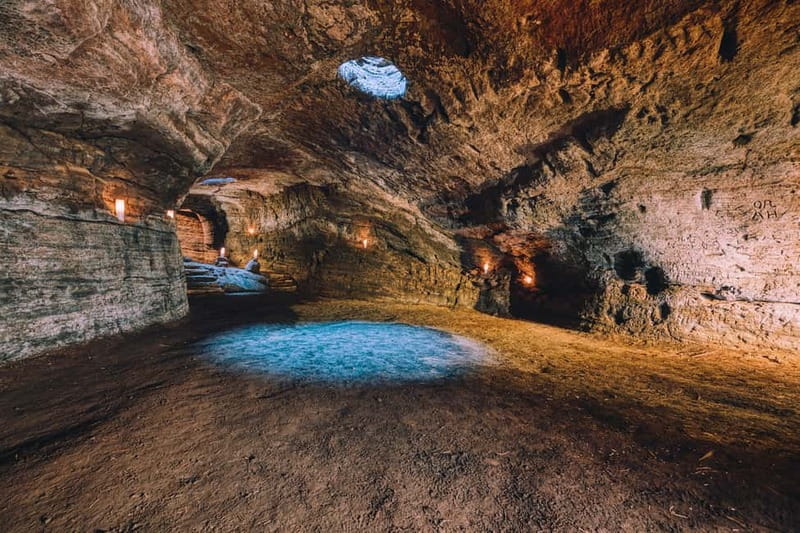
Inside, your guide points out features like wall carvings and other ancient structures. Those details are important because they’re the evidence you’re meant to interpret. If you go in expecting a “museum show,” you might miss the point. This is more like being guided through a puzzle where the pieces are physical.
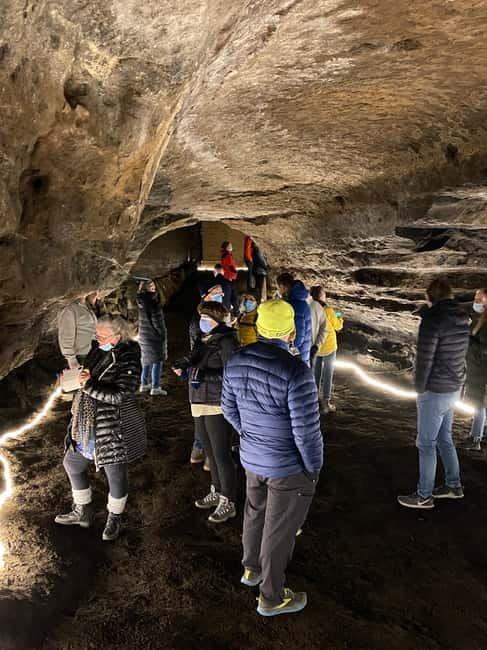
At the same time, the caves have mood. The tour describes an atmosphere of intrigue, and the lighting helps you actually see what your guide wants you to notice. One review noted that even someone who’s claustrophobic felt okay because the caves are beautifully lit. I’d take that as a useful signal: it’s not a pitch-black crawl.
Another practical detail that affects your expectations: the caves are cool all year. One review stated the temperature is always about +4°C. Even if you visit during mild weather outside, you’ll want a real layer once you’re underground. It’s not a long stay, but you’ll feel it.
So the tour ends where it started—back near the reception area—having given you a clear sense of what the caves contain and what questions they raise. You’ll walk out with a story you can keep replaying, because the origin and purpose remain unknown.
What your guide actually explains (and why it works)
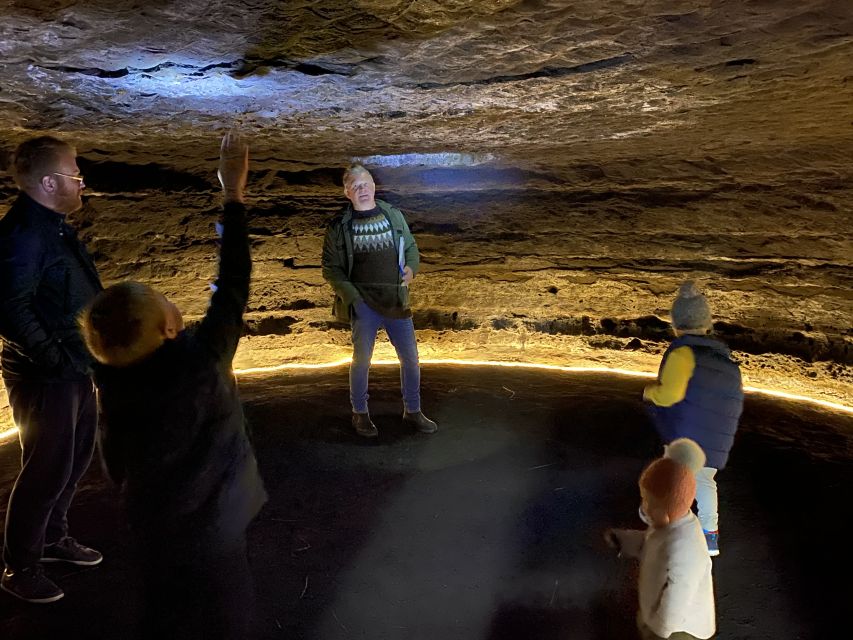
The value of this tour isn’t only the caves. It’s the guide’s storytelling structure—how they connect uncertainty, early-settler theories, and visible features into something you can follow.
The reviews put a strong spotlight on two things: humor and clarity. People mention guides like Stefan and Hanna for being engaging, answering questions, and bringing the site to life. Even when a guide speaks with an Icelandic accent, the common theme is that the English stays understandable if you listen closely.
I like this approach because it respects your brain. The origin of the caves isn’t settled, so your guide doesn’t force a single myth into your head. Instead, you hear possible theories—Celts, worship, early settlement timing—and then you’re encouraged to think about what evidence would support them. That’s a better way to tour a mystery site than trying to sell one definitive story.
You also get local context about the Hella area and Iceland’s broader origins. That helps you place the caves in a bigger timeline, even if you still can’t date them to a single year. For me, that’s the sweet spot: a short stop that adds meaning to the rest of your day on the South Coast.
And because the tour is only an hour, it doesn’t risk dragging into facts overload. You leave with the feeling that you saw something old, you learned what’s debated, and you got a guide who made it feel like a live conversation.
Price and time value: is $40 for one hour fair?
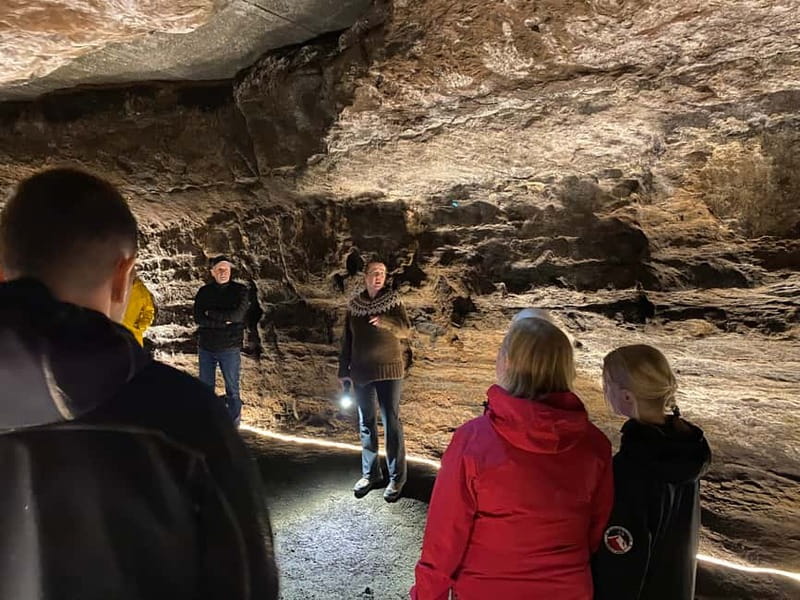
At $40 per person for a 1-hour guided tour, you’re paying for three things: an in-person guide, a controlled route through five caves, and access to an archaeological site that you can’t really experience properly on your own.
That price often feels reasonable in Iceland because the country prices experiences for the reality of staffing and travel time. Here, the good part is that you’re not buying a half-day tour. You’re buying a compact dose of history that slots neatly between other South Coast plans.
The real value check is your goals:
- If you love history and early settlement questions, this is a high hit-rate stop.
- If you mostly want dramatic scenery, this is a different kind of experience. You’re trading cliffs and waterfalls for stone carvings and unanswered questions.
- If you like guided interpretation more than reading alone, the guide’s role makes the cost easier to justify.
Also, because it’s open to travellers since 2019 and includes daily guided tours, it’s the sort of stop that works even when your schedule is tight.
If you’re on a Ring Road road trip, I’d treat this as a smart “break from nature” stop. It gives your brain something new without swallowing your day.
Practical details that help you enjoy the caves
This is where you can make the tour smoother.
Dress for the caves. The caves are cool enough that one review pegged the temperature at around +4°C year-round. Bring a warm layer even if it’s mild outside. Weather matters, and the tour asks you to dress according to conditions.
Plan for a short walk. There’s a short, easy walk between the five caves. It’s not a hike, but you still need footwear that feels steady on uneven ground, especially if it’s slick.
Know who it’s for. The tour isn’t suitable for wheelchair users. If mobility is limited, you’ll need to choose another stop.
Language is English. The guide is live and the tour runs in English. If you’re comfortable listening to accents, you should be fine.
Timing matters for road-trips. Since the tour is one hour and starts at scheduled times, build in buffer time for parking and getting from the reception to the start of the caves. This is one of those places where arriving a little early makes you relaxed instead of rushing.
If you want an easy win for your South Coast route, parking and the nearby reception make it straightforward. You’re not hunting for a hidden turn off for ages. It’s right by the Ring Road.
Should you book the Hella cave tour?
Book it if you want a short, guided history stop with real mystery and close-up access to man-made caves. It’s especially worth it if you enjoy early Iceland questions, appreciate storytelling, and like learning from a local guide who keeps the hour moving.
Skip it if you only want big outdoor views and you’d rather spend your one precious daylight hour on waterfalls or hikes. This isn’t that kind of tour. It’s stone, carvings, and unanswered questions—and that’s the point.
My final take: for a 1-hour detour near Hella, the price feels fair because the guide and the cave access do the heavy lifting. If your schedule can spare an hour on the Ring Road, this is one of the more memorable “stop-and-learn” experiences you can fit in on the South Coast.
FAQ
How long is the guided tour of the Caves of Hella?
The tour lasts about 1 hour.
How much does the tour cost?
The price is $40 per person.
How many caves do you visit during the tour?
The tour explores five man-made caves.
Where do I meet for the tour?
Meet at a small reception building by the Ring Road at Ægissíða 4.
Is there parking near the caves?
Yes. There is free parking in a large parking lot shared with the American School Bus Café.
Is the tour in English?
Yes. The live tour guide speaks English.
Is the tour wheelchair accessible?
No. It is not suitable for wheelchair users.
Can I book and pay later, and what about cancellations?
You can reserve now & pay later. There is also free cancellation up to 24 hours in advance for a full refund.