REVIEW · HELLA ICELAND
Hella: Guided Tour of Ancient Man-Made Caves
Book on GetYourGuide →Operated by Caves of Hella · Bookable on GetYourGuide
Ancient caves and a real story guide. That’s the best way to describe a one-hour stop at the Caves of Hella, where man-made chambers survive from far before Viking times. This site is tied to Iceland’s first settlers on the land of Ægissíða, and it stayed closed to the public until 2019, so it still feels like you’re seeing something rare and carefully shown. The big draw for me is the combination of physical details you can see—crosses, wall carvings, and carved seats—plus a guide who turns uncertainty into a good conversation about who built them and why.
I also like how the tour is built for road trippers. It’s right by Hella on Route 1 (Ring Road), it uses a short, easy walk between four caves, and it clocks in at just one hour. That makes it easy to fit between Reykjavik and Vik without losing the day. One thing to keep in mind: it’s not suitable for wheelchair users, and the experience is focused on walking and standing to look closely at the caves.
In This Review
- Key Points You Should Know Before You Go
- Caves of Hella: Why These Man-Made Caves Get People Talking
- Hella on Route 1: Timing This Stop Without Losing the Day
- How the 1-Hour Tour Flows: Four Caves and a Short Walk
- Inside the Caves: Crosses, Wall Carvings, and Carved Seats
- The Big Mystery: Celts, Worship, and Why The Uncertainty Is Part of the Point
- Where the Tour Fits Best: History Lovers, Curious Road Trippers, and Families
- Price and Value: Is $39 for One Hour Worth It?
- What to Watch for During the Tour (So You Don’t Miss the Good Stuff)
- Should You Book the Caves of Hella Tour?
- FAQ
- How long is the Caves of Hella guided tour?
- Where are the Caves of Hella located?
- What will I see during the tour?
- Is the walk on the tour difficult?
- What is included in the price?
- What language is the tour offered in?
- Is the tour wheelchair accessible?
- Can I get a refund if I cancel?
Key Points You Should Know Before You Go
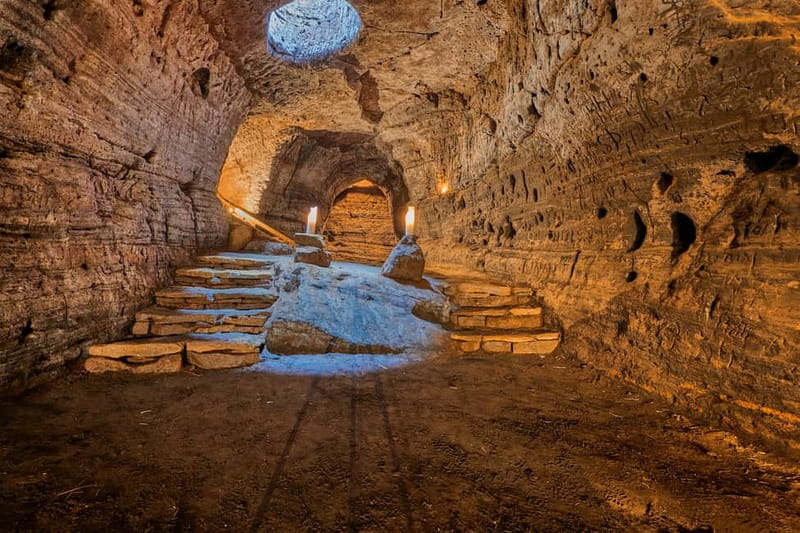
- Four caves in one hour: you’ll see part of a larger site with twelve man-made caves discovered on Ægissíða.
- Old markings you can spot: ancient crosses, wall carvings, and carved seats help the story feel grounded.
- A guide who tells it like a narrative: expect humor and clear storytelling from local hosts such as Stefan and Hanna.
- Mystery built into the visit: you’ll hear big questions about Celts and possible worship or practical use.
- Easy South Coast stop: located by Hella next to Route 1, with a big parking lot and free parking.
- A small time commitment: this is a compact tour, so it works even if you’re not a dedicated history buff.
Caves of Hella: Why These Man-Made Caves Get People Talking
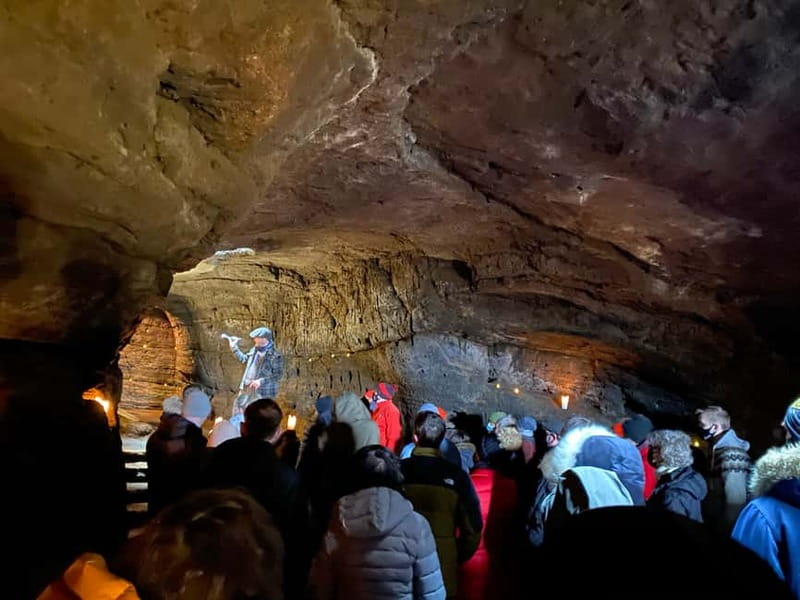
If you love Iceland for its mix of raw nature and human stories, these caves fit the bill. They are among the oldest man-made structures in Iceland, and they’re described as still standing archaeological remains tied to early settlement—long before Vikings arrived. That alone puts them in a different category from most Iceland sights. You’re not just looking at something old; you’re walking around spaces that people carved, then left behind to be argued over for centuries.
What makes the visit extra interesting is that the caves don’t come with a neat label. For a long time, people have wondered whether the caves were made by the Celts, or whether they were connected to ancient worship. On this tour, you’re not asked to pick one answer and move on. Instead, you’re guided through what’s visible—crosses, wall carvings, and carved seats—and how that visibility connects to theories about purpose.
The tone matters too. In the guide lineup, you’ll hear about hosts like Stefan, described as chill and funny with genuinely useful insights, and Hanna, noted for keeping the group mesmerized with her knowledge and story flow. That kind of delivery is a big deal at a small historical site, because the best moments happen when someone can explain why a carving or a seating form would matter.
Hella on Route 1: Timing This Stop Without Losing the Day
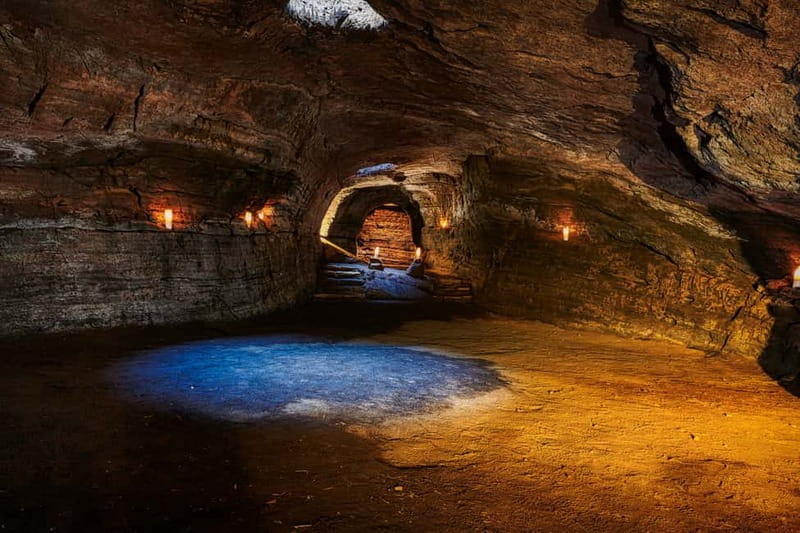
The Caves of Hella are located by the town of Hella, right next to Route 1—the Ring Road. The location is practical: it’s about an hour drive from Reykjavik, and it also works well as a planned break on the way from Reykjavik toward Vik. You’re not detouring across the country for this, which is exactly what you want for a one-hour experience.
You’ll find the caves near a big parking lot, along with the American School Bus café. The setup is straightforward: lots of free parking and an easy place to park your car and regroup before you head out. If your South Coast day already includes waterfalls, black sand beaches, and big viewpoints, this is a nice change of pace. It’s the kind of stop that lets you slow down and look at details instead of watching waves or chasing changing skies.
My practical tip: treat it like a museum break, not like a long hike. Plan your driving first, then slot the caves in as a short anchor stop. Because the tour lasts about an hour (plus a little walking time between cave areas), it won’t derail your schedule. That also means you can keep your energy for the rest of the day.
How the 1-Hour Tour Flows: Four Caves and a Short Walk
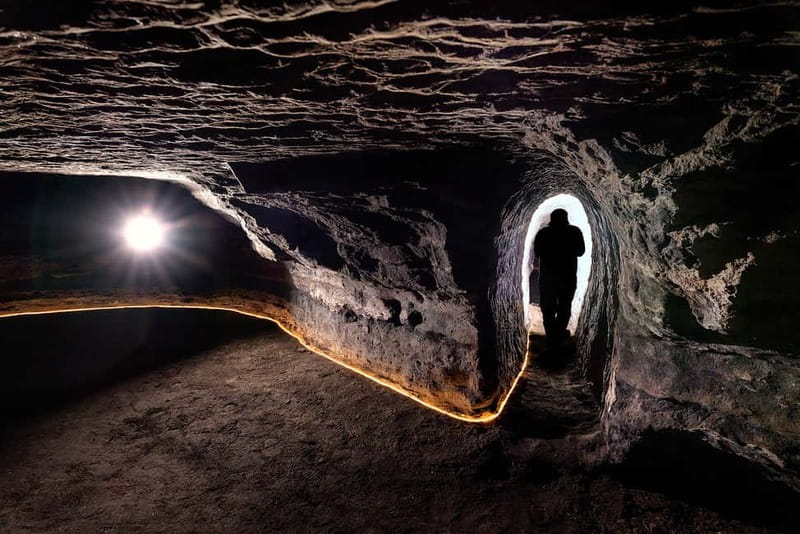
This guided tour is one hour total, in English, led by a local guide. You visit four of the man-made caves discovered on Ægissíða land. Even though the broader site includes twelve discovered caves, the tour focuses on four so you can actually absorb the details rather than rush past everything.
Here’s the basic rhythm you should expect:
- You arrive at the site by Hella and meet your guide.
- You take a short, easy walk between the caves.
- At each cave, your guide explains what’s there and connects it to the larger questions around the site.
- You move on until you’ve seen four caves.
- You wrap up soon after, staying within the one-hour format.
The short walk is a real advantage. You’re not stuck doing hours of uneven terrain to get the value out of the visit. That said, the experience does involve walking and standing to look into and at the caves, which is why it’s not suitable for wheelchair users.
Also, pay attention to how you move during the tour. Because the caves include carved features like seats and wall marks, you’ll get the most out of the visit if you stay close when your guide points things out. It’s not the kind of experience where you can safely wander off and still understand the story.
Inside the Caves: Crosses, Wall Carvings, and Carved Seats
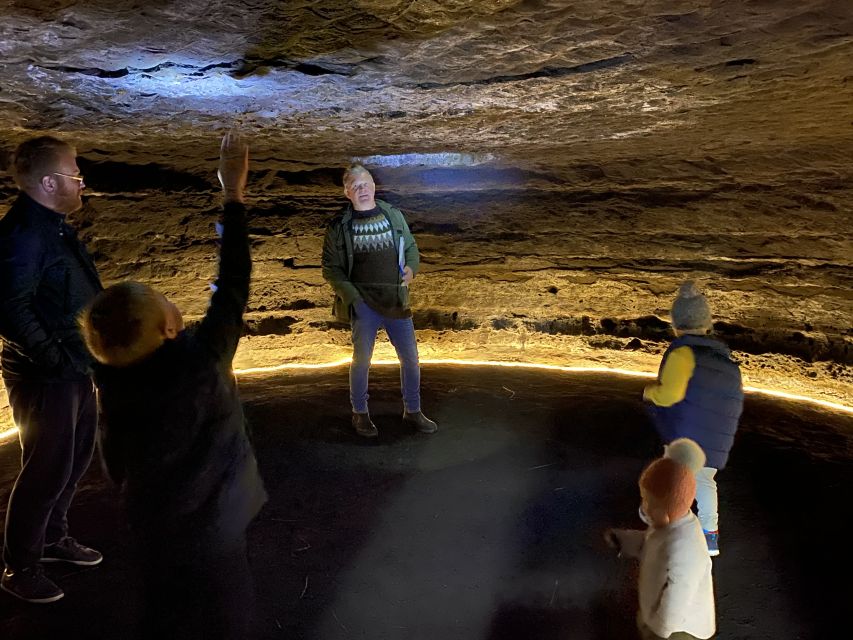
The caves are built spaces, so your visit isn’t just about “seeing caves.” It’s about seeing human choices carved into stone. The wonders of the Caves of Hella include ancient crosses, wall carvings, and carved seats. Those are three different categories of clues: religious symbols, decorative or functional marks, and seating forms that suggest people gathered, waited, prayed, worked, or performed rituals.
Ancient crosses are especially attention-grabbing because they immediately raise questions about influences. In Iceland, Christianity’s timeline is tied to later settlement and conversion, so cross-like marks can make visitors wonder whether the caves were made by groups with different cultural links, or whether later people added marks. That’s not always a simple answer, but the point is that your guide uses what you see to frame the bigger historical puzzle.
Wall carvings can also change how you read the site. Instead of imagining blank, empty chambers, you’re encouraged to treat the caves like purposeful spaces. Carved seats are the most “human” detail. If a seat is carved, it suggests someone expected repeated use—enough that the builder cared about comfort, posture, or ceremony. It also makes the caves feel less like random shelter and more like a place with planned moments.
What I like about a guided visit here is that it turns these objects into a sequence. You don’t just look. You get a narrative about people who made them and what those marks might mean. And because the site has mystery around its origins and function, you’re not left with a dry list. You’re given plausible interpretations and the reasoning behind them.
The Big Mystery: Celts, Worship, and Why The Uncertainty Is Part of the Point
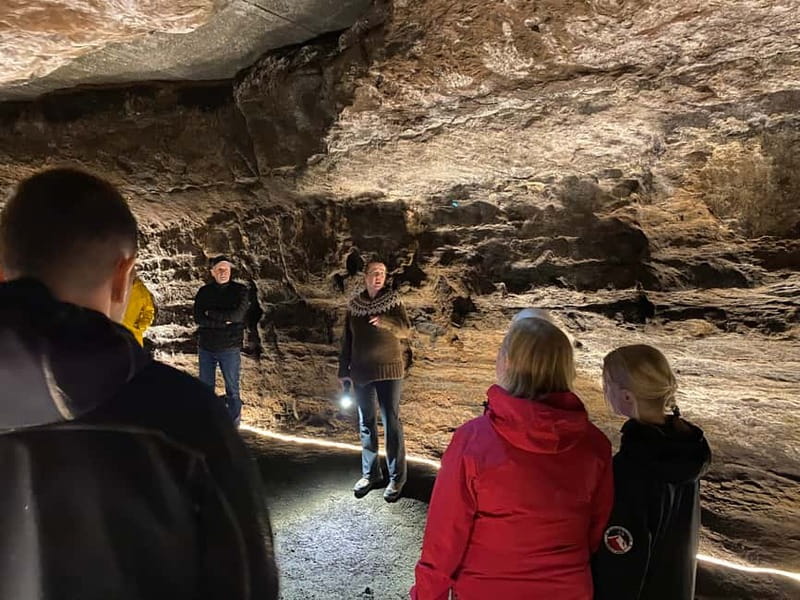
Some of the most memorable moments in this tour come from the unanswered questions. People have wondered for centuries whether the caves were the work of the Celts, or whether they were used as a place of ancient worship. That uncertainty might sound frustrating at first. In practice, it’s what makes the caves more interesting.
Here’s why. When a site is fully understood, you often learn facts and move on. When a site is still debated, you learn how evidence can point to different possibilities. At Hella, the guide ties the mystery to physical features: crosses, carvings, and seats. That turns theories into something you can evaluate with your own eyes.
It also makes the tour feel more alive than a standard “this is what it was” lecture. You’ll hear competing ideas and how historians and locals might think through them. The best part is that the cave design itself supports the conversation. A carved seat is a clue; a cross is a clue; carvings on a wall are clues. None of them alone proves the full story, but together they explain why people keep asking the same questions.
This matters for you if you love authenticity over polished certainty. You’ll likely finish the hour with more questions, not fewer. But those questions should feel grounded in what you actually saw, not just in vague rumors.
Where the Tour Fits Best: History Lovers, Curious Road Trippers, and Families
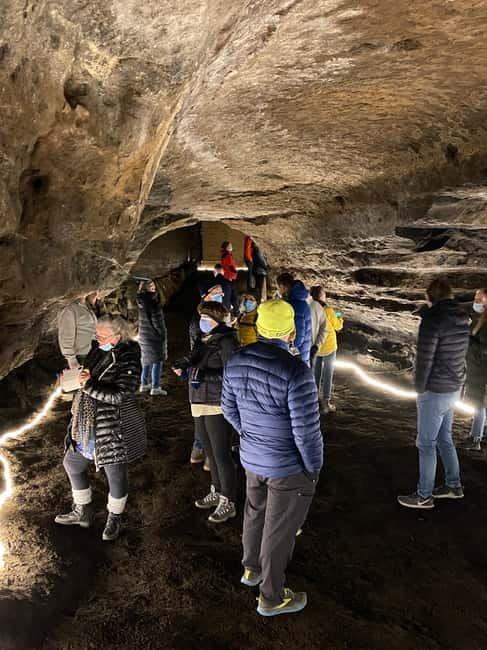
This is a strong stop for two kinds of people: history lovers and curious road trippers. If you like early settlement stories, if you enjoy sites with physical details you can study, or if you’re the type who stops at roadside history even when you’re not chasing museums, you’ll probably get a lot out of it.
It also works for mixed groups. Even if someone in your car isn’t a big “history person,” the caves are a visual change of pace. You’re not only looking outward at Iceland’s scenery. You’re looking at made structures that humans shaped. That makes the experience easier to enjoy for people with different interests.
One practical note: it’s short and it’s walking-based, so it suits people who can do an easy walk. It’s not designed for wheelchair users, so plan accordingly. If mobility is tight for anyone in your group, you may want to choose another stop nearby.
For families, it can be a good lesson in “Iceland isn’t just volcanoes.” The caves help kids and adults alike understand that Iceland also has human-made spaces tied to early life on the island. Just be aware the tour is focused on guided storytelling and cave viewing, so it’s less of a playground stop and more of a look-and-learn stop.
Price and Value: Is $39 for One Hour Worth It?
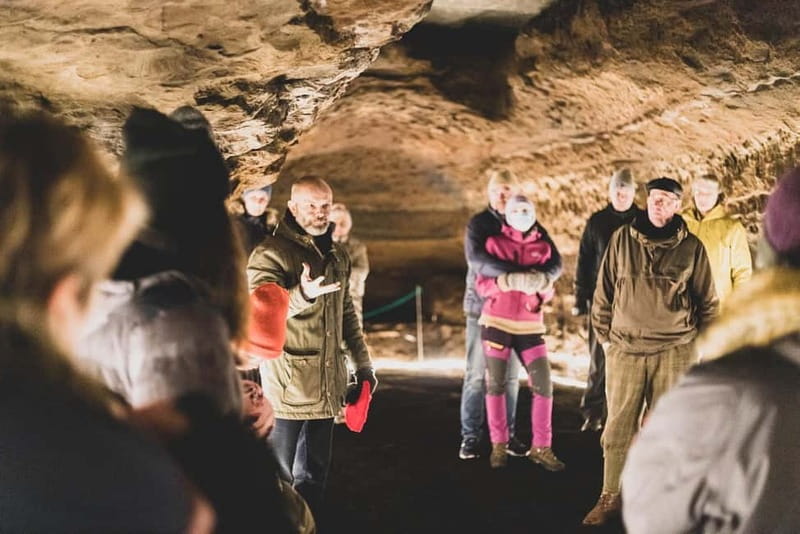
At $39 per person for a one-hour guided visit, the value comes down to what you expect from a tour. If you’re just looking for a quick photo stop, you might feel like it’s pricey for a short duration. But if you want the story connected to what you see, the price makes more sense.
Here’s the value logic I’d use:
- You’re getting an English-speaking local guide, not just a self-guided experience.
- You see four man-made caves in a controlled visit format.
- The guide connects physical details—crosses, carvings, carved seats—to the larger unresolved history questions.
That’s the difference between walking past a sign and actually learning why the caves matter. Several guides get praised for how they tell the story, including hosts like Stefan and Hanna, which suggests you’re paying not just for access, but for interpretation. The hour format also helps: you’re not paying for a half-day commitment, and you can still drive on after.
If you’re doing a South Coast road trip and want one “smart stop” that balances nature with early human remains, this is a solid use of time. It’s also a convenient add-on because the site is by Route 1 with plenty of free parking.
What to Watch for During the Tour (So You Don’t Miss the Good Stuff)
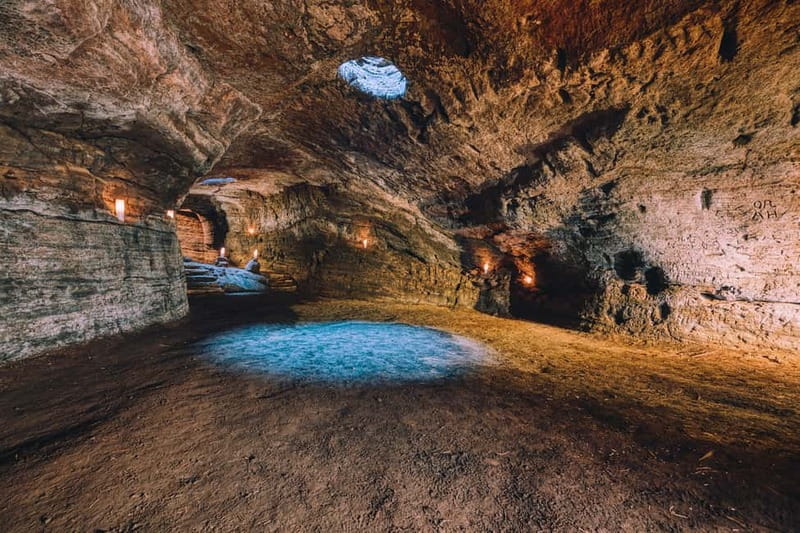
Because the experience is short, the best results come from being present. Don’t treat this like a drive-by. Instead, slow down when you reach each cave and let your guide’s points shape where you look.
A few things that can make or break your enjoyment:
- Listen for the why behind each carving or feature, not just what the guide says it is.
- Stay close when your guide references wall carvings and seat forms.
- Notice the mood of the space. These aren’t modern rooms, and the atmosphere matters when you try to imagine how people used them.
- Accept uncertainty. If the purpose is still debated (Celts? worship? other use?), that’s part of the experience. The value is learning how evidence can be interpreted.
One more practical idea: if you’re the type who likes photography, you’ll probably want to bring a camera that handles low-light well, since caves can limit brightness. The tour is guided and time is limited, so don’t let photo-taking pull you away from the storytelling.
Should You Book the Caves of Hella Tour?
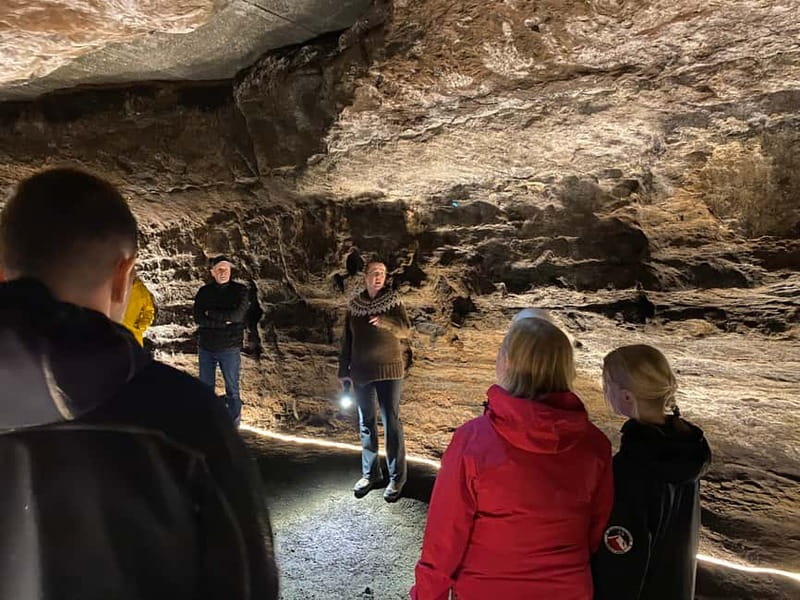
Book it if you want a short, story-driven stop on the South Coast that mixes early settlement clues with real, visible carvings. The guide-led format is the key. At $39 for one hour, you’re paying for access plus interpretation, and the site’s mystery is exactly the kind of thing a good guide can make fun instead of confusing.
Skip it if you need full wheelchair accessibility, or if you only want a quick external view with zero interest in guided context. Also skip if you’re carrying limited time and already feel history-focused stops are not your thing.
If you’re road tripping on Route 1 and you enjoy places where humans left marks in the stone, this is worth putting on your itinerary.
FAQ
How long is the Caves of Hella guided tour?
The tour lasts about 1 hour.
Where are the Caves of Hella located?
They are located by the town of Hella on the South Coast of Iceland, right next to Route 1 (the Ring Road).
What will I see during the tour?
You’ll visit four man-made caves discovered on the land of Ægissíða, guided in English.
Is the walk on the tour difficult?
No, it includes a short, easy walk between the four caves.
What is included in the price?
The tour includes a personal guided tour in English from a local guide.
What language is the tour offered in?
The tour is offered in English.
Is the tour wheelchair accessible?
No, the tour is not suitable for wheelchair users.
Can I get a refund if I cancel?
Free cancellation is available up to 24 hours in advance for a full refund.