REVIEW · MCLEOD GANJ
Heritage & Cultural Trails of McLeodGanj Guided Walking Tour
Book on GetYourGuide →Operated by Yo Tours · Bookable on GetYourGuide
McLeodGanj can feel like a maze, so this guided walk helps you find the story behind the streets fast—especially around the Kalachakra (Wheel of Time) Temple and the Mini Tibetan Market. I liked how the tour connects major religious stops with everyday street life, so it’s not just photos of stone and prayer flags. I also appreciated the “infotainment” style, with plenty of fun facts and city tips built in, so history doesn’t drag. One thing to consider: the quality depends on your guide’s knowledge and how closely you want every listed highlight covered.
The vibe is calm, scenic, and very old-town. You’re walking through winding lanes, passing temple walls, art shops, and little corners that you’d probably skip if you were wandering on your own. I’d call it a good city induction, not a marathon, and it’s designed for people who want both spiritual sights and practical local context.
In This Review
- What you’ll see (and why it matters)
- Key highlights worth centering your attention on
- Starting at McLeod Square Temple: your orientation point
- Kalachakra (Wheel of Time) Temple and the monastery core
- Tsuglagkhang temple: when stories make the walls feel personal
- McLeodGanj Central Square and the Mini Tibetan Market
- An artistic café and Handmade Paper Recycling
- Wall art, painting shops, and bottle recycling art
- Dalai Lama wall art from waste, plus a Shiva temple
- Price and value: $14 for a themed orientation walk
- Who this tour suits best (and who should skip it)
- Tips to get more out of the walk
- Should you book Heritage & Cultural Trails of McLeodGanj?
- FAQ
- How long is the Heritage & Cultural Trails of McLeodGanj guided walking tour?
- Where does the tour start?
- Which languages are the live tour guides available in?
- What are the main places you visit during the walk?
- Is hotel pickup or drop included?
- Is a water bottle included?
- What’s included in the tour price besides the guide?
- What should I bring with me?
- Can I get a full refund if I cancel?
What you’ll see (and why it matters)
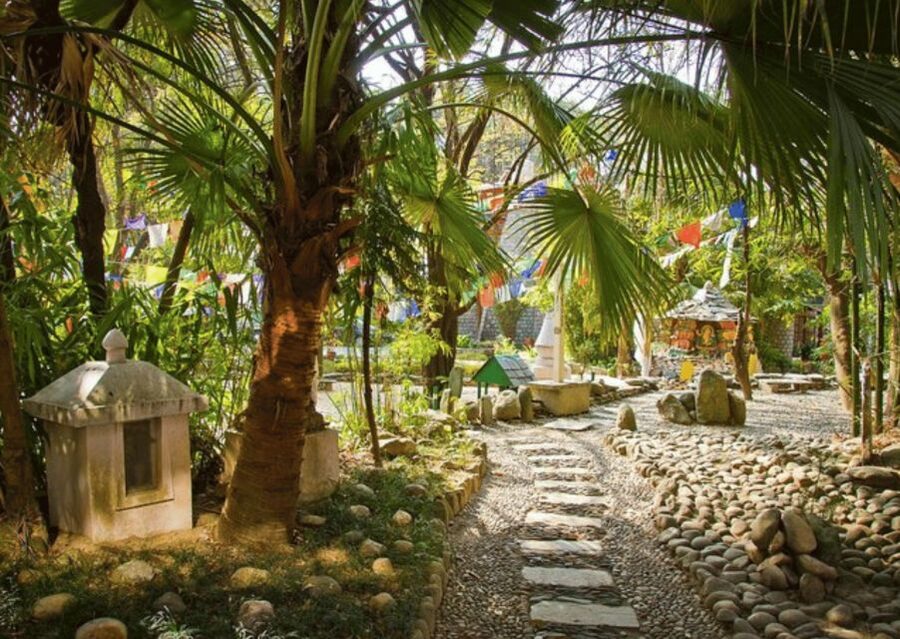
You start at McLeod Square Temple, then move to Kalachakra Temple, which sits at the heart of Namgyal monastery life. From there, you’ll get access to the monastery area connected with the Dalai Lama’s private chambers and also see the well-known Tsuglagkhang temple. Later you’ll shift to market energy: thangka tapestry paintings, wooden carvings, and handicrafts—then finish with a creative twist, including a waste-management inspired artwork route and a Shiva temple in the mix.
In short: this is a walking tour that tries to make McLeodGanj feel understandable within two hours. If you’re the type who asks questions and enjoys stories, it can click quickly.
Key highlights worth centering your attention on
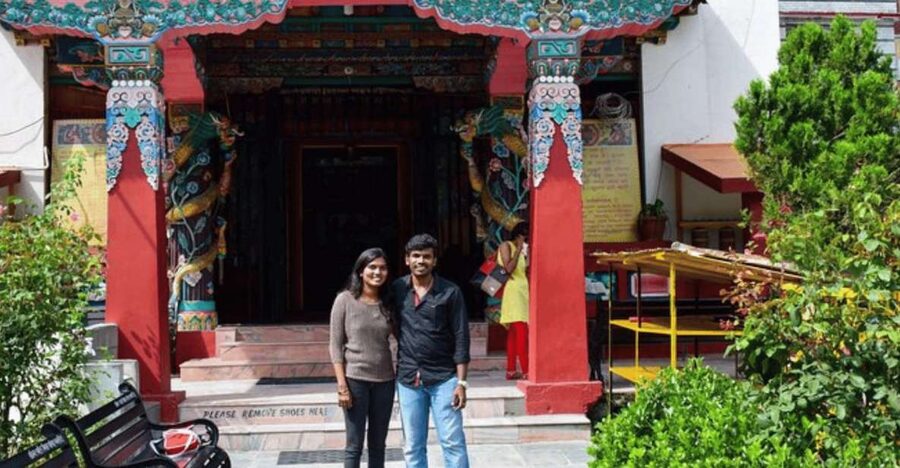
- Kalachakra Temple and Namgyal monastery: the most spiritually focused chunk of the walk, with major landmark connections.
- Dalai Lama-linked areas at Namgyal monastery: a rare, meaningful stop that adds depth to what you see elsewhere in the town.
- Mini Tibetan Market stop: an easy way to spot what’s actually sold here—thangkas, carvings, and crafts.
- Handmade Paper Recycling café visit: a practical, local take on waste management, not just sightseeing.
- Wall art and bottle recycling art: you’ll see how creativity and environmental ideas show up right on building walls.
- Dalai Lama wall art made from waste plus a Shiva temple: the tour blends Tibetan Buddhist and Hindu sacred spaces in one loop.
Starting at McLeod Square Temple: your orientation point
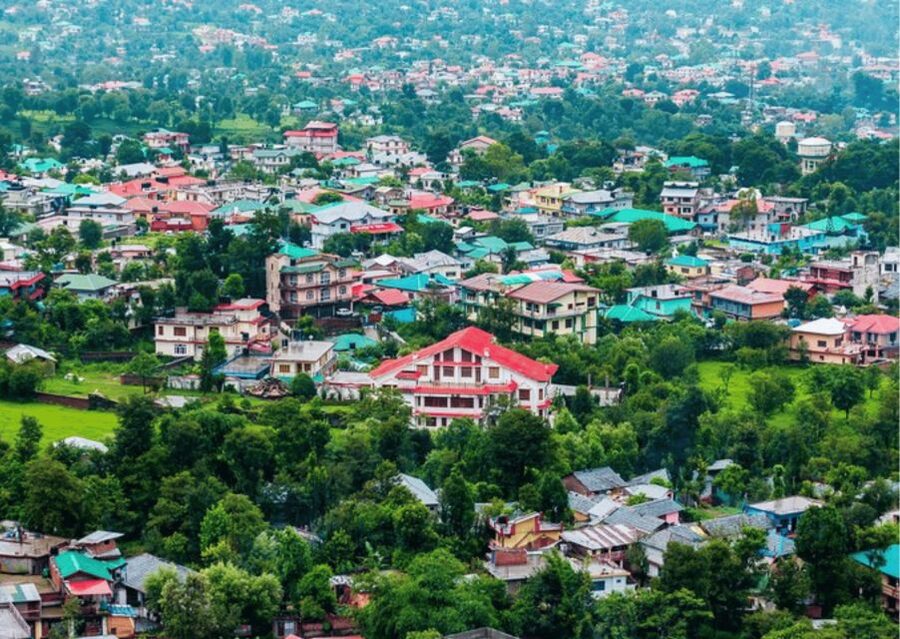
Most walking tours fail at the first five minutes. This one starts smartly at McLeod Square Temple, which gives you a clear “home base” and helps you understand the town’s layout quickly. Once you’re standing there, you can mentally map the rest: old-town lanes radiate out from this central area, and the walk becomes a sequence of turns rather than a random stroll.
Why it works: in McLeodGanj, the streets can look similar, but the meanings behind them aren’t. The guide’s storytelling is what stitches the route together—temples stop being isolated structures and start behaving like landmarks with context.
Practical note: wear comfortable clothes. You’re walking for two hours in hilly terrain, and you’ll want to focus on the stops rather than your feet.
Kalachakra (Wheel of Time) Temple and the monastery core
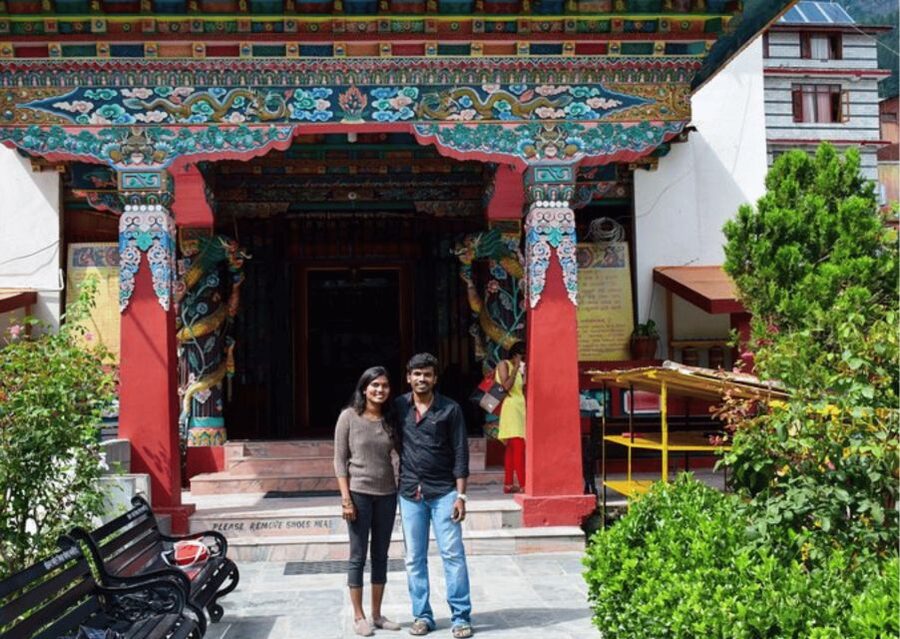
Next comes the big spiritual anchor: Kalachakra (Wheel of Time) Temple, tied closely with Namgyal monastery life. This stop is special because it sets a tone. You’re not just seeing an architectural site—you’re entering the part of McLeodGanj that feels most connected to Tibetan Buddhist practice and community.
From there, the tour includes access to areas associated with the private chambers of his Holiness the Dalai Lama, along with the Tsuglagkhang temple. Even if you don’t know every religious term, the guide can translate what these spaces represent in daily spiritual life.
What to pay attention to here:
- How the buildings relate to each other inside the monastery area.
- How the guide explains the significance of names and sacred spaces (this is often where good tours feel different from basic ones).
One consideration: this is also the kind of stop where a guide’s command of English and Hindi matters a lot. If the guide doesn’t explain clearly, you can end up standing in a beautiful place without fully understanding what you’re looking at.
Tsuglagkhang temple: when stories make the walls feel personal
After the Namgyal monastery areas, you’ll be looking at the Tsuglagkhang temple, which is one of those locations people describe in big, general terms. The trick is turning that general idea into something concrete. In a good “infotainment” walk, this is where you get the small context that changes your photo captions from facts to meaning.
I like this part of the route because it’s not just a religious stop; it’s a cultural stop. You learn how sacred spaces connect to the identity of the town. It also gives you a natural rhythm: spiritual pause, then a move outward again toward everyday streets.
McLeodGanj Central Square and the Mini Tibetan Market
Then the walk shifts to the kind of place you’d otherwise drift through without a plan: McLeodGanj Central Square, also known as the Mini Tibetan Market area. This is where you can see the town’s craft culture in plain sight.
You’ll spot things like:
- Thangka tapestry paintings
- Wooden carvings
- Handicrafts
Why I think this stop is valuable: it helps you separate “tourist shopping” from local craft culture. With the guide around, you’re more likely to understand what you’re looking at and what people actually make and buy here.
Also, it’s a good place to reset your energy. You can browse a little, ask questions, and get a sense of price levels before you decide anything later on your own.
If you’re shopping: I recommend you keep your expectations realistic and treat the market as your information hub first, buying second.
An artistic café and Handmade Paper Recycling
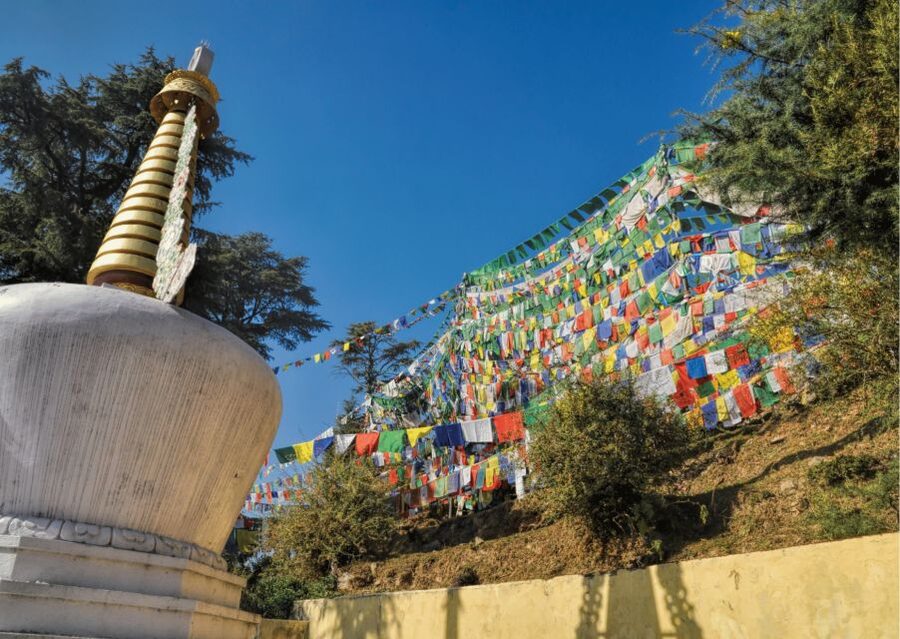
One of the more memorable angles on this tour is the stop at an artistic café linked to an environmental program: Handmade Paper Recycling, aimed at better waste management for Upper Dharamsala.
This matters because it adds a modern layer to the town. McLeodGanj is often framed only through monasteries and temples, but sustainability shows up too—literally in paper and likely in the art vibe around it.
What you’ll likely experience here:
- A shift from purely spiritual viewing to a community problem-solving story.
- Visual cues of how waste becomes something useful and creative.
If you care about travel that includes real-world local efforts, this is one of the highlights to prioritize.
Wall art, painting shops, and bottle recycling art
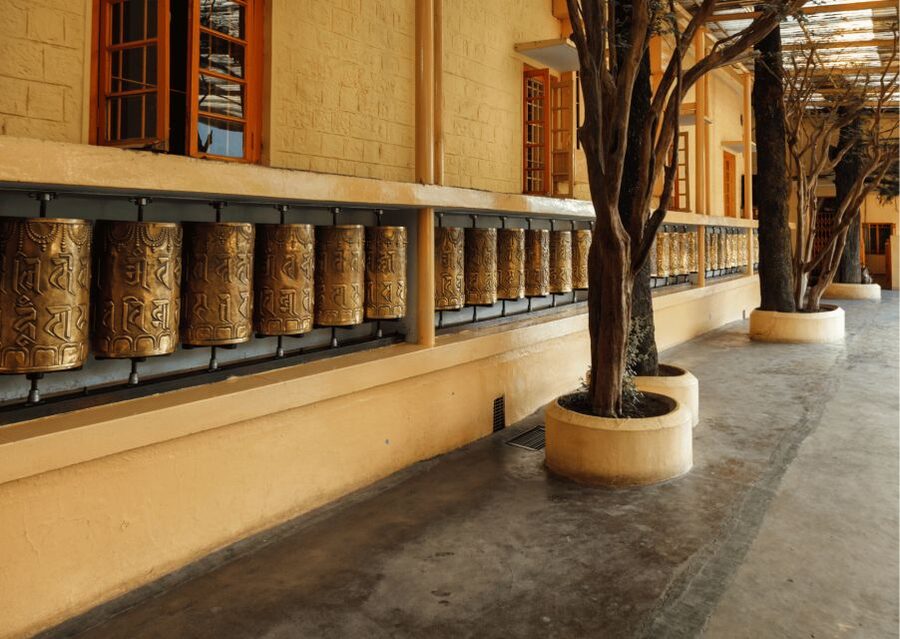
After the café, the tour keeps moving through the streets with a visual theme: walls, buildings, and street-level art. You’ll pass areas with wall art, painting shops, and recycling bottle art.
This is where the walk becomes more than a checklist. In McLeodGanj, the buildings and walls carry messages—some are devotional, some are aesthetic, and some are tied to the idea that discarded materials can gain new purpose.
How to get more out of this section:
- Slow down when the guide points something out.
- Ask what the art is meant to represent, especially when it’s tied to waste and recycling.
One thing I’d keep in mind: if your group moves quickly, you may want a moment to linger. Two hours goes fast, and street art rewards patience.
Dalai Lama wall art from waste, plus a Shiva temple
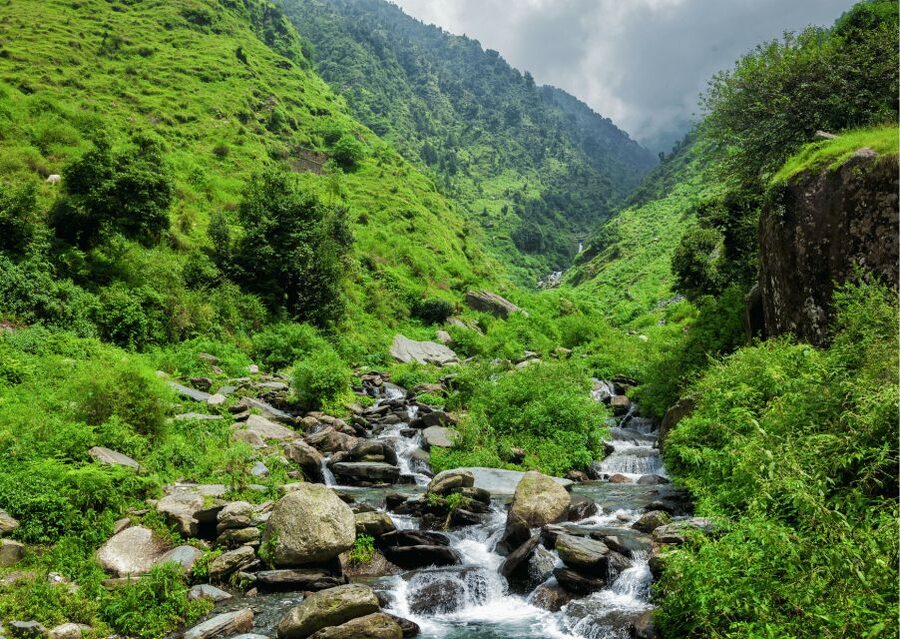
The final spiritual blend on the route includes Dalai Lama wall art created from waste plus a Shiva temple. I like this combination because it shows that sacred spaces and sacred symbolism in India don’t always fit neatly into one category. You get Tibetan Buddhist references and Hindu worship points in the same walking loop.
This section also ties back to the earlier recycling-focused stop. The tour’s theme becomes consistent: the town doesn’t just preserve tradition; it repurposes materials and creativity to keep meaning visible.
If you’re the kind of traveler who likes a tour with a clear theme, this is the part where the theme clicks.
Price and value: $14 for a themed orientation walk
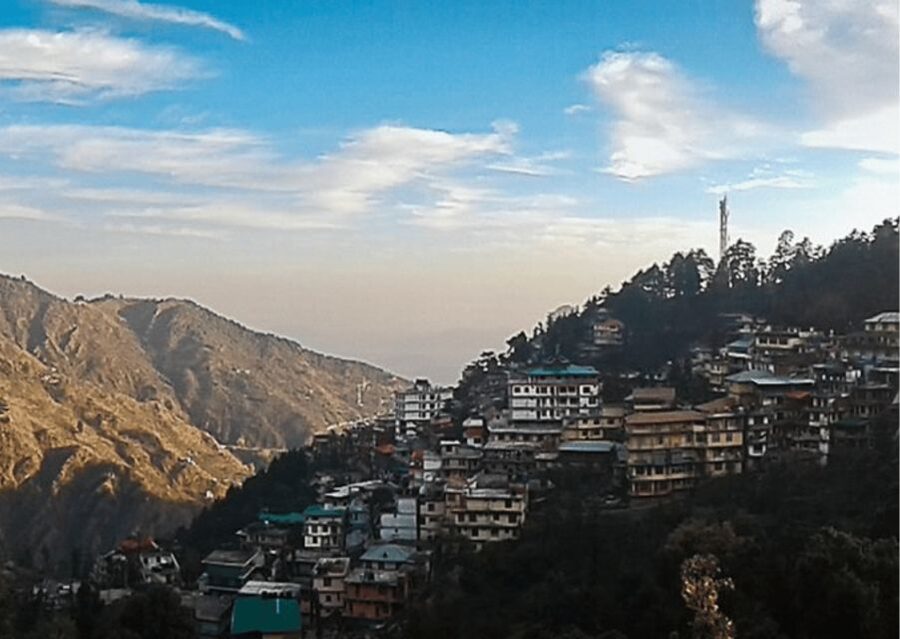
At $14 per person for a 2-hour walking tour, you’re paying for guided orientation plus storytelling plus access to places you might not find or interpret easily on your own. The included elements matter here: a trained English/Hindi storyteller guide, local tips to save money and explore better, and access to hidden lanes and places.
What you’re not paying for:
- Hotel pickup and drop (so you’ll be responsible for getting to the start point)
- A water bottle (you’ll want to plan for hydration yourself)
So is it good value? If you want a structured walk that covers both temples and town culture without you doing all the research, yes. If you’re highly detail-driven about every listed highlight, you’ll want to go with the expectation that the guide’s knowledge and pacing will shape your experience. With only two hours, the route is tight, and a slower explanation might reduce how much time you get at each spot.
Who this tour suits best (and who should skip it)
This is a strong fit if you:
- Want a fast, guided introduction to McLeodGanj’s old-town streets
- Like a mix of temples + markets + storytelling
- Enjoy practical context, not just landmark facts
- Prefer walking tours over sitting in traffic
You might reconsider if:
- You’re expecting a super-deep academic lecture for every stop
- You need a slow, unhurried pace at each temple area
- You’re worried about getting every highlight covered in detail (since the experience quality can vary)
Tips to get more out of the walk
- Bring comfortable clothes. You’ll be walking and moving between stops.
- Plan to ask one or two questions during the monastery and market segments. With the guide’s English and Hindi support, this can turn a good tour into a memorable one.
- Use the market stop as a research moment. Even if you don’t buy, it helps you understand what craft items are common here.
And one small mindset tip: treat this like a guided orientation, not a self-guided checklist. You’ll enjoy it more.
Should you book Heritage & Cultural Trails of McLeodGanj?
I’d book it if you want a two-hour mix of spiritual landmarks, Tibetan culture signals, and street-level art that connects to real community themes like recycling. The route is thoughtfully themed: monastery core, market culture, environmental storytelling, then art on the walls as the closing act.
If you’re easygoing, curious, and ready to talk to your guide, this kind of walk can be a great way to start your McLeodGanj days. If you’re extremely picky about guide expertise or absolute coverage of every highlight without variation, I’d consider booking only if you’re comfortable with that risk.
FAQ
How long is the Heritage & Cultural Trails of McLeodGanj guided walking tour?
The tour lasts 2 hours.
Where does the tour start?
It starts at McLeod Square Temple.
Which languages are the live tour guides available in?
The tour guide speaks English and Hindi.
What are the main places you visit during the walk?
You’ll visit Kalachakra (Wheel of Time) Temple and the Namgyal monastery area, including Tsuglagkhang temple. You also visit McLeodGanj Central Square/Mini Tibetan Market and an artistic café linked to Handmade Paper Recycling, plus wall art areas and a Shiva temple.
Is hotel pickup or drop included?
No, hotel pickup and drop are not included.
Is a water bottle included?
No, a water bottle is not included.
What’s included in the tour price besides the guide?
You get access to hidden lanes and places, local tips and recommendations to save money and explore better, and conversations with interesting stories.
What should I bring with me?
Wear comfortable clothes.
Can I get a full refund if I cancel?
Yes. You can cancel up to 24 hours in advance for a full refund.