REVIEW · THIRUVANANTHAPURAM
Heritage & Cultural Walk of Trivandrum Guided Walking Tour
Book on GetYourGuide →Operated by Yo Tours · Bookable on GetYourGuide
Trivandrum history walks faster than you think. This 2-hour heritage walking tour is a smart first-day introduction, mixing big landmarks with stories you’d miss if you wandered solo. I especially like how it starts at Kanakakunnu and builds momentum right away, with a clear local point of view and plenty of human details.
What I like most is the pairing of sites with meaning: the Napier Museum (art plus natural history) and then Keralam’s museum focus on history and heritage, so you’re not just checking boxes. The other standout for me is the way the guide opens up lesser-seen lanes and practical local context, like what to do next and where to spend carefully.
One thing to consider: the pace can feel brisk. Even with guided stops, you may not get long hangs at each sight, and a couple schedules can run later depending on guide logistics.
In This Review
- Key highlights worth marking on your mental map
- A 2-hour route that fits a first day in Trivandrum
- Kanakakunnu Flag Post: starting with a big, literal landmark
- Napier Museum: where art and natural history share a wall
- Keralam Museum of History and Heritage plus the Mateer Memorial Church stop
- Rama Rao Lamp and Palayam lanes: old houses, library, and an old university feel
- Memoriam of Men of the Indian Army and St. Joseph’s Cathedral in Palayam
- Connemara Market: an old arched entrance and real shopping variety
- Finishing at the Kerala Government Secretariat: your easy reset point
- Price and value: what $14 gets you (and what it doesn’t)
- The guides make the difference: Siddharth and Hareesh Das stand out
- Who should book this Trivandrum heritage walk
- Should you book this tour or not?
- FAQ
- How long is the Heritage & Cultural Walk of Trivandrum?
- Where do I meet the guide?
- What does the price include?
- What languages are available?
- Is hotel pickup or drop-off included?
- Is a water bottle provided?
- Do I need to bring anything specific?
- Is there free cancellation?
- Can I reserve without paying right away?
Key highlights worth marking on your mental map

- Kanakakunnu Flag Post sets the tone instantly, including the famous tall national flag vibe
- Napier Museum combines art with natural history in one stop
- Keralam and Mateer Memorial Church area adds heritage context beyond the obvious sights
- Rama Rao Lamp and Palayam lanes connect old houses with the state library and old university setting
- Connemara Market is an old-school market visit with an arched entrance and lots of variety
- Finish at Kerala Government Secretariat gives you an easy landing point for what comes next
A 2-hour route that fits a first day in Trivandrum

This tour is short enough to work even if you land tired, but it still hits a lot of different “Trivandrum moods.” You’re walking through museum-grade culture, religious architecture, and everyday city life, all within a manageable timeframe.
The structure matters. Stops are built like quick chapters—intro landmark, museum pair, then the heritage streets around Palayam, and finally the market. If you like a tight itinerary that gets you oriented fast, this fits. If you want slow looking and lots of time to linger inside every building, you’ll likely want to add extra independent time afterward.
Also, the guide style is worth noting. The tour leans into storytelling with fun facts and light editorial commentary about past and present figures. That’s not just entertainment—it helps you remember what you see, and it makes the city feel less like random monuments.
Kanakakunnu Flag Post: starting with a big, literal landmark
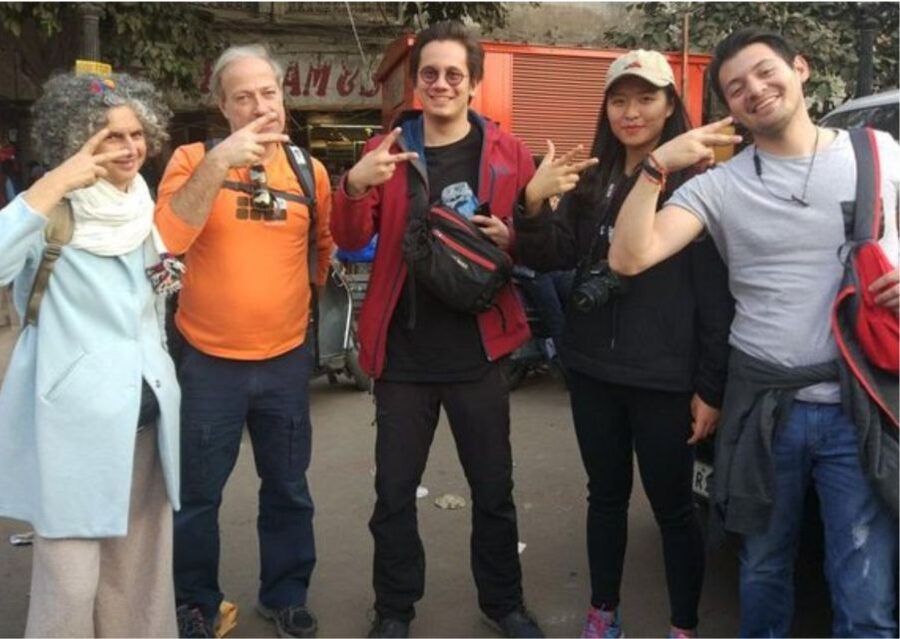
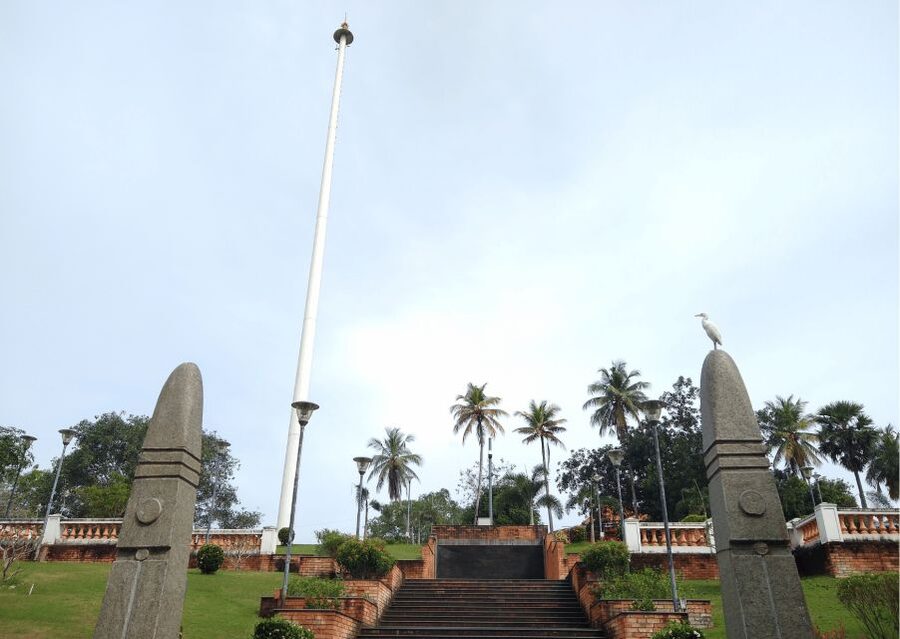
You meet at the Kanakakunnu Flag Post side, and that opening sets the stage. This is where you get that immediate sense of scale and civic pride, including the highlight of India’s tall national flag flying at Kanakakunnu Palace.
Why this start works: it anchors the rest of the walk. Once you’re standing there, it’s easier to understand why Trivandrum’s heritage isn’t only temples and museums. It also includes government spaces, ceremonial identity, and the way public life is organized.
Timing-wise, the early segment is short—enough to orient you, not enough to become a stand-and-stare session. Wear comfortable clothes, and don’t plan to treat this as a photo marathon. You’ll get better value by moving with the group and saving longer looks for later if something catches your eye.
Napier Museum: where art and natural history share a wall
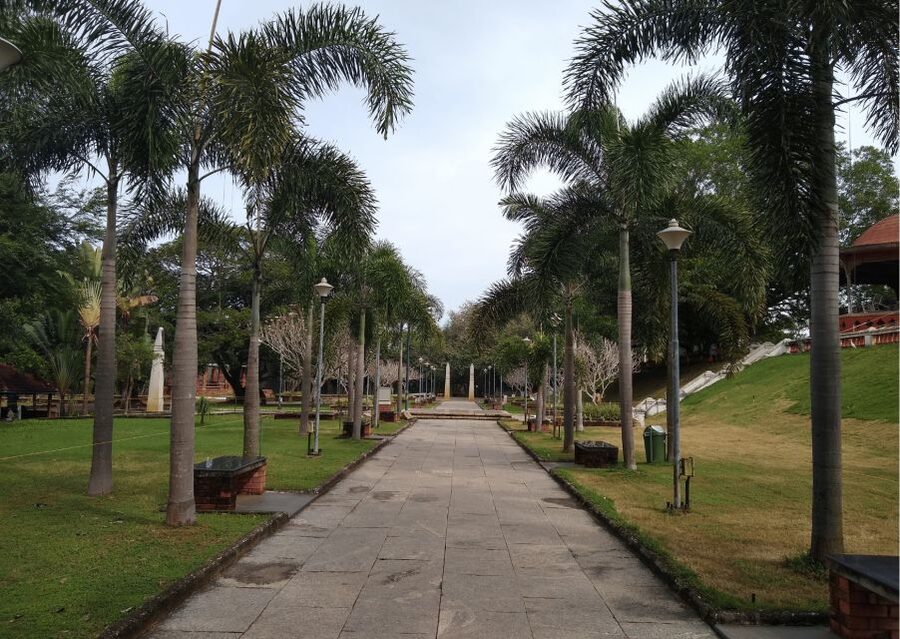
Next up is Napier Museum, guided for a short walk-through. The museum is described as an art and natural history space, and that mix is the point. You get more than one kind of education in one stop, which helps on a two-hour route—you don’t need to choose between “culture” and “science.”
This stop is especially good if you like museums but hate the feeling of being lost. A guide turns what could be a quick skim into a guided route through meaningful themes. In a short time, you can learn what you should pay attention to, instead of spending your energy trying to figure out what matters most.
The main drawback is the time limit: you’re passing through with a guide rather than doing a full museum crawl. If Napier Museum is a top priority for you, consider pairing this tour with a longer standalone visit later.
Keralam Museum of History and Heritage plus the Mateer Memorial Church stop
The tour then moves to Keralam – Museum of History and Heritage, which gives you deeper context for how the city and state explain themselves. After you’ve seen the big civic symbol at Kanakakunnu and had your art/natural-history introduction at Napier, Keralam helps you connect the dots.
One more stop in this part of the walk is the Mateer Memorial Church area. Even without long time inside, a guided look helps you understand why this kind of site fits into Trivandrum’s wider story—religion, community memory, and cultural layers all in the same neighborhood.
If you like tours that make places feel related instead of separate, this is one of the strongest stretches of the route. If you prefer only well-known monuments and would rather avoid churches or memorial sites, you might find this section less interesting. Still, it’s the kind of stop that often pays off because it expands your view of what counts as heritage.
Rama Rao Lamp and Palayam lanes: old houses, library, and an old university feel
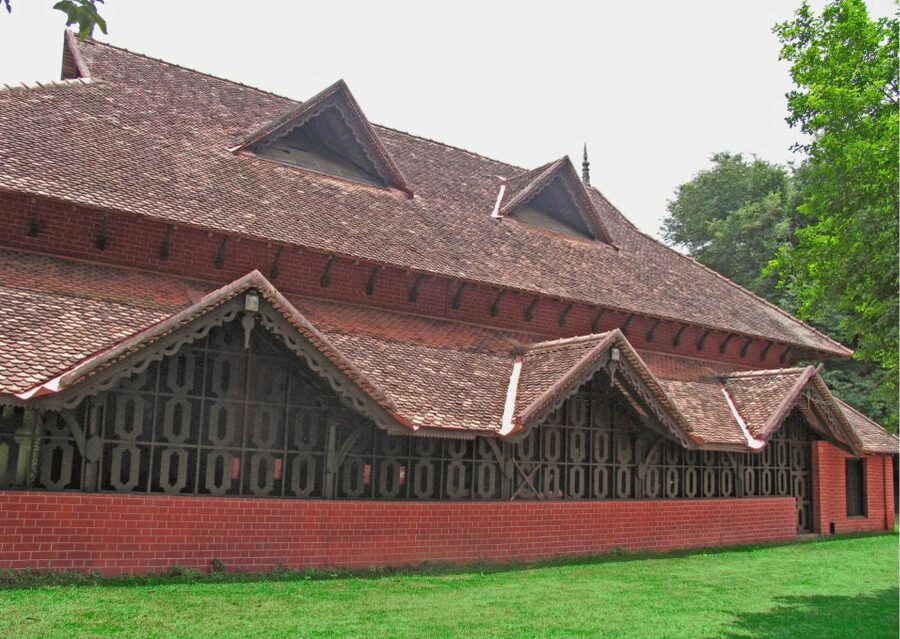
This is where the walk gets more character. You’ll cover Rama Rao Lamp and the surrounding history-minded atmosphere—old houses of Kerala, the state library, and an old university setting.
What I like about this part is that it doesn’t feel like museum-only city travel. It’s about streets and scale—how buildings sit in relation to each other, how older institutions shaped local life, and how the neighborhood reads when you’re walking rather than driving.
This is also where the guide’s storytelling really matters. Lanes and older structures can look similar if you’re sightseeing alone. With a guide, you get context for what you’re seeing and why people valued those institutions.
One practical note: because this is a walking section, the pace can make it hard to stop for too many long photos. If you’re the type who stops every 50 meters, you’ll want to keep your expectations flexible and treat this as orientation through the older city fabric.
Memoriam of Men of the Indian Army and St. Joseph’s Cathedral in Palayam
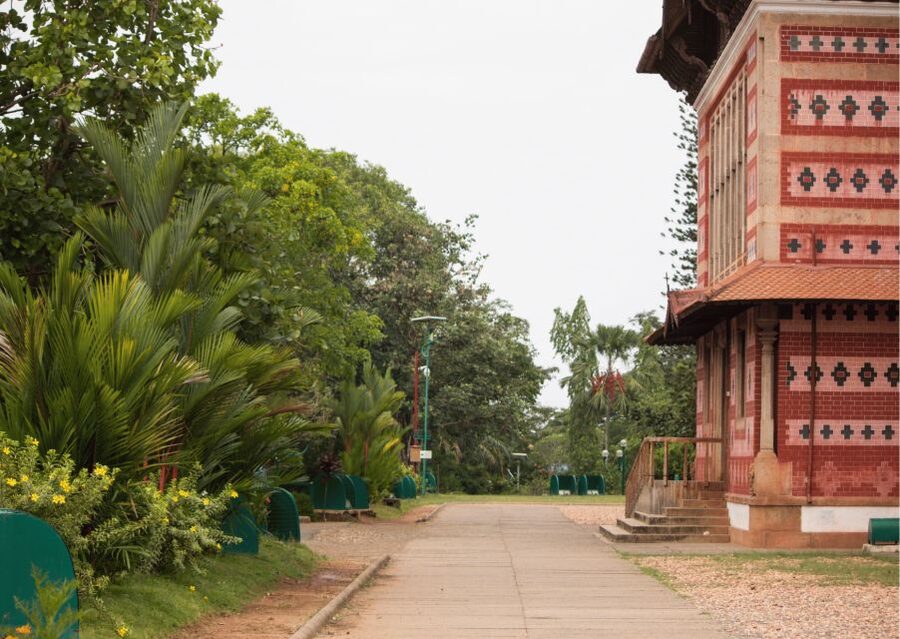
In Palayam, the tour makes room for memory and faith. You’ll pass the Memoriam of Men of the Indian Army and then St. Joseph’s Latin Catholic Metropolitan Cathedral (Palayam).
Even with limited time, this pairing works. Memorial sites tend to be easy to rush past on your own, because they look like any other monument until someone explains what it’s honoring. A guided stop helps you connect the site to the broader human story behind it.
For the cathedral, a guide can also point out what to notice in a quick look—placement, architecture cues, and how the building functions within the neighborhood. You’re not expected to do a full worship visit here, but you are given enough context to understand why it’s part of the city’s identity.
If you don’t like walking near memorials or places of worship, you can still enjoy this section for the cultural context. Just remember that this is a heritage walk, not a purely sightseeing-and-shopping stroll.
Connemara Market: an old arched entrance and real shopping variety
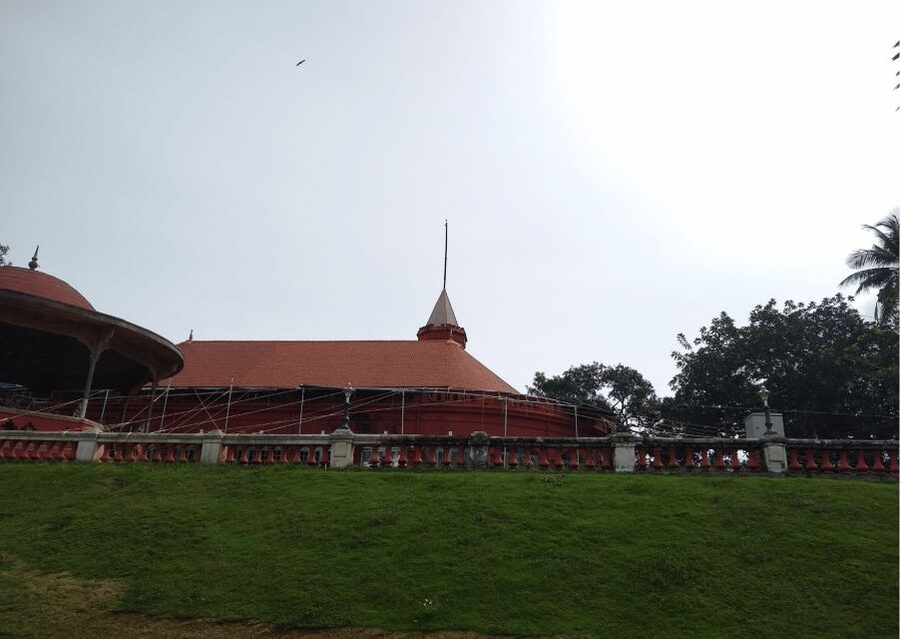
By the time you reach Connemara Market, Palayam, the tour shifts from heritage framing to everyday city life. The market is known for variety of items and has an arched entrance, which makes it feel instantly recognizable.
This stop is valuable because markets are where you learn how a city actually works. Even if you don’t buy much, you’ll see local rhythms—what people look for, how stalls are arranged, and how the place fits into daily routines.
A good way to use this part of the tour: go in with a purpose. Maybe it’s fruit snacks, small gifts, or a quick browse to compare prices before you shop later. Since the tour includes local tips (including money-saving suggestions), you can ask quick questions at the right moment rather than guessing on your own.
The only caution is time. Market visits can tempt you to linger. If you want to come back later for shopping, take note of what caught your eye, but keep moving so you don’t miss the tour’s ending point.
Finishing at the Kerala Government Secretariat: your easy reset point
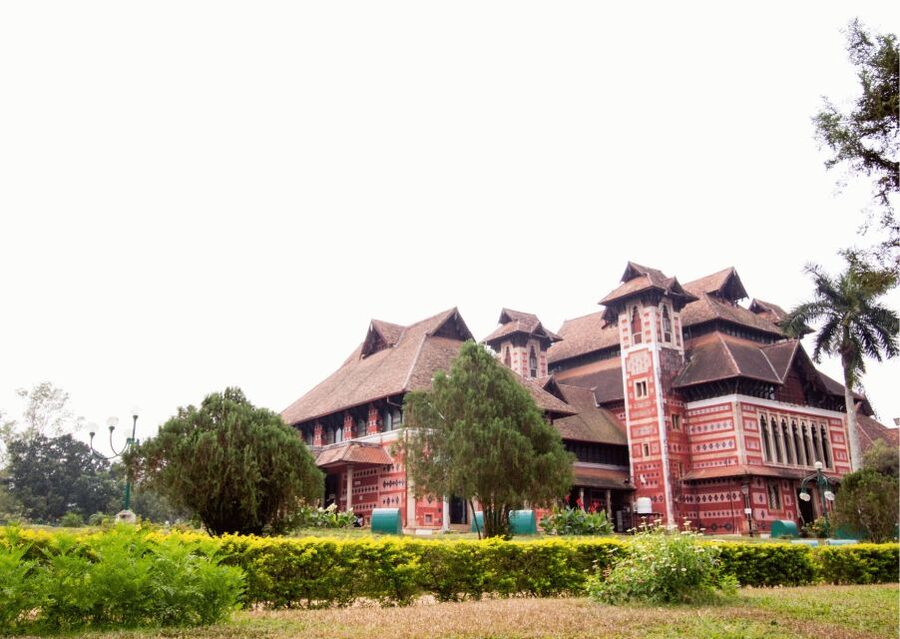
The walk finishes at the Kerala Government Secretariat. That ending location is practical because it gives you a clear hub point for onward plans, whether you’re heading to another museum, lunch, or a different neighborhood.
If you like a tour that ends where you can immediately keep going, this is a good setup. The last portion matters because two hours goes by quickly, and you don’t want to end somewhere random and hard to navigate.
Also, since there’s no hotel pickup or drop-off, ending at a known government-area location can reduce stress when you figure out your next transport step.
Price and value: what $14 gets you (and what it doesn’t)
At $14 per person for about 2 hours, the value is mostly in the guided context. You get a storyteller/guide who speaks English and Hindi, local tips, and access to lesser-seen lanes and places. You also get enough structure that you’re less likely to waste your limited time on vague wandering.
The cost is low enough that you don’t feel you must “extract every minute,” which is important on a walking tour. Still, it’s not a private car day, and it’s not a full museum pass. You’ll see a lot of “guided looking” rather than long entries or deep time.
Two small practical gaps:
- Water bottle isn’t included, so plan to bring your own.
- Time at each stop is limited, so treat it as orientation plus highlights, not a replacement for long standalone visits.
The guides make the difference: Siddharth and Hareesh Das stand out
A big reason this tour lands well with people is the guide quality. I’m using examples from named guides shared in experiences: Siddharth is praised for passion and strong local and cultural history knowledge, plus helping people plan later parts of the trip. Hareesh Das is described as pleasant and informative too.
You’ll likely notice the difference in how you remember the walk. The best guide doesn’t just show places; they connect them into a story you can repeat later. That’s especially helpful in a city where the landmarks blend into older neighborhoods and streets.
One consideration: a couple experiences mention start-time confusion and guide-finding issues on arrival. That’s not unusual in busy city scheduling, but it’s a reminder to build in a little buffer and double-check timing on the day.
Who should book this Trivandrum heritage walk
This is a strong fit if you:
- Want a first introduction to Trivandrum with a local voice
- Enjoy short guided museum and city history stops
- Like walking and don’t mind a faster pace
- Want practical tips, including money-saving ideas and what to do next
It’s less ideal if you:
- Prefer slow travel with long sits inside buildings
- Need long quiet time at memorials or churches
- Have mobility issues that make continuous walking hard (the provided info only mentions comfortable clothes, not accessibility details)
Should you book this tour or not?
If you want to get oriented quickly and you enjoy stories as much as scenery, I’d book it. For $14, you’re buying guided context across multiple parts of the city—palace-area flag, Napier Museum, heritage sites in the Palayam area, and Connemara Market—without needing a vehicle.
Skip it or supplement it if you’re chasing deep time at one museum or one building. This tour is about breadth and understanding the city’s threads, then giving you a base to explore further on your own.
FAQ
How long is the Heritage & Cultural Walk of Trivandrum?
It’s about 2 hours.
Where do I meet the guide?
Meet at the Kanakakunnu Flag Post side.
What does the price include?
The tour includes a storyteller/guide (English and Hindi), local tips and recommendations, and access to hidden lanes and places.
What languages are available?
The live guide speaks English and Hindi.
Is hotel pickup or drop-off included?
No, hotel pickup and drop-off aren’t included.
Is a water bottle provided?
No, water bottle is not included.
Do I need to bring anything specific?
Wear comfortable clothes for walking.
Is there free cancellation?
Yes. You can cancel up to 24 hours in advance for a full refund.
Can I reserve without paying right away?
Yes, you can reserve and pay later.