REVIEW · LILLE
Historical tour of Lille by a passionate local resident
Book on GetYourGuide →Operated by AntoineVisiteLille · Bookable on GetYourGuide
Lille gets explained fast, on foot, by a real local. This 90-minute historic walk led by AntoineVisiteLille turns big eras into street-level clues, starting at Place de la Treille and ending near the city’s siege memorials.
What I like most is how the tour stays simple and easy to follow, even when it moves through medieval rivalries and later French rule. I also enjoy Antoine’s style: the atmosphere feels friendly, and he’s known for being serious about facts while keeping things light with humor.
One thing to consider: the tour is French only, so if you don’t read or speak French comfortably, you might find it a little harder to catch every detail.
In This Review
- Key highlights you’ll actually feel on the walk
- A Local-Led Walk That Makes Lille Feel Personal
- Before You Go: What 90 Minutes Covers (And What It Doesn’t)
- Place de la Treille: Where Lille’s Origins Take Shape
- Notre-Dame de la Treille: The Statue of a Devotion That Survived
- Flanders vs. France: Counts, Kings, and the Avenue du Peuple Belge
- Louis XIV and the Clues Hidden in Lille’s Architecture
- Loyalty Through Wars and Sieges Until the French Revolution
- Finishing at Colonne de la Déesse and the Old Stock Exchange
- Price and Group Size: $16 for a 90-Minute Story You’ll Remember
- Who This Tour Fits Best (and Who Might Want Something Else)
- Should You Book This Lille Historic Walk?
- FAQ
- Where does the tour start?
- What time does the tour run?
- How much does the tour cost?
- What language is the tour guide?
- How big is the group?
- Is the tour wheelchair accessible?
- What is the meeting and end point?
Key highlights you’ll actually feel on the walk
- Small group (8 max), so questions don’t get lost in the back row.
- A local guide born in Lille guiding you from landmark to landmark with personal context.
- Virgin Mary statue at Notre-Dame de la Treille and the devotion that helped it survive changing times.
- Flanders vs. France story, with the Avenue du Peuple Belge added in at the right moment.
- Louis XIV annexation explained through architecture, not just dates on a timeline.
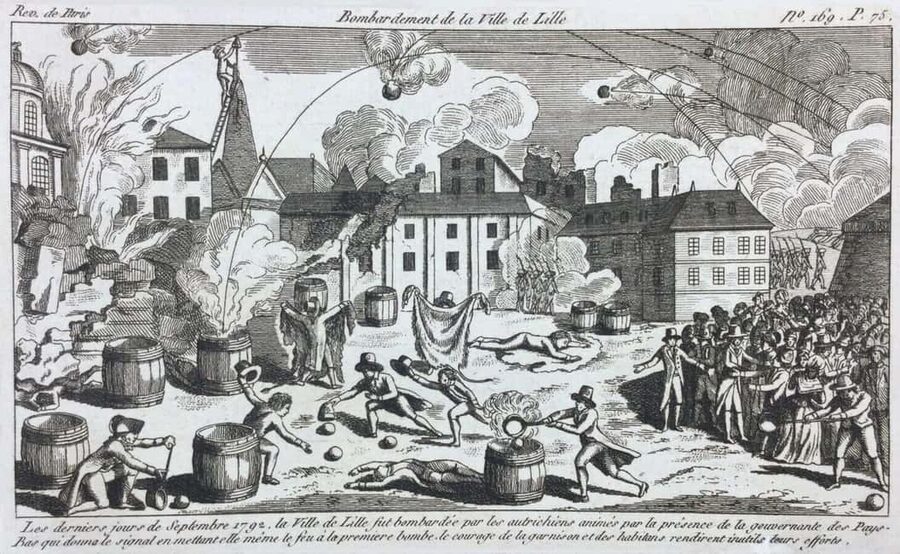
- Siege of Lille in 1792 brought to life at the Colonne de la Déesse, then capped by the old stock exchange.
A Local-Led Walk That Makes Lille Feel Personal
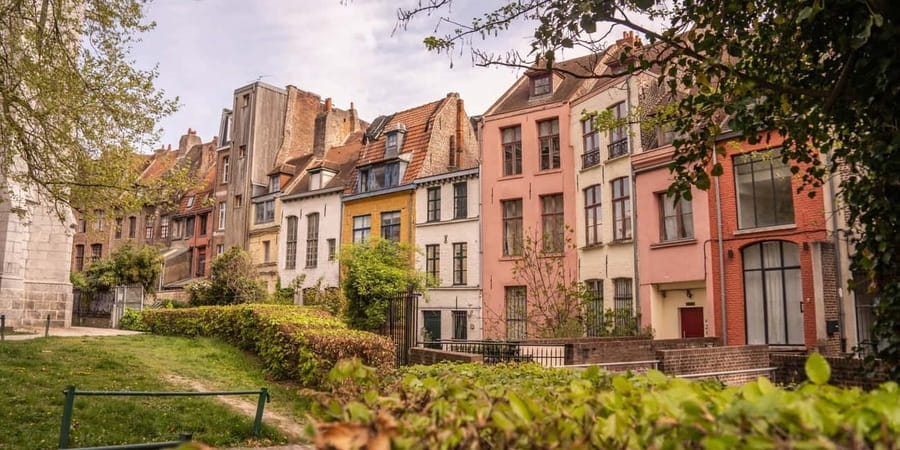
This isn’t one of those tours where you feel like a passenger in someone else’s slideshow. You’re walking Lille while Antoine tells the story the way a person who grew up here would: with cause-and-effect, real names, and a sense for what mattered to the people on the ground.
I love that the pace is quick but not rushed. Ninety minutes is long enough to connect the dots, and short enough that you won’t feel trapped when your legs start complaining.
You’ll also appreciate that the group stays small. With a limit of 8 participants, you get a more conversational feel, and it’s easier to ask questions as the story unfolds rather than saving them for the very end.
Before You Go: What 90 Minutes Covers (And What It Doesn’t)
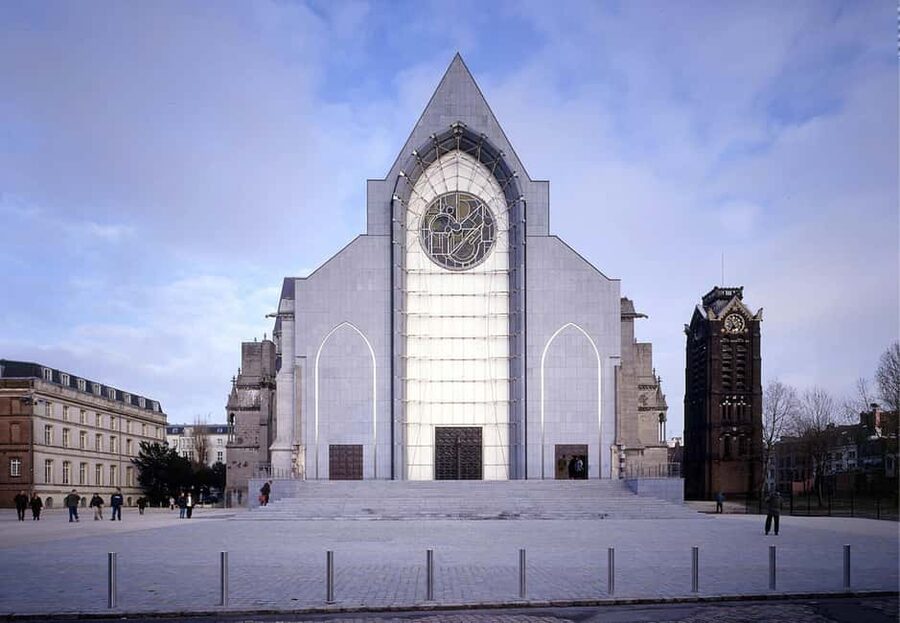
Plan for a walking tour of about 1.5 hours. You’ll move between several recognizable points in historic Lille, which means you get the best kind of overview: not just what you see, but why those places mattered.
What you won’t get is a full-day deep dive into every single corner of the old city. This tour is designed to give you the backbone of Lille’s political and cultural shifts, then point you toward landmarks you’ll want to notice later on your own.
If you’re the type who likes your tours focused—clear start, clear finish, and no detours that eat time—this length is a strong match. If you want a slower pace with lots of stop-and-taste breaks, you may want to pair it with a meal plan afterward.
Place de la Treille: Where Lille’s Origins Take Shape
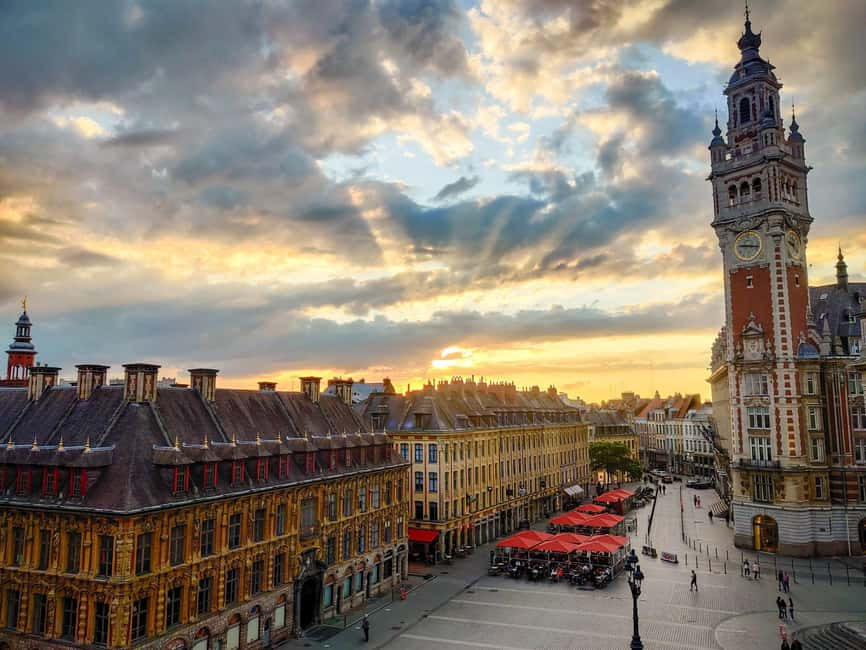
The tour starts opposite Notre Dame de la Treille Cathedral, at the square area around Place de la Treille (meeting point is on the square facing the cathedral). Antoine begins with Lille’s earliest story—its origins, the meaning behind its name, and the role of a castle mound in the city’s creation.
This first stretch matters because it gives you a framework. When the guide later mentions counts, kings, and annexations, you’ll understand what’s at stake rather than just hearing a sequence of rulers.
You’ll also hear a legend connected to Lille’s creation. Legends aren’t trivia for this tour—they’re the emotional glue that explains why certain places stick in local memory even when political control changes.
Notre-Dame de la Treille: The Statue of a Devotion That Survived
From there, you’ll connect the city’s story to its religious center. Antoine talks about the cathedral and specifically the statue of the Virgin Mary, which Lille’s people venerated across time—despite the turmoil of history.
I like how this turns architecture into a human story. Instead of treating the cathedral like a backdrop, you learn what locals cared about, and that makes it easier to look at the building with fresh eyes.
The biggest value here is continuity. Even when the city’s political map shifts, religious devotion stays. That thread helps you understand why Lille felt like Lille to its residents, even when armies arrived or allegiances changed.
Flanders vs. France: Counts, Kings, and the Avenue du Peuple Belge
Next comes the rivalry. Antoine walks you through the back-and-forth between the Counts of Flanders and the Kings of France, and you’ll pass by an iconic landmark linked to the city’s identity: the Avenue du Peuple Belge.
This is where the tour becomes more than a list of monuments. You start hearing the logic of power in the region—who claimed what, why control mattered, and how those tensions shaped everyday life.
Avenue du Peuple Belge is a smart stop because it interrupts the strict political storyline with a reminder that Lille sits at a crossroads. It helps you feel the city’s position without needing a lecture about geography.
If you’re a history fan, you’ll enjoy the way Antoine keeps these names and conflicts tied to physical places. If you’re not, you’ll still get something out of it because the tour explains the meaning as you walk, not after you’ve left.
Louis XIV and the Clues Hidden in Lille’s Architecture
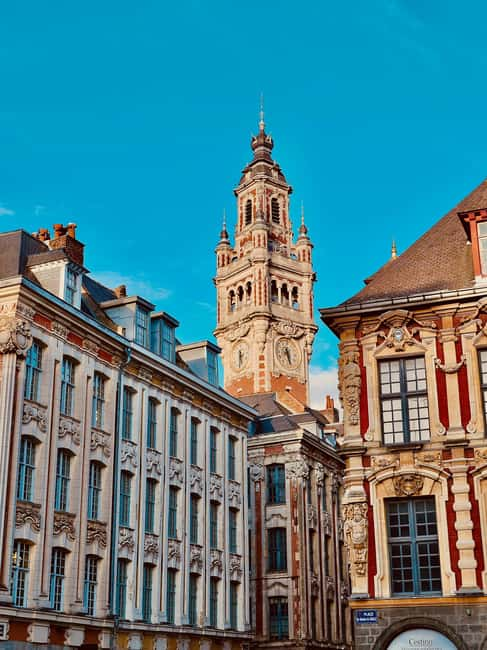
At some point, the story turns toward France’s control of Lille. The tour explains the eventual annexation under Louis XIV, and you observe how that shift shows up through the city’s architecture.
This is the right kind of teaching. You’re not only hearing a date—you’re learning what to look for when you’re standing in front of the buildings. Even if architecture terms aren’t your thing, the practical takeaway is clear: political change leaves visible traces.
The best part is that Antoine keeps this section moving. You get enough background to understand what you’re seeing, but you’re still walking and responding to the city rather than staring at a single point too long.
Loyalty Through Wars and Sieges Until the French Revolution
After the annexation, Antoine recounts the main events that shaped Lille’s relationship with France. The story runs through wars and sieges, then lands on the era of the French Revolution.
I appreciate this because it gives you a full emotional arc, not just a highlight reel. You can feel the pressure on the city over time, and the result is that Lille’s landmarks start to read like chapters in the same book.
In your own sightseeing later, this context helps. When you see references to conflict or remembrance, you won’t need to guess what they connect to. The tour makes it feel more personal, almost like you’re catching the city mid-story.
Finishing at Colonne de la Déesse and the Old Stock Exchange
The tour ends with siege memory. You’ll finish in front of the Colonne de la Déesse, a monument that commemorates the siege of Lille in 1792. And you won’t miss the iconic old stock exchange, which adds a final layer beyond war—trade, civic life, and the city’s long-running purpose.
Ending at a remembrance site works well for this kind of walk because it closes the loop. Earlier, you learned where the city came from and how control shifted; now you see how later events shaped local identity enough to deserve a monument.
Then the stock exchange keeps you from ending on a heavy note only. It’s a reminder that cities don’t just survive sieges; they rebuild and keep functioning afterward.
If you’re planning dinner right after, this ending is convenient in the sense that you’ll have a clearer mental map of where you are and what you just learned.
Price and Group Size: $16 for a 90-Minute Story You’ll Remember
At $16 per person for roughly 90 minutes, this tour is priced for real access. You’re not paying for spectacle; you’re paying for a local guide who can connect the dots and answer questions clearly.
The small group size—limited to 8 participants—is part of what makes the price feel fair. In larger groups, questions often go unanswered. Here, you have more chances to interact, which is where a history tour can either feel dead or feel alive.
Also, the tour is wheelchair accessible. That matters for practical planning because you’re not forced into “only for the nimble” city pacing.
Guides also matter. Antoine’s teaching style has strong praise for being passionate and professional, with a friendly sense of humor. In plain terms: you get the facts without the lecture vibe, and he’s willing to respond to questions rather than brushing them off.
Who This Tour Fits Best (and Who Might Want Something Else)
This is a good fit if you want a starter history tour that doesn’t drown you in dates. You’ll leave with a framework for understanding Lille’s political shifts and the meaning behind major landmarks.
It also fits well if you like walking tours that stay focused: clear start, guided path through key points, and a finish tied to the city’s memory.
You might want to think twice if you need an English-language tour. Everything here runs in French, so you’ll benefit most if you’re comfortable enough to follow the pace and explanation.
If you’re traveling with kids or friends who get impatient with long explanations, the 90-minute length helps. It’s short enough to keep moving, and the guide’s humor helps keep attention from drifting.
Should You Book This Lille Historic Walk?
Yes, if you want an affordable, tightly focused tour that helps you understand Lille on your feet. The combination of small-group format, a local guide, and a story that ties together origins, rivalries, annexation, sieges, and revolution is a strong value.
Book it especially if you plan to spend more time in Lille afterward. This tour gives you the “what to notice” layer, so your self-guided walking stops feeling random.
Skip it only if language is your main concern. French-only tours are fine if you’re comfortable with French, but if you need explanations in English, you may feel like you’re missing half the point.
FAQ
Where does the tour start?
It starts at Place de la Treille, meeting on the square opposite Notre Dame de la Treille Cathedral.
What time does the tour run?
The experience lasts about 90 minutes, and starting times depend on availability.
How much does the tour cost?
It costs $16 per person.
What language is the tour guide?
The live tour guide speaks French.
How big is the group?
The group is small, limited to 8 participants.
Is the tour wheelchair accessible?
Yes, the tour is listed as wheelchair accessible.
What is the meeting and end point?
You meet opposite Notre Dame de la Treille Cathedral at Place de la Treille, and you finish at Place du Général de Gaulle (near the Colonne de la Déesse and the old stock exchange area).