REVIEW · HANOI
Enjoy making pottery in Amazing Ancient Village!
Book on Viator →Operated by Hanoi Memories · Bookable on Viator
A clay cup feels like a real souvenir here, not a fridge magnet. This Bat Trang pottery experience in Hanoi pairs a guided visit to an ancient ceramic village with time in a working factory, then hands you the tools to make, paint, and fire your own piece. I especially like the mix of watching locals work and getting your own hands dirty, and I also like that lunch is included. One consideration: your finished ceramic needs about 48 hours to be properly fired and cooled, so plan your Hanoi schedule around it.
You’ll go from Hanoi to Bat Trang with a small group (up to 8), and the energy stays practical thanks to your guide, like Son, who keeps the process clear. The only real drawback for time-crunched trips is that the best result depends on the kiln timeline, not just the 5–6 hour class window.
In This Review
- Key things to know before you go
- Bat Trang pottery in Hanoi: more than a souvenir run
- Getting there from Hanoi: time, meetup, and why early booking helps
- Inside Bat Trang: ancient town walking + factory watch-time
- Your pottery class: hands-on making, painting, and putting it in the kiln
- The lunch break you’ll actually appreciate
- The kiln timeline: what to do if you have limited days in Hanoi
- Price and value: $52 for a real process, not just a photo stop
- Who this is best for (and when to skip it)
- What to expect on the day: smooth flow, practical pacing
- Should you book Hanoi Memories pottery making?
- FAQ
- How long is the Bat Trang pottery making tour?
- Does the pottery need extra time after the class?
- Where does the tour start in Hanoi?
- Is lunch included?
- What happens if the weather is poor?
- Can I cancel for free?
Key things to know before you go
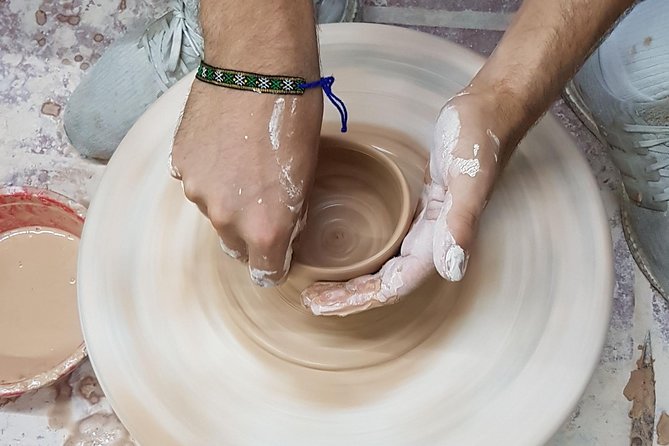
- You’re making a real ceramic piece: hand-shaping, painting, then placing it in the kiln
- Factory + village context: you’ll see multiple stages of ceramic production with a local guide
- Small group (max 8): more time for help while you work
- Lunch included: no extra meal juggling in the middle of the day
- Plan for 2 extra days: proper firing and cooling affects what you can take home and how it lasts
Bat Trang pottery in Hanoi: more than a souvenir run
Bat Trang Ceramic Village is one of those places where “tourist activity” can turn into something genuinely useful. The value of this experience isn’t just that you’ll leave with a handmade item. It’s that you’ll understand the steps that make ceramics usable: the process before the class, the painting while you’re there, and the firing step after.
That last part matters more than most people expect. A pottery workshop can end when the class ends. Here, the ceramic work continues on your behalf through the firing and cooling window, which is why your finished piece needs extra time to become something you’ll actually want to use. If you’re the kind of traveler who likes learning how things are made, this scratches that itch.
Also, the pacing is built around real production. You’re not only “doing an art project.” You’re watching locals work, then trying it yourself. That factory/village pairing is a big reason this tour consistently earns strong ratings.
You can also read our reviews of more tours and experiences in Hanoi.

Getting there from Hanoi: time, meetup, and why early booking helps
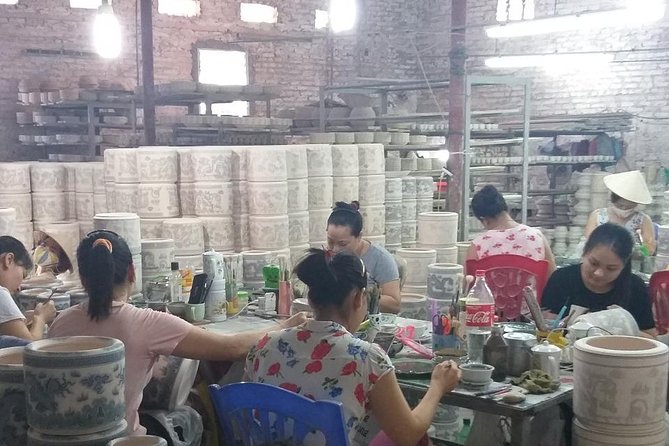
This tour runs about 5 to 6 hours, and it’s built around a day trip from Hanoi to Bat Trang. If you want the best outcome for your ceramic, book early in your stay, because the kiln timeline is not instant.
You’ll meet at Long Bien Interchange bus station on Yen Phu street, then head to the village by bus. Pickup is offered, which can simplify your morning if you’re staying somewhere convenient for the operator, but the stated meetup point is Long Bien. Plan to arrive at the pickup/meet time with a little cushion, because you want to start your pottery work feeling unhurried.
The timing advice is straightforward: ceramics require two additional days to be properly completed (firing and cooling). If you’re leaving Hanoi soon, the tour notes an option for a shorter process, where you can be given the raw version that dries naturally after you go—just expect it won’t have the same finished, fired result.
Inside Bat Trang: ancient town walking + factory watch-time
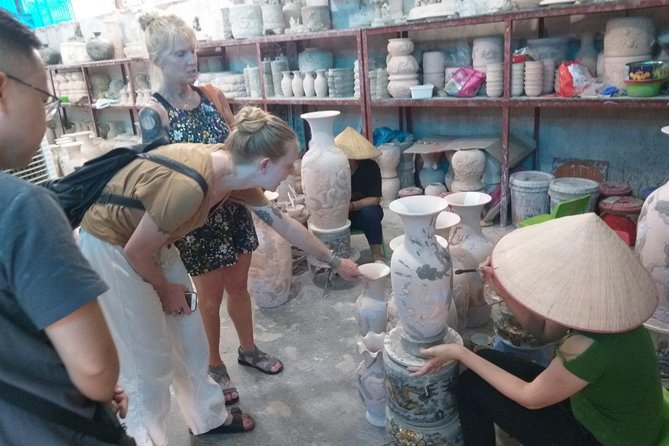
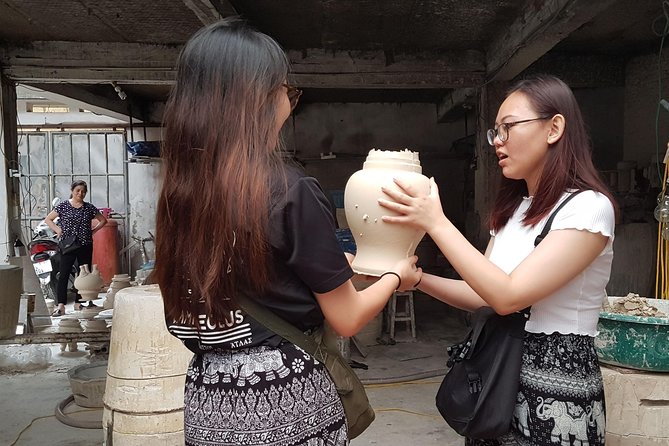
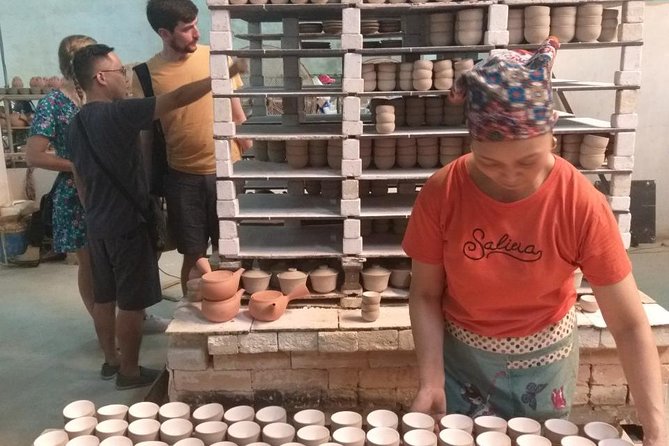
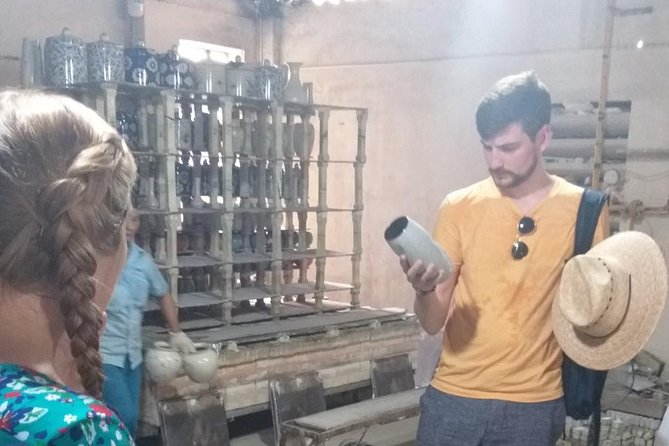
One of the best parts of this experience is the structure before you touch clay. You’ll enter the village with a local guide to understand the area’s history and culture, then you’ll watch production at different stages—how the work moves from raw materials toward finished ceramic items.
That context makes a huge difference when you later paint your own piece. Instead of treating the class like a standalone craft, you can connect your efforts to what you just saw: shaping happens first, painting happens after the form, and firing is what turns the whole thing into something durable.
You’ll also get an up-close look at how locals and workers handle real production. Even if you’re not a ceramics expert, you can pick up practical cues just from observation: how people move, how they handle tools, and how much process detail goes into consistent results. This is the kind of “watching work” that feels more authentic than a staged demo, because it’s tied to an actual ceramic village workflow.
Your pottery class: hands-on making, painting, and putting it in the kiln
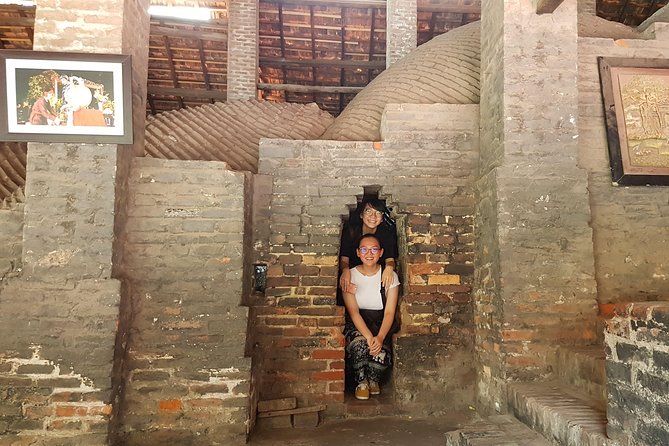
The core of the day is the hands-on part: you’ll make your own pottery by hand, then paint it, and finally put it in the kiln. The class is designed so most people can participate, which is great news if you’re worried about skill level.
Here’s the practical way to think about it: this isn’t just about producing something pretty. It’s about learning a sequence. You’ll shape your form, decorate it, and then trust the kiln step to finish the transformation. That kiln step is the reason your finished piece is handled after the class ends.
Because the group is capped at 8 travelers, you’re more likely to get direct help during the parts that usually trip people up: getting the form right, choosing how much paint to use, and understanding what to do before the kiln. If you’ve ever done a big-group workshop where your attention gets split, this small size is a clear advantage.
And if you like souvenirs that feel personal, this is about as close as you’ll get in Hanoi without heading into a full-day production situation. You’re creating the item yourself, not choosing from a shelf.
The lunch break you’ll actually appreciate
A complimentary lunch in the village is included, and that matters on a ceramics day trip. You don’t want to waste time hunting for food in the middle of a workshop schedule, and you definitely don’t want to show up to painting or kiln timing distracted or hungry.
In a tour like this, lunch also gives you a natural pause point. You can reset after the village/factory walk, then head back into making mode with better focus. It’s the kind of built-in rest that improves your experience, even if you don’t think about it at booking time.






The kiln timeline: what to do if you have limited days in Hanoi
Let’s talk about the real decision point: whether your schedule can handle the ceramics timing.
The tour clearly explains that ceramics require an extra 2 days for proper completion—firing and cooling. The benefit is practical: your cups/pieces will look better and last longer, and they can be made useful enough for everyday use like containing liquid and food (not just decor).
If you’re short on time, you don’t have to lose the entire souvenir option. The tour notes that it’s still possible to get the raw version, which dries naturally in a few days after you leave Hanoi. That can work if you only care about having your handmade form and you don’t need the fully fired, durable outcome.
So my advice is simple:
- If you’re in Hanoi for several days, book early and plan around the 48-hour completion window.
- If you’re only passing through, ask for the raw option and set your expectations accordingly.
Price and value: $52 for a real process, not just a photo stop
At $52 per person for about 5–6 hours, the price makes sense when you consider what’s included: a guided village/factory visit, instruction during the pottery-making session, painting time, and the kiln step as part of the process. Plus you get lunch included.
A lot of craft experiences charge similar amounts but give you less context and less actual involvement. Here, you get both the “how it’s made” viewing time and the “make it yourself” class component. Also, the small group size (up to 8) helps keep the experience from feeling rushed.
The value question becomes even easier when you compare what you’re taking home. You’re not buying a mass-produced object. You’re taking part in the creation of a fired ceramic piece that’s meant to last.
Who this is best for (and when to skip it)

This experience is a great match if:
- you like hands-on activities more than passive sightseeing
- you enjoy learning craft processes and understanding how work becomes a finished product
- you want a meaningful souvenir you made yourself in a real production village
- you prefer smaller groups for better guidance
It may be less ideal if:
- you have very tight timing in Hanoi and cannot accommodate the two extra days needed for firing and cooling
- you only want something you can take home immediately the same day (the fired finish is the key, and it needs time)
Also, if you’re the type who hates waiting, the kiln timeline can feel like a “pause” in the story—your work starts now, but the real finishing happens after. For most people, that’s part of the charm.
What to expect on the day: smooth flow, practical pacing
Expect a structured morning-to-lunch-to-making rhythm. You’ll travel from Hanoi to Bat Trang, arrive, and start with the village and production observation. Then you move into the class portion where you make your piece, paint it, and place it in the kiln.
The tour is built for a wide range of participants, and the small group means your guide can keep things moving without losing people. It’s also close to public transportation, which matters if you want options beyond any pickup.
For convenience, you’ll also receive a mobile ticket, and confirmation happens at booking time.
Should you book Hanoi Memories pottery making?
If your Hanoi trip has room for an extra couple of days, I’d book this. The combination of village context, factory viewing, and hands-on ceramics makes it a more grounded experience than a quick craft stop. The small group size, the included lunch, and the guide support (including guides like Son) are the kind of practical details that make a class feel smoother.
If you’re leaving Hanoi very soon, consider booking anyway but choose your outcome path early. Go into it knowing the fired ceramic completion takes time, and use the raw-drying option only if you’re comfortable with that different result.
Overall: this is one of the better-value “do something” tours in Hanoi because you come away with understanding, not just an object.
FAQ
How long is the Bat Trang pottery making tour?
It runs about 5 to 6 hours.
Does the pottery need extra time after the class?
Yes. Ceramics require an extra 2 days to be properly completed (fired and cooled).
Where does the tour start in Hanoi?
You’ll meet at Long Bien Interchange bus station on Yen Phu street, then go to Bat Trang Ceramic Village by bus.
Is lunch included?
Yes. Lunch in the village is complimentary.
What happens if the weather is poor?
The experience requires good weather. If it’s canceled due to poor weather, you’ll be offered a different date or a full refund.
Can I cancel for free?
Yes. You can cancel up to 24 hours in advance for a full refund. If you cancel less than 24 hours before the start time, the amount paid won’t be refunded.