REVIEW · HONG KONG
Hong Kong Heritage – Past to Present
Book on GetYourGuide →Operated by Walk Hong Kong Ltd · Bookable on GetYourGuide
Central feels like Hong Kong compressed. This small-area Central district tour traces how British-era buildings, old streets, and sky-high offices now share the same sidewalks.
I especially love the architecture-first approach and the way guides keep the group moving at a comfortable pace. One possible drawback: this walking tour is not recommended for people with limited mobility.
In This Review
- Key points
- Central District: Where Hong Kong’s Past Meets Today’s Office City
- Statue Square: Why the Main Square Is So Small
- The Supreme Court: One of the Last Colonial Buildings You Can Still Read
- St John’s Anglican Cathedral: Harbour Views and a Changing Skyline
- Central Footbridges: The Hidden Map of the Business District
- Soho’s Old Town Story: How the City’s Character Took Shape
- Price and Logistics: What You’re Paying For in 3 Hours
- Who Should Book This Central Heritage Walk
- Should You Book Hong Kong Heritage – Past to Present?
- FAQ
- Where is the meeting point?
- How long is the tour?
- How much does it cost?
- What languages are available?
- Is hotel pick-up or drop-off included?
- How large is the group?
- Is it suitable for people with limited mobility?
Key points
- Statue Square’s surprise: get the reason Hong Kong’s main square feels so small
- The Supreme Court’s staying power: one of the last colonial-era buildings you can still see clearly
- St John’s Anglican Cathedral sightline: learn how the harbour used to shape what you could see
- Central’s footbridge system: understand how pedestrians move through the business district
- Soho’s origins: link the old town feel with how modern Hong Kong took shape
Central District: Where Hong Kong’s Past Meets Today’s Office City
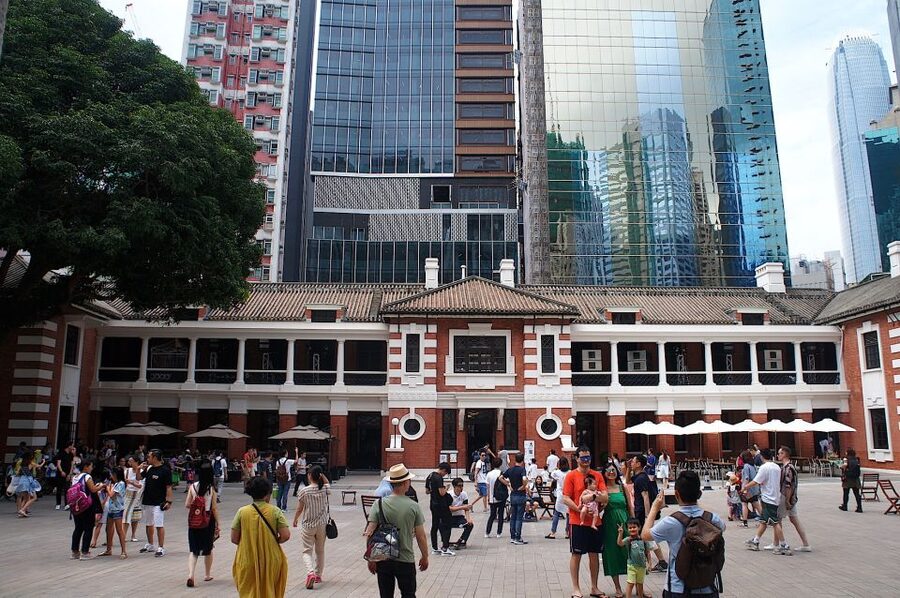
If you want to understand Hong Kong fast, start with Central. This is the area that has kept changing since British rule began in 1841, while still holding onto physical clues from earlier eras. You’ll be walking among historic buildings that sit close to modern skyscrapers, so the contrast isn’t theoretical. It’s right in front of you.
What makes this tour worth your time is that it focuses on how the city grew, not just what you can photograph. The story is tied to real structures: colonial-style government and religious buildings, the later commercial boom, and the way the waterfront and skyline were reshaped through reclamation and development. If you’ve ever looked at Hong Kong’s skyline and wondered why certain buildings look like they belong in another country, this tour helps you make sense of that.
A short transfer time is built in, so the pacing doesn’t feel like nonstop hauling. Still, plan on good shoe days. You’re moving through Central and nearby Central/Western District streets, and the route makes sense once you learn the logic of where people walk and how the footbridges connect the office blocks.
Statue Square: Why the Main Square Is So Small
Statue Square is the kind of place you might rush past—unless someone points out the detail that matters. Your guide will explain why Hong Kong’s main square doesn’t feel like the big ceremonial spaces you might picture elsewhere. The size is part of the story.
Here’s what I like about this stop: it’s not trivia. It’s urban planning in miniature. Hong Kong has always been working against limited space, and Central developed into a dense, high-value business hub as the city’s population and economy grew. So even the idea of a square had to fit the reality of land use, waterfront changes, and the pressure to keep building upward and outward.
You’ll learn how early British influence showed up in the layout and public-building presence in Central, then you’ll see how that same core area had to adapt as the city became a metropolis in the early 20th century. If you’re the type who notices street corners and building placement (and you probably are, if you’re reading this), Statue Square gives you a simple visual lesson: Hong Kong’s history isn’t just in old buildings—it’s in how decisions compressed space.
The Supreme Court: One of the Last Colonial Buildings You Can Still Read
Next up is one of the anchors of the colonial story: the Supreme Court. This building is significant because it’s among the last remaining colonial-era structures that still gives you a clear sense of that early Western administrative presence.
The value here is learning how architecture can act like a historical document. Even if you don’t know the technical terms, you can still sense the intention behind the design: authority, permanence, and order. Your guide will help you connect those design choices to the period when the British administration shaped public life through legal and government institutions.
You’re also learning to read the city’s timeline. Hong Kong later accelerated into a modern commercial center, and reclamation and redevelopment kept altering the waterfront and the surrounding environment. That’s why it matters that buildings like the Supreme Court survive. They become physical markers of the earlier phase, when Central was already forming as the heart of the city.
If you care about architecture, you’ll likely appreciate that multiple stops on the tour keep returning to the same theme: how a working city reuses older structures while still pushing new development right next to them.
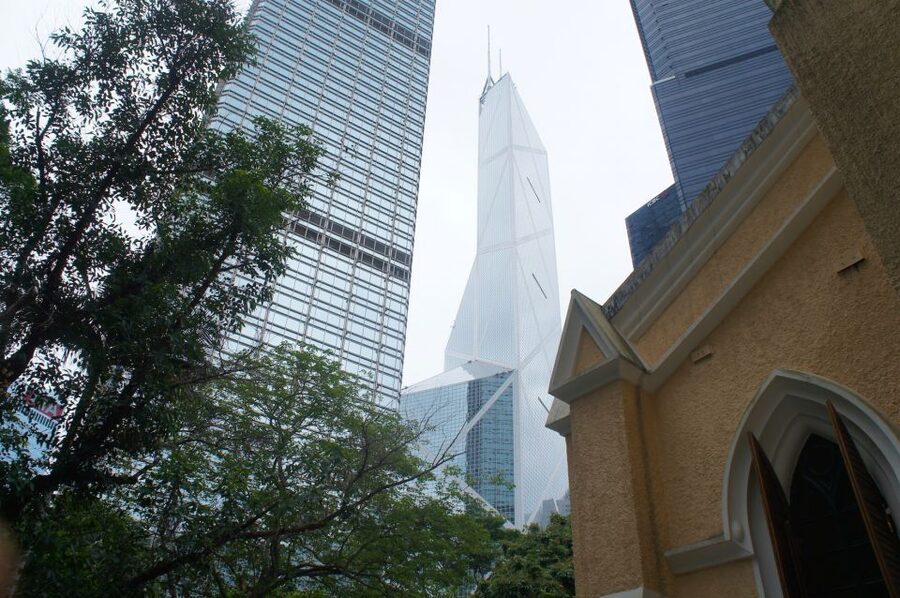
St John’s Anglican Cathedral: Harbour Views and a Changing Skyline
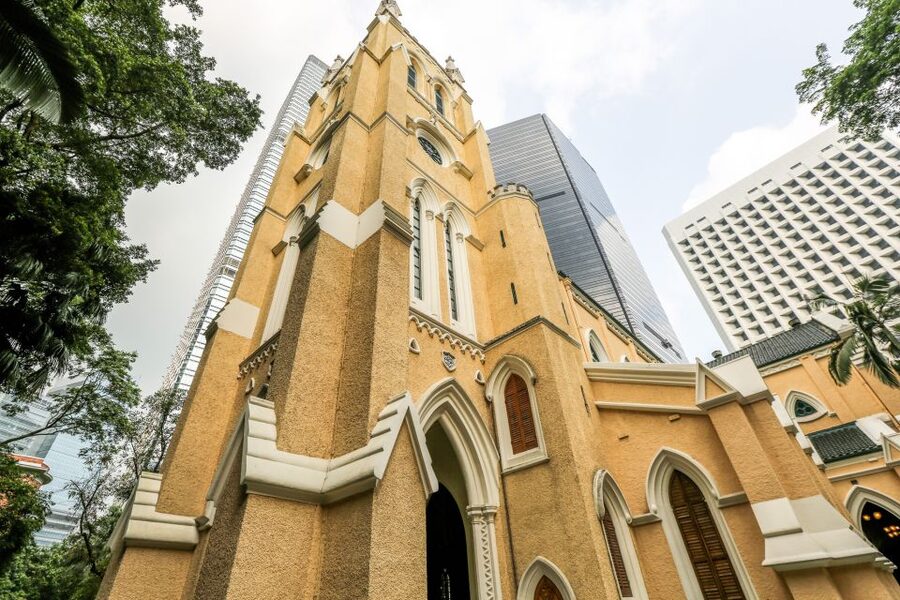
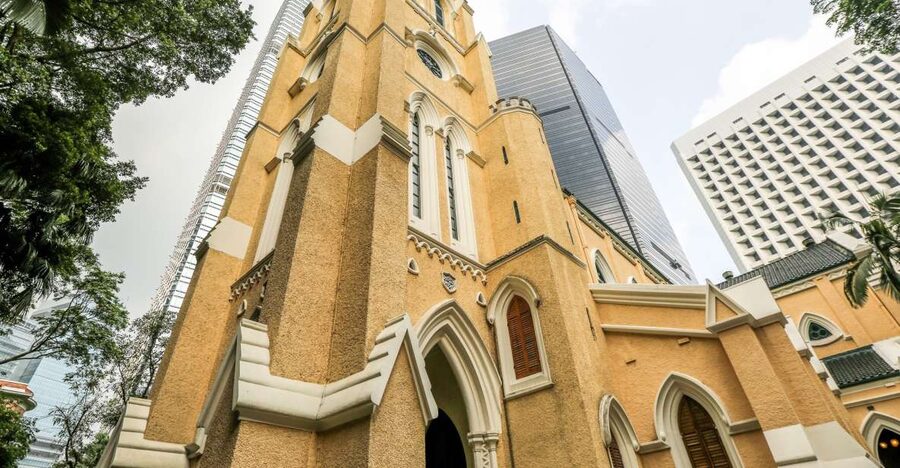
St John’s Anglican Cathedral is one of those places that invites quiet attention—until you learn how the harbour once shaped the view around it. Your guide will explain that the cathedral was once visible from the harbour, which means its visual role wasn’t only religious. It also acted like a landmark in the city’s broader visual system.
This stop is a great reminder that Hong Kong’s skyline wasn’t always what you see today. Waterfront extensions and development projects changed sightlines over time. So when you look at a building like St John’s, you’re not just looking at its current place in the city—you’re learning how the city used to be oriented toward water.
What I find helpful for readers here: you’ll get language for the pattern. When the harbour was more central to movement and identity, certain buildings mattered in that bigger view. As Central became more office-heavy and land development intensified, those relationships shifted. That’s part of why learning history through buildings can feel more real than learning it through dates alone.
If you’re into photography, don’t expect one single magic photo spot based on what’s provided here. Instead, aim to understand why the building mattered visually before the city’s modern edges filled in.
Central Footbridges: The Hidden Map of the Business District
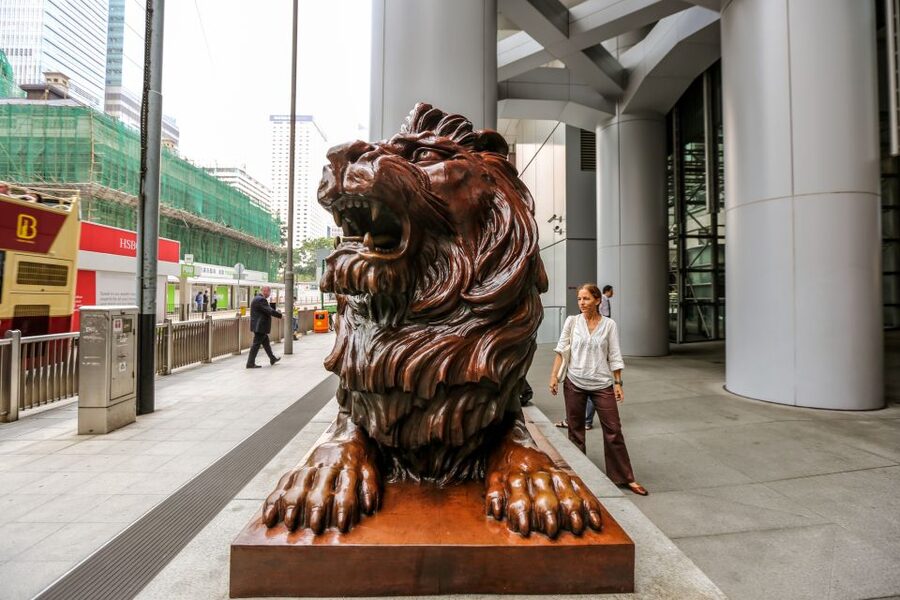
One of my favorite parts of this kind of Central-focused walking tour is when you stop thinking of Hong Kong as only streets and start seeing it as a network. The tour spends time on the network of pedestrian footbridges that threads through the central business district.
Why does this matter? Because footbridges change how you experience the city. You don’t just walk past buildings; you move between them like the city has layers. In a dense area, that means speed, shelter, and reduced friction between major commercial blocks.
Your guide will help you interpret the footbridges as part of how Central works now—then you’ll connect that modern movement system back to the city’s older development patterns. The tour is essentially teaching you how to navigate the city’s logic: where people needed to go, how space got used, and how commercial growth created new routes above the street level.
If you’ve ever wandered around Central and felt like the buildings were connected but you just couldn’t find the links, this portion gives you the reasoning behind what you’ll notice on your own later.
Soho’s Old Town Story: How the City’s Character Took Shape
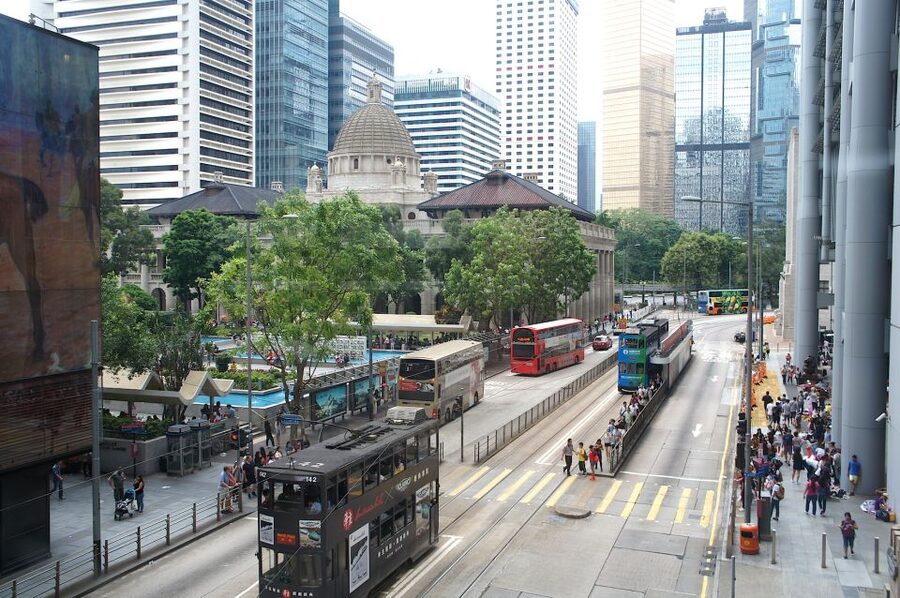
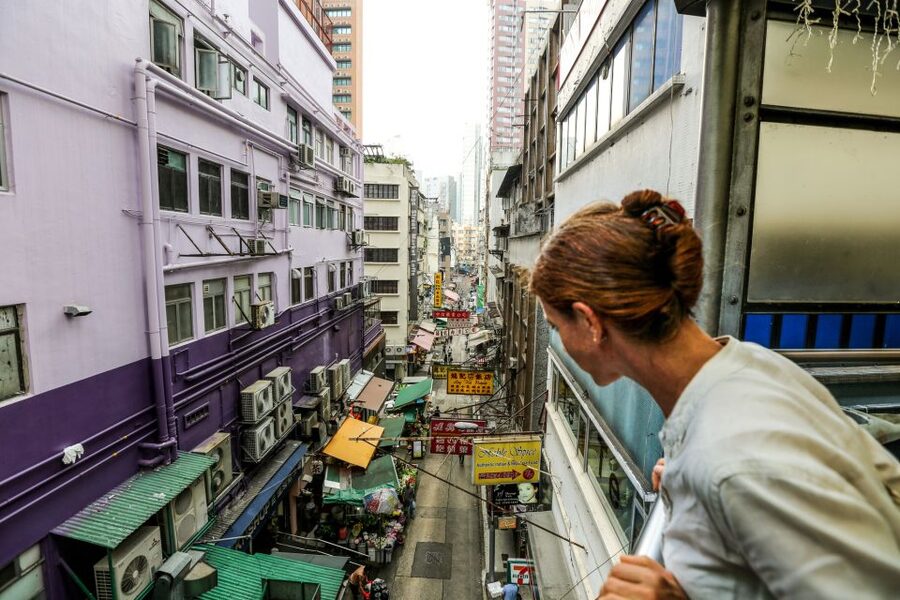
Soho is where the tour’s history focus shifts from big institutions to everyday urban character. You’ll explore the old town district and learn how Soho relates to the making of Hong Kong as a modern, distinctive place.
This is more than a “cool neighborhood” stop. Your guide ties Soho’s evolution to the broader story of how Central developed after British rule began, how Western-style buildings came in as the city grew prosperously, and how the early 20th century boom turned Hong Kong into a metropolis. Then you’ll connect that to the local street-level fabric—the feeling of old town areas forming alongside newer architecture.
What I like about this segment is the cause-and-effect framing. Soho didn’t develop in isolation. It’s part of the same Central story, where major districts grew quickly, infrastructure changed, and land use tightened. Old town areas become proof that even in fast-changing cities, people still build community around streets, access, and function.
If you’re trying to understand Hong Kong’s personality, Soho helps you move from government-and-architecture landmarks to the human scale of the city.
Price and Logistics: What You’re Paying For in 3 Hours
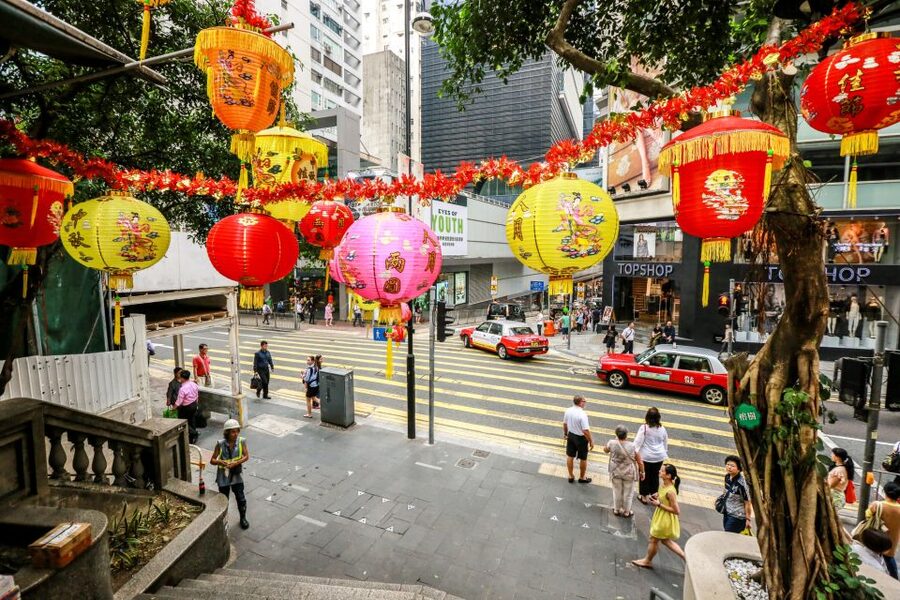
This tour costs $65 per person for about 3 hours. For that price, you’re not only getting a walk through a few photo-friendly points. You’re buying an organized story told by an English-speaking tour guide, with German available on request.
Value comes from three things:
- Compact coverage: you hit key Central/Western District reference points without spending the entire day figuring routes.
- Guided interpretation: the tour doesn’t stop at naming buildings; it explains why places look the way they do and how their roles changed.
- Small group size: limited to 8 participants, which means your guide can actually keep the pace and answer questions without turning into a lecture hall.
There’s also a bit of practical tradeoff. You’ll be walking, and the tour isn’t recommended for people with limited mobility. You also shouldn’t bring luggage or large bags. This isn’t a museum sit-down; it’s a street-and-architecture experience.
For most people, the $65 price makes sense if your goal is understanding Central quickly. If you prefer total freedom and self-guided browsing, you might be able to do it cheaper on your own—but you’d miss the explanations that tie buildings to city growth.
Who Should Book This Central Heritage Walk
I think this tour fits best if you want:
- Architecture and city design as the main event
- A clear narrative from British-era beginnings to modern Central
- A short, structured walking plan in a district that can feel overwhelming
It also works nicely for first-time Hong Kong visitors who want a stronger foundation than a quick skyline loop. In the group reports I’ve seen, guides tend to adjust pacing to the group, and you’ll likely get room for questions. Some guides use photo and map material to help you visualize how the city developed, which is a big help if you like seeing diagrams alongside the street view.
Small-group tours are ideal if you dislike feeling anonymous. With a maximum of 8 participants, you’re more likely to interact than just follow along.
Should You Book Hong Kong Heritage – Past to Present?
If you like making sense of a city—how it grew, why it looks the way it does, and how old and new coexist—this is an easy yes.
Book it if you:
- Want a Central district walk with major architecture anchors
- Care about learning the city’s logic through Statue Square, the Supreme Court, St John’s, and the footbridge network
- Prefer a small group format where the guide can keep your pace comfortable
Skip it if:
- You need step-free or low-walking routes (the tour is not recommended for limited mobility)
- You’re carrying luggage or large bags (that’s not allowed)
- You want only broad sightseeing with no architectural interpretation
FAQ
Where is the meeting point?
You meet street level outside the General Post Office at 2 Connaught Pl, Central, Hong Kong, next to the bus station.
How long is the tour?
The duration is 3 hours.
How much does it cost?
It costs $65 per person.
What languages are available?
The tour is available in English, and German is offered on request.
Is hotel pick-up or drop-off included?
No. Hotel pick-up and drop-off are not included.
How large is the group?
It’s a small group, limited to 8 participants (intimate group size of 2–8 people).
Is it suitable for people with limited mobility?
No. The tour is not recommended for people with limited mobility.