REVIEW · AMER INDIA
Jaipur: Private PinkCity & Stepwell Heritage Tour with Guide
Book on GetYourGuide →Operated by Golden Triangle Tours in India · Bookable on GetYourGuide
Jaipur clicks into focus fast on this tour. I like how the city’s UNESCO sites get linked into one clear story, from royal Rajput life to the astronomical legacy at Jantar Mantar. You also get real time with the landmarks that define the Pink City look.
I also like the practical comfort: private air-conditioned sedan/SUV transport plus hotel pickup and drop-off. One possible drawback is the schedule feels busy, since several big stops are only about 30–60 minutes, so you’ll want to move at a good pace if you’re the type who likes lingering.
In This Review
- Key things I’d bet you’ll notice
- Jaipur’s UNESCO Pink City feel, packed into one day
- Getting to the monuments: private A/C transport and real timing
- Amber Fort and Palace: red sandstone, white marble, and hilltop views
- Panna Meena Ka Kund: a 16th-century stepwell that’s pure function
- Jal Mahal (Water Palace): Man Sagar Lake views and a quiet pause
- Hawa Mahal: the Palace of Winds and the idea of watching life unfold
- City Palace: Maharaja Jai Singh’s royal center, still very much alive
- Jantar Mantar: nine lives of stone instruments, including the sundial
- Royal Gaitor Tumbas: carvings, temples, and a pilgrim’s kind of quiet
- The guide can make or break the day (and here, that matters)
- Comfort and value: what you’re really paying for at this price
- Who this tour fits best
- Should you book this Jaipur Pink City heritage tour?
- FAQ
- What’s included in the Jaipur tour package?
- How do I get to the monuments during the tour?
- Which sites are visited during this full-day itinerary?
- How much time is planned at each main stop?
- What languages can the guide speak?
- What should I bring for the tour?
- Is the tour suitable if I’m pregnant?
- Are weapons or sharp objects allowed?
- Is there a pay-later option, and what about cancellation?
Key things I’d bet you’ll notice
- Private guide with English and multiple language options so the stories make sense as you walk
- A/C car with hotel pickup and drop-off, which matters a lot in Jaipur heat
- Amber Fort + Jal Mahal pairing, two very different views in one stretch of the day
- Panna Meena Ka Kund stepwell, a short stop that’s still full of clever design
- Hawa Mahal and City Palace back-to-back, for architecture lovers
- Jantar Mantar’s stone instruments, especially the world’s largest stone sundial
Jaipur’s UNESCO Pink City feel, packed into one day
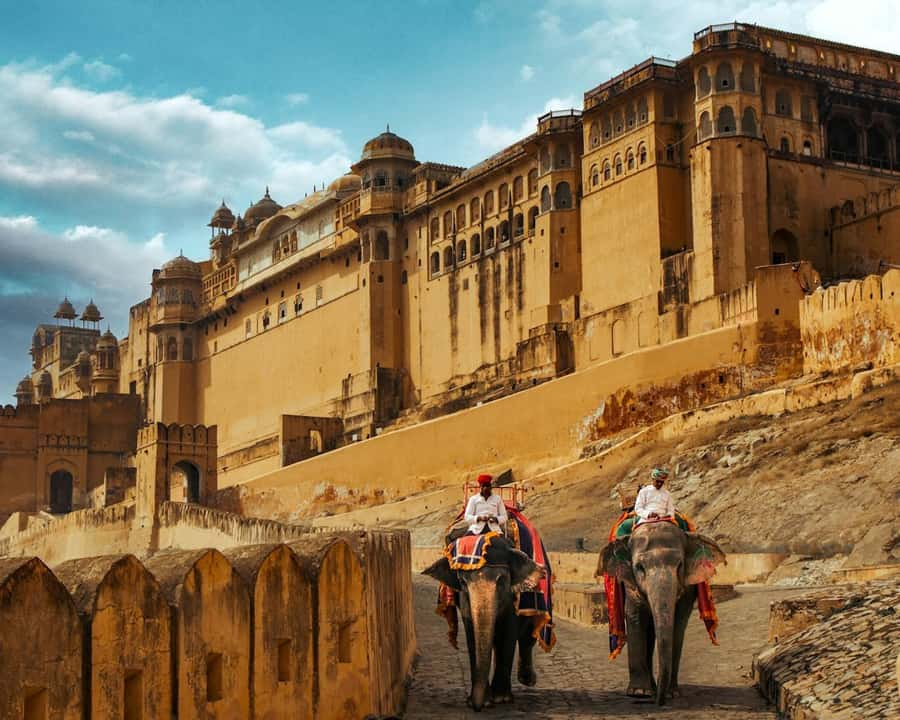
Jaipur rewards you most when you can connect the dots. This tour does that by mixing royal power, everyday design, and the math/science side of the city in a single full-day loop.
The idea is simple: you see the big silhouettes people come for, but your guide also helps you understand why they were built and how the city worked. That matters because Jaipur can look like a postcard city, until you learn what you’re actually looking at.
Getting to the monuments: private A/C transport and real timing
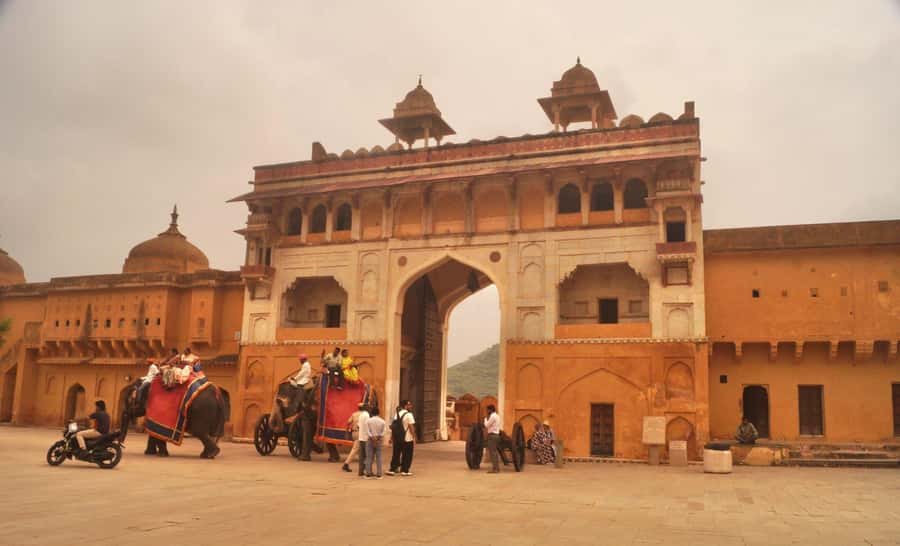
You’re moving by private air-conditioned sedan/SUV with a professional authorized guide. You also get hotel pickup and drop-off, which saves time and stress in a city where traffic and navigation can be a lot.
The itinerary gives specific on-site time blocks. Amber Fort and Palace is about 2 hours, while Panna Meena Ka Kund and Jal Mahal are around 30 minutes each, and several others get about 1 hour. That pacing is great for first-timers who want the highlights, but it does mean you’ll likely take photos, listen to key points, and keep going rather than slow-walk everything.
Amber Fort and Palace: red sandstone, white marble, and hilltop views
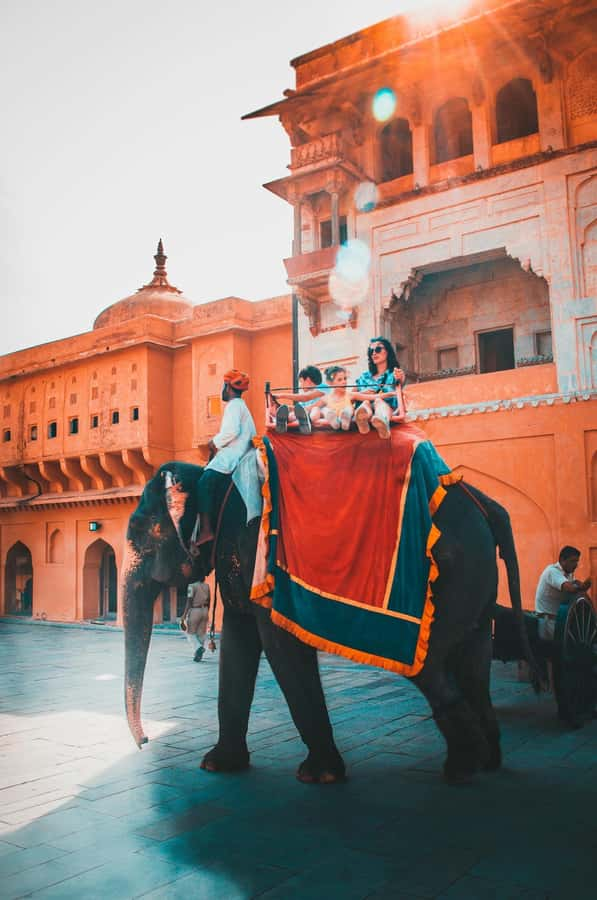
Amber Fort sits on rugged hills outside Jaipur, and it’s the kind of site that makes you understand why Jaipur’s rulers cared about visibility and control. You’re looking at a fusion of Hindu and Muslim architecture, built with red sandstone and white marble that still photographs beautifully.
Why it’s worth your time: it’s not just dramatic walls. It’s a whole royal world, and your guide’s role here is to point out what looks like pure decoration but actually signals status, craftsmanship, and cultural blending. With about 2 hours on the site, you’ll have enough time to see the main areas without feeling like you’re rushing through everything.
A small consideration: because it’s a major stop with a longer time block, it can set the tone for the day. If you’re prone to overheating, plan to pace yourself and use water breaks early.
Panna Meena Ka Kund: a 16th-century stepwell that’s pure function
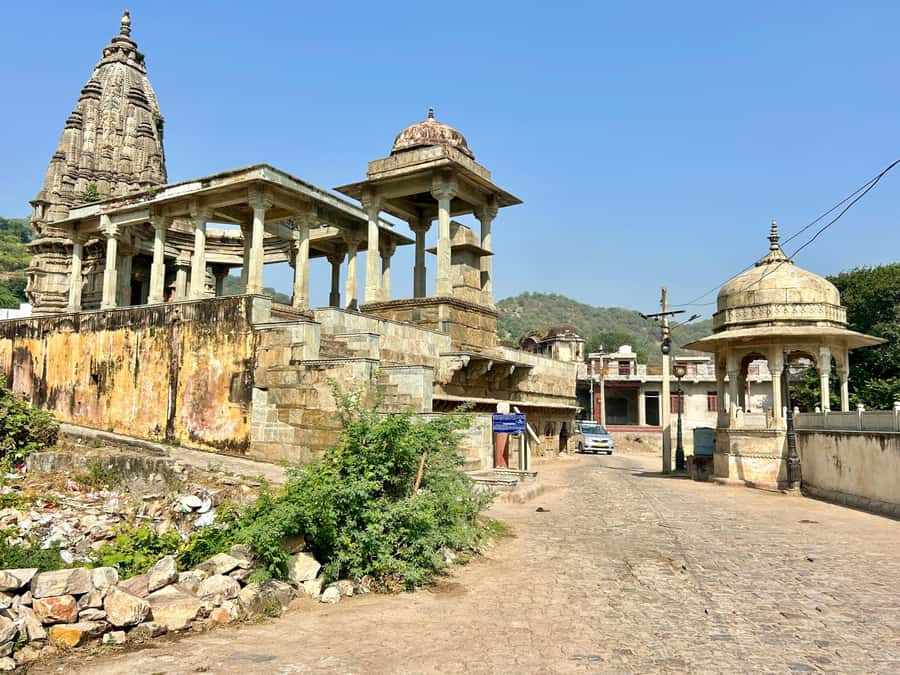
Right near Amber Fort, Panna Meena Ka Kund is a stepwell from the 16th century. What makes it special is its symmetrical stairways and the efficient way it captured rainwater.
This is one of those stops that stays interesting even if you’re tired, because it’s “engineering you can walk through.” You’ll see how design turns water management into architecture, and it’s a good contrast to the royal palaces and forts you’ve just been studying.
Since the time here is about 30 minutes, you’ll get the main visual, plus the key explanation points. If you want photos from multiple angles, arrive ready to work quickly.
Jal Mahal (Water Palace): Man Sagar Lake views and a quiet pause
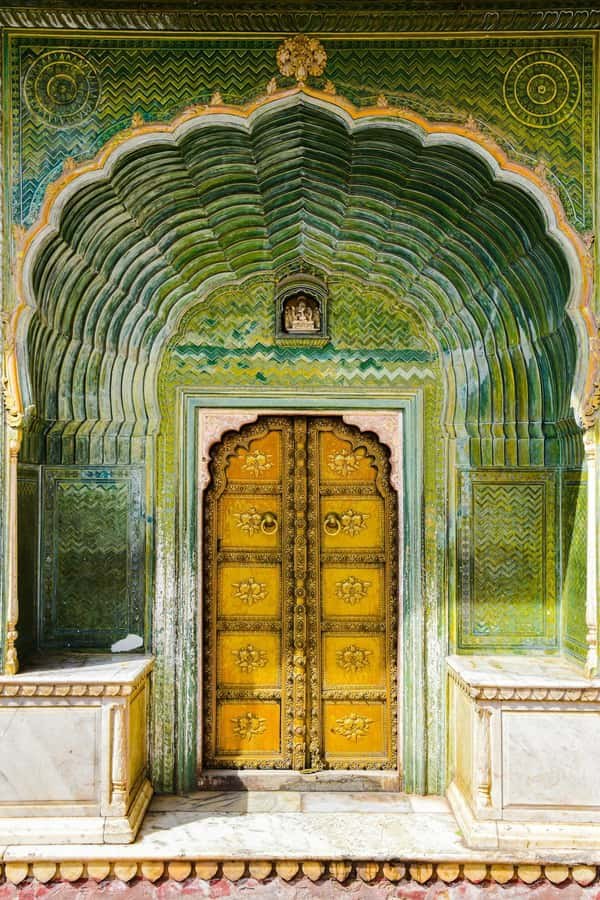
Jal Mahal is often pictured as a still-water fairy tale. This water palace sits in Man Sagar Lake and dates back to the 18th century, with a striking red sandstone structure.
The value of this stop is the change of pace. After forts and stepwells, you get a calmer setting where the lake and light do a lot of the work for you. You’ll have about 30 minutes, which is enough for a few meaningful photos and a short break before the city’s busier sights.
If your day is already warm, treat Jal Mahal like your reset button. Take the shade when you can, then head back into the city energy.
Hawa Mahal: the Palace of Winds and the idea of watching life unfold
Hawa Mahal, designed by Sawai Pratap Singh, is Jaipur’s most recognizable “facade architecture.” It’s built with tiered arches and intricate latticework screens, and the concept was to give a glimpse into daily city life.
This is a smart stop for two reasons. First, you see how design can create both beauty and practicality. Second, the latticework look helps you understand how people thought about airflow and viewing angles in daily life.
With about 1 hour at Hawa Mahal, you can appreciate the exterior form and still have time to look for the details your guide points out.
City Palace: Maharaja Jai Singh’s royal center, still very much alive
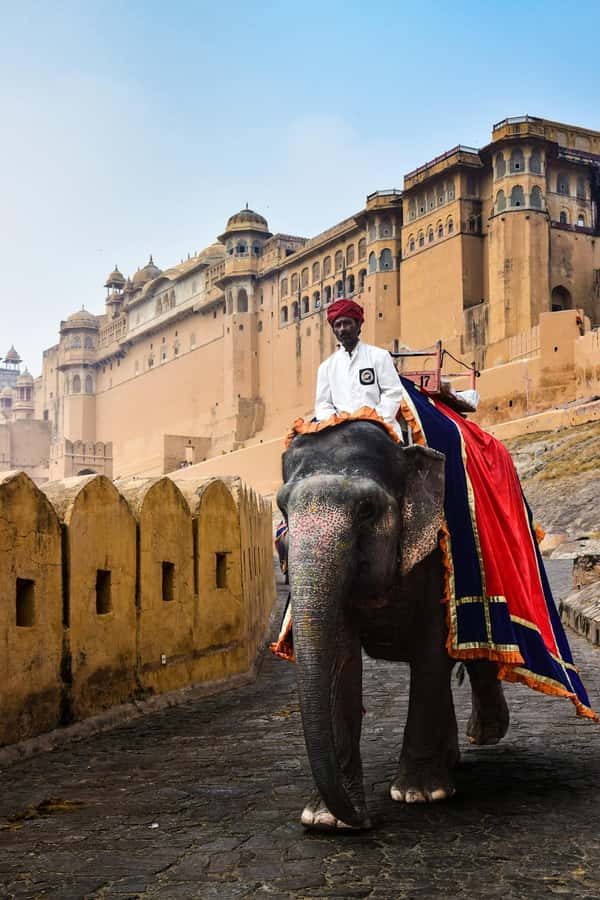
Your next big royal landmark is the Maharaja’s City Palace, built by Maharaja Jai Singh. This site is tied to the erstwhile royal family, and it helps you connect how Jaipur’s rulers lived, governed, and showcased power.
What makes it more than just another palace stop is how it fits into the city’s story. You’re moving from iconic landmark architecture into the place where royal authority was organized and displayed.
With about 1 hour, you’ll likely get the major sections and the guiding context you need to understand what you’re seeing.
Jantar Mantar: nine lives of stone instruments, including the sundial
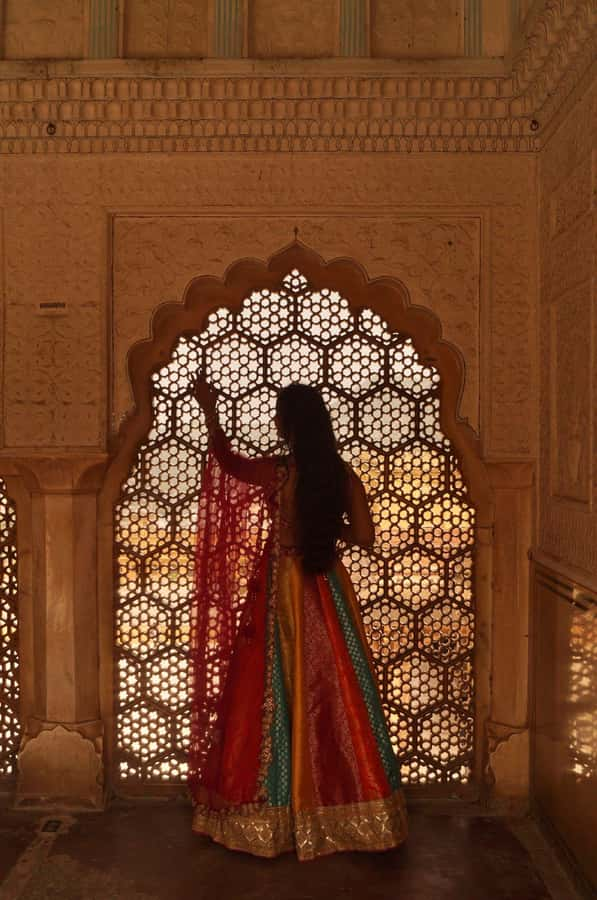
Jantar Mantar is where Jaipur shows its scientific side. This UNESCO World Heritage site features nineteen astronomical instruments, built by Rajput king Sawai Jai Singh.
One highlight your guide can explain clearly is the world’s largest stone sundial. But even beyond that, the bigger point is this: the instruments are built for observation and measurement, not for decoration. You get to watch how astronomy became practical design, then compare it to how we think about time and the sky today.
Plan for about 1 hour here. If you like hands-on learning, ask your guide to explain how you’re supposed to read what you’re seeing from the instrument layout.
Royal Gaitor Tumbas: carvings, temples, and a pilgrim’s kind of quiet
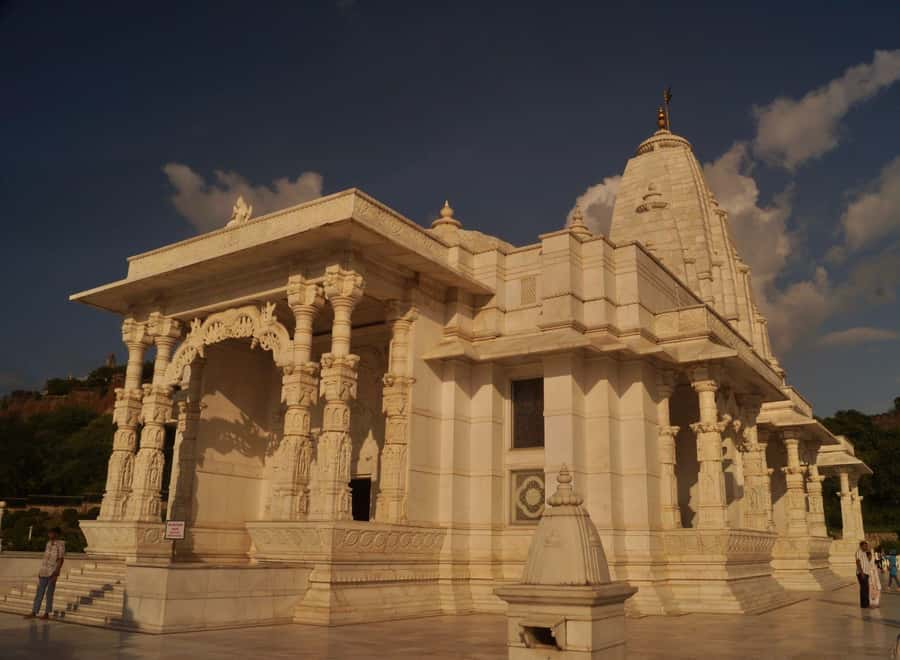
The Royal Gaitor Tumbas are an 18th-century complex known for intricate carvings and dedicated temples. This is also a pilgrimage spot for Hindu devotees, which changes the feel of the site compared to forts and palaces.
The visit is about more than architecture photos. It’s about recognizing that Jaipur’s royal structures weren’t separated from spirituality. Your guide’s explanation can help you see the link between memorial spaces, religious practice, and artistic detail.
You get about 1 hour here, which is a good window for both understanding and respect-setting time.
The guide can make or break the day (and here, that matters)
The tour is built around a professional authorized guide, and the best days are the ones where the guide helps you interpret what you’re looking at.
From the experience reports I’ve seen with guides such as Raj and Shakeer, two strengths show up again and again:
- They explain the city so it feels logical, not random.
- They help with practical moments like picture-taking and how to pace the day.
In one case, the driver also handled the pickup in a less obvious city spot and added quick context on the monuments along the way. That kind of attention can save you from feeling lost or missing details.
If you want the maximum value, try asking for one thing at each stop:
- Amber Fort: what should I notice first in the architecture?
- Panna Meena Ka Kund: what’s the main water trick here?
- Jantar Mantar: how do these instruments relate to the sky?
Comfort and value: what you’re really paying for at this price
The price shown is $2.72 per person, with hotel pickup/drop-off, private A/C transport, parking fees, fuel, professional authorized guide, and bottled water included.
That’s the key value: you’re paying for organized movement plus interpretation. In Jaipur, the cost of doing this on your own can creep up fast once you add private transport, time lost to navigating, and the fact that many people end up wanting a guide anyway once they hit Jantar Mantar and the fort architecture.
Two notes to keep it realistic:
- Monument admission fees are not explicitly listed here, so it’s smart to confirm what’s included in the total day cost.
- A/C comfort and a private vehicle are part of the value, especially in hot or bright conditions.
Even with a busy itinerary, the “you don’t have to figure it out” factor is what tends to make these days feel worth it.
Who this tour fits best
This is an excellent fit if you:
- Want a strong first-timer overview of Jaipur’s biggest UNESCO and iconic landmarks
- Like structure: you get timed stops and a plan, not a free-for-all
- Want a guide who can connect architecture to meaning, including the science side at Jantar Mantar
- Prefer privacy and comfort with hotel pickup and A/C transport
It might be less ideal if you:
- Want long, slow visits at each site (some stops are only 30 minutes)
- Need accommodations not suited to the tour limits; it’s explicitly noted as not suitable for pregnant women
Should you book this Jaipur Pink City heritage tour?
Book it if you want your Jaipur day to feel organized, comfortable, and informative, without spending extra energy on logistics. The combination of Amber Fort, Hawa Mahal, City Palace, and Jantar Mantar is a strong lineup, and the guide component is what turns the “see it” list into “understand it” memory.
Skip it if your travel style is slow and you hate time limits. For that, you’d probably want a longer, more flexible pace at fewer stops.
If you do book, come with one goal: at least one question you want answered at Jantar Mantar and one detail you want to spot at Amber Fort. That’s how the day clicks.
FAQ
What’s included in the Jaipur tour package?
It includes hotel pickup and drop-off, transportation in an air-conditioned sedan/SUV, a professional authorized guide, parking fees, fuel, and bottled water.
How do I get to the monuments during the tour?
You’ll travel in a private air-conditioned sedan/SUV with the guide, so you’re not coordinating local transit on your own.
Which sites are visited during this full-day itinerary?
The tour includes Amber Fort and Palace, Panna Meena Ka Kund, Jal Mahal, Hawa Mahal, City Palace, Jantar Mantar, and the Royal Gaitor Tumbas.
How much time is planned at each main stop?
Amber Fort and Palace is about 2 hours. Panna Meena Ka Kund is about 30 minutes, Jal Mahal about 30 minutes, and Hawa Mahal, City Palace, Jantar Mantar, plus Royal Gaitor Tumbas are about 1 hour each.
What languages can the guide speak?
The guide is listed as available in English, French, German, Italian, Spanish, Japanese, and Russian.
What should I bring for the tour?
Bring your passport or an ID card. A copy of the passport is accepted.
Is the tour suitable if I’m pregnant?
No. The tour is not suitable for pregnant women.
Are weapons or sharp objects allowed?
No. Weapons or sharp objects are not allowed.
Is there a pay-later option, and what about cancellation?
You can reserve and pay later, meaning you can book and pay nothing today. If you cancel up to 24 hours in advance, you get a full refund.