REVIEW · SELCUK
Kusadasi: Ephesus Ancient City, Ceramic Workshop & Shopping
Book on GetYourGuide →Operated by Moira Travel Agency · Bookable on GetYourGuide
Ephesus hits hard even on a short trip. This tour blends a walk through a UNESCO World Heritage site with hands-on stops for Turkish crafts—ceramics, carpets, and leather—so you leave with both photos and ideas for what to buy (or skip). On my outing, the guide, Memet, kept the story moving with clear explanations and lots of small details as you move from one ruin to the next.
Two things I like a lot are the steady pacing and the chance to see crafts being made, not just displayed. Memet also adjusted to the heat and comfort level of the group, which matters when you’re walking ruins in the sun. The main thing to consider is that the shopping stops can feel like pressure, especially if you’re not in a buying mood—so go in ready to browse, compare, and negotiate.
In This Review
- Key highlights worth your time
- From Kusadasi Cruise Pier to Ephesus in 4.5 hours
- Entering Ephesus: the ruins you actually want to see
- Heat management and comfort: why pacing is part of value
- Ceramic workshop stop: see the work, then decide what to buy
- Turkish carpet shop: how hand-weaving affects what you pay
- Leather shop browsing: jackets, bags, and the art of negotiating
- Shopping time without losing the day
- What to bring (and what to leave behind)
- Price and value: is $16 fair?
- Who this tour suits best
- Should you book Kusadasi: Ephesus, Ceramics, Carpets, and Leather?
- FAQ
- How long is the tour?
- Where do we meet for the tour?
- What’s included in the price?
- Are Ephesus entrance fees included?
- Does the tour include meals and drinks?
- What language is the guide?
- Is there free time for shopping?
- What should I bring, and what is not allowed?
Key highlights worth your time
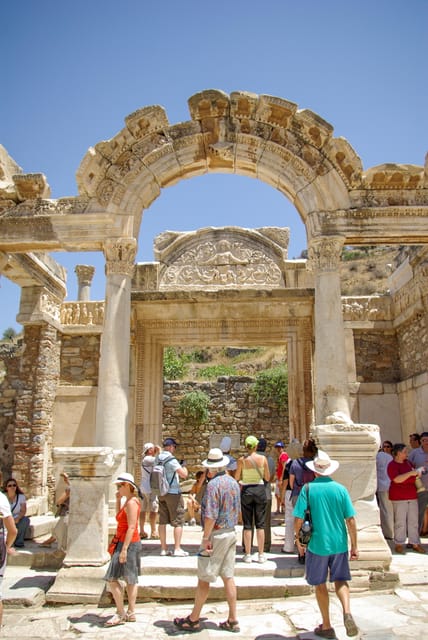
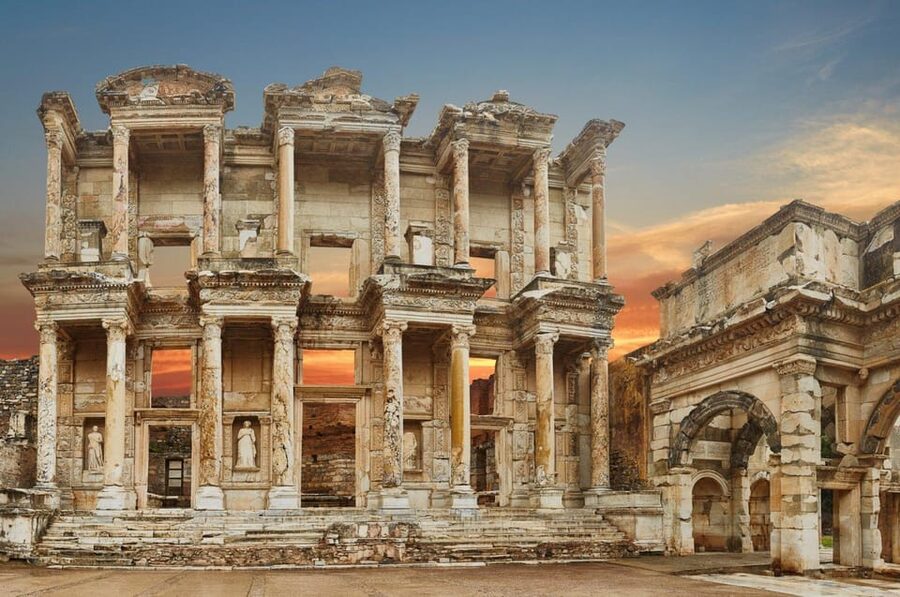
- Ephesus UNESCO ruins: You’ll see major sights like the old theater, Celsus Library, and Temple of Hadrian (entrance fees not included).
- Ceramic workshop with artisans at work: Watch the process and shop for handmade pieces.
- Carpet shop focused on hand-weaving: You’ll learn how patterns are created and what goes into a made-to-order rug.
- Leather shop with lots of everyday items: Jackets, bags, wallets, and more, in addition to traditional souvenirs.
- Shopping time built in: You get free time for local products and handmade jewelry, not just a quick stop-through.
- Skip-the-ticket-line option: The tour helps you avoid the slow entrance queue once you’re at Ephesus.
From Kusadasi Cruise Pier to Ephesus in 4.5 hours
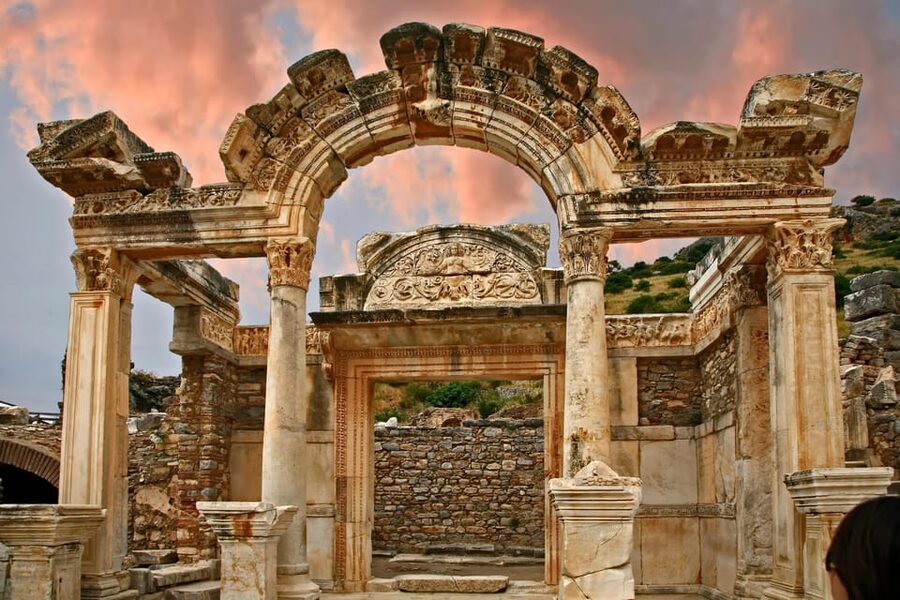
This is the kind of tour I like for cruise days or tight schedules: you’re out the door from the Kusadasi cruise pier, then you’re in Ephesus fast enough to make the ruins feel like the main event. The total time is about 4.5 hours, and that includes transportation by van plus time for guided walking and shop visits.
The driving portion matters more than people think. When you’re limited on time, a direct van transfer keeps the day from turning into a bus ride that eats your daylight. You also spend a set amount of time walking around Ephesus, which is enough to see the highlights without forcing you into a full-day endurance plan.
If you’re trying to fit Ephesus into a port stop, this format is practical: meet at the pier, get your bearings with a guide, then handle shopping and souvenirs without needing to plan transit on your own.
You can also read our reviews of more city tours in Selcuk
Entering Ephesus: the ruins you actually want to see
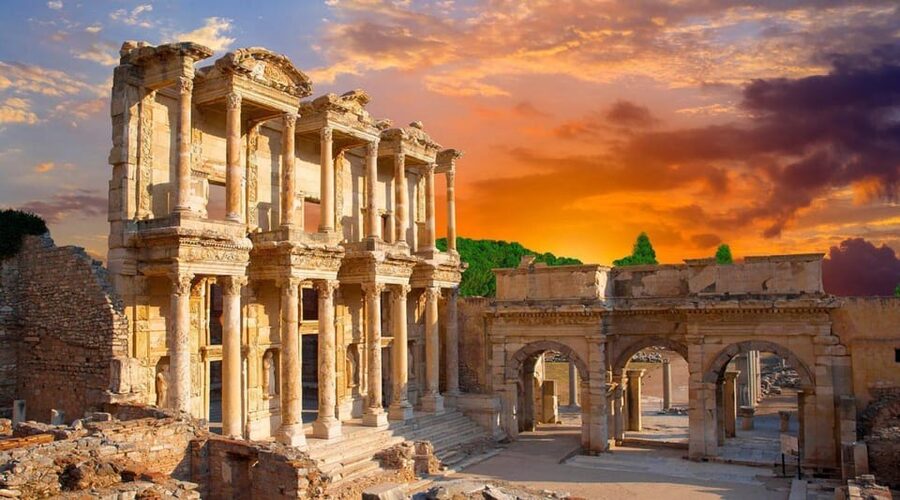
Ephesus is the big draw, and the tour focuses on the stops most visitors come for. Expect a guided walk through key ruins, with time to look closely rather than rushing like you’re in a checkout line for monuments.
Some of the specific places you’ll cover include:
- The Old Theater, where you can get a feel for how performances and crowds once worked in the city
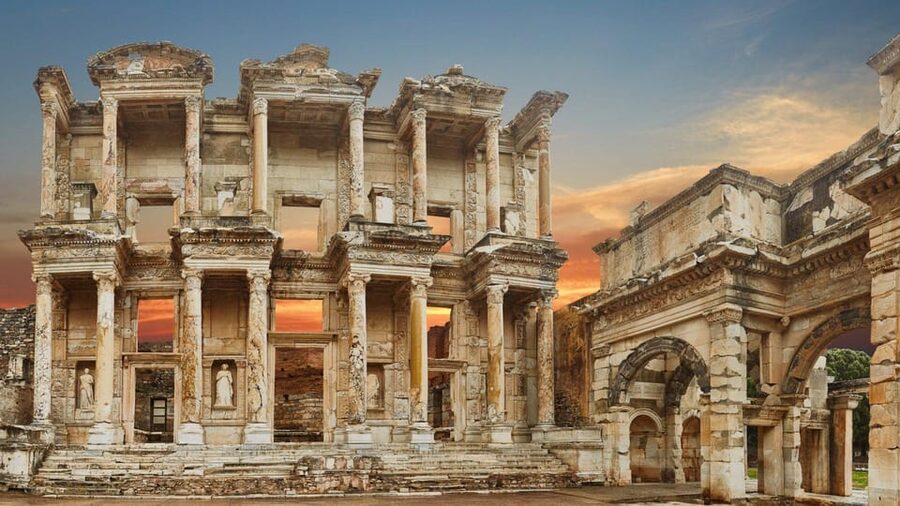
- Celsus Library, one of the iconic façades of Ephesus (great for photos)
- The Temple of Hadrian, another anchor point for understanding the city’s layout
There are also additional significant ruins you’ll pass and learn about along the way, which is where a good guide earns their fee. Memet’s approach worked well for me: short explanations tied to what you can see right then, so it doesn’t turn into a lecture with no payoff.
One practical note: entrance fees to Ephesus are not included. The tour can help with the ticket line (so you spend less time waiting), but you should still budget for entry. It’s worth it, because Ephesus isn’t a quick roadside photo spot—it’s a full walking site.
Heat management and comfort: why pacing is part of value
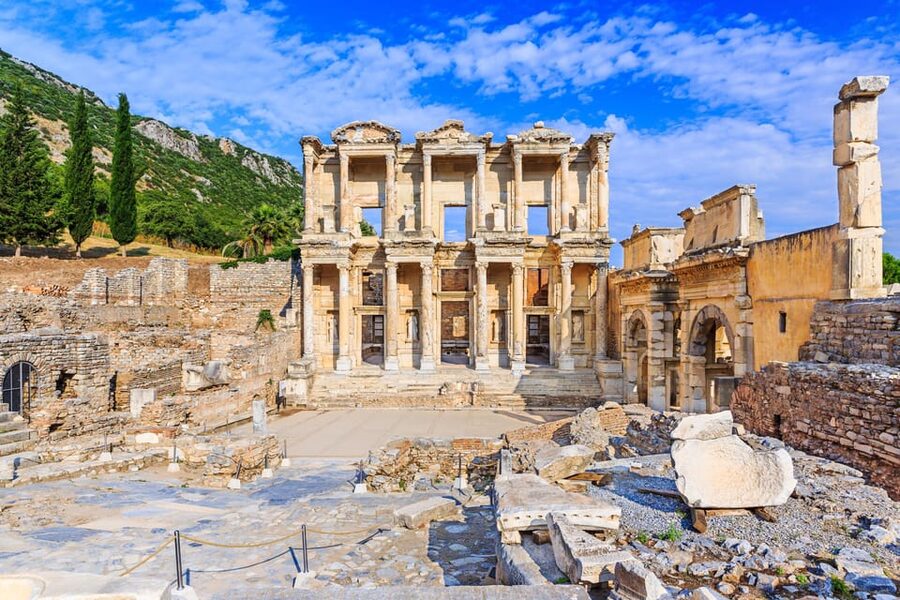
Ephesus is exposed. Even if the ruins are fascinating, the experience can go downhill fast if you’re baked in the sun. A real advantage here is that the guide is tuned to time and comfort levels, at least based on what happened on my day with Memet.
This matters because a 4.5-hour tour is a balancing act. Too short, and you miss the good stuff; too long, and everyone suffers. The tour lands in the middle: enough guided time for context, plus enough breathing room for the shopping stops.
My advice: wear shoes you can stand in for a while, and plan to move slowly through the busiest stone stretches. If you rush, you’ll miss details—and you’ll also feel it more in your feet.
Ceramic workshop stop: see the work, then decide what to buy
After Ephesus, you’ll head to a ceramic workshop where artisans work in front of you. This isn’t just a showroom. The point is to see the craft being done and understand what makes a piece more than a generic souvenir.
What to look for:
- Variations in color and glaze finish (these are often the real tell)
- Details in decoration and how cleanly designs are applied
- How the maker handles the pieces—small movements can hint at the level of care
Then comes the part where you’ll want to stay sharp: you’ll have a chance to shop for handmade ceramics. If you like ceramics, it’s a fun stop because you can connect the product to a real process. If you’re not a ceramic person, treat it as browsing practice and walk out if you don’t like the price or quality.
Also, keep your packing strategy in mind. Ceramics can be fragile and take space, so think about how you’ll transport it from the port back home.
Turkish carpet shop: how hand-weaving affects what you pay
Next up is the carpet shop, where the focus is on hand-weaving and patterns. This stop can feel confusing at first because carpet sales happen fast and marketing is everywhere, but the tour’s angle is helpful: you get an explanation of the process and the pattern logic.
Here’s how to think about it as a buyer:
- A rug is not just decoration. The construction and weaving technique influence durability and how a pattern holds together.
- Patterns can look similar from a distance, but the details matter up close.
- If you’re considering a custom carpet, remember that lead time and material choices can affect cost.
The tour also gives you options: you can order a custom-made carpet if you’re ready, or buy a ready-made rug. My practical take is simple—don’t decide on the spot unless you’re confident about size, style, and the real price. If you’re unsure, ask questions, look at the weave, and compare before you commit.
And yes: this is another place where you may feel sold to. The right move is to stay polite, be firm, and negotiate when you do want to buy. If you don’t, you can still learn from the process and move on.
Leather shop browsing: jackets, bags, and the art of negotiating
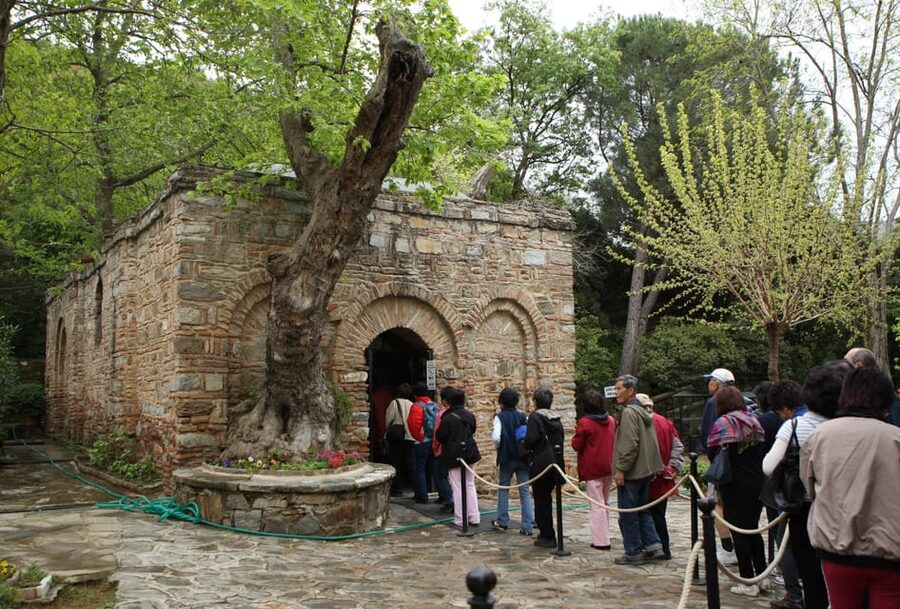
Then you’ll hit the leather shop, and it’s a wide world of products—jacket styles, bags, wallets, and other leather goods. Even if you’re not buying, it’s worth seeing what’s actually made and sold locally, because the range is usually broader than you expect.
What I recommend:
- Try to define what you want before you arrive (one item type, one budget range).
- Check stitching and hardware quality as well as leather feel.
- If you want a deal, negotiate. This is normal in this kind of setting.
The shopping stops are where people either feel thrilled or annoyed. In my case, the leather portion worked best when I treated it like browsing with the option to buy only if the value matched the price. If it didn’t, I didn’t need to justify walking away.
Shopping time without losing the day
One of the most useful parts of this tour is that shopping time isn’t limited to one rushed minute. You’ll have free time for shopping for local products, handmade jewelry, and souvenirs.
That free time is what makes the tour work for real people. You’re not forced into buying a specific thing at a specific minute; you can use it to:
- Pick up small souvenirs you can carry easily
- Compare items across the craft stops
- Decide whether your budget belongs to ceramics, a rug, leather, or none of the above
If you hate shopping pressure, go in with a plan: pick one category you might buy, and keep the rest as optional. The second plan is even better—set a hard cap for spending and stick to it.
What to bring (and what to leave behind)
You’ll do a lot of walking, so come prepared. This is not a “sit and observe” day.
Bring:
- Comfortable shoes
- Hat and sunscreen for sun protection
- Water (hydration is non-negotiable)
- Camera (Ephesus is photo-friendly)
- A willingness to take your time
Not allowed:
- Smoking
- Flash photography
A small tip: keep water accessible during the day. If you wait until you feel thirsty, you’ll end up slowing down and rushing later.
Price and value: is $16 fair?
At $16 per person for a guided half-day with van transport and craft stops, this tour can be strong value—especially if Ephesus is your priority. The reason is simple: you’re getting the structure (transport + guide) plus several planned cultural stops, which would cost you time and effort if you tried to do it on your own.
But value depends on one thing: entrance fees to Ephesus are not included. So your true day cost is $16 plus Ephesus entry. Still, the skip-the-ticket-line help can reduce wasted time, which is part of value on a cruise schedule.
Also, the shopping stops affect perceived value. If you buy nothing, you’re paying for guidance and craft viewing, and that can still feel worthwhile. If you do buy, be sure you’re comparing quality and negotiating, because the best deals usually come from customers who take their time.
Who this tour suits best
This works best if you want:
- A guided, fast-paced Ephesus highlights experience
- Craft stops where you can see ceramics, carpets, and leather in action
- A day that mixes culture with shopping flexibility
It may not be ideal if you:
- Hate negotiating and feel stressed by sales pressure
- Want a more purely archaeological day with minimal retail time
- Have difficulty with walking, steep paths, or uneven surfaces
Even though the tour notes wheelchair accessibility, it also states it’s not suitable for wheelchair users and people with mobility impairments. My takeaway: if mobility is a concern, you should treat this as a walking-heavy day and confirm details before booking.
Should you book Kusadasi: Ephesus, Ceramics, Carpets, and Leather?
Book it if you’re the type who likes seeing the big Ephesus sights plus learning a bit about how Turkish crafts are made—and you’re okay with a shopping rhythm that comes with these stops. With a guide like Memet, the tour can feel efficient and informative without dragging.
Don’t book it if you only want ruins, no retail stops, and you’re strongly bothered by pressured selling. In that case, you’ll probably want a tour that focuses strictly on Ephesus and skips the craft shops.
If you do book, go in with two rules: comfortable shoes first, and shop with a budget ceiling. You can still enjoy the day even if you buy nothing.
FAQ
How long is the tour?
The tour lasts about 4.5 hours total.
Where do we meet for the tour?
You meet at the Kusadasi Cruise Pier.
What’s included in the price?
Included are van transportation, a live English tour guide, visits to a ceramic workshop, a carpet shop, and a leather shop, plus free time for shopping.
Are Ephesus entrance fees included?
No. Entrance fees to Ephesus are not included, though the tour provides skip-the-ticket-line.
Does the tour include meals and drinks?
No. Meals and drinks are not included.
What language is the guide?
The live tour guide is in English.
Is there free time for shopping?
Yes. You’ll have free time for shopping for local products, handmade jewelry, and souvenirs.
What should I bring, and what is not allowed?
Bring comfortable shoes, a hat, a camera, sunscreen, and water. Smoking is not allowed, and flash photography is not allowed.