REVIEW · LEH
Leh Ladakh Old Town Heritage Walk
Book on Viator →Operated by Ladakh Backpackers · Bookable on Viator
Leh’s Old Town tells its story on foot. I love how this heritage walk threads through restored lanes with a guide who helps you avoid the easy-to-make wrong turns, and I love the finish at Leh Palace for wide valley views. One thing to plan for: monument fees and lunch are not included, so your real day budget is a bit higher than the base price.
This is a private tour that’s flexible to your interests, and the guide quality is a big part of the appeal. Reviews often mention Fida (the manager) as a walking encyclopaedia with a PhD in historical anthropology, and Norboo gets praise for connecting the details to the bigger story of Ladakh.
In This Review
- Key Points I’d Pay Attention To
- Why a Guided Old Town Walk Makes Sense in Leh
- Starting at Jamia Masjid: The Route Begins Where Local Life Shows Up
- Chutey Rantag and Baker’s Street: Getting the Old Town Feel Fast
- Central Asian Museum: Trade, Movement, and Ladakh’s Connections
- Leh Gate: A Landmark You Can Read Like a Story
- LAMO in the Old Town: Culture Where It’s Lived, Not Just Displayed
- Walking the Old Town’s Restored Lanes: Why “Restored” Matters
- Leh Royal Palace Finish: The Views Pay Off
- Price and Value: What $45.67 Really Buys
- Logistics That Matter: Group Setup, Mobile Tickets, and Timing
- What This Tour Feels Like Day-to-Day
- Who Should Book This Walk (and Who Might Skip It)
- Should You Book Leh Ladakh Old Town Heritage Walk?
- FAQ
- How long is the Leh Ladakh Old Town Heritage Walk?
- What is included in the $45.67 per person price?
- Are monument fees included?
- Is lunch included?
- Does the tour include bottled water?
- Is this a private tour?
- Where does the tour start and end?
- What are the opening hours?
- Do I need a mobile ticket?
- What happens if the weather is poor or the minimum number of travelers isn’t met?
- What is the cancellation policy?
Key Points I’d Pay Attention To
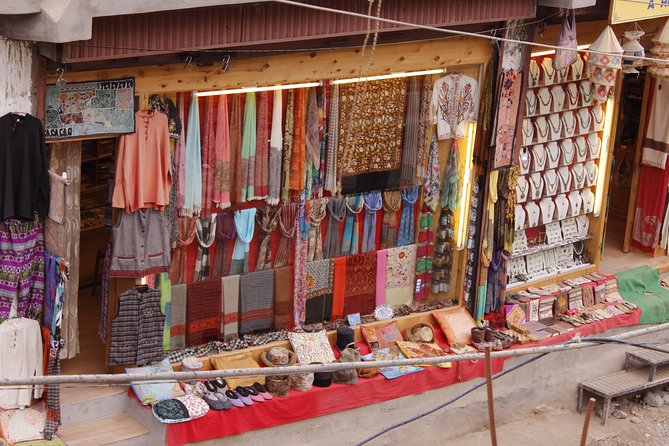
- A true walking route through Leh’s narrow Old Town lanes, with a guide to keep you oriented
- Stops that match the story, from Central Asian Museum to Leh Gate to LAMO
- Private, customizable pacing, so you can lean historical or practical depending on your mood
- A strong guide draw, with names like Fida and Norboo repeatedly showing up in feedback
- Leh Palace at the end, where the walk lands with big views over the valley
- What’s extra is clearly spelled out: monument fees, lunch, and bottled water
Why a Guided Old Town Walk Makes Sense in Leh
Leh’s Old Town isn’t laid out like a textbook. It’s old, tight, and layered, which is exactly why a guided walk works so well here. You’re not just seeing buildings—you’re moving through the kinds of narrow passages where it’s easy to lose the thread (and sometimes your way).
What I like about this experience is that it’s built for actually getting around on foot while still hitting key places. Instead of hopping in and out of vehicles all day, you get a steadier rhythm: walk, pause, look closer, then walk again. That’s the best way to understand how Leh’s Old Town sits beneath and around the landmarks that shaped it.
The other reason this route is smart is the guide focus. A good guide doesn’t just name places. They explain why they matter—like how this old settlement served as a main base below the encircling Leh Palace. Once you hear that framing, the streets and buildings feel more connected.
Starting at Jamia Masjid: The Route Begins Where Local Life Shows Up
The meeting point is the Jamia Masjid area, at the 2nd floor of the MEGON complex on Main Bazaar Road. It’s a practical choice: you’re starting close to the heart of Leh’s daily movement, not in some far-off pickup spot.
From there, you move into the Old Town experience in a way that avoids that common first-day travel problem: you arrive, you’re curious, and then you spend the next hour backtracking because you picked the wrong lane. With a guide, you get a plan immediately.
Also, since the tour runs within set opening hours (Monday through Sunday, 10:00 AM to 4:00 PM), you can coordinate it with the rest of your day. If you’re arriving in Leh and want something cultural that doesn’t require complex logistics, this kind of start point helps.
Bring the simple stuff: comfortable shoes for walking, and a bit of patience for street-level exploring.
Chutey Rantag and Baker’s Street: Getting the Old Town Feel Fast
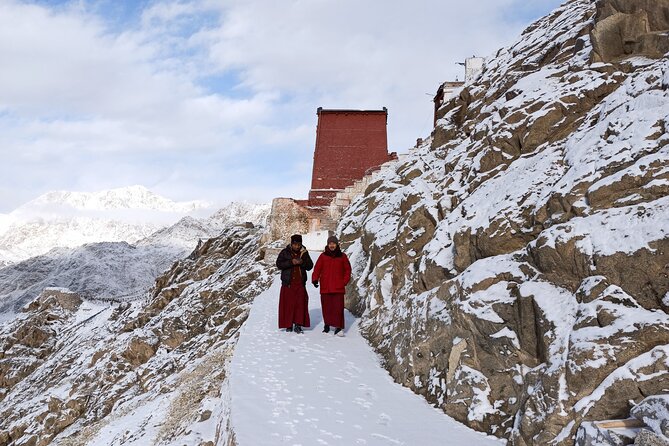
The walk starts from Chutey Rantag and heads through Baker’s Street before you settle into the major stops. This early phase matters more than it sounds, because it sets your internal map.
Instead of going straight to big-ticket sights, you get orientation first: you learn how the Old Town connects, where the corridors narrow, and which lanes feel like they flow toward the story’s center. It’s the difference between sightseeing and actually understanding the layout.
You also get the chance to notice smaller details that don’t show up in a quick photo stop. Leh’s Old Town has been restored extensively over time, and that restoration changes the way streets feel. When the lanes have been renewed, they can be easier to read—almost like the town is showing you its structure more clearly than if everything were in full ruin.
This part of the walk is where you’ll feel the benefit of having a real-time guide. If the streets are busy, if signage is limited, or if the route makes a quick turn, a guide helps you keep your attention on what you’re seeing.
Central Asian Museum: Trade, Movement, and Ladakh’s Connections
One of the stops is the Central Asian Museum. Even without over-exaggerating it, this is a smart choice for understanding Ladakh. Ladakh didn’t develop in a vacuum. Its connections shaped everything—from objects and ideas to how communities formed and adapted.
What you’ll get on the museum stop is the narrative glue that makes later sights make more sense. When a guide ties objects and stories back to how people lived and traveled, it transforms the museum from a building you pass into a place that explains the wider region.
A nice side benefit here is pacing. After walking through old lanes, stepping into a museum-style stop gives you a mental reset. You’re still learning, but the environment helps you slow down and absorb.
If you’re the type who likes history when it’s tied to real places, this is one of the best points on the route.
Leh Gate: A Landmark You Can Read Like a Story
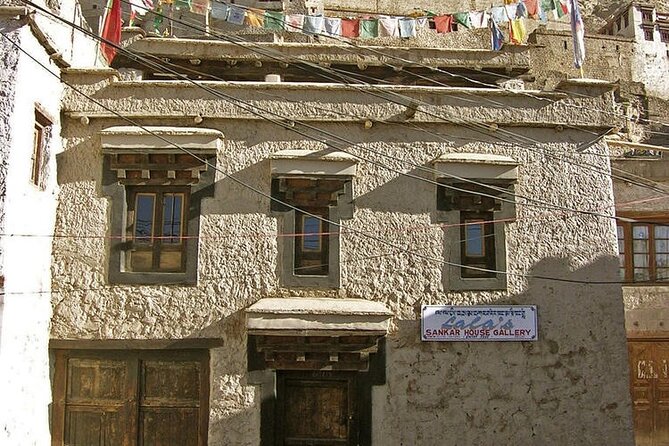
Leh Gate is one of the next anchors on the walk. Gates often do one job well: they show you the edge of a place and the logic of movement. In Old Towns, that logic can be physical—where people entered, where goods moved, where control or defense mattered.
With a guided walk, Leh Gate becomes more than a photo stop. It becomes a marker you can mentally place along the route. You start seeing how the Old Town’s layout relates to bigger structures—especially the Palace area that frames the end of the experience.
This is also a good place to ask yourself what you’ve noticed so far. Are you seeing patterns in the street alignment? Do the buildings feel clustered around certain sightlines? A guide’s explanations help you connect your observations to the bigger historical picture.
LAMO in the Old Town: Culture Where It’s Lived, Not Just Displayed
You’ll also visit LAMO, the Ladakh Arts and Media Organisation. This stop shifts the day from “only past” to “past meeting present,” which is exactly what you want on a heritage walk.
Arts and media spaces tend to show local culture through living work—ideas, storytelling, and creative output. On a walk that started in restored Old Town lanes, it gives you continuity. You’re not just looking at old walls; you’re seeing the kinds of cultural energy that still operate in Leh.
It’s also a practical kind of stop. If you’ve been walking for a while, you get a chance to sit with the story for a bit. If you’re traveling with a wider age range in your group, this kind of stop can help balance the day so it doesn’t feel like nonstop movement.
Walking the Old Town’s Restored Lanes: Why “Restored” Matters
The Old Town section is described as extensively restored, and that’s a detail worth taking seriously. Restoration changes how you read the town. It can make edges clearer, show street structure more distinctly, and help you visualize how the settlement once worked as the main base below Leh Palace.
When you walk through restored streets with a guide, you’re not just watching architecture. You’re practicing historical reading—learning how the environment was shaped for daily life.
One more thing: restored Old Town lanes can be more comfortable to explore than fully unmaintained areas, but they still stay narrow. That’s why this tour leans on having a guide. You’ll spend less time worrying about where you are and more time paying attention.
This is the stretch where you’ll most appreciate that the tour helps you avoid getting lost in narrow passages.
Leh Royal Palace Finish: The Views Pay Off
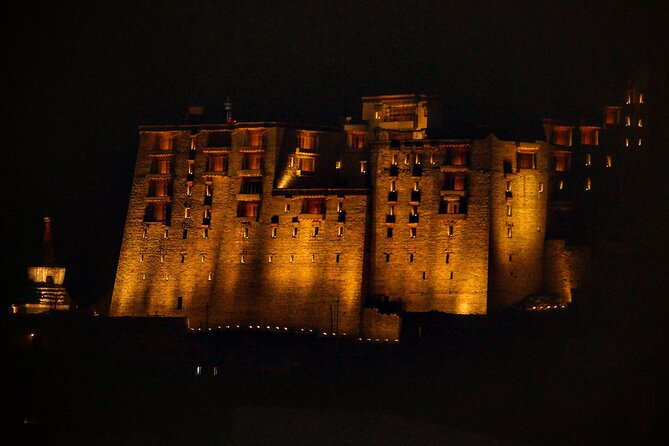
The tour ends with a full tour of the centuries old Leh Palace, with sweeping views over the valley. If you like a strong finish, this is one.
There’s a logic to ending here: you start in the Old Town settlement areas and then rise to the landmark that helped define the town’s historical center. By the time you reach the Palace area, the earlier stops stop feeling random. The route starts to feel like a single story told in steps.
Also, the view component matters. The valley views turn the walk from “interesting information” into “I get the geography.” You can see why people built and settled where they did, and why the Palace area holds attention.
Just remember: this is still part of a walking day. Plan to move steadily, and give yourself a moment to enjoy the view rather than sprinting through the last part.
Price and Value: What $45.67 Really Buys
At $45.67 per person for about 3 hours, this is priced like a guided cultural walk, not a “everything included all day” package. That’s not a bad thing. It’s actually often the best way to travel: you pay for the guide and the route, and you keep control over additional costs.
Here’s what’s included:
- A cultural tour guide
And here’s what’s not included:
- Monument fees
- Lunch
- Bottled water
- Private transportation
So the real value equation is simple. If you want a competent guide to connect the streets to Ladakh’s bigger history and you’re okay handling your own meals and any entry charges, you’ll likely feel this is good value.
If you’d rather have every cost handled up front, you might find the extra fees and lunch add-ons a little annoying. Still, at least the tour makes those extras clear.
One practical tip for budgeting: bring some extra cash for monument fees and plan your lunch separately so you’re not rushed at the end.
Logistics That Matter: Group Setup, Mobile Tickets, and Timing
This is a private tour/activity, meaning only your group participates. That matters on a walking route because you get a more flexible pace and a smoother experience if your group has different interests or energy levels.
You’ll also have a mobile ticket. That’s convenient in a place where you might be juggling plans and needing quick access to booking details.
The tour is offered between 10:00 AM and 4:00 PM daily. If you’re planning it around other activities (like monastery visits or museum time), choose a slot that leaves you buffer before dinner. After a 3-hour walk, you’ll want breathing room.
It’s also near public transportation, so you’re not locked into a taxi-only plan. The tour does not include private transportation, so you’ll want to handle getting to the meeting point on your own.
Finally, there’s a weather factor. The experience requires good weather. That’s not just “nice to have” here—walking Old Town routes and doing Palace-area viewing works far better when conditions are friendly.
What This Tour Feels Like Day-to-Day
This experience is best suited to mobile travelers since it’s a walking tour. The structure is also customizable to your needs, which means you can shape your day within reason—leaning toward history if you love stories, or toward photos and pacing if you want it slower.
If you’re someone who likes being part of a small, guided narrative rather than checking items off a list, this route will click. It’s an offbeat heritage walk around Leh town, centered on how centuries of settlement shaped the present Old Town.
And the guide element isn’t just marketing. In feedback, Fida stands out as an example of high-level expertise, and Norboo gets called out for turning details into a coherent picture of Ladakh. If you want your route explained in plain language, this is the kind of tour that supports that style.
Who Should Book This Walk (and Who Might Skip It)
This tour is a good fit if:
- You want a cultural walk through Leh’s Old Town without getting lost
- You like learning history through real streets and specific sites (not just general facts)
- You want a private guide who can adapt to your pace
- You plan to finish with Palace views
You might choose something else if:
- You hate walking for 3 hours total (even at a reasonable pace)
- You want an itinerary with no extra ticket costs at monuments
- You’re traveling when weather is unpredictable and you don’t have flexibility
Should You Book Leh Ladakh Old Town Heritage Walk?
I’d book this if you want a tight 3-hour heritage experience with a guide who makes the town make sense—especially the Old Town-to-Palace storyline. It’s not only about seeing sights; it’s about learning how Leh’s settlement grew and how restoration lets you read that story today.
If you do book, plan for the extras (monument fees and lunch). Also, wear shoes you trust and keep your schedule flexible for weather, since the tour depends on good conditions.
If you’re in Leh and want one guided walk that blends history, culture, and actual geography, this is the kind of choice that saves time and adds meaning.
FAQ
How long is the Leh Ladakh Old Town Heritage Walk?
The tour lasts about 3 hours.
What is included in the $45.67 per person price?
The guide is included. Entry fees, lunch, and bottled water are not included.
Are monument fees included?
No. Monument fees are not included.
Is lunch included?
No. Lunch cost is extra.
Does the tour include bottled water?
No. Bottled water is not included.
Is this a private tour?
Yes. Only your group will participate.
Where does the tour start and end?
It starts at the Jamia Masjid, Leh District, Ladakh (2nd Floor, MEGON complex, Main Bazaar Rd, Leh). It ends back at the meeting point.
What are the opening hours?
The activity runs Monday through Sunday from 10:00 AM to 4:00 PM.
Do I need a mobile ticket?
Yes, it’s listed as a mobile ticket.
What happens if the weather is poor or the minimum number of travelers isn’t met?
The experience requires good weather. If it’s canceled due to poor weather, you’ll be offered a different date or a full refund. If it’s canceled because a minimum number of travelers isn’t met, you’ll be offered a different date/experience or a full refund.
What is the cancellation policy?
You can cancel up to 24 hours in advance for a full refund. If you cancel less than 24 hours before the start time, the amount paid is not refunded.