REVIEW · CYPRUS
Ancient Kourion Tour with Paphos Town from Limassol
Book on Viator →Operated by Destination Services Cyprus · Bookable on Viator
Seven hours, three ancient stops.
This Ancient Kourion Tour with Paphos Town is a smart way to pack Cyprus’ best-known classical sights into one day—Kourion’s theatre and Agora, then the Tombs of the Kings and Dionysus mosaics in Paphos, plus free time to wander the harbor area. I like that the guiding is set up to help you see what matters on-site, and I especially like the built-in pauses: a coffee stop on the way and a photo stop at Petra tou Romiou. One thing to weigh: this is a shared tour capped at up to 50 people, so the pace depends on group size and timing at entrances and photo stops.
The experience feels most rewarding when you treat it as a highlights route: learn enough in each place to enjoy the ruins on your own later. In one group I studied, the guide María got praised for being funny, efficient, and for pointing people toward a good place to eat near the pier—exactly the kind of practical local advice that makes free time more useful. Still, if you’re the type who hates waiting, be prepared for some slow-downs when groups regroup and shuffle between sites.
In This Review
- Key Things to Know Before You Go
- Kourion and Paphos: Why This Route Works
- Morning Logistics From Limassol: Pickup and On-the-Road Time
- Kourion Archaeological Site: Theatre, Agora, and the 2nd-Century View
- Petra tou Romiou: Aphrodite’s Rock Photo Stop by the Sea
- Tombs of the Kings and the House of Dionysus: Where the Detail Hits
- Paphos Town Free Time: Harbor Walks and Terrace-Café Reality
- The Guide, the Group Size, and the Day’s Pace
- Price and Value: What $65 Buys You in Cyprus
- Practical Tips: Tickets, ID, Weather, and What to Bring
- Who Should Book This Tour?
- Should You Book the Ancient Kourion and Paphos Tour?
- FAQ
- What time does the tour start?
- How long is the tour?
- What’s included in the price?
- Are lunch and drinks included?
- What ID do I need to join the tour?
- What happens if the weather is bad?
Key Things to Know Before You Go
- Two guided sites with entry included: You get set time at both Kourion (2 hours) and Tombs of the Kings (2 hours).
- A photo stop that connects the myth: Petra tou Romiou is your quick taste of Aphrodite legend, plus classic coastline views.
- Dionysus mosaics are part of the guided Paphos portion: You’re not just looking at tombs; you’ll also see well-preserved floor art.
- Free time in Paphos town is real downtime: Use it to walk the harbor area and grab a meal at terrace cafés.
- Group size can affect flow: Up to 50 people and one guide means you might wait at bottlenecks.
- The tour timing starts early (9:10 am): You’ll want breakfast and comfortable shoes.
Kourion and Paphos: Why This Route Works
Cyprus has a lot of impressive ancient sites, but many travelers only see one or two unless they plan carefully. This tour does the planning for you: it links Kourion (a cliffside Greco-Roman site) with Paphos (where you get tombs, houses, and mosaics), then gives you time to enjoy the modern town afterward.
What I like about this route is that it balances “big wow” stops with a practical payoff. Kourion helps you understand how theatres and city life worked in Roman-era Cyprus, while the Paphos necropolis shows how elaborate burial culture became. Then you’re not stuck in ruins all day—you get a breather in Paphos town.
There’s also a nice emotional rhythm. You start with the sweeping feel of Kourion’s archaeological landscape, then you shift to the detail-oriented mosaics and the atmosphere of the Tombs of the Kings. By the time you reach town, you’re usually ready for food, photos, and a slower pace.
You can also read our reviews of more tours and experiences in Cyprus.
Morning Logistics From Limassol: Pickup and On-the-Road Time
The tour starts at 9:10 am and runs about 7 hours total. You’ll have hotel pickup and drop-off for selected hotels, and you’ll use a mobile ticket.
The main thing to understand here is that a shared day trip means road time is part of the package. Some people love this setup because they can relax and let the route happen. If you’re the type who counts every minute, treat the day as “planned sightseeing plus transit,” not as nonstop walking.
A coffee pit-stop is included along the way, which helps. It also gives you a chance to use restrooms and reset before you hit the major sites. This is one of those small inclusions that keeps the day from feeling like a marathon.
Tip: if you’re sensitive to bus time, pick shoes that work for both walking and standing around. You’ll likely do more standing than you expect during regrouping moments.
Kourion Archaeological Site: Theatre, Agora, and the 2nd-Century View
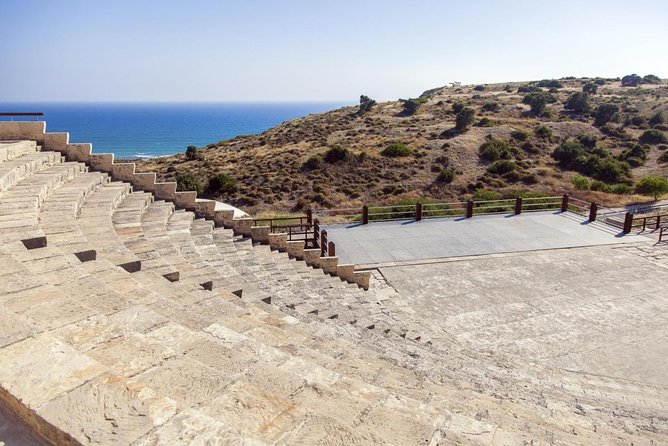
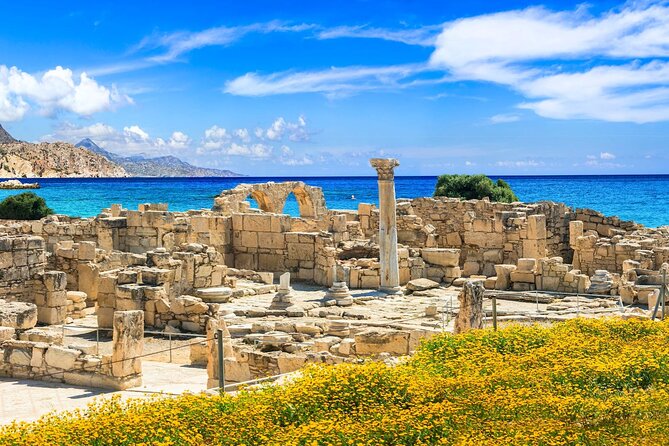
Your first big stop is Kourion, with 2 hours on site and admission included. This is the kind of place where the ruins don’t feel isolated—they sit in a landscape that still looks open and dramatic, so you can picture how people would have gathered here.
At Kourion, focus on three things.
1) The theatre (dating to the 2nd century BC)
The theatre is the landmark you’ll keep hearing about—and for good reason. Even if you only know the basics of Greco-Roman performance spaces, you’ll see the way the seating wraps and how the setting supports sightlines. It’s also a great place to pause, because you can frame the scene without needing to run.
2) The Agora
The Agora is the civic heart conceptually, and in Kourion you’ll get a sense of how public life and marketplaces shaped daily rhythms. You may not get a full museum-style explanation for every stone, but a good guide will connect what you’re seeing to how these towns functioned.
3) The overall site layout
In many tours, people rush the first stop because they’re excited for the next. At Kourion, try not to sprint. Take a slower lap early, then circle back to what you care about most—often the theatre and central ruins.
Drawback to keep in mind: with a group, timing at entrances and walking between viewpoints can slow your personal pace. If you love photos, plan to work quickly during the most crowded stretches, then linger once the flow eases.
Petra tou Romiou: Aphrodite’s Rock Photo Stop by the Sea
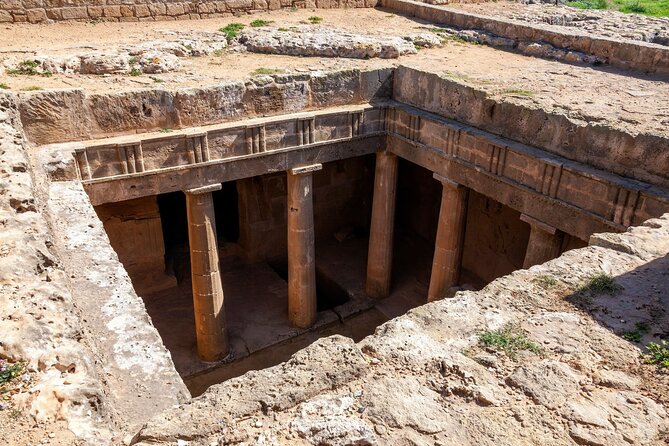
Between Kourion and Paphos, you’ll make a stop at Petra tou Romiou, also known as Aphrodite’s Rock. This is a quick highlight stop—more about the view and the myth than a long exploration.
The legend says this is where Aphrodite emerged from sea foam. Even if you’re not a myth-history superfan, the stop still works because you get the coastline setting that makes the story feel believable. It’s one of those places where the landscape does half the storytelling.
What to expect in practice:
- A brief window to step out, take photos, and admire the sea stack from the viewpoint you’re given.
- A moment of “legend + landscape,” which can be refreshing after hours of archaeological detail.
If you care about photos, bring a steady plan: identify where your best angle likely is, take a first set quickly, then slow down for a second round if time allows. It’s an easy stop to waste time on if you wait for perfect conditions—so aim for good, not perfect.
Tombs of the Kings and the House of Dionysus: Where the Detail Hits
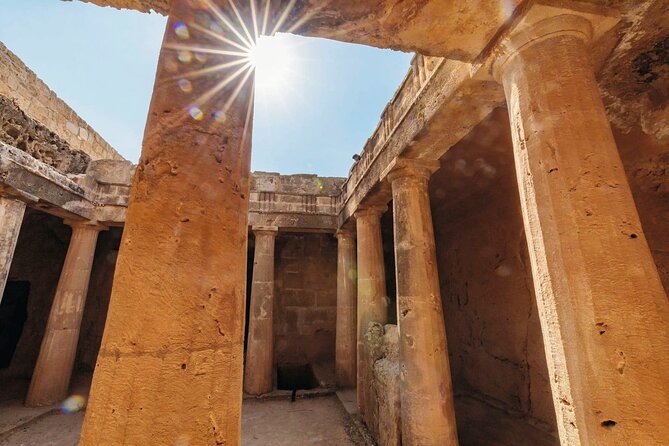
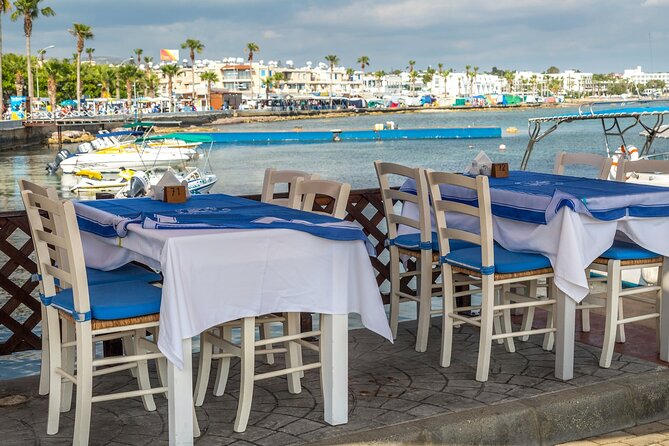
Next comes the Tombs of the Kings, and this is one of the tour’s strongest selling points. You’ll spend about 2 hours here with guidance, and admission is included. The site is UNESCO-designated, and it’s easy to see why: the necropolis shows careful planning and impressive scale.
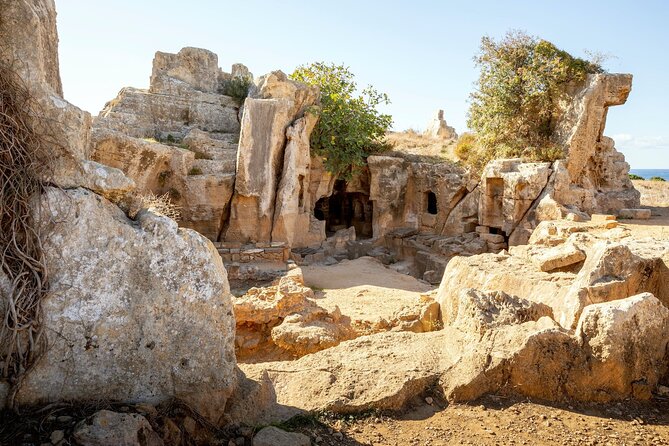
This part of the day is different from Kourion because the “wow” comes from detail and atmosphere. You’ll be in and around tomb structures carved into the landscape. It’s a great place to notice scale—how entrances were designed, how the space guides movement, and how burial spaces reflect social status.
Then the visit expands to the House of Dionysus, including well-preserved mosaics. The mosaics are the kind of thing that can completely change how you feel about a site. One moment you’re walking through stone corridors; the next you’re staring at floor art that seems to hold up under direct attention.
Practical mindset for this stop:
- Give yourself permission to slow down for the mosaics. This is where your brain gets real payoff from guided context.
- Look for the story elements your guide points out, then use that anchor to interpret what you see.
Potential drawback: if you’re traveling with a big group, you might feel your freedom limited in the tightest areas. If you like to linger, you’ll want to strike a balance—watch what the group is doing, then take your own time where the path opens up.
Paphos Town Free Time: Harbor Walks and Terrace-Café Reality
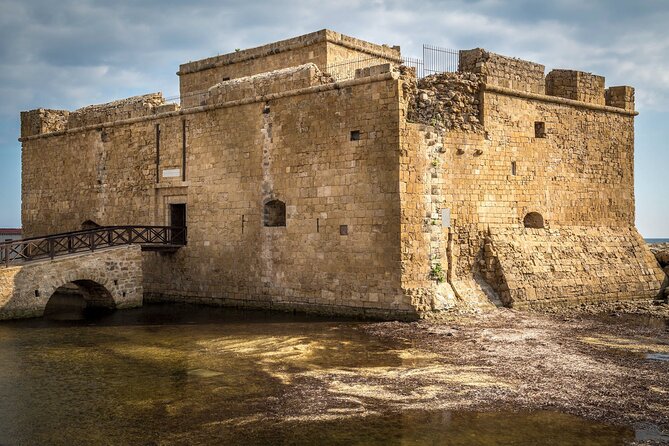
After the guided ruins, you get free time in Paphos town. This is the part of the day that helps you turn “sightseeing” into “a place.”
Use it to do something simple and physical:
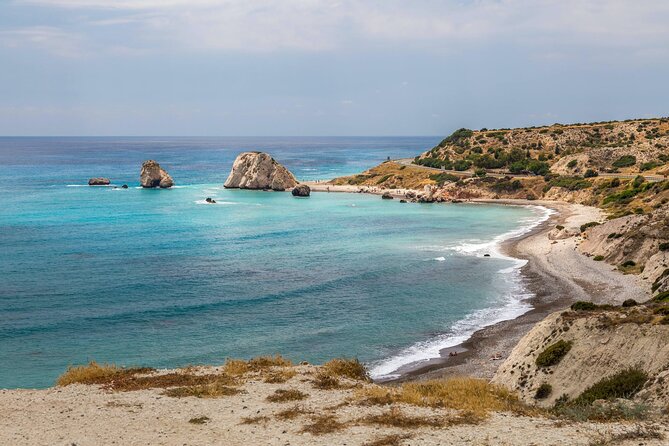
- Walk toward the harbor area if you want views and a slower rhythm.
- Grab lunch or a snack at one of the terrace cafés.
One tip that’s worth paying attention to: in one praised group, the guide María was specifically mentioned for pointing guests to a great place to eat near the pier. That kind of local guidance can save you time and help you avoid the most touristy-feeling options.
What’s not included is your food. The tour doesn’t include lunch or drinks, so plan to budget for at least a meal and water.
I find that this free time works best if you set yourself one small goal, like:
- find a sit-down lunch,
- take a calm walk to reset,
- and then use the rest of the time for photos you can’t get at the ruins.
If you don’t do that, you can end up bouncing between shops without actually resting.
The Guide, the Group Size, and the Day’s Pace
You’ll travel with a professional guide, and the overall tone matters a lot on a day like this. When a guide is good, the day feels efficient and clear. When a guide is stuck managing crowds, you can feel your time shrink.
You’re also dealing with the hard truth of group tours: this one has a cap of up to 50 travelers. A larger group doesn’t just increase noise. It increases regrouping. It increases the time between photo moments. It increases how often you wait for everyone to catch up.
That doesn’t mean the tour is bad. It means you should adjust your expectations:
- Expect some slowdowns at entrances.
- Listen closely when the guide is talking—because that’s the moment you get value before the group moves on.
- Don’t plan your own deep research on-site. This tour gives structure, not total independence.
If you’re going on a day when the group is at capacity, the experience can feel “more efficient than leisurely.” If you’re lucky with timing and group flow, it can feel surprisingly smooth—especially when the guide keeps things organized.
Price and Value: What $65 Buys You in Cyprus
At $65.04 per person, this tour is priced to be accessible, especially because the big cost items are handled for you. Entrance fees are included, and you also get guided time at Kourion and the Tombs of the Kings plus the House of Dionysus portion.
So what are you really paying for?
- Transport within the day trip.
- Guide support that helps you understand what you’re looking at.
- Entry into the key paid sites.
- A coffee pit-stop included.
- A chance to experience Paphos town without needing to plan your own route.
Where the value can dip is the same place it always happens with shared tours: you’re giving up some flexibility. You can’t exactly wander off to spend an extra hour somewhere. You’re on the clock, and the clock is tied to group logistics.
You also need to plan for personal expenses: drinks and lunch aren’t included. If you eat a full lunch, that cost can narrow the gap between this tour and doing some independent sightseeing. Still, for most people, the bundled entry + guided ruins combo is the big win.
Bottom line on value: if you want a curated highlights day with paid sites included, this is a fair deal. If you want free-form exploration and long lingering, you may prefer building a self-guided plan around Kourion and Paphos separately.
Practical Tips: Tickets, ID, Weather, and What to Bring
This tour uses a mobile ticket, and you’ll receive booking confirmation at the time of booking. Pickup details are confirmed by email, and you should check that message after booking.
Bring a valid passport or EU ID card since it’s required.
Weather matters. The experience requires good weather, and if it’s canceled due to poor conditions, you’ll be offered a different date or a full refund.
What I’d pack for comfort (not luxury):
- Comfortable walking shoes, because archaeological sites mean uneven surfaces.
- A light layer, since sea-breeze weather can shift quickly.
- Water (and a plan to buy more in town since drinks aren’t included).
If you’re prone to sunburn, treat Cyprus like it’s serious. Even if the morning feels pleasant, you can burn faster than you expect while walking in open areas.
Who Should Book This Tour?
This is a strong fit for you if:
- You want two major archaeological experiences with guidance in one day.
- You like having enough structure to know what to look for, without needing a private tour.
- You’re happy to trade a bit of personal flexibility for included entry fees and smoother planning.
It may be less ideal if:
- You hate waiting or you’re very schedule-sensitive.
- You want long, slow time in one place instead of a highlights route across multiple stops.
- You prefer researching details independently rather than following a guide’s flow.
One more thought: if Paphos town is the part you care about most, use your free time intentionally. Don’t assume you’ll have the energy to “wing it” after the ruins. Set a simple plan—walk the harbor, find a lunch spot, and then enjoy the rest.
Should You Book the Ancient Kourion and Paphos Tour?
If you’re choosing between doing nothing, doing one site, or doing a structured day trip, I’d lean toward booking this one—because Kourion + Tombs of the Kings + Dionysus mosaics is a lot of classic Cyprus in one go. The included entry fees and the guided format make it easier to get value from your time.
But book with eyes open: this tour runs as a shared day, capped at 50 people, so the experience can feel less “private” and more “managed group flow.” If that’s okay with you—and you’re coming for the highlights—you’ll likely have a satisfying day.
If you want the best outcome, show up ready to walk, listen when your guide is speaking (especially in the mosaic and tomb segments), and make your Paphos town time count with one or two specific goals.
FAQ
What time does the tour start?
The start time is 9:10 am. The pickup time and place are confirmed by email after booking.
How long is the tour?
The duration is about 7 hours.
What’s included in the price?
The tour includes hotel pickup and drop-off (selected hotels only), a professional guide, and entrance fees.
Are lunch and drinks included?
No. Lunch and drinks are not included, so you’ll need to buy them during the day, especially during free time in Paphos town.
What ID do I need to join the tour?
You need a valid passport or EU ID card.
What happens if the weather is bad?
The experience requires good weather. If it’s canceled due to poor weather, you’ll be offered a different date or a full refund.