REVIEW · LODZ
Lodz: Jewish Heritage Private Tour
Book on GetYourGuide →Operated by PT Team · Bookable on GetYourGuide
History hits fast in Łódź. This private 4-hour tour links Radegast station to daily streets like Piotrkowska, with major stops along the way. I especially like how it balances hard history with visible remnants of community life, including the Reicher synagogue and the industrial legacy of Israel Poznanski.
Two stand-out moments are the visit to the largest Jewish cemetery in Poland and the walk through the Manufaktura complex, built from Poznański’s former factory world. One possible drawback: the tour is emotionally heavy, and how a guide frames Holocaust memory can vary, so it’s smart to be clear about what kind of tone you want before you start.
This is a private tour with hotel pickup and drop-off, designed for focused sighting rather than a long day. If you want a route that’s efficient and textural—signs, monuments, street views, and specific places tied to names—this one is built for you.
In This Review
- Key highlights at a glance
- Where Łódź’s Jewish heritage shows up in real space
- A four-hour route that actually connects the dots
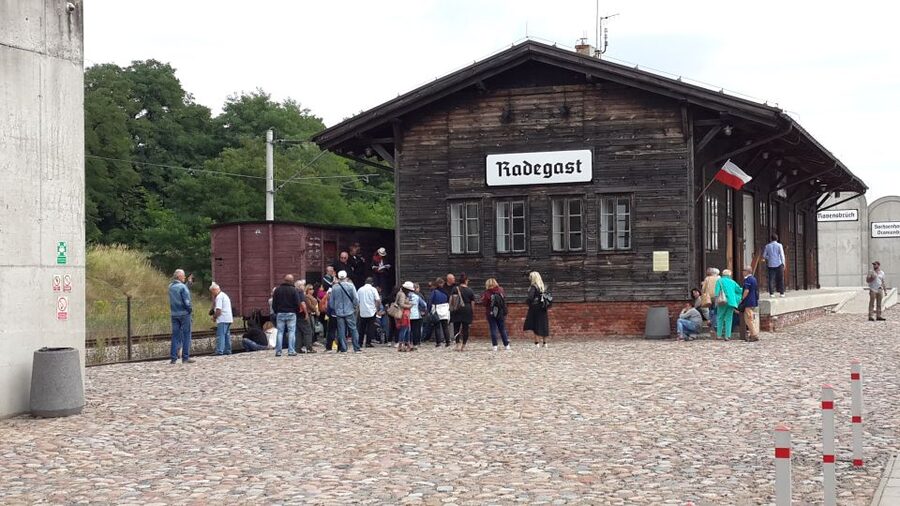
- Radegast station: the deportation stop you can’t forget
- Broken Heart, Survivors’ Park, and the memory trees
- The Jewish cemetery: go in if you want the full impact
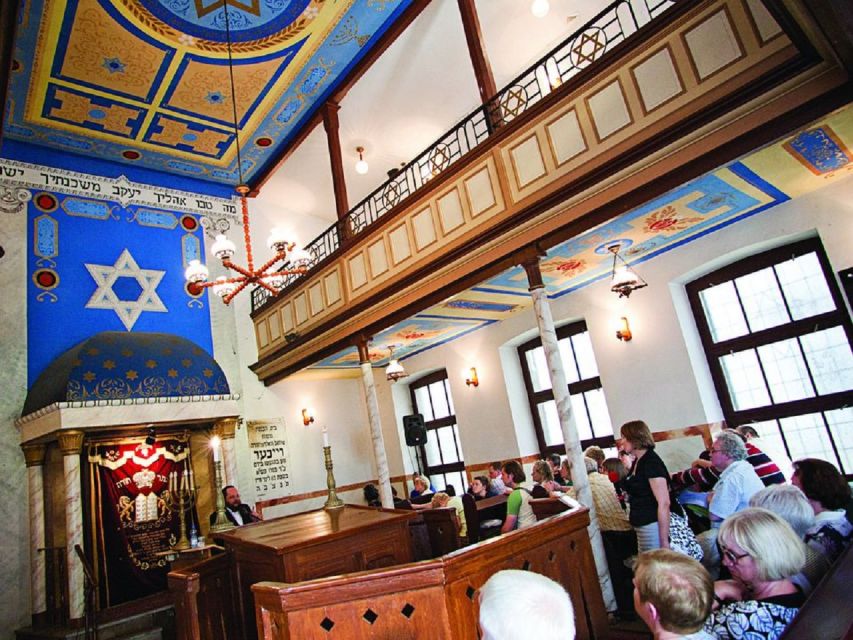
- Reicher synagogue: a pre-war survivor with a strange afterlife
- Manufaktura and Israel Poznański: how business shaped the city
- Piotrkowska Street: from commemoration to the city’s pulse
- Price and value: what $46 buys in a city this complex
- Choosing the right pacing and tone for this kind of history
- Who should book this tour
- Should you book this Łódź: Jewish Heritage Private Tour?
- FAQ
- How long is the Łódź Jewish Heritage Private Tour?
- Is this a private tour?
- What languages are available for the live guide?
- What’s included in the price?
- Are entrance fees included?
- Where will the guide meet us?
Key highlights at a glance
- Radegast station: the terminal point for trains carrying Jews from western Europe and from Wartheland ghettos
- Litzmannstadt ghetto area: context for what life meant there and how it ended
- Jewish cemetery: the largest Jewish necropolis in Poland, worth your full attention
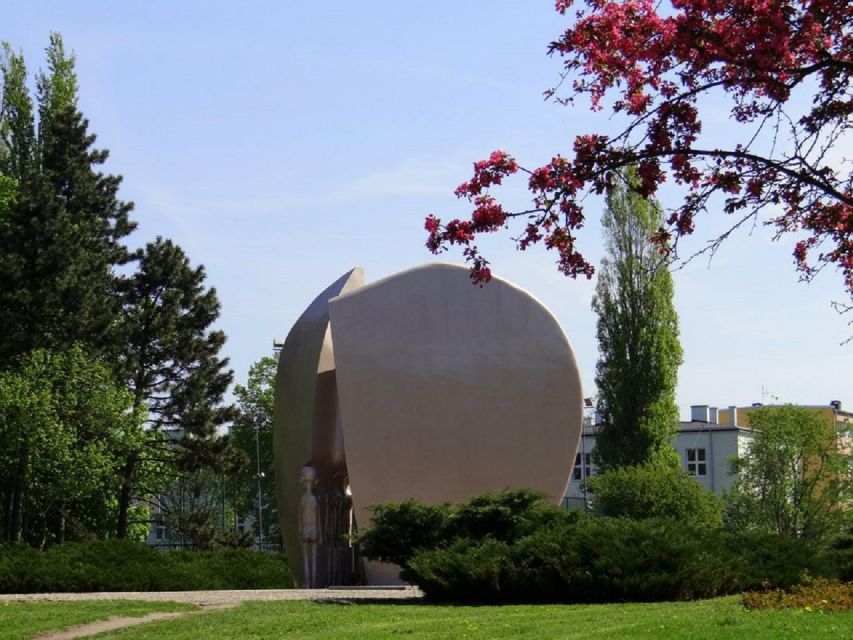
- Children’s Martyrdom Monument (Broken Heart): a dedicated stop for Polish children murdered or dying in confinement
- Reicher synagogue: the only remaining pre-war synagogue, surviving through conversion to a salt warehouse
- Manufaktura + Poznański: an industrial complex with an open-air plaza and fountains (noted as Europe’s longest stretch)
Where Łódź’s Jewish heritage shows up in real space
Łódź is one of those cities where history isn’t stuck in a museum corner. It’s in the street layout, in repurposed buildings, and in the monument points you pass like signposts along a route you can actually follow.
This tour helps you read the city in a practical way. You start with a straight-line historical anchor at Radegast station, then move through ghetto-era memory sites, and finally pivot to places tied to Jewish business and the pre-war urban fabric. You get the sense that Jewish life here wasn’t just a tragic chapter—it was a major part of the city’s identity.
The big context you should have in your head: before World War II, Łódź had more than 200,000 Jews, making up as much as one third of the population. That means you’re not looking at a small community. You’re looking at a central pillar of a multinational industrial city—until the Holocaust broke it.
A four-hour route that actually connects the dots
The tour is designed to be focused: about four hours, hotel pickup and drop-off, and transportation between points. It’s private, so you’re not stuck with strangers who want different pacing than you do.
What I like about the structure is the way each stop answers a different question:
- What happened, and where did it happen
- Who lived here before
- How memory is marked now
- What physical legacy remains
- How the city looks when you walk it after learning its past
You’ll spend time outdoors and on foot, especially in the central core and around Piotrkowska Street at the end. That matters because you’ll see how monuments sit in the urban view, not isolated behind walls. If you prefer a lot of car time between stops, ask your guide to match your pace early.
Radegast station: the deportation stop you can’t forget
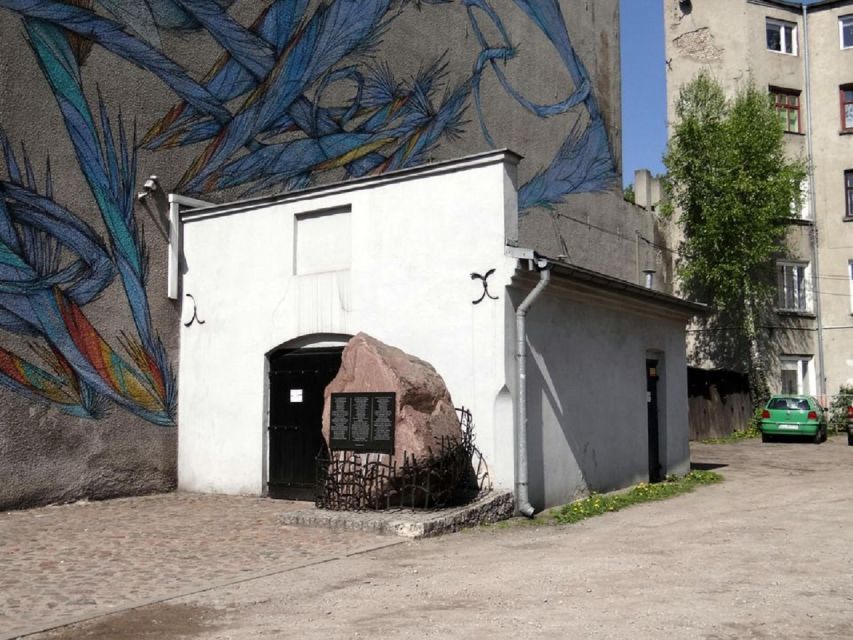
Radegast station is the kind of place that forces you to pay attention. This wasn’t just any rail station—it was described as the final point of trains transporting Jews from western European countries and also from provincial ghettos in Wartheland.
That detail changes how you interpret what you see. It’s not only about local suffering. It’s the machinery of a wider system, stitched across borders.
When you stand in this area, your guide’s job becomes crucial. The best guides treat this as both a historical explanation and a careful moment of remembrance. Expect the conversation to connect the dots between transport logistics, ghetto policy, and what came next at Litzmannstadt.
Broken Heart, Survivors’ Park, and the memory trees
After the station, the tour moves into the places that mark the human cost—especially the parts that aren’t always obvious at first glance.
One key stop is the Children’s Martyrdom Monument, also called the monument of the Broken Heart, tied to Polish children who died or were murdered while imprisoned in the camp in Przemysłowa Street. This is heavy subject matter, and the emotional weight can land harder than you expect. Give yourself a minute before you react. Let your guide’s framing do its work.
Then comes Survivors’ Park, commemorating the liquidation of the ghetto. Nearby, you’ll stop under one of over 600 memory trees planted by survivors of the Litzmannstadt Ghetto. That “trees” detail sounds gentle, but it’s actually a strong symbol: remembrance anchored in something that grows.
Practical tip: when you’re at these sites, slow down and read what you’re shown. If your guide points out names, dates, or specific context, write them mentally. You’ll connect them later when you reach the cemetery and the synagogue, where the story shifts from events to continuity and loss.
The Jewish cemetery: go in if you want the full impact
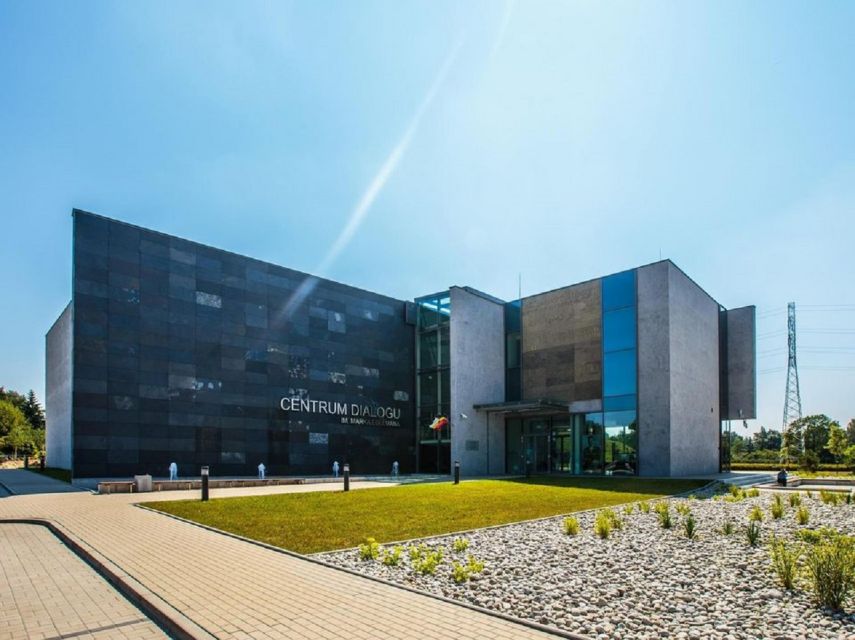
The Jewish cemetery stop is one of the most important parts of the entire experience. It’s described as the largest Jewish necropolis in Poland, and that scale matters—this isn’t a quick glance stop.
Here’s the practical consideration: the tour includes time to see the cemetery, but access and depth can depend on what you ask for. One useful approach is to explicitly ask your guide whether you can enter and spend time inside, not just view from outside.
Why does that matter? Because cemeteries change the emotional tempo. Outside sightlines can feel like context. Inside, you’re surrounded by markers and the human reality of names and family lines. It turns history into a map of lives.
If you’re visiting on a day with weather that affects your walking comfort, bring something simple like layers and comfortable shoes. You’ll likely appreciate having the freedom to move slowly.
Reicher synagogue: a pre-war survivor with a strange afterlife
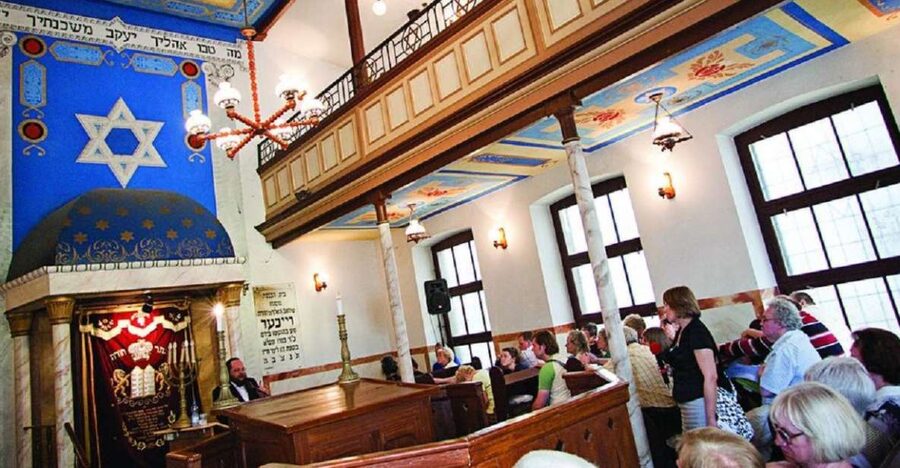
Not many synagogues survived the occupation intact, and Reicher synagogue is the exception highlighted on this route. It’s noted as the only remaining pre-war synagogue, and it survived those years as a salt warehouse.
That detail is a quiet gut-punch. It shows how buildings can be stripped of sacred use and repurposed for ordinary industry. At the same time, it also explains why you can still stand before the structure at all.
When you learn this kind of “what happened to the building” story, the city’s architecture becomes a historical document. You start noticing how reuse can erase meaning—or preserve shape while changing purpose.
If your group is mixed in comfort levels with Holocaust topics, this stop often becomes a calmer hinge point. You move from events and mourning sites into a discussion of what existed before the violence and how traces survived.
Manufaktura and Israel Poznański: how business shaped the city
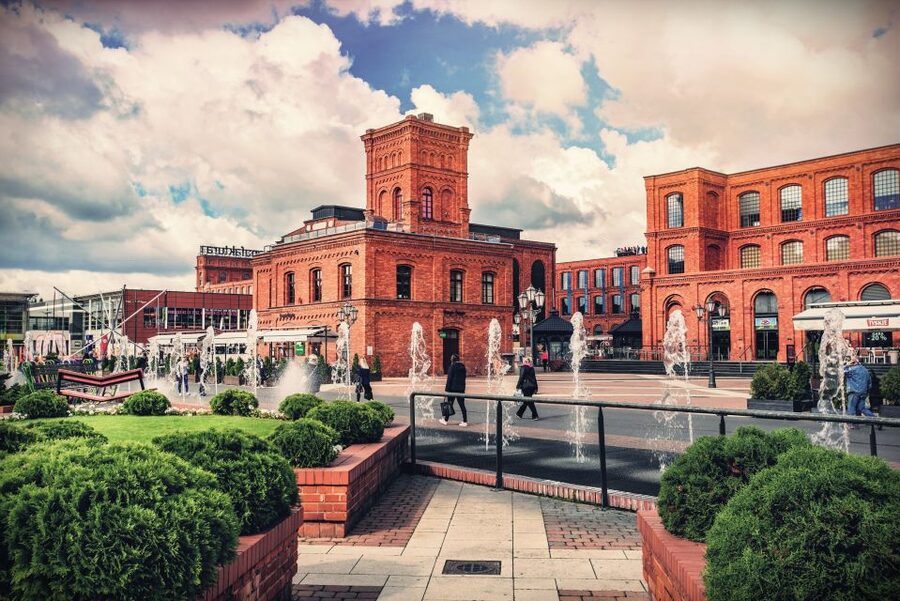
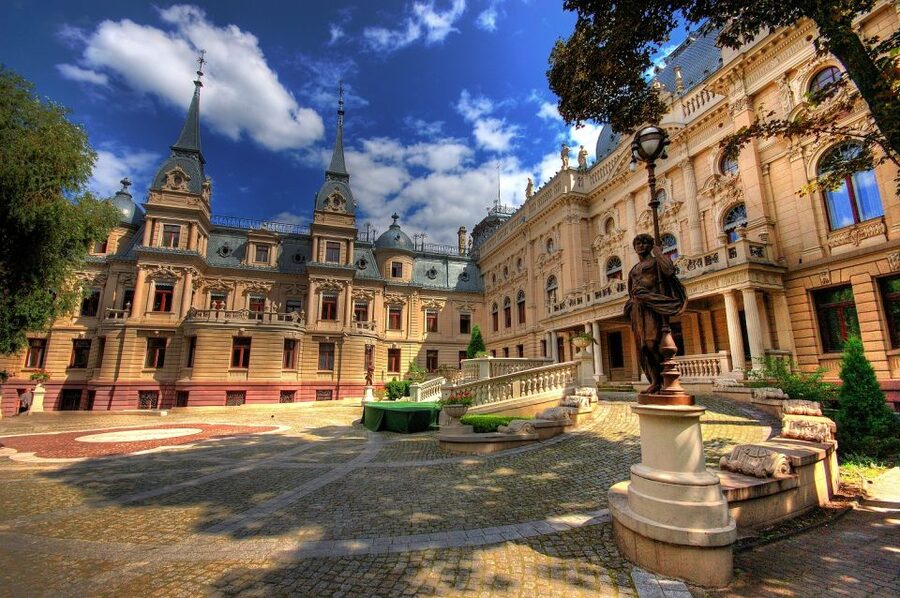
Then the tour turns a corner—still historically grounded, but more tied to pre-war urban life. You visit the renovated industrial complex of Manufaktura, associated with the Jewish businessman Israel Poznański.
Poznański’s name is worth holding onto because he represents something the Holocaust narrative can sometimes overshadow: the fact that wealthy industrial families and major commerce helped shape Łódź’s growth. This wasn’t only a community of faith; it was also a community of work, ownership, and city-building.
At Manufaktura, you’ll see an open-air plaza surrounded by large brick buildings. The fountains are specifically mentioned as the longest stretch in Europe, and that’s the kind of detail you can only appreciate once you’re standing there with the space around you.
A small piece of practical advice: treat this stop like a “read the city” lesson. Notice the brick blocks, the courtyards, and how the place functions now. Then ask your guide to connect it back to the pre-war industrial era—because that connection is the educational value.
Piotrkowska Street: from commemoration to the city’s pulse
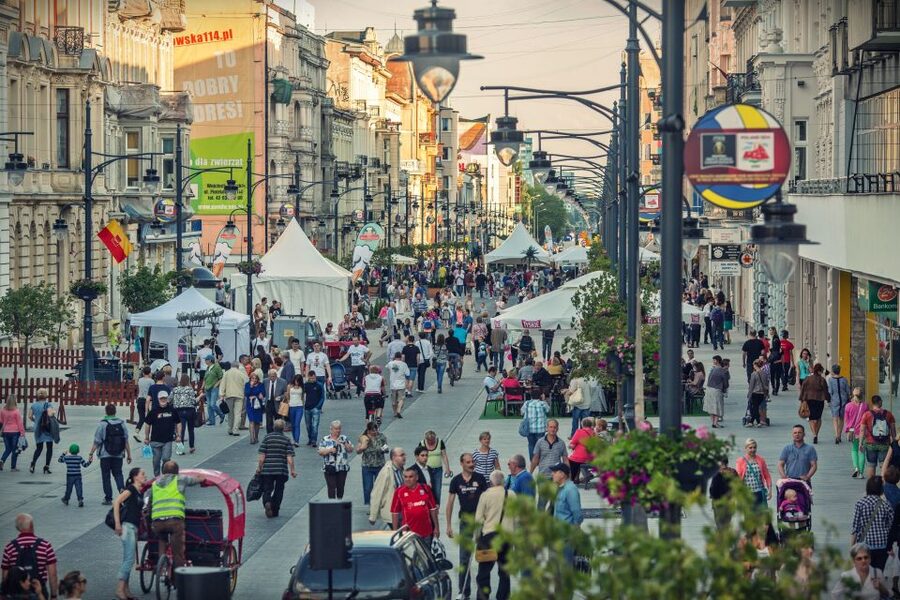
At the end, you walk along Piotrkowska Street, described as Poland’s longest promenade. This is the part where your brain shifts into “normal city mode,” but you can’t fully switch off after learning the earlier sites.
The street is full of shops, pubs, and restaurants, plus sculptures that commemorate famous inhabitants of Łódź. Your guide’s role here is smart: they help you see which stories are easy to miss when you’re just strolling for coffee.
What’s a good way to use your time on Piotrkowska after the tour? Ask your guide what else you can explore on your own. That’s often where the value comes in—leaving you with a short list of next stops that match what you learned, instead of random wandering.
Price and value: what $46 buys in a city this complex
At about $46 per person for a four-hour private tour, the value is strongest if you care about interpretation. You’re not paying for a long sightseeing day. You’re paying for a guided way to connect specific places—Radegast station, the ghetto area, the cemetery, Reicher synagogue, Manufaktura, and Piotrkowska—into one readable story.
Two practical cost notes:
- Entrances aren’t included, so you may need to pay on-site if a stop requires tickets
- Transportation is included, but the experience still depends on walking, especially near the center and during the final promenade stretch
For a private format, you also get flexibility. In example cases, guides such as Marek, Krys, and Krzysztof have been praised for being attentive, engaging, and empathetic, with some guides willing to tailor content to your interests. Your exact guide may differ, but the takeaway is clear: ask questions. Good guides respond.
Choosing the right pacing and tone for this kind of history
Because the subject matter is Holocaust and ghetto history, the emotional tone matters. I’d treat this as a “fit check” conversation with your guide.
If you want a neutral, open approach, say so early. If you prefer more context about Jewish community life versus a tighter focus on the camps and deportations, tell your guide at the start. This keeps the tour aligned with how you process sensitive material.
Also keep expectations realistic about the city logistics. Even with included transportation, the route works by combining short rides with walking. If you’re hoping to be driven through everything like a bus tour, you should ask for that preference up front.
Who should book this tour
This works especially well for you if:
- you want a focused, private route rather than a crowded group day
- you appreciate a guided connection between major historical sites and the modern city
- you’re curious about both tragedy and the pre-war Jewish urban presence
- you like stopping at monuments and reading context, not just taking photos
It may be less ideal if you want a purely social-tour vibe or you hate long discussions about difficult events. This is about history in place, not a light day out.
Should you book this Łódź: Jewish Heritage Private Tour?
If you want a four-hour plan that brings major Jewish heritage sites into one coherent walk—Radegast station, the ghetto landscape, the cemetery, Reicher synagogue, Manufaktura, and then Piotrkowska—this is a strong choice. The price feels fair for a private format with hotel pickup, transport, and an on-the-ground guide to explain what you’re seeing.
Book it if you:
- plan to ask questions (especially about cemetery access and how much time you’ll spend there)
- can handle an emotionally serious itinerary
- want a guide who can connect history to architecture and street-level reality
Skip it or rethink your expectations if you strongly prefer a different tone or you’re worried about how sensitive topics are framed. In that case, reach out or ask directly before the tour about the guide approach—this kind of history deserves a good match.
FAQ
How long is the Łódź Jewish Heritage Private Tour?
The tour lasts 4 hours.
Is this a private tour?
Yes. It’s listed as a private group tour.
What languages are available for the live guide?
The tour offers live guidance in English, German, Russian, and Polish.
What’s included in the price?
Included are hotel pickup and drop-off, transportation, and a live guide.
Are entrance fees included?
No. Entrances are not included.
Where will the guide meet us?
Your guide will wait for you at your hotel lobby with your name. Please be ready on time.