REVIEW · DUBLIN
Glendalough Night Hike and History Tour
Book on Viator →Operated by Wild Summits · Bookable on Viator
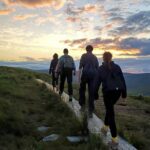
Night hiking turns Glendalough into a story. This sunset-to-night guided hike takes you from the lakes of Glendalough into darkness with head lamps, while your guide ties in local history and what wildlife is doing when the light fades. I love the timing—watching the day shift into sunset and spotting animals like sika deer as they graze.
The second thing I really liked is the way the route keeps unfolding: you’re not just walking, you’re stopping to learn about the site as you move through it. One consideration: you should be ready for a moderate hike with a brisk pace, especially once it’s dark and you’re moving between viewpoints.
In This Review
- Key Takeaways Before You Go
- Glendalough at Sunset, Then Night Hiking With History
- Meeting at Brockagh and What the 4–5 Hour Pace Feels Like
- Vale of Glendalough at Sunset: Lakes, Wildlife Timing, and Stops That Teach
- Miners Village and a 6th-Century Monastic Site in the Dark
- Stargazing in County Wicklow: Why the Sky Part Works
- Price and Value: What $44.12 Buys You
- Guide Factor: Learning More Because You’re Walking
- Who This Tour Suits Best (And Who Should Skip It)
- What to Know About Timing, Weather, and Night Hiking
- My Booking Recommendation: Should You Book This Night Hike?
- FAQ
- How long is the Glendalough Night Hike and History Tour?
- Where is the meeting point?
- Is head lamp equipment provided for night hiking?
- What kind of physical fitness level do I need?
- Are children allowed?
- What happens if the weather is poor?
- Can I get a full refund if I cancel?
Key Takeaways Before You Go
- Sunset-first itinerary that naturally boosts your odds for wildlife sightings
- Head lamps provided, so you can focus on the trail and the sky
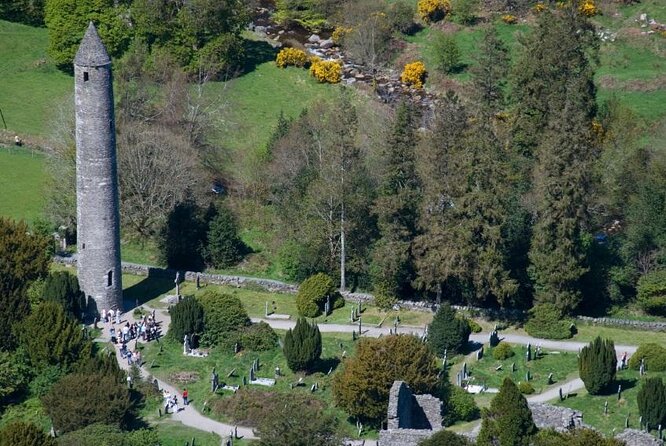
- History built into the walk, including a 6th-century monastic site
- Stops in the dark such as the miners village area, guided step by step
- Small group size (max 20) for a more manageable night pace
- Stargazing after dark with your guide helping you make sense of what you’re seeing
Glendalough at Sunset, Then Night Hiking With History
This is the kind of tour that flips your usual Glendalough experience. During the day, the place can feel like a picture you’ve seen before. At night—after sunset into darkness—it starts to feel like you’re inside the story that made Glendalough famous in the first place.
You’ll meet in County Wicklow, south of Dublin, and then hike toward the Vale of Glendalough as the light turns golden. The focus is two-part: you’re getting a walk with a clear natural rhythm (sunset, then night), and you’re also getting a history thread that keeps the darkness from feeling random. You’re told what you’re seeing, what to listen for, and what matters about the places you pass.
If you like guided hikes that give you context—rather than just a route—this style works well. It’s also a good option if you want something more than a standard museum-style history stop. You’ll be moving, seeing wildlife activity that’s tied to sunset, and then shifting to the sky once night takes over.
You can also read our reviews of more historical tours in Dublin


Meeting at Brockagh and What the 4–5 Hour Pace Feels Like
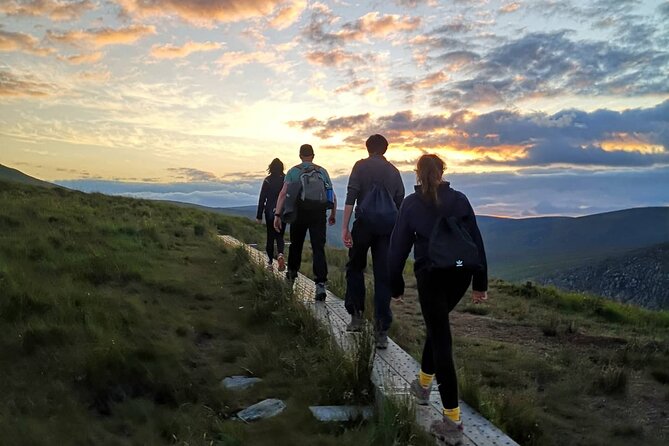
The whole experience runs about 4 to 5 hours, and it ends back at the meeting point. The start location is GlendaloughBrockagh, Co. Wicklow, Ireland, and you’ll be handed a mobile ticket, so plan to have your phone ready.
Group size is capped at 20 travelers, which matters on a night hike. Smaller groups generally mean you spend less time waiting in the dark and more time following the guide. It also helps keep the pace controlled, since there’s a lot to do here—walking, stopping to learn, and then stargazing.
Fitness-wise, the tour asks for moderate physical fitness. That matches the vibe: you’re outside, you’re hiking during changing light, and then you’re still hiking once it gets dark. One review note that lines up with this: you’ll want to be in shape for the climbs and keep up when the group is moving. If you prefer a slow stroll, this might feel a touch fast; if you’re okay with an active pace, you’ll likely have a great time.
Vale of Glendalough at Sunset: Lakes, Wildlife Timing, and Stops That Teach
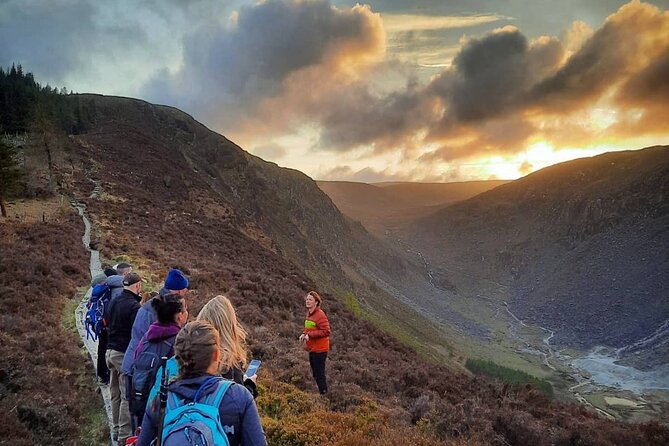
The heart of the tour begins at the Vale of Glendalough. As you hike the lakes area around sunset, your guide keeps the attention on two things: the scenery shifting into evening and the natural activity that often picks up when the light softens.
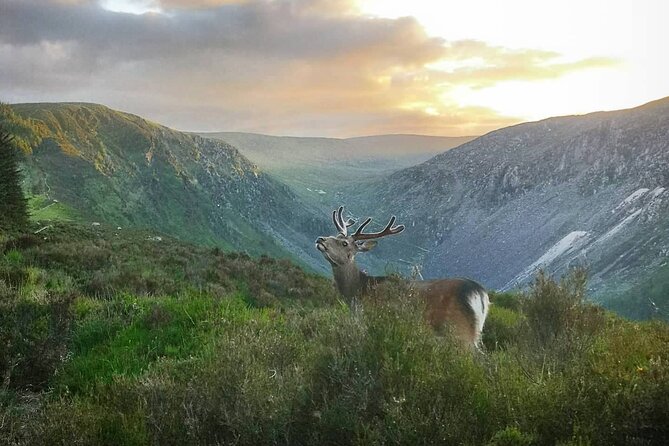
This is where the tour becomes more than pretty photos. Sunset is a “real time” moment for wildlife. The itinerary specifically calls out sika deer graze as the sunset happens. That’s not just a fun detail—it’s the reason this tour is scheduled the way it is. You’re getting into position during a time when animals are more likely to be visible and active, and your guide helps you understand what you’re looking at.
Along the way, you’re also learning Glendalough’s story while you move. The emphasis isn’t on memorizing dates; it’s on spotting how the history connects to the land and to how people used it. Expect the guide to point out what makes this place worth studying in the first place, then connect that to what’s happening around you in the evening.
One practical tip: sunset transitions can be quick. Even if you feel fine at the start, the light will change fast, and the route continues into darkness. If you’re the type who likes to pause for long stretches of views, bring that energy—but keep your expectations for a guided pace.
Miners Village and a 6th-Century Monastic Site in the Dark
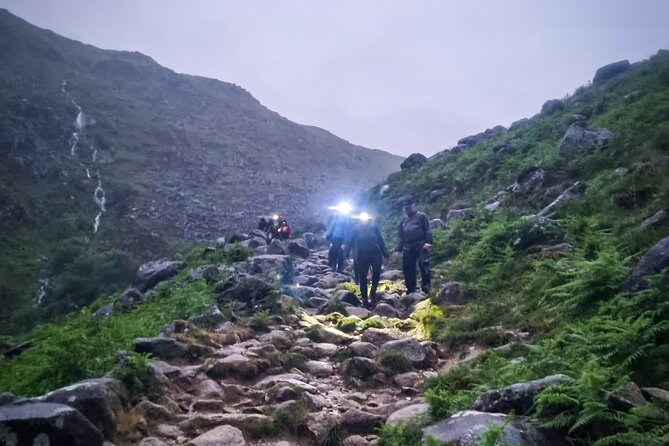
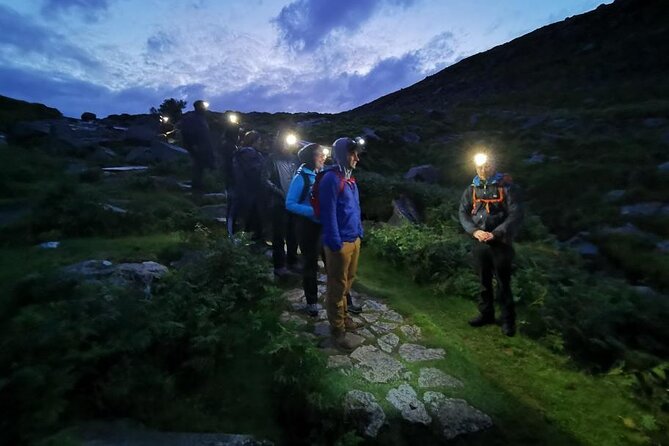
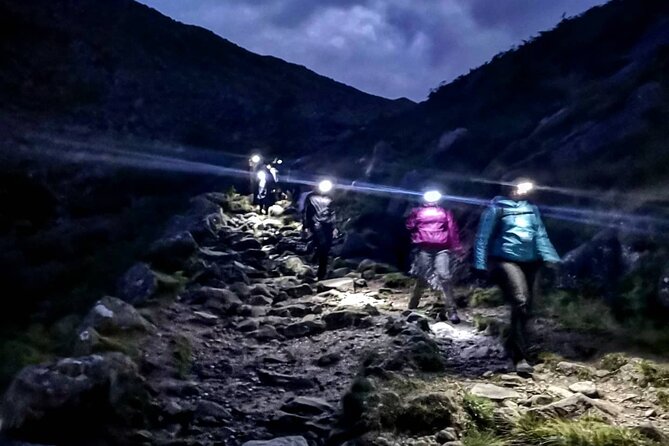
After the sunset portion, the tour continues into darkness, and this is where the experience gets memorable. You’ll pass through a miners village area and then travel through the 6th-century monastic site while it’s dark, using head lamps provided for safe hiking.
Walking through a historic site at night changes everything. In daylight, ruins can feel like “things you look at.” At night, they feel like “places you move through,” with echoes, shadows, and the sense that you’re following a path that people once walked for a completely different reason. The head lamps help you stay confident on the ground, while the guided narration keeps your attention on meaning instead of just footing.
The monastic site, dated to the 6th century in the tour description, is one of those locations where context matters. A guide can connect the dots between what you’re seeing—stone, structure, location—and why that would have mattered to people living centuries ago. Here, the dark doesn’t erase the history; it heightens the mood and makes the learning feel like part of the walk rather than a separate stop.
Is it easy? It should be manageable if you’re prepared for uneven ground at night and you keep moving with the group. The tour is built for safe hiking, which is why the lamps are provided. Still, don’t treat this like a casual stroll in evening light. Bring enough stamina to stay with the pace and to keep your focus during the dark segments.
Stargazing in County Wicklow: Why the Sky Part Works
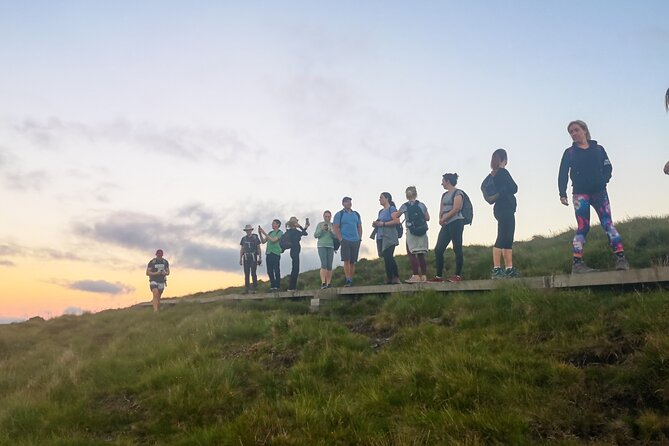
Once you’ve moved through the night section, the tour ends with stargazing after dark. This is a classic “finish strong” moment: hiking and history keep your eyes busy on the ground and in the structures, then your attention lifts to the sky.
Stargazing is also where the whole schedule makes sense. If you skip the sunset hike and show up late, you lose the gradual transition. Here, you’re in that window where you still have enough light for the hike early on, and then you have full darkness for the sky portion.
Your guide helps you make sense of what you’re looking at during stargazing in County Wicklow. The tour description frames it as part of the guided experience, not a drop-off where you figure it out alone. That matters—because stargazing can be either magical or confusing depending on whether someone helps you orient yourself.
I also like that the stargazing feels earned. After a few hours of moving and learning, looking up is a reset. It’s a calm payoff that balances the earlier action.
Price and Value: What $44.12 Buys You
The price is $44.12 per person, which is fairly straightforward for a guided 4–5 hour night experience. Here’s where the value comes from, not just the number.
You’re paying for:
- A guided walk that covers sunset and night hiking
- Head lamps provided for safety
- The history portion tied to multiple areas, including the 6th-century monastic site
- A guided stargazing segment after dark
- A small group format (up to 20 travelers)
Also, the itinerary notes Admission Ticket Free for the 5-hour experience. That doesn’t mean there’s no travel cost on your side, but it does suggest you aren’t paying an extra entrance fee on top of the tour price for this activity portion.
If you’re deciding between doing everything “on your own,” this tour can be better value when you care about storytelling and timing. Wildlife viewing at sunset and a guided stargazing component are hard to replicate without knowing where to go and when. The guide handles both.
One more value clue: the experience is often booked well ahead (on average 46 days). That usually means people find it reliable, not random. If you see a date that works for you, it’s worth grabbing it rather than waiting.
Guide Factor: Learning More Because You’re Walking
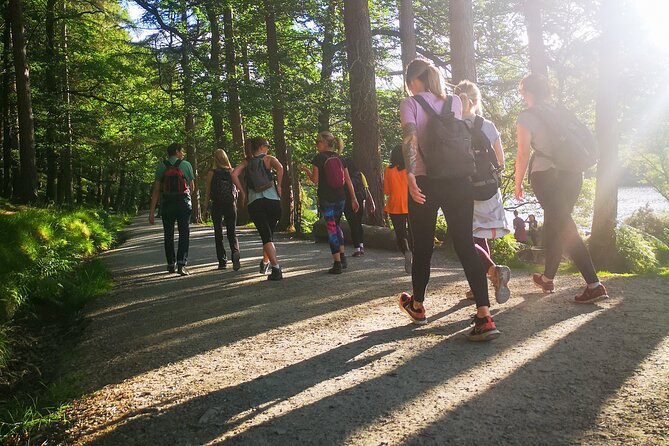
The tour credits Wild Summits as the provider, and the guide experience is a big part of why people feel satisfied. One of the standout names from the guide praise is Elena, mentioned especially for how good she was. That kind of specific feedback matters—because it points to communication and the ability to keep a night group engaged.
What you’re getting isn’t just facts. You’re getting history explained while you hike. That format is excellent for two reasons:
1) You remember what you learn better when you’re moving through the place itself.
2) Night conditions make context essential—your eyes can’t take in everything, so the guide helps you focus on what matters.
The tour description also promises entertainment and culture/history along the way. Based on the strong ratings and the specific mention of Elena’s quality, it sounds like you’re likely to get a guide who can adjust the storytelling pace to a moving group—especially during darker segments.
If you want a tour where the guide is part lecturer and part walking companion, this one fits.
Who This Tour Suits Best (And Who Should Skip It)
This experience is best for adults and older kids. The tour rules say no children under 12, and any children must be accompanied by adults. So if you’re traveling with younger kids, you’ll need a different option.
It also fits people with moderate physical fitness. If you can handle an active hike and staying with a group pace, you’ll likely enjoy it. If you’re sensitive to darkness or prefer fully light-only routes, this may not be your best match since you’ll be hiking in darkness with head lamps.
One nice plus: service animals are allowed. If that matters for your planning, you can feel better knowing the tour explicitly allows it.
Group size is capped at 20 travelers, which is another reason this is a good fit for many people. You won’t feel like you’re in a huge crowd during stargazing, and night logistics feel more human.
What to Know About Timing, Weather, and Night Hiking
The tour requires good weather. If it’s canceled due to poor weather, you’ll be offered a different date or a full refund. There’s also a minimum number of travelers requirement, so occasionally a date may shift if that minimum isn’t met.
That matters because a night hike plus stargazing is weather dependent. You don’t just need light—you need ground conditions and visibility to keep the experience enjoyable and safe. Even though you’re provided with head lamps, the tour still depends on weather for the overall plan.
Timing is built around the sunset shift. You’re meeting and hiking early enough to enjoy the lakes at sunset, then continuing into darkness. If you’re the type who likes a slow morning and hates the idea of changing light quickly, plan your day so you arrive rested and ready to move.
Finally, remember it’s only 4 to 5 hours total. That’s not an all-day commitment, but it is long enough that comfort matters. I’d treat this as a real hike, not a quick stroll.
My Booking Recommendation: Should You Book This Night Hike?
Book it if you want Glendalough in a different mood—when the wildlife timing is right, when history is guided in motion, and when the night ends with stargazing rather than just turning around early. The combination is the value: sunset hike + history stops + stargazing, all in one guided package with head lamps.
Skip it if you:
- Don’t want an active evening hike (the pace can feel brisk)
- Prefer routes fully in daylight
- Are traveling with children under 12
If you do book, pick a date with confidence in the weather forecast and show up ready to keep moving in the dark. And if Elena is guiding on your date, you’re in good shape—her name comes up for a reason.
FAQ
How long is the Glendalough Night Hike and History Tour?
It lasts about 4 to 5 hours.
Where is the meeting point?
The tour starts at GlendaloughBrockagh, Co. Wicklow, Ireland, and ends back at the meeting point.
Is head lamp equipment provided for night hiking?
Yes. Head lamps are provided for safe hiking in darkness.
What kind of physical fitness level do I need?
The tour is for travelers with moderate physical fitness.
Are children allowed?
No children under 12 are allowed, and all children must be accompanied by adults.
What happens if the weather is poor?
If the tour is canceled due to poor weather, you’ll be offered a different date or a full refund.
Can I get a full refund if I cancel?
Yes. You can cancel for a full refund if you cancel at least 24 hours in advance. If you cancel less than 24 hours before the start time, the amount paid won’t be refunded.