REVIEW · OCALA
Ocala: Gypsy Gold Horse Farm Horses & History Tour
Book on GetYourGuide →Operated by Gypsy Gold LLC · Bookable on GetYourGuide
A strange-looking horse can change your whole view of history. Gypsy Gold Horse Farm turns a Florida farm visit into a real culture lesson, with Gypsy Vanner horses and the people who helped bring the breed to the U.S.
What I love most is how the experience mixes story and hands-on time, all in a manageable 2 hours.
My favorite part is the 1-hour lecture led by Dennis Thompson, where you hear how the Gypsy Vanner breed got its name and why a registry mattered. I also like that the farm is home to the first 16 registered horses of this breed, so you’re not just admiring animals—you’re stepping into the starting point.
It’s one of those tours that makes the details stick.
One drawback to plan around: this is not a kids-only stop. It leans education and culture rather than nonstop petting, so younger kids who want fast action may lose interest.
In This Review
- Key highlights at Gypsy Gold Horse Farm
- Why Gypsy Gold in Ocala feels more like a story stop than a farm visit
- The 2-hour Horses & History tour: lecture, photo-op, then farm time
- What makes each part worth your time
- Dennis and Cindy Thompson’s Gypsy Vanner story (and why the details matter)
- Meeting Gypsy Vanners and the rest of the farm family
- Carrot time (and the simple tips that prevent problems)
- How the 1-hour walking tour fits different travel styles
- Price and value: is $50 per person reasonable?
- What to bring, wear, and remember so the visit is easy
- What’s not allowed
- Who this tour is best for (and who should rethink it)
- Should you book the Ocala Gypsy Gold Horses & History Tour?
- FAQ
- How long is the Gypsy Gold Horses & History tour?
- Are there different tour lengths?
- When do tours run in Ocala?
- What should I bring to the farm?
- What is included in the price?
- Are pets allowed and is it wheelchair friendly?
Key highlights at Gypsy Gold Horse Farm
- Dennis Thompson’s Horses & History lecture gives you the backstory behind the Gypsy Vanner
- Meet the original 16 registered horses on a 40-acre farm with lots of animals
- Photo-op time with a Gypsy Vanner helps you get up close quickly
- British Gypsy culture context explains why this breed looks the way it does
- Options for pacing: a full 2-hour tour or a shorter 1-hour walking tour
Why Gypsy Gold in Ocala feels more like a story stop than a farm visit
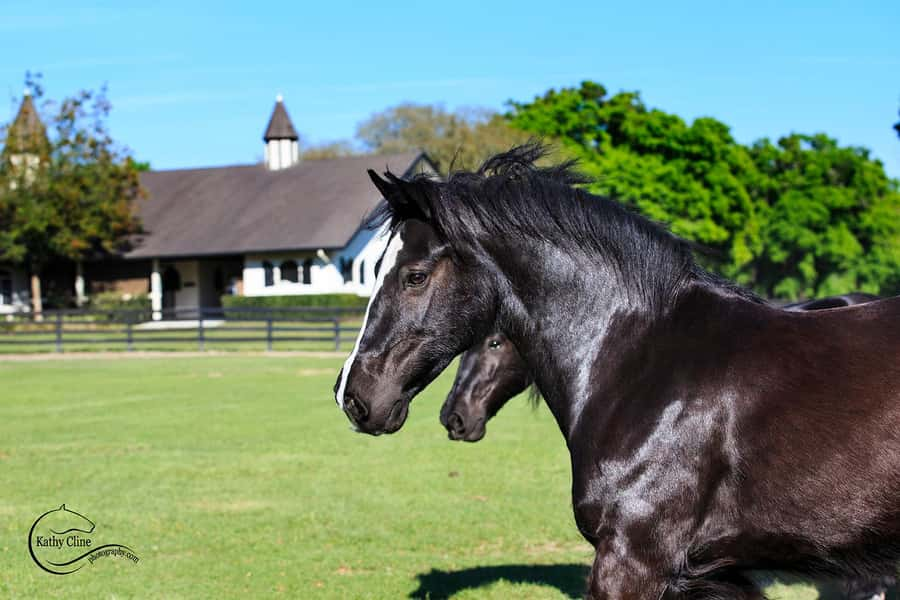
Ocala is famous for horses, but Gypsy Gold Horse Farm adds something different. You’re not just touring barns—you’re learning how British Gypsies shaped a horse style and how that journey crossed the ocean.
I like that it treats the horses as part of a wider human story. The guide doesn’t just say what you’re looking at; you learn why it matters, and how people worked for years to understand the horses and the culture behind them.
You’ll probably leave with two things: a clearer picture of the Gypsy Vanner and a sharper sense of how breeds get created, named, and preserved.
The 2-hour Horses & History tour: lecture, photo-op, then farm time
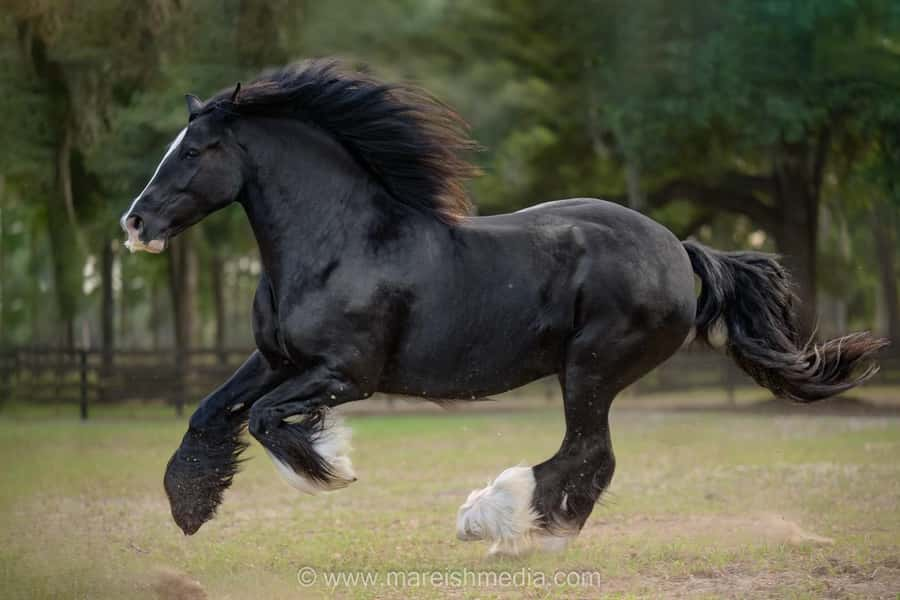
If you book the full 2-hour educational tour, plan for a steady rhythm: sit, look, then walk.
First comes a 1-hour lecture focused on the breed’s history, led by Dennis Thompson. This sets the tone so when you see the horses later, you understand what you’re spotting instead of just admiring the looks.
Then you get a photo-op with a Gypsy Vanner Horse. It’s quick, but it matters because you get that up-close moment without turning the entire visit into a photo session.
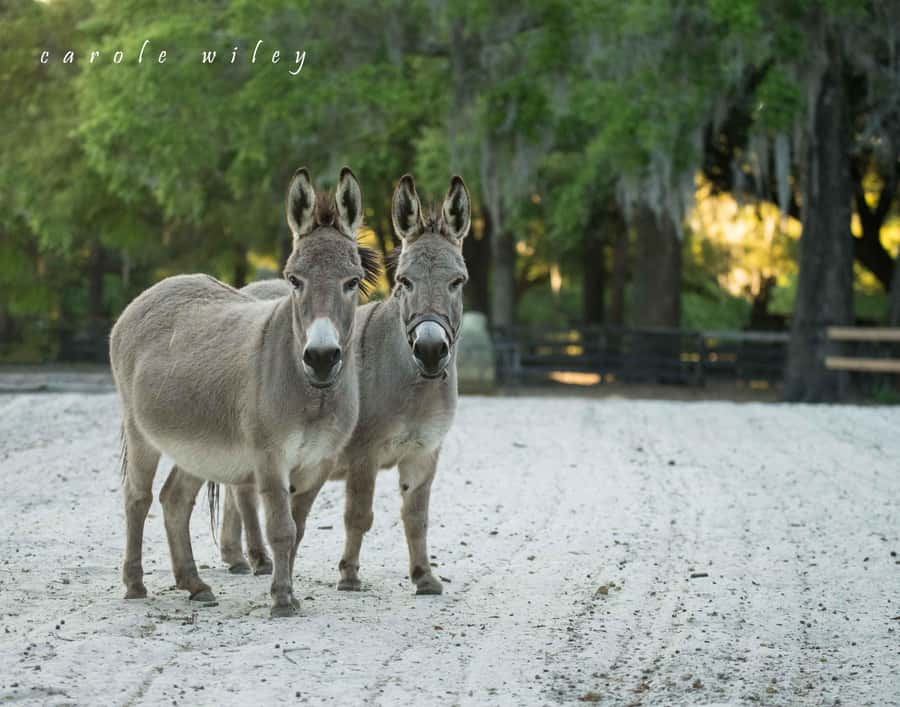
After that, you take a 1-hour guided tour through the farm. This is where you meet the animals—horses first, but also mules, donkeys, and parrots that live on the property. It’s a good mix of education plus real time wandering with someone who can point out what’s going on.
What makes each part worth your time
- The lecture gives you a map for what to notice.
- The photo-op makes the experience feel memorable and personal.
- The farm walk lets you see the animals in their actual setting, not just from afar.
Dennis and Cindy Thompson’s Gypsy Vanner story (and why the details matter)
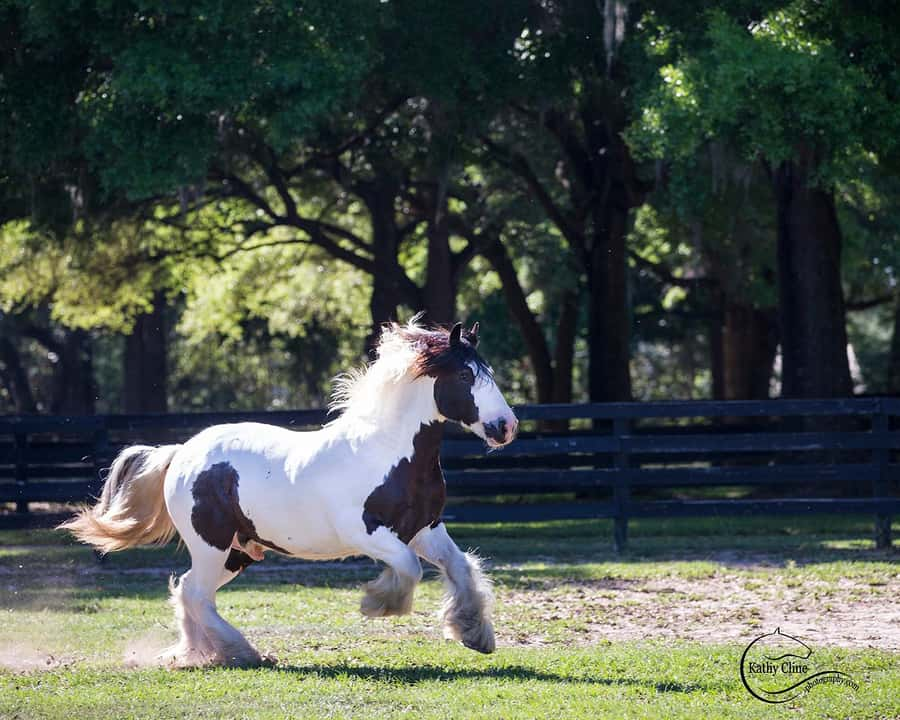
A big reason this tour lands well is that it’s grounded in the people who brought the breed to the U.S. You hear how Dennis and Cindy Thompson found the unusual-looking horse while traveling through the English countryside, and realized it belonged to a Gypsy community.
The story continues with them spending time learning from a Gypsy camp and then starting a longer effort to understand horses raised by British Gypsies. They spent four years working at it, not just for photos or curiosity, but to learn how these horses were raised and valued.
One of the most practical takeaways from the lecture: the tour explains how the breed got its name—Gypsy Vanner Horse—and how the world’s first registry for a breed developed by British Gypsies came together. That registry piece is important because it’s what helps keep the breed’s identity from getting lost over generations.
And the scale is hard to ignore: the original horses started with the first 16 registered, and the breed has grown to about 12,000 in North America. When you hear that number in the context of the first horses, it makes the farm feel like a doorway to the beginning, not a random animal collection.
Meeting Gypsy Vanners and the rest of the farm family
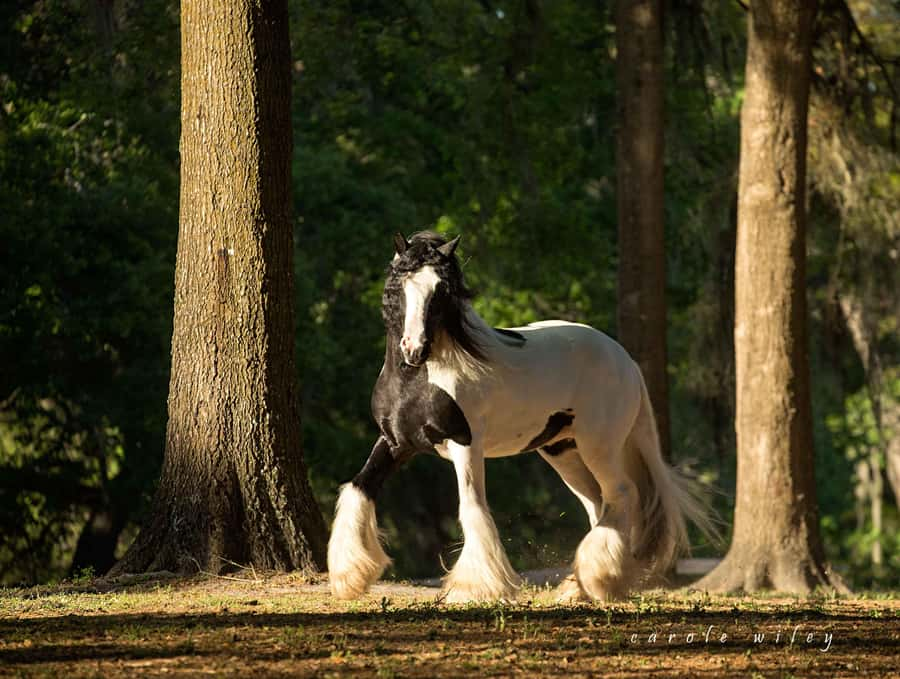
The farm walk is where the story turns visual. You’ll meet the horses, but the tour doesn’t stop there.
On the property, you can see mules, donkeys, and parrots as part of the farm’s daily life. That variety helps the visit feel lively without rushing you from one thing to the next.
I also think the farm setup is a big part of the experience. It’s a 40-acre place, so there’s room for the animals to have space, and for you to explore without feeling herded. You’ll want to keep your expectations realistic: you’re there for an educational guided experience, not a fast drive-by.
Carrot time (and the simple tips that prevent problems)
Bring closed-toed shoes, and if the tour asks you to bring carrots, do it. It’s a nice way to connect with the animals while you’re on the farm—just follow what your guide tells you so it stays calm for everyone.
If you tend to rush on tours, slow down a touch here. You’ll get more out of it when you watch the horses’ behavior and connect it to what you heard in the lecture.
How the 1-hour walking tour fits different travel styles
Not everyone has two hours to spare, and not everyone wants a full lecture. That’s why the shorter 1-hour walking tour can be a better fit.
If you’re mainly there to see the farm and meet the animals, the 1-hour option gets you outside and moving without adding the full classroom time. It’s also a smart choice if you’re traveling with someone who prefers fewer seats and more farm time.
On the other hand, if you want the meaning behind the breed—how the Thompson family discovered the horses, how the name and registry came about—the 2-hour format is the one that gives you the full context.
Price and value: is $50 per person reasonable?
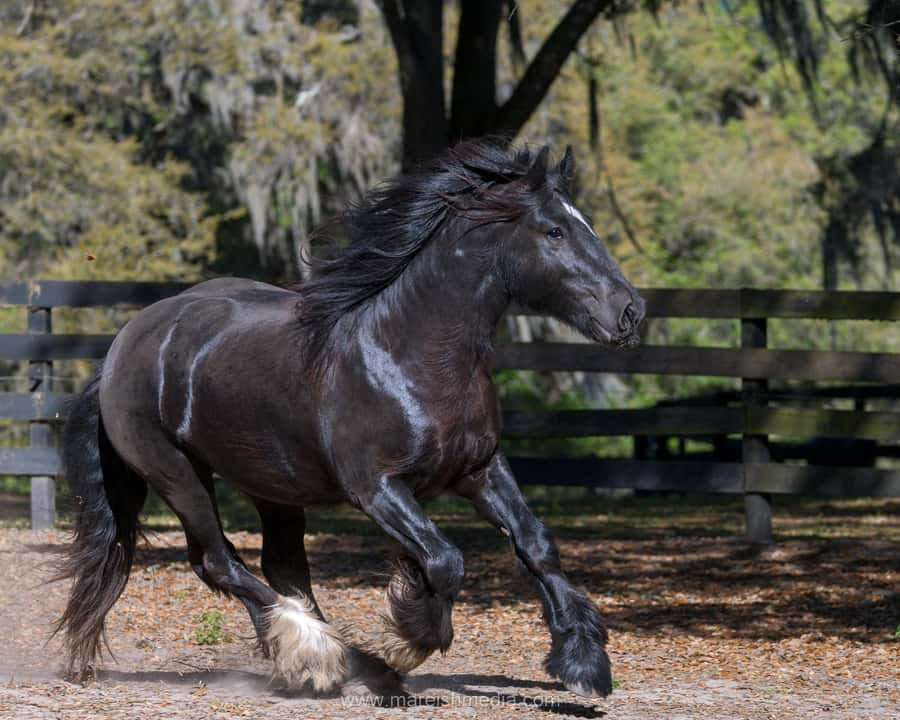
At $50 per person for a 2-hour experience, you’re paying for guided time with a real lecturer and access to a specific, historical piece of horse breeding. This isn’t a generic “look at horses” pass.
Here’s how I judge the value:
- You get a 1-hour lecture from Dennis Thompson, not just casual conversation.
- You visit a farm tied to the first registered horses of the Gypsy Vanner breed.
- You get guided farm time on a 40-acre property, plus a photo-op moment.
If you’re the kind of traveler who likes animal history and cultural context, this price starts to make a lot of sense. If you’re expecting a theme-park-style performance or a long hands-on program, the time and pacing might feel too “real life” and too calm.
My advice: treat it like a small guided seminar plus a farm walk. You’ll feel like you spent your money on something that adds understanding.
What to bring, wear, and remember so the visit is easy
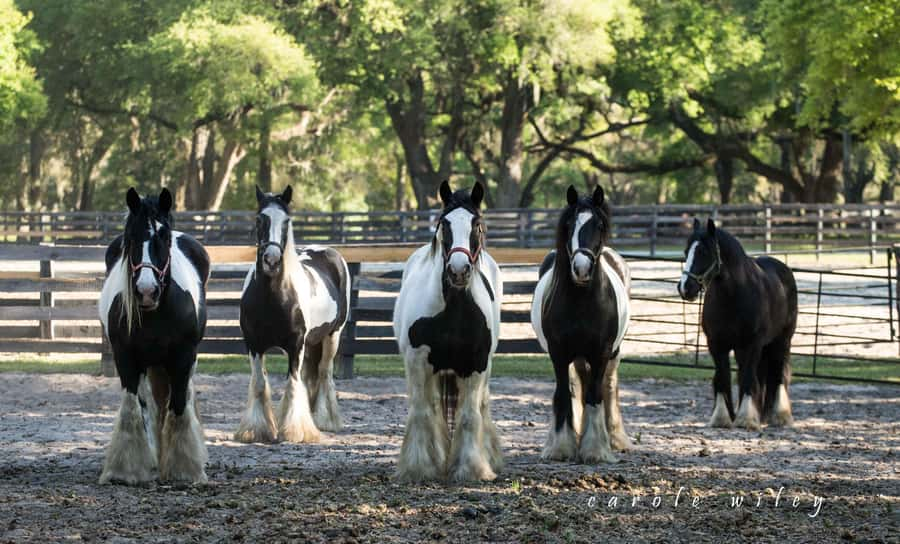
This tour runs on comfort and simple farm sense. Wear closed-toed shoes with decent grip, because you’re walking on a real property.
I’d also plan for Florida weather. Bring water, sunscreen, and a hat. You’ll be outside for the walking part, and it helps to stay comfortable so you can pay attention.
Bring a camera if you want the photo-op moment to be more than just memory. And if you like a little extra interaction on the farm walk, bring carrots if that’s part of your tour prep.
What’s not allowed
Pets aren’t allowed, and smoking isn’t allowed. If you’re traveling with a dog, you’ll need to plan for boarding or a separate activity.
Who this tour is best for (and who should rethink it)
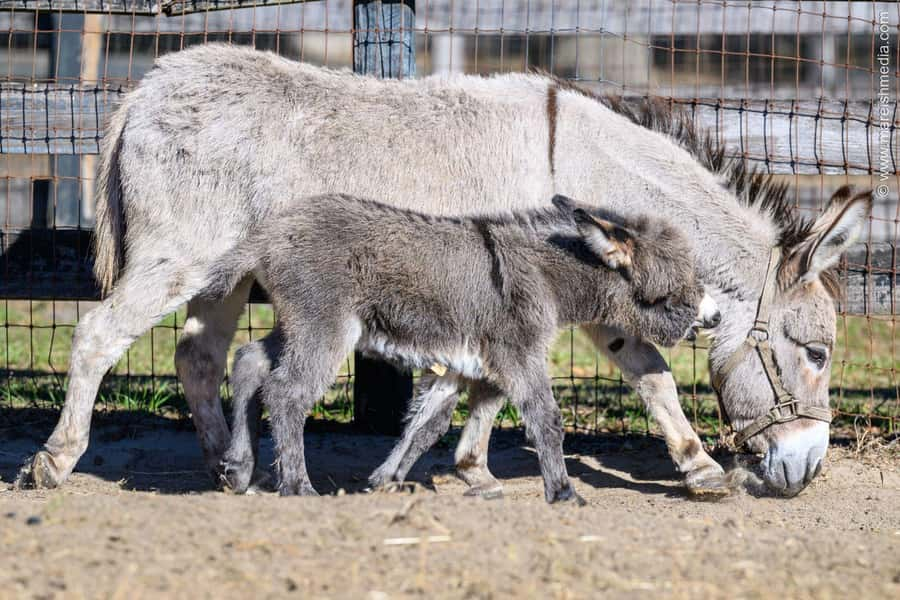
This tour fits best if you like one or more of these things: horse culture, British Gypsy history context, and understanding why a breed developed the way it did.
It’s also a good fit for travelers who want a smaller, focused experience. The tour is described as a private group format, which usually means less crowd chaos and more guide attention.
Two important cautions based on the tour info:
- Wheelchair users: it’s not listed as suitable for wheelchairs.
- People with animal allergies: the tour is not suitable for allergies.
So if you have allergy concerns, don’t gamble. If mobility is an issue, ask before you book and consider another activity style.
Should you book the Ocala Gypsy Gold Horses & History Tour?
I’d book it if you want more than a photo with horses. The combination of Dennis Thompson’s lecture and the farm’s link to the first 16 registered Gypsy Vanners makes the experience feel grounded and specific.
I’d also book it if you enjoy tours where the details are part of the fun. This is the kind of visit where you’ll look at the horses and think, now I understand why they matter.
I’d skip it—or choose the shorter option—if you’re traveling with kids who need nonstop action. The format is educational, and a slower pace is part of the deal.
If you land in the middle—curious adult, horse fan, or history-minded traveler—this is a strong stop in Ocala. It costs $50, lasts about two hours, and leaves you with a story you’ll remember the next time you see a horse that looks like it has a purpose behind the style.
FAQ
How long is the Gypsy Gold Horses & History tour?
The full experience runs about 2 hours, with a 1-hour lecture, followed by a photo-op and then a 1-hour guided tour of the farm.
Are there different tour lengths?
Yes. You can choose a 2-hour educational tour or a 1-hour walking tour.
When do tours run in Ocala?
Tours are available every Monday, Wednesday, Friday, and Saturday. Start times listed are 10:00 AM or 1:30 PM.
What should I bring to the farm?
Bring comfortable shoes, a hat, a camera, sunscreen, water, and closed-toed shoes. Carrots are also suggested for the experience.
What is included in the price?
The tour includes the guided experience (either the 2-hour educational tour or the 1-hour walking tour), learning about Gypsy Vanner horses and British Gypsy culture, access to the first 16 registered horses, and the 40-acre farm visit.
Are pets allowed and is it wheelchair friendly?
Pets aren’t allowed. The tour is not suitable for wheelchair users, and it’s also not suitable for people with animal allergies.