REVIEW · NAIROBI
Full Day Nairobi Cultural and Historical Tour
Book on Viator →Operated by Safari Port · Bookable on Viator
Nairobi hits you fast, and then it keeps going. This guided day strings together downtown landmarks like KICC, Parliament, City Hall, and the Equator Point, then finishes with the Bomas of Kenya show of dance, music, crafts, and homes from across the country. I love the walk-and-learn style, because you get street-level context fast, and you can actually watch culture unfold instead of just hearing about it. The main thing to watch: several entrance fees may cost extra depending on which sites are covered on your day.
You start at 7:30am and the tour runs about 5 to 6 hours. Pickup and drop-off are offered at selected hotel areas, bottled water is listed as included, and guides like Tim, Obed, Steve, and Moses tend to keep the day friendly and on track. If you want lunch, you’ll arrange it locally (vegetarian is possible if you ask when booking), and the tour operates in all weather conditions—so pack for heat or rain.
In This Review
- Key highlights at a glance
- Setting Off at 7:30am: Pickup, timing, and what to bring
- Downtown Nairobi on foot: KICC, Parliament, City Hall, and the Equator Point
- A small tactical tip
- Nairobi National Museum: placing Kenya’s timeline in your head
- What to expect from the time
- Entrance fee reality check
- Giraffe Centre in 30 minutes: A.F.E.W. Kenya and the Rothschild giraffe
- Add-on cost
- Bomas of Kenya: the cultural show with dances, music, crafts, and homesteads
- Entrance fee
- Price and value: what $85 usually covers—and what you should budget
- My practical take
- Guide quality: the real reason this tour feels smooth
- Bottled water note
- Lunch plans and food options: local restaurant time (vegetarian available)
- Weather and comfort: Nairobi changes fast
- Who should book this tour (and who might skip it)
- Should you book this Nairobi Cultural and Historical Tour?
- FAQ
- What is the duration of the Nairobi Cultural and Historical Tour?
- What time does the tour start?
- What is the price per person?
- Is hotel pickup and drop-off included?
- What’s included in the tour price?
- What is not included?
- Is there a vegetarian option for lunch?
- Does the tour run in bad weather?
- Is the tour private?
- Can children join?
- Is free cancellation available?
Key highlights at a glance
- Downtown Nairobi on a guided walk: major landmarks plus the street names and “how a day moves” feel
- Nairobi National Museum in one solid block: artifacts from before, during, and after the colonial period
- Giraffe Centre with a conservation mission: A.F.E.W. Kenya education plus a chance to see the Rothschild giraffe
- Bomas of Kenya performance night-style: singing and dancing with crafts and homesteads from across Kenya
- Guide-led pacing that can flex: some guides work around what you want to skip or spend more time on
- Budget for add-on entrance fees: museum, Giraffe Centre, and Bomas fees are not included, and other fees need confirmation
Setting Off at 7:30am: Pickup, timing, and what to bring
This is a morning-first kind of tour. You start at 7:30am, and you’ll be moving through several parts of Nairobi, so the day stays efficient but not rushed.
What I like for you: hotel pickup and drop-off at selected areas means you’re not doing awkward logistics while you’re figuring out the city. It also helps a lot if you’re new and want a day plan that doesn’t rely on guessing routes. Bottled water is listed as included, but if it’s not handed to you right away, simply ask your guide.
Pack for comfort. You’ll be walking through downtown and spending time outside at the cultural site. Wear shoes you can stand in for a few hours, bring sunscreen, and if rain is a possibility, bring something light that covers you.
Downtown Nairobi on foot: KICC, Parliament, City Hall, and the Equator Point

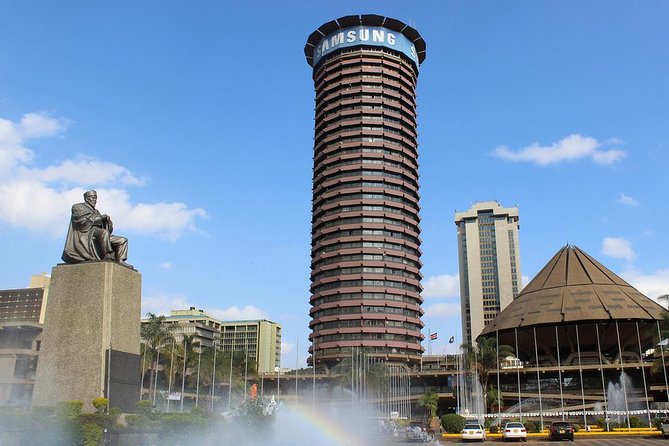
The downtown portion is where the tour helps you get your bearings fast. You begin at the Kenyatta International Conference Center area and move through central Nairobi’s core spaces, including prominent buildings and landmarks like Parliament and City Hall.
You’ll also visit the Equator Point, plus you’ll get oriented around public spaces and practical city details like bus stops. That matters more than you’d think. Nairobi can feel like a place you need a map for—but a guided walk with explanations turns the city from a blur into a set of recognizable pieces.
This part is also a good reality check on day-to-day life. The guide is set up to describe how movement through the business area works, and you’ll hear about what’s happening where, not just what’s painted on a sign.
A small tactical tip
If you’re given a chance to stop around busier areas or markets, take the guide up on it. One guide experience includes helping with navigation through crowded vendor zones and getting quick clarity on how to interact without getting pulled into endless bargaining. Ask your guide to show you the smooth route.
Nairobi National Museum: placing Kenya’s timeline in your head

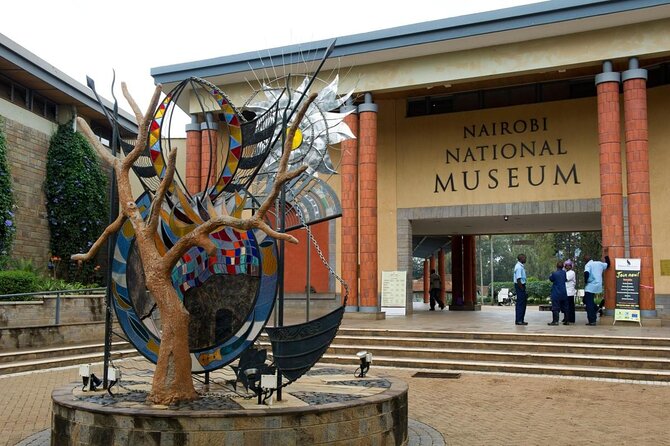
Next comes the Nairobi National Museum, where the focus is clearly on Kenya’s story across time. The museum is described as headquarters for museums in Kenya, and it holds historical artifacts from before the colonial period, during colonial rule, and after.
In a tour like this, the museum does a special job: it gives you context so the rest of the day feels connected. Without that, Bomas might feel like a separate event. With it, you start noticing the bigger threads—how culture, identity, and history stay in conversation.
You’ll also have time to see birds as part of the visit. That’s a nice change of pace if you want a break from reading walls and want something you can look at and react to quickly.
What to expect from the time
Plan on about 2 hours here. That’s long enough to see a few key sections without turning it into a sprint, but it’s not long enough to see everything. Decide ahead of time what you care about most—history timeline, artifacts, or a faster scan—and let your guide point you toward the best use of your time.
Entrance fee reality check
Museum admission is not included. The information also notes a $15 USD entrance fee as an optional item. That’s the kind of add-on that can be totally fine—just keep it in your day budget so nothing surprises you at the gate.
Giraffe Centre in 30 minutes: A.F.E.W. Kenya and the Rothschild giraffe
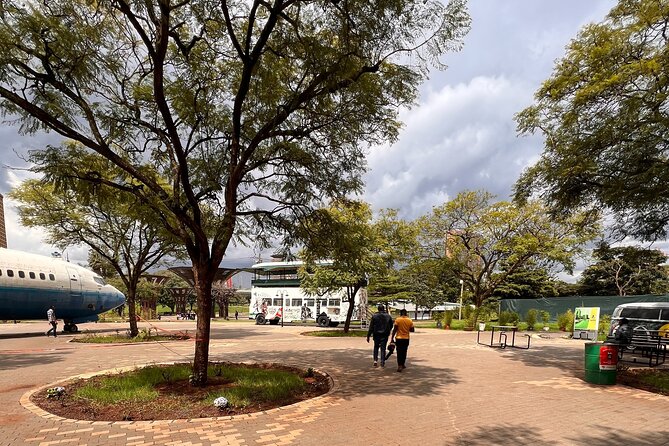
Then you get a short, focused stop at the Giraffe Centre. This is described as an education and conservation effort created by A.F.E.W. Kenya, a Kenyan non-profit.
The big theme is learning. The center’s mission includes educating Kenyan school children and youth about wildlife and the environment, and it also provides a way for visitors to come close to giraffes—specifically the Rothschild giraffe.
Because your time here is about 30 minutes, treat it like a quick reset rather than a full wildlife day. It’s enough time to see what’s special about the place and to take photos if that’s your thing, but not enough time to turn it into a slow safari-style outing.
Add-on cost
Giraffe Centre admission is not included. If you’re working with a tight budget, note that this is one of the straightforward “pay at the site” moments.
Bomas of Kenya: the cultural show with dances, music, crafts, and homesteads

Bomas of Kenya is the emotional payoff of the whole day. This is where the tour goes beyond landmarks and museum artifacts and becomes performance and place.
You’re set up to see dances, crafts, and music, plus homes brought from different parts of Kenya—so the show feels like a living map of the country. Guides also often steer the experience so you understand what you’re watching, rather than it being just movement on a stage.
A key detail here: the Bomas experience is described in many ways as a joy—singing and dancing are specifically highlighted. That’s the part of the day that tends to stick with people because it’s human, loud, and visual.
Entrance fee
Bomas of Kenya entrance fees are not included, so budget for it separately. If you’re the type who hates add-ons, this is the one to plan for early.
Price and value: what $85 usually covers—and what you should budget

At $85 per person for 5 to 6 hours, this tour is aiming to be a high-value “hit the core highlights” day. Here’s what’s included: a local guide, bottled water (listed as included), and hotel pickup and drop-off at selected areas.
What’s not included is where people’s budgets can get nudged. Lunch isn’t included, and entrance fees are listed as not included for the Nairobi National Museum and the Bomas of Kenya. The Giraffe Centre admission is also not included.
There’s also an information inconsistency around entry at Kenyatta International Conference Center: one part says admission ticket included, while the separate “not included” section lists the entrance fee for KICC as not included. Since that’s unclear, I’d treat KICC entry as something to confirm before you show up, so your day doesn’t hinge on a surprise at the checkpoint.
My practical take
If you want guided orientation plus two major culture-and-history stops, plus a conservation-themed giraffe visit, the price can make sense. If you already have your own museum plan and you dislike paying multiple site entrances, you might feel the add-ons more than you’d like.
Guide quality: the real reason this tour feels smooth
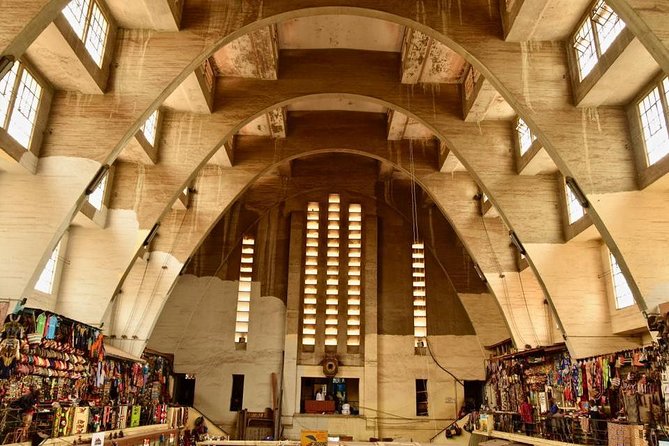
The difference between a good day and a great day is often the guide. In this tour, the names showing up repeatedly include Tim, Obed, Steve, and Moses, and the pattern is clear: they focus on pacing, clarity, and practical help.
A few examples of what you can benefit from:
- Flexible timing: one guide experience mentions working with you on what to skip and what to spend more time on.
- Comfort and explanations: multiple guides are described as making sure people feel at ease while sharing history and culture.
- Handling busy areas: one experience highlights help navigating crowded zones and reducing the risk of unwanted attention.
- On-time starts: arrival on schedule is noted in multiple accounts.
You don’t need a tour guide for the buildings. You need one for the context and the flow. This tour is built around that idea.
Bottled water note
One account mentions bottled water not being provided as expected. It sounds like a mistake, not a design feature. Still, it’s worth checking early in the morning and asking your guide if it doesn’t appear.
Lunch plans and food options: local restaurant time (vegetarian available)
Lunch is optional. You can purchase lunch at a local restaurant, which gives you a chance to eat Nairobi-style instead of defaulting to whatever’s closest to a landmark.
If you need vegetarian food, the tour says a vegetarian option is available if you advise at booking. That’s helpful, because it removes the last-minute scramble for food options in the city.
Practical tip: bring some cash for lunch-related costs and any extra entrance fees. Even in places where cards are common, small purchases can run smoother with a bit of local currency.
Weather and comfort: Nairobi changes fast
The tour operates in all weather conditions. That means rain or sun shouldn’t cancel the plan, so dress appropriately for what you’ll face that day.
Bring layers if you’re unsure. Nairobi mornings can feel different once you’re out walking, and you’ll be exposed during the downtown portion and at the cultural site.
Also, plan for walking time. Even with a vehicle between stops, you’ll still be doing a fair amount of foot movement. Comfortable shoes are not optional.
Who should book this tour (and who might skip it)
Book this if you want a guided day that mixes three things well: downtown orientation, museum context, and a culture show at Bomas. It’s especially appealing if you only have one day in Nairobi and you want to avoid picking just one “type” of activity.
It also suits families, with one condition: children must be accompanied by an adult.
Consider skipping or choosing something else if:
- you hate paying multiple entrance fees,
- you prefer one long stop instead of several shorter ones,
- or you already have detailed plans for museum and cultural performances and don’t need a guided structure.
Should you book this Nairobi Cultural and Historical Tour?
If your goal is a guided introduction that feels practical and enjoyable, this is a strong candidate. The format works: downtown landmarks give you orientation, the museum puts Kenya’s timeline in your head, the giraffe stop adds a conservation angle, and Bomas brings it home with music, crafts, dance, and homesteads.
Just go in with one mindset: some key entrances and lunch are add-ons. If you budget for them—especially museum and Bomas—you’ll likely feel like you got a full day of Nairobi value instead of a “half-day, plus fees” situation.
FAQ
What is the duration of the Nairobi Cultural and Historical Tour?
It runs about 5 to 6 hours.
What time does the tour start?
The start time is 7:30am.
What is the price per person?
The price is $85.00 per person.
Is hotel pickup and drop-off included?
Yes. Hotel pickup and hotel drop-off are offered at selected areas.
What’s included in the tour price?
Included items are bottled water, a local guide, and hotel pickup and drop-off.
What is not included?
Lunch is not included. Entrance fees for Nairobi National Museum (listed as 15USD), and entrance fees for Bomas of Kenya are not included. Entrance fees for Kenyatta International Conference Center and the Giraffe Centre are also listed as not included.
Is there a vegetarian option for lunch?
Yes. A vegetarian option is available—advise at the time of booking.
Does the tour run in bad weather?
Yes, it operates in all weather conditions. Dress appropriately.
Is the tour private?
It’s described as a private tour/activity, with only your group participating.
Can children join?
Children must be accompanied by an adult.
Is free cancellation available?
Yes, you can cancel for a full refund up to 24 hours before the experience’s start time.