REVIEW · GUANAJUATO CITY
Private Historical Tour in the Sierra Santa Rosa by Bicycle
Book on Viator →Operated by Cacomixtle · Bookable on Viator
Three hours can feel like a whole chapter. This private bicycle tour pairs practical riding with on-the-ground history around Guanajuato’s Sierra Santa Rosa, with free entry stops and real local context as you pedal.
Two things I especially like: the guide-led pacing (Jose-style organization and clear setup/instructions) and the way the route mixes views with meaning, from mining-era talk in Valenciana to Nahua roots in Pastita. Your group stays together the whole time, so you don’t get rushed through photos and facts.
One consideration: this is best if you have moderate physical fitness and good weather, since the experience depends on conditions.
In This Review
- Key highlights you’ll care about
- A Private Bicycle Day in Guanajuato’s Sierra Santa Rosa
- Price and what $105 buys you (and why it’s fair)
- Timing that works: 9:30am start and a realistic 3.5 hours
- Hotel pickup: less friction, more pedaling
- The early Valenciana stop: mines, 18th-century context, and why it matters
- Santa Rosa de Lima and the Camino Real de Tierra Adentro
- Monte de San Nicolás temple stop: a quieter landmark with meaning
- Mata Dam: a brief stop that breaks the ride rhythm
- Pastita neighborhood and Paxtitlan: Nahua roots at street level
- The ride style: hills, fire roads, and the easy-but-real outdoors feel
- What’s included (and what to plan for)
- How the guide approach shapes your experience (Jose’s impact)
- Weather, traction, and why the tour cares about conditions
- Who should book this bike history tour
- Should you book the Private Historical Tour in the Sierra Santa Rosa by Bicycle?
- FAQ
- What is the price of the tour?
- How long is the tour?
- Where does the tour take place?
- Is pickup included?
- What time does the tour start?
- What language is the tour offered in?
- Does the tour include bicycle use?
- Are admission tickets included for the stops?
- Is the tour private?
- What about cancellation and bad weather?
Key highlights you’ll care about
- Hotel pickup + private timing: start at 9:30am and ride as your group moves, not with a crowd shuffle
- Free admission stops: Santa Rosa de Lima, Monte de San Nicolás, and Pastita have free ticket access listed
- Mining, roadways, and Nahua place-names: Valenciana’s mine story, Camino Real de Tierra Adentro context, and Paxtitlan naming
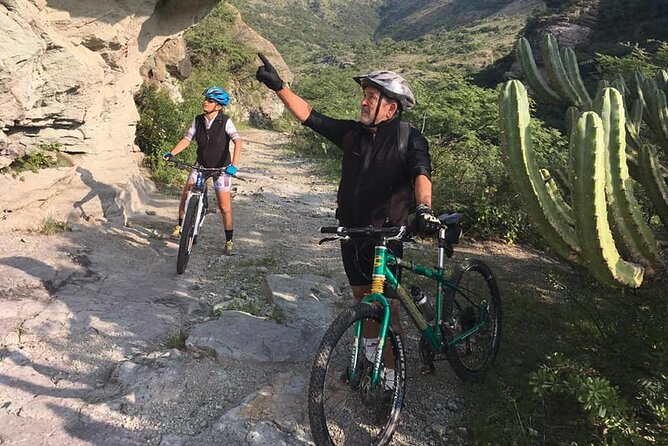
- Mostly downhill riding on fire roads: praised as technically and physically easy, with hills and mountains outside the city
- Small scenic pauses: including a break near Mata Dam
- Included comfort basics: bicycle, bottled water, accident insurance, and private transportation
A Private Bicycle Day in Guanajuato’s Sierra Santa Rosa
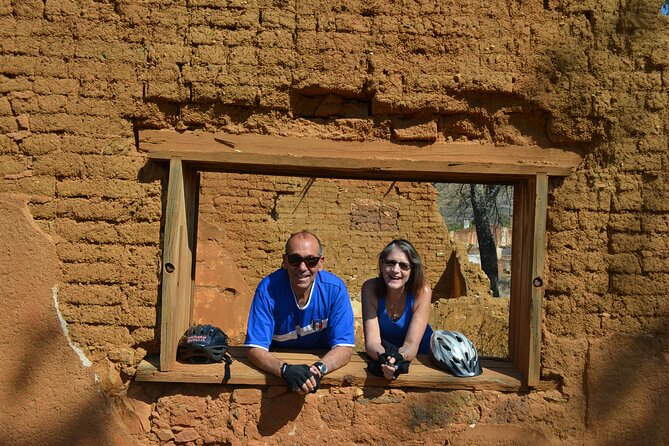
If you like your history with legs and momentum, this one fits. Instead of sitting in one place and watching Guanajuato pass by, you move through the hills and neighborhoods at a human pace. You’re still in the real world—roads, slopes, and stops where a guide can explain what you’re actually seeing.
This is a private tour, so your experience is shaped around your group. That matters more than it sounds. When you can ask quick questions, linger half a minute longer, or slow down for the person who needs it, the whole day feels less like a checklist and more like a guided walk you just happen to do on a bike.
And yes, it’s meant to be rideable. One of the biggest themes in the feedback is that the ride feels straightforward: mostly downhill on fire roads, with an effort level described as easy to moderate rather than athletic challenge mode. That’s the sweet spot for many visitors—enough movement to feel like you got outside, but not so much that you dread the next pedal stroke.
Price and what $105 buys you (and why it’s fair)
At $105 per person, you’re paying for more than a bicycle rental. You’re getting a guided, organized half-day with multiple elements bundled in: bicycle use, bottled water, accident insurance, and private transportation.
Private transportation is a quiet value here. Getting out of the city and into the surrounding areas can cost time and hassle on your own, especially if you’re trying to thread together historic sites without a car. This tour handles the moving parts, then focuses your energy on the ride and the explanations.
It’s also a practical price for a group that wants structure. The tour runs about 3 hours 30 minutes, so it’s long enough to feel like you did something meaningful, but not so long that it swallows your whole day. For many travelers, that’s the difference between a nice outing and a full-day commitment you’ll regret later.
Timing that works: 9:30am start and a realistic 3.5 hours
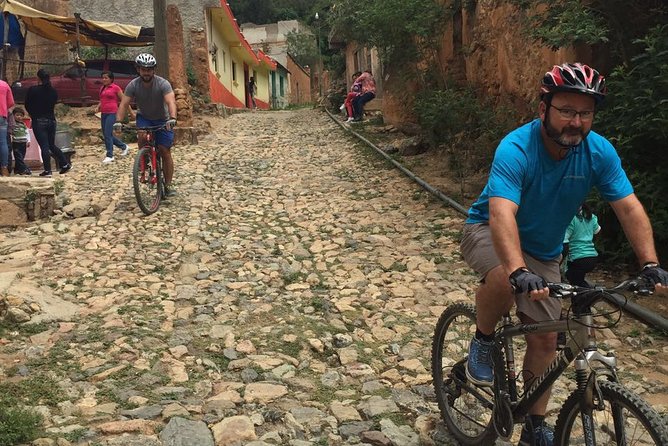
The start time is 9:30am, which is ideal in Guanajuato—morning is usually kinder for both comfort and energy. You also get the benefit of finishing early enough to plan lunch or explore the city center afterward.
Plan for the full 3 hours 30 minutes as a real block. That includes setup, riding between points, and the short stops where the guide talks through what you’re seeing. Even when stops are brief, they add context. When the tour works well, you’ll feel like each pause answers the question What am I looking at?
Hotel pickup: less friction, more pedaling
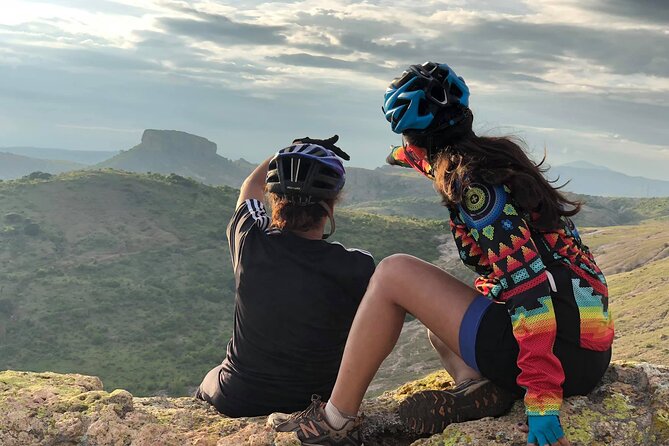
The tour offers pickup, with instructions coordinated after booking. You get in touch with the provider so you can agree on the details once you’re at your hotel.
This is a big deal in Guanajuato City, where getting from the center to outlying neighborhoods and sites can mean navigating streets that are easy to misread if you’re on foot or relying on random rides. Pickup keeps the day simple: you start moving sooner and you don’t lose time to figuring out logistics.
One practical tip: be ready to go when the pickup window starts. You don’t want to hold up the group while you finish last-minute errands.
The early Valenciana stop: mines, 18th-century context, and why it matters
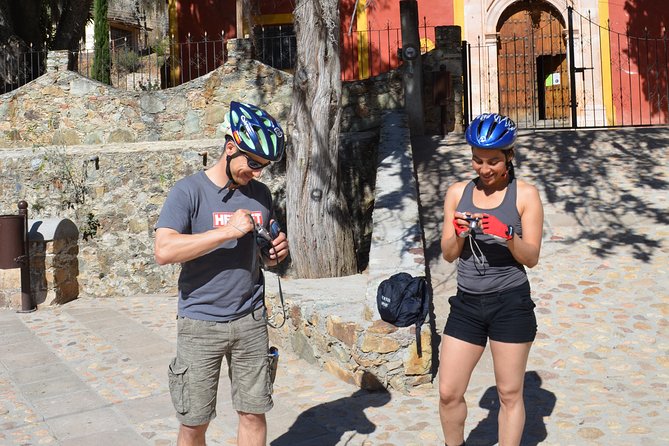
Right after pickup, you head through the Valenciana neighborhood. The focus is the significance of a mine in the 18th century, and the guide uses that context to make the area feel more than just a map location.
Here’s why I like this first move. It gives you a framework before you start stacking scenic viewpoints. Once you understand the mining connection, later details—roads, neighborhood placement, and how people used routes—feel like they connect to real economic life, not just scenery.
If you’re the type who wants history that explains cause-and-effect, this stop sets up the rest of the ride. You’ll likely find yourself listening for the “why” behind each next location rather than treating everything as separate sights.
Santa Rosa de Lima and the Camino Real de Tierra Adentro
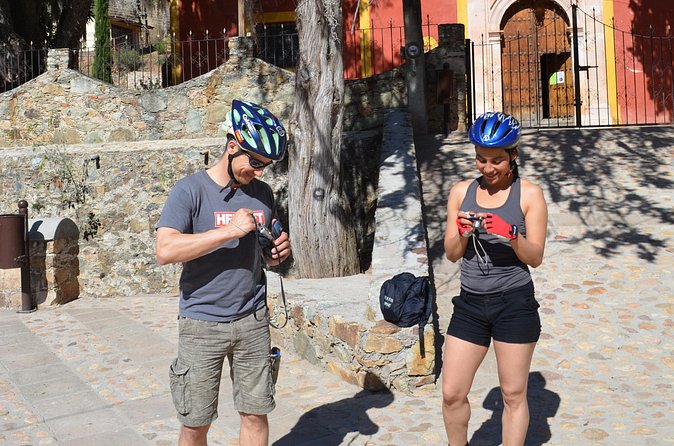
Next comes Santa Rosa de Lima, where the equipment is prepared and you’re given instructions. That short setup period is important: you want to be comfortable before you start climbing or descending.
From there, you cross a section of road from Santa Rosa de Lima toward Mexicanos. This segment is part of one of the gaps of the Camino Real de Tierra Adentro. Even if you’ve heard the phrase before, this kind of on-route explanation is what turns a name into a feeling. You’re not just looking at a place—you’re traversing the connection people once relied on.
You also get a listed free admission ticket here, which is a nice bonus. Without needing to pay additional site fees, you can keep the focus on the ride and the stories.
A drawback to keep in mind: roads and route segments can mean uneven surfaces or changes in slope. The ride is described as technically easy by riders, but you’ll still be on real outdoor infrastructure. Go slow where you need to and trust the guide’s pacing.
Monte de San Nicolás temple stop: a quieter landmark with meaning
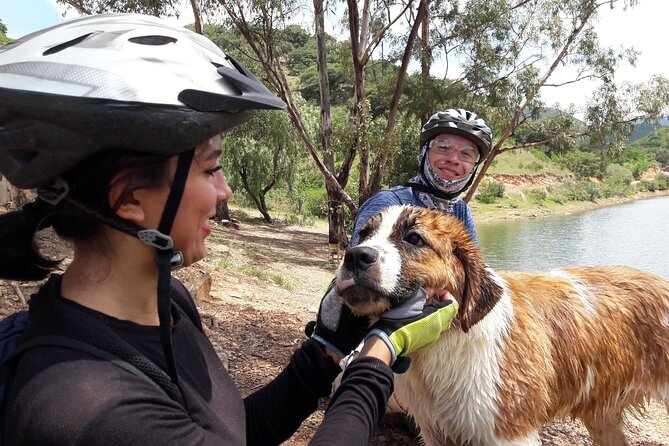
At Monte de San Nicolás, you stop at the Temple of Mineral del Monte de San Nicolás. This is one of those pauses where the landscape opens up your sense of place. Temples and church buildings in Guanajuato often reflect how communities formed around work, transit, and neighborhood life—so even a short stop can add weight to what you’ve been hearing.
The listed admission ticket here is also free, so you’re not losing time or budget to entry fees. It’s a good moment to step off the bike, take in the architecture, and let the guide tie the temple to the broader story of the region.
If you’re hoping for a super long museum-style break, don’t expect that. This is a ride-forward tour with short, purposeful stops.
Mata Dam: a brief stop that breaks the ride rhythm
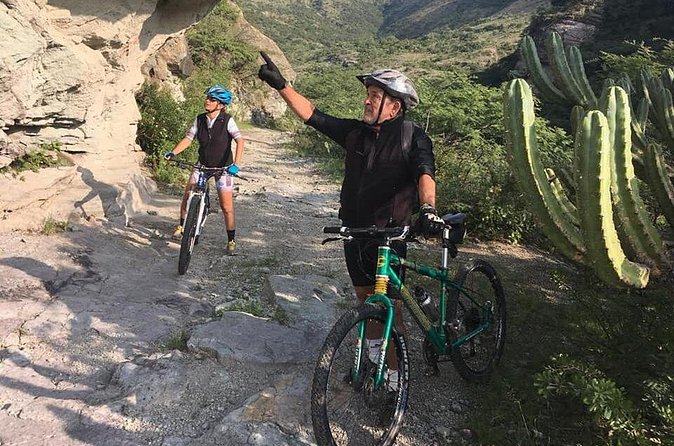
You make a brief stop near Mata Dam. Think of this as your reset point: enough time to breathe, take photos, and refocus before the next stretch.
Even when it’s not the main history topic, this kind of scenic interruption matters. It helps you recover from the physical rhythm of riding and lets the guide keep the day moving without rushing you through everything.
From a practical standpoint, I’d treat this stop as your moment to drink water and check how your legs feel. It’s easy to get carried away early; a quick mid-tour rhythm check keeps the final segment enjoyable.
Pastita neighborhood and Paxtitlan: Nahua roots at street level
The ride ends in Pastita, an older neighborhood described as one of the first areas for the Nahuas. The origin of the name is tied to paxtle, linked to the meaning Paxtitlan.
This is where the tour feels most grounded in living culture. Mining stories are big and dramatic, but place-names and neighborhood histories give you the other side of the timeline: how local communities were rooted before or alongside later development.
You also have a listed 20-minute stop here and free admission is noted. That’s enough time to walk a bit, listen carefully, and soak in what makes the neighborhood feel distinct from the city center.
If you like your travel with layers—political history, economic history, and local identity—Pastita is the kind of finale that sticks.
The ride style: hills, fire roads, and the easy-but-real outdoors feel
This bike tour is described as a mountain bike tour outside Guanajuato, with a route through hills and mountains. One rider praised that it was mostly downhill on fire roads, and also called it technically and physically easy.
That combination is ideal for many first-timers. You still get to feel the Sierra outside the city, but you’re not doing a full-on endurance grind. Downhill stretches mean your legs get moments of rest, while the guide can keep you safe and on route.
Still, don’t treat it as a casual stroller ride. Outdoor riding has variables: uneven patches, changes in traction, and the simple fact that you’re on open air hills. Moderate fitness is specifically mentioned, so if you know you struggle with slopes, plan to take it slow and follow the guide’s pacing.
What’s included (and what to plan for)
The tour includes:
- Use of bicycle
- Accident insurance
- Bottled water
- Private transportation
And the only clear miss is snacks: snacks are not included.
So I’d do one small prep move: have a simple breakfast beforehand or plan to grab food right after. A 3.5-hour active day can quietly drain energy, and waiting until you finish may leave you hungry and cranky.
Also, the tour uses a mobile ticket, which is handy. You’ll want to have your phone charged and accessible at pickup and check-in time.
How the guide approach shapes your experience (Jose’s impact)
One review highlighted a guide named Jose and called the whole experience well organized, with an easy-to-ride bike and strong instructions.
That points to something you’ll feel during the tour: the difference between random riding and guided riding. When the guide sets you up properly and explains what’s coming next, you relax. You can focus on the history and the views without worrying about whether you’re doing the wrong thing on the next stretch.
This matters even more for a private tour, because the guide isn’t just moving you along—they’re shaping the tempo for your group. Clear instructions at the start can make the later stops feel smoother and more enjoyable.
Weather, traction, and why the tour cares about conditions
The experience notes that it requires good weather. If weather cancels the tour, you’ll be offered a different date or a full refund.
That’s not just fine print. Outdoor bike routes can get slippery or unsafe in rain or poor conditions. If your travel dates are flexible, this tour can be a great fit. If your schedule is tight, having a backup plan for a “rain day” matters.
When weather looks uncertain, consider choosing light layers and being ready for a change in plan. The tour is short enough that switching dates usually won’t wreck your whole itinerary.
Who should book this bike history tour
This is a strong choice if:
- You want a private guided experience with hotel pickup
- You like history but prefer learning while moving
- You want a mostly easy ride with hills and outdoor scenery
- You’d enjoy short, focused stops at meaningful places like Santa Rosa de Lima, Monte de San Nicolás, Mata Dam, and Pastita
It may be less ideal if:
- You’re not comfortable with moderate physical effort
- You hate outdoor riding in changing terrain
- You need lots of long indoor breaks (this tour keeps moving)
Should you book the Private Historical Tour in the Sierra Santa Rosa by Bicycle?
If your idea of a perfect day is active, guided, and story-driven, I think you’ll like this. The combination of hotel pickup, a bike that’s described as easy to ride, free admission stops, and a guide who keeps things organized (Jose) hits a sweet spot for value.
For your decision, I’d weigh two things: your comfort level with hills and your flexibility around weather. If you can meet both, you’re set up for a memorable half-day that links Guanajuato’s mining-era world with Nahua place history—without making you sit still for hours.
FAQ
What is the price of the tour?
The price is $105.00 per person.
How long is the tour?
It lasts about 3 hours 30 minutes.
Where does the tour take place?
It’s in and around Guanajuato City, Mexico, focused on the Sierra Santa Rosa area.
Is pickup included?
Yes. Pickup is offered, and you’ll coordinate the details with the provider once you’re at your hotel.
What time does the tour start?
The start time is 9:30am.
What language is the tour offered in?
The tour is offered in English.
Does the tour include bicycle use?
Yes. Bicycle use is included.
Are admission tickets included for the stops?
Admission tickets are listed as free for Santa Rosa de Lima, the Temple of Mineral del Monte de San Nicolás, and Pastita.
Is the tour private?
Yes. It’s a private tour/activity, and only your group participates.
What about cancellation and bad weather?
You can cancel for a full refund if you cancel up to 24 hours in advance. The experience requires good weather, and if it’s canceled due to poor weather you’ll be offered a different date or a full refund.