REVIEW · PUNTA ARENAS
Punta Arenas: Fort Bulnes Historical Tour
Book on GetYourGuide →Operated by Go Patagonia · Bookable on GetYourGuide
Fort Bulnes makes the Strait of Magellan feel human. I like how this tour mixes a reconstructed 1843 fort with an interpretive center that explains both human life and the natural setting of the Strait of Magellan. Add in stops at the O’Higgins lighthouse, church, post office, jail, and stables, and you get more than photos—you get the sense of how an isolated outpost worked day to day.
One thing to keep in mind: pickup and timing can be less than smooth, so plan for a short wait and don’t expect tons of extra time inside every building if the day runs behind.
In This Review
- Key things to know before you go
- Punta Arenas to Fort Bulnes: a 4.5-hour day with a lot of stops
- Hito de la Mitad de Chile: the quickest stop that hits hardest
- Estrecho Park and the visitor center: how the Strait shaped people
- Fuerte Bulnes sightseeing: the reconstructed fort that actually helps you picture life
- O’Higgins lighthouse, church, post office, jail, and stables
- Strait viewpoint: the panoramic payoff (and what to do with your camera)
- Price and value at about $46: when it makes sense
- Who this Fort Bulnes tour fits best (and who should rethink it)
- Should you book the Punta Arenas Fort Bulnes Historical Tour?
- FAQ
- How long is the Punta Arenas Fort Bulnes Historical Tour?
- Do I get pickup from my accommodation in Punta Arenas?
- What stops are included during the tour?
- Is there a live guide, and what languages are offered?
- Are entrance tickets included in the price?
- How big is the group?
- Is there free cancellation?
Key things to know before you go
- Small group (up to 10) makes it easier to hear the guide and move as a unit
- Fort Bulnes reconstruction gives you a practical way to picture life at the edge of the Strait
- Centro de visitantes exhibits connect the fort to the Strait of Magellan’s human and natural story
- O’Higgins lighthouse + church + post office turn history into visible places you can stand in
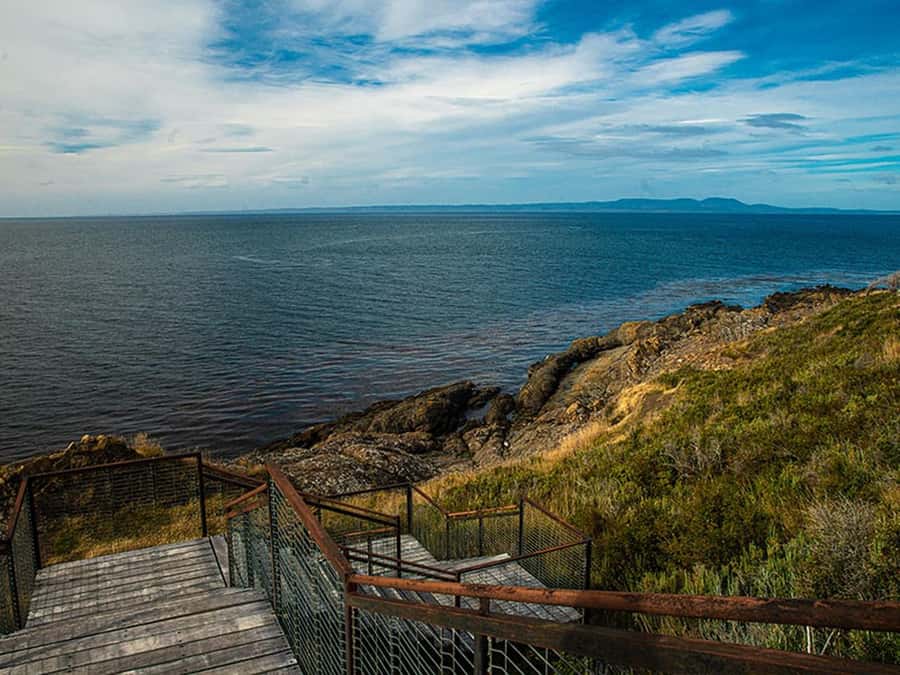
- Panoramic Strait viewpoint is the payoff if you like looking over big water
- Hito de la Mitad de Chile is a quick, satisfying photo stop with a scale-bending idea
Punta Arenas to Fort Bulnes: a 4.5-hour day with a lot of stops
This is a half-day excursion in a van, totaling about 270 minutes. You’ll start with pickup from your accommodation in Punta Arenas, then ride roughly 45 minutes to Fort Bulnes. The drive matters more than you might think. The driver-guide shares context about why this remote area mattered, so when you finally see the fort sites, things click faster.
The group is limited to 10 people, which helps with questions and staying on schedule. You’ll hear explanations in English or Spanish (English/Spanish are both offered), but if you’re sensitive to language mix, it’s smart to confirm what language you’ll get at booking so you’re not adjusting on the fly.
Dress for a coastal place. Even when the sun is out, the Strait area can feel cold, and wind shows up fast. Warm clothing is not optional. Bring your passport or ID, and if there are entrance-related costs on site (they’re not included), bring some cash just in case.
Hito de la Mitad de Chile: the quickest stop that hits hardest
Right after you leave the city, you’ll make a photo stop at Hito de la Mitad de Chile—the geographical landmark considered the middle of Chile, stretching from the northern limit to the South Pole. It’s short, but it’s one of those stops that changes your sense of scale.
What I like about this kind of stop is that it’s not just trivia. Standing there helps you understand why the Strait region held strategic importance. Distances in Chile aren’t theoretical. You feel them.
Practical tip: have your camera ready before you arrive. This is a photo-first moment, not a long wander. If you’re traveling with someone who loves landmarks, this part usually makes them happy even if they’re not history-first.
Estrecho Park and the visitor center: how the Strait shaped people
Before you even get to the reconstructed fort buildings, you’ll visit Estrecho Park and then the visitor center (Centro de visitantes). This is where the tour earns its keep—because it gives you a framework for what you’re about to see.
At the visitor center, you’ll find exhibits focused on the human and natural history of the Strait of Magellan. That pairing matters. The Strait isn’t just a pretty waterway—it’s tied to survival, movement, and how settlements made sense in a tough environment.
This is also where you’ll get the tour’s core historical anchor: Fort Bulnes was founded in 1843 under the leadership of Manuel Bulnes, inspired by Bernardo O’Higgins. The fort was established to secure the strategic and economic potential of the Strait of Magellan. Even if you don’t memorize dates, you’ll understand the why: the fort exists because the Strait mattered, and the Strait demanded a presence.
I also like that this section helps you see the rest of the stops as part of one system. You’re not bouncing between random buildings. The tour builds a picture of a functioning outpost.
Fuerte Bulnes sightseeing: the reconstructed fort that actually helps you picture life

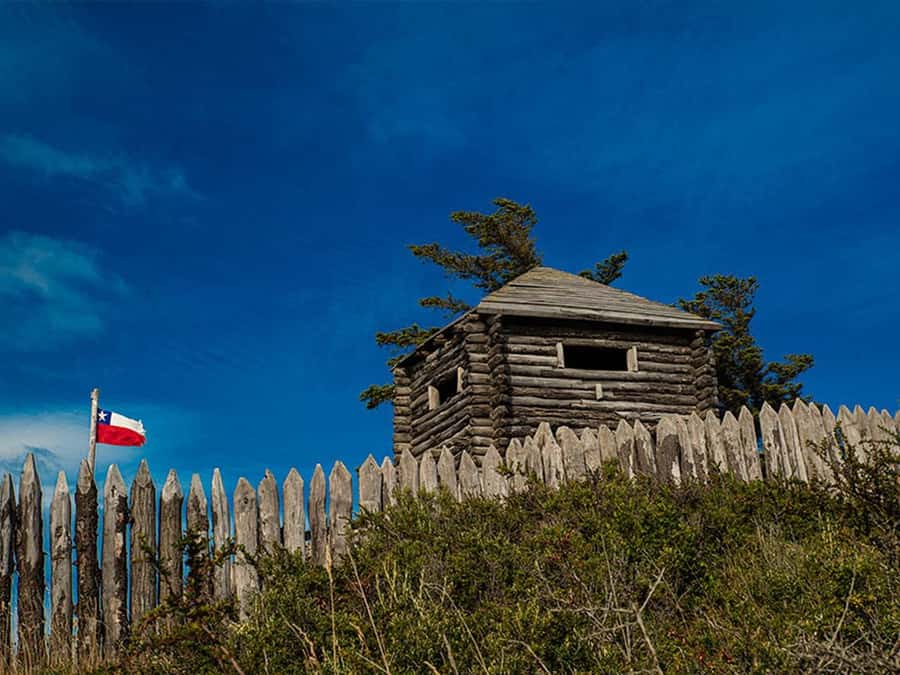
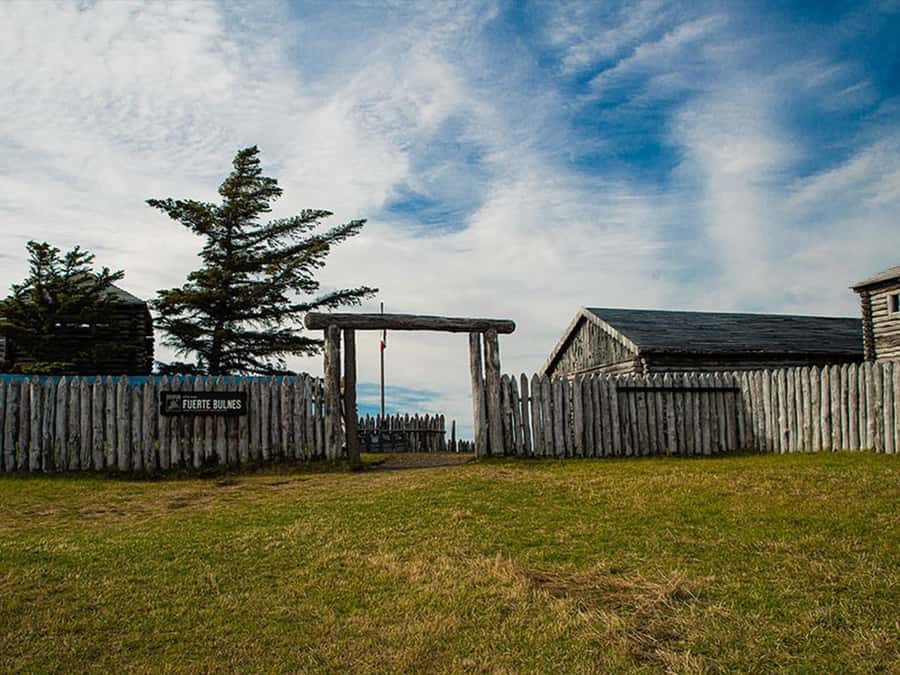
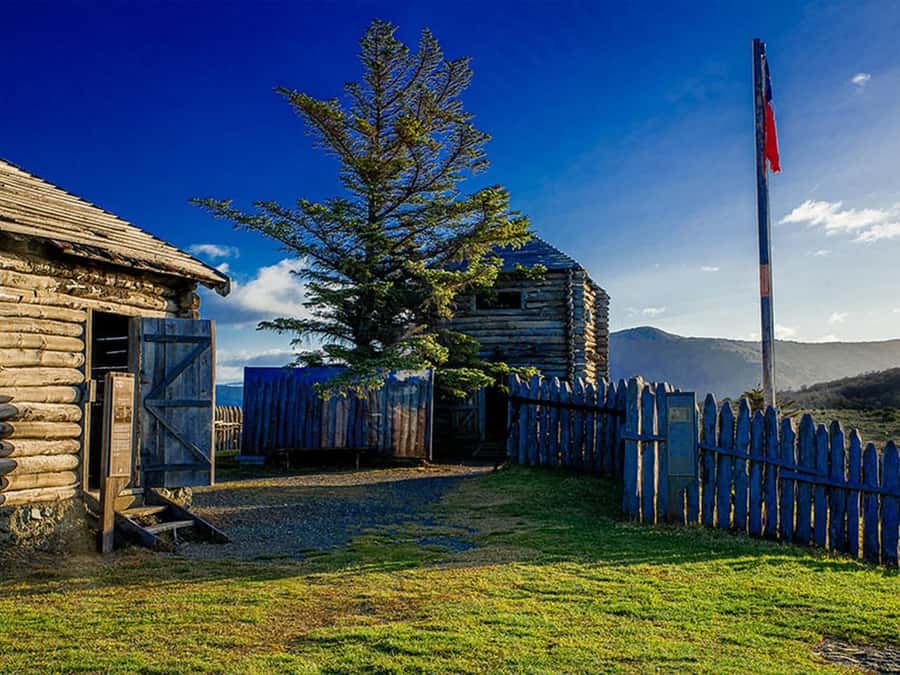
Now for the main event: Fuerte Bulnes (Fort Bulnes), where you’ll see the historical reconstruction of the fort. A reconstruction can go either way—either it feels like scenery or it feels like a tool. Here, it tends to work as a tool because the guide connects each building to the daily rhythm of the settlement.
The fort’s layout and structures help you understand how an isolated location could function. You’ll be moving between points that represent roles and routines—places where someone might receive news, handle communication, worship, or keep watch.
One consideration: time can be tight for the extra “choose your own adventure” moments. If you want both a slower stroll around buildings and a longer boundary lookout walk, you may have to make a trade. When schedules tighten, you’ll likely get the main stops and explanations, but not every optional add-on.
A good mindset: treat this as a guided orientation first. If you love it, you’ll know what to look for on any later return.
O’Higgins lighthouse, church, post office, jail, and stables
This is the part of the tour that turns history from words into places. You’ll visit the O’Higgins lighthouse, plus the church, post office, jail, and stables—and more stops in that same “what life looked like” category.
Here’s why I think these locations are smart choices for a guided day:
- The O’Higgins lighthouse is a practical reminder that visibility and navigation mattered in the Strait area. Even if you’re not a sailor, you can see how light and direction would shape safety.
- The church grounds you in daily life. Outposts weren’t just work sites; people needed belief, routine, and community.
- The post office signals connection. In a remote area, communication isn’t a convenience—it’s survival.
- The jail reflects order and control, which is often what holds a functioning settlement together.
- The stables bring it back to logistics—animals and transport are usually the unsung backbone of how places ran.
The guide experience can make a big difference here. Some days, you’ll get a guide who makes the history easy to follow and genuinely fun. For example, Cristofer was noted for being friendly and entertaining, and Romina was praised for describing the fort’s history and the region in an interesting way. That kind of storytelling helps you stop thinking of this as “a set of buildings” and start thinking of it as “a community under pressure.”
Strait viewpoint: the panoramic payoff (and what to do with your camera)
After the fort and visitor stops, you’ll head to the Strait viewpoint for panoramic views. This is your big scenery reward, and it’s also a moment for your brain to connect what you learned to what you’re seeing.
What to look for: don’t just shoot wide angles. Take a few minutes to identify the direction of the water and imagine how ships would have moved through the Strait. The lighthouse stop earlier helps you do this. It’s like the tour gives you a mental “map,” then lets you test it with your eyes.
If the weather cooperates, this is the best place to slow down. Even if your guide is keeping a lively pace, you’ll want time here for photos and a quick breath. This is where Fort Bulnes earns its reputation as one of the better view points over the Magellan Strait.
And yes, bring your warm layers for this section. Viewpoints tend to get wind.
Price and value at about $46: when it makes sense
At around $46 per person, the question is value for time and content. In this case, the price is fairly easy to justify because you’re getting:
- Transport included (pickup and return from your Punta Arenas accommodation)
- A live driver-guide
- Multiple guided stops tied to one theme: Fort Bulnes and the Strait of Magellan
- Small group size (up to 10), which often improves the quality of the explanations
Entrance tickets are not included, so if there are paid exhibits at the visitor center or specific sites, you may need to factor that into your budget. The tour also doesn’t list exact entry prices, so bring a little flexibility. Cash can help if anything is payable on site.
I think this tour is a solid match if you:
- Want a guided historical day without the hassle of renting a vehicle
- Like forts, coastal strategy, and “why this place mattered”
- Prefer a small group pace over a crowded bus day
It’s not the best pick if you want maximum free time or a fully flexible itinerary. This is structured. You’ll get guided flow, not hours of wandering at your own speed.
Who this Fort Bulnes tour fits best (and who should rethink it)
Best fit:
- History lovers who enjoy learning while walking between real sites
- Travelers who want a clear, organized day trip from Punta Arenas
- People who appreciate scenic stops, especially the Strait viewpoint and the middle-of-Chile landmark
Consider a different option if:
- You strongly dislike structured schedules and prefer long independent exploration
- You’re hoping for lots of extra time at the fort for optional walks beyond the main sequence
- You need very clear, guaranteed pickup coordination and perfect timing (the pickup can be a bit unclear, and delays can happen)
If you’re traveling in a pair or small circle, the small group size usually makes the day feel calmer. If you’re solo, you still get individual attention, but you should expect the guide to manage the full group’s timing.
Should you book the Punta Arenas Fort Bulnes Historical Tour?
I’d book it if you want a compact, guided taste of the Strait of Magellan through one of the most directly tied sites in the region: Fort Bulnes, plus the visitor center, O’Higgins lighthouse, and the Strait viewpoint. The structure is good, the theme is consistent, and the small group size keeps the explanations practical.
I’d think twice only if you’re the type who gets stressed by small schedule wrinkles. If that’s you, don’t fight it—just build in a little patience and confirm your pickup details up front. Also dress warm and plan your photos early at the quickest stops like Hito de la Mitad de Chile.
FAQ
How long is the Punta Arenas Fort Bulnes Historical Tour?
The tour duration is about 270 minutes, roughly a half day.
Do I get pickup from my accommodation in Punta Arenas?
Yes. The tour includes transportation from your accommodation in Punta Arenas and return transportation at the end.
What stops are included during the tour?
You’ll visit the Hito de la Mitad de Chile photo stop, Estrecho Park, the Centro de visitantes, Fort Bulnes sightseeing, the Strait viewpoint, and sites including the O’Higgins lighthouse, church, post office, jail, and stables.
Is there a live guide, and what languages are offered?
Yes, there is a live driver-guide. Languages offered are English and Spanish.
Are entrance tickets included in the price?
No. Entrance tickets are not included.
How big is the group?
The group is small, limited to 10 participants.
Is there free cancellation?
Yes. You can cancel up to 24 hours in advance for a full refund.