REVIEW · RALEIGH
Raleigh African American History Tour
Book on GetYourGuide →Operated by Triangle Walking Tours · Bookable on GetYourGuide
Raleigh’s downtown tells stories fast. This Raleigh African American History Tour is a focused, 1-hour walk that connects major Black landmarks in central Raleigh, guided by a local historian.
What I love most is the quality of the human guide and the tight route. The historian runs the show with real context (and Andrew is a standout for being both well-studied and clearly passionate), and you hit several meaningful stops without wasting time.
One possible drawback: it’s a walking tour. If you’re sensitive to time on your feet, plan for a steady pace and bring whatever helps you stay comfortable for the full hour.
In This Review
- Key highlights to look forward to
- Why this Raleigh walking tour works so well in just one hour
- Meeting at 420 Fayetteville St: get your bearings quickly
- East Hargett Street: Raleigh’s Black Main Street in walking form
- Why these buildings matter more than you might expect
- East Davie Presbyterian Church: politics, architecture, and community leadership
- A practical note for this stop
- Cabarrus Street: music, entertainment, and what’s left behind
- How to make this part stick
- The guide experience: Andrew’s style is the real driver
- Price and value: $19 for an hour that concentrates the important stuff
- Who this tour is best for
- A balanced way to plan your day around it
- Should you book the Raleigh African American History Tour?
- FAQ
- How long is the Raleigh African American History Tour?
- How much does the tour cost?
- Where do I meet the tour?
- What will we see during the tour?
- Is the tour guided?
- What language is the tour in?
- Is the tour wheelchair accessible?
- FAQ
- Is there free cancellation?
- Can I reserve now and pay later?
Key highlights to look forward to
- Andrew’s on-the-ground storytelling brings the people and buildings into focus
- East Hargett Street Black Main Street gets the spotlight with named stops
- East Davie Presbyterian Church is treated as a major community landmark
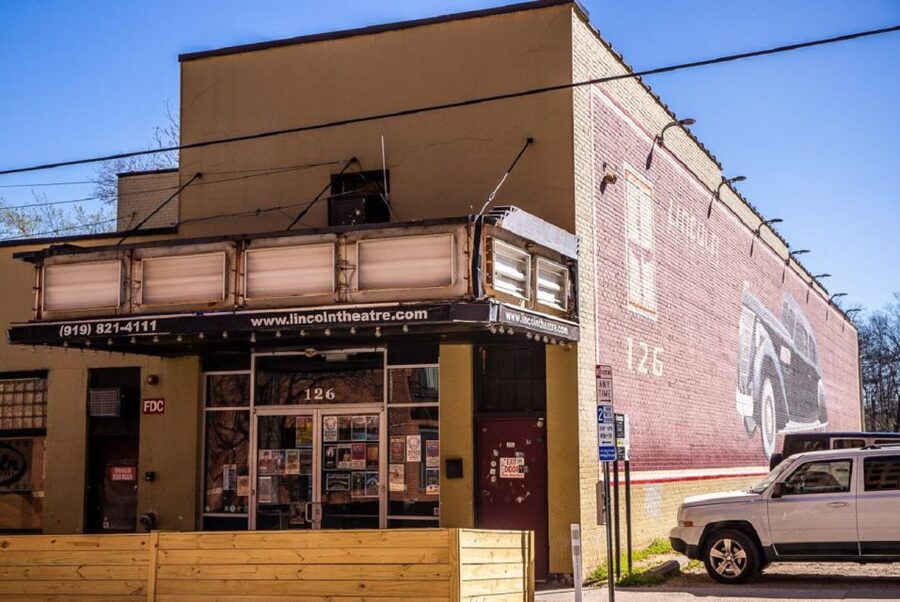
- Cabarrus Street cultural sites include the former Dove Music Store and the Lincoln Theater
- A compact 1-hour format makes it easy to fit into a busy day
Why this Raleigh walking tour works so well in just one hour
Some history tours feel like marathons. This one doesn’t. You get a compact route in central Raleigh that focuses on how Raleigh’s African American community shaped civic life, culture, and everyday business—using real buildings and real street corners as your timeline.
I like that the guide isn’t just pointing at plaques. The tour is led by a local historian, so you’re getting explanation that ties locations to political and cultural meaning. In the reviews, the guide’s preparation and passion show up again and again—Andrew is specifically praised for knowing the social and cultural context, not just dates.
You’ll also appreciate the practical pacing. With a one-hour duration, it’s the kind of experience you can add before lunch, after a meeting, or as part of your downtown walkabout.
Meeting at 420 Fayetteville St: get your bearings quickly
You meet at the Fayetteville Street entrance of the Raleigh Downtown Sheraton (address: 420 Fayetteville St). This is helpful because downtown Raleigh is easy to navigate, and a clear meeting point keeps the start smooth.
If you’re using public transit or walking from a nearby hotel, this sort of fixed downtown anchor is exactly what you want. You’re not hunting for a random corner in the middle of the block maze.
East Hargett Street: Raleigh’s Black Main Street in walking form
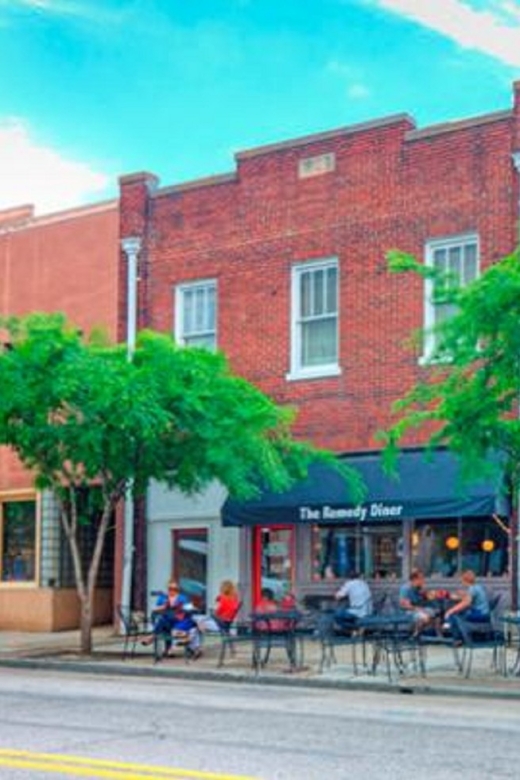
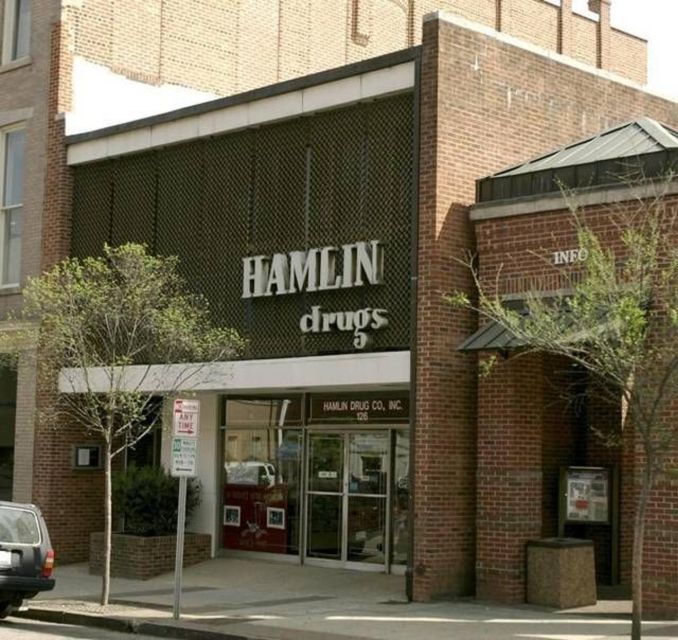
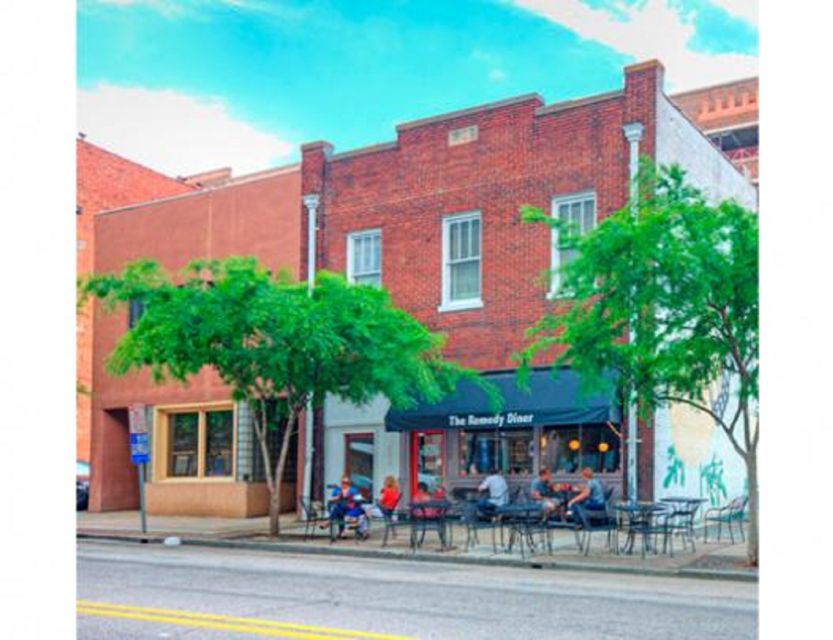
The tour begins on East Hargett Street, widely recognized as Raleigh’s Black Main Street. That matters because you’re not starting at a remote museum where history sits behind glass. You’re starting where community life unfolded—on a corridor that connected business, culture, and local identity.
From there, you’ll see two specific buildings on East Hargett Street:
- the Hamlin Building
- the Delaney Building
What I find valuable here is that the tour doesn’t treat architecture like decoration. Buildings on a main street can reflect ownership, business growth, investment, and the everyday rhythm of a community. Even if you only know a little going in, these named stops give you something concrete to remember afterward.
Why these buildings matter more than you might expect
When a guide gives context for why a building mattered, the street becomes a story. You start noticing things you would normally walk past—what these addresses signaled at the time, and how that connects to community presence today.
East Davie Presbyterian Church: politics, architecture, and community leadership
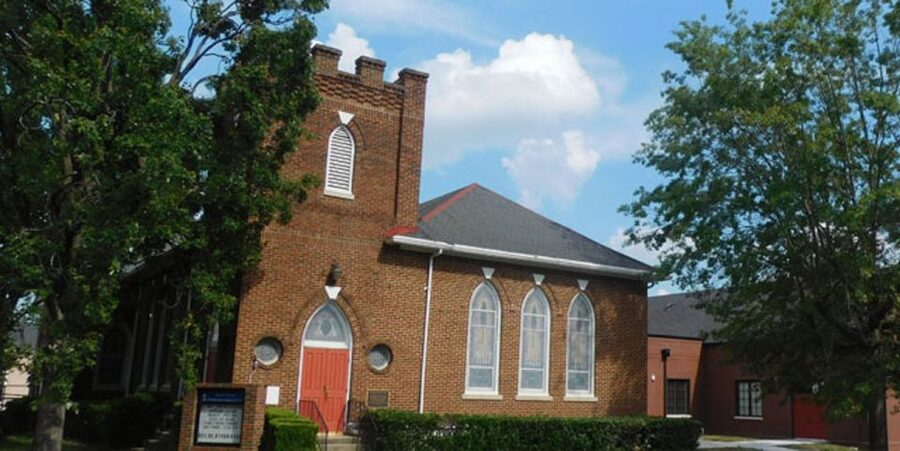
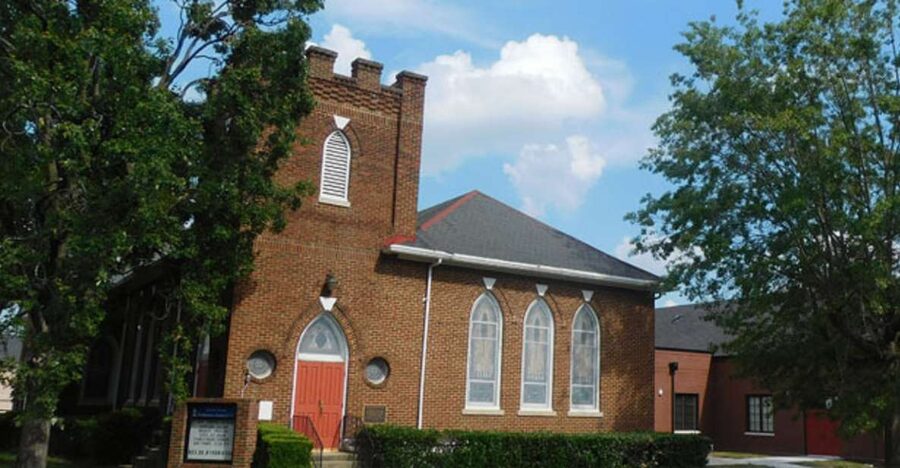
Next up is East Davie Presbyterian Church, described as an impressive building with an important political role in the community. The tour also highlights the church as the magnum opus of one of Raleigh’s most famous Black architects.
This is a great stop for two reasons. First, churches often served as more than worship spaces—places where leadership formed, civic discussion happened, and community organizing took shape. Second, calling out the architect and emphasizing the building’s significance shifts the focus from community history to creative and professional accomplishment too.
You’ll likely walk away with a stronger sense of how architecture and politics can intersect. It’s not just about a famous building; it’s about why a building earned that status and how it functioned for the people who used it.
A practical note for this stop
Expect to slow down a bit and listen closely. Church stops tend to be information-heavy, and you’ll get the most out of this part if you’re ready for details and names. Reviews consistently highlight the guide’s ability to keep the explanation clear and engaging, so this is where that skill really pays off.
Cabarrus Street: music, entertainment, and what’s left behind
The final stretch brings you to Cabarrus Street, where you’ll visit the former site of:
- the Dove Music Store
- the Lincoln Theater
This is where the tour feels especially alive. Music stores and theaters aren’t just businesses; they’re cultural infrastructure. They point to what people listened to, watched, gathered for, and celebrated. Even though these are described as former sites, the story still lands because you’re connecting the past to the urban shape of the present.
If you’ve ever wondered how a city’s cultural scene gets built—and then how it changes over time—this stop is useful. It helps you see entertainment as part of community history, not a separate category.
How to make this part stick
When you reach a former site, look at what surrounds it now. Even if the building is gone or repurposed, the street pattern and location context help you picture what once drew people in. Take a moment to mentally map the “before” to the “now”—that’s often where the guide’s explanation clicks.
The guide experience: Andrew’s style is the real driver
Across the reviews provided, one name shows up in a big way: Andrew. He’s praised for being well-studied, passionate, and extremely knowledgeable, with a focus on the social and cultural side of the area—both past and present.
That matters because African American history in a city isn’t only about major national events. It’s also about local relationships, civic roles, and how community institutions shaped everyday life. When the guide is strong, you don’t just hear facts—you get connections.
If you like tours where questions feel welcome and the guide can explain clearly, this one is a good match. The consistent 5/5 ratings aren’t just about enthusiasm; they’re about delivering an hour that feels worth your time, even if you’re only seeing a handful of stops.
Price and value: $19 for an hour that concentrates the important stuff
At $19 per person for a 1-hour guided walk, the value is in focus. You’re paying for interpretation and pacing: a historian turns several downtown sites into a readable story.
Is it a bargain? For me, the question is whether you leave with more than a list of landmarks. With this format, you can. You get a route that names key buildings and sites on the streets where the community formed and expressed itself—East Hargett Street, East Davie Presbyterian Church, and Cabarrus Street.
And because the tour is only one hour, you’re less likely to feel like you paid for a long slog. Short tours cost less in time and attention, which is often what makes them the better deal.
Who this tour is best for
This tour fits especially well if you:
- want a downtown walking experience without a half-day commitment
- like tours led by a local historian rather than a generic audio script
- want specific locations tied to Raleigh’s African American community—Black Main Street, a major church, and cultural sites on Cabarrus Street
- appreciate context on social and cultural life, not just dates
If you’re someone who enjoys slow, museum-style looking, you might wish for more time. But if you want a strong overview and a set of concrete places to revisit on your own, this one is built for that.
A balanced way to plan your day around it
To get the most out of a walking tour, I’d do two things:
1) Wear comfortable shoes. It’s a walking experience, and downtown sidewalks can be uneven.
2) Bring a little curiosity about local institutions. This tour focuses on churches, buildings, and cultural gathering points—those details tend to reward you when you’re paying attention.
Then, after the tour, you can use the names you learned—Hamlin Building, Delaney Building, East Davie Presbyterian Church, Dove Music Store, Lincoln Theater—to guide your own self-walk. Even if you don’t do extra stops, you’ll recognize what you pass later.
Should you book the Raleigh African American History Tour?
If you want an easy-to-fit, well-led overview of Raleigh’s African American community through real downtown locations, I’d book it. The price is reasonable for a guided hour, and the biggest strength is the guide—Andrew is consistently described as passionate and well-prepared.
Book it if you like clear storytelling, specific named sites, and a route that stays focused. Skip it only if you know you don’t do well with walking time. Otherwise, this is a smart use of an hour in Raleigh.
FAQ
How long is the Raleigh African American History Tour?
The tour lasts 1 hour.
How much does the tour cost?
The price is $19 per person.
Where do I meet the tour?
You meet at the Fayetteville Street entrance of the Raleigh Downtown Sheraton (420 Fayetteville St).
What will we see during the tour?
You’ll walk through Raleigh’s Black Main Street on East Hargett Street (including the Hamlin Building and Delaney Building), visit East Davie Presbyterian Church, and then head to Cabarrus Street to see the former sites of Dove Music Store and the Lincoln Theater.
Is the tour guided?
Yes. The event is hosted by a local historian and includes a full guided tour.
What language is the tour in?
The live tour guide speaks English.
Is the tour wheelchair accessible?
Yes, the tour is wheelchair accessible.
FAQ
Is there free cancellation?
You can cancel up to 24 hours in advance for a full refund.
Can I reserve now and pay later?
Yes. You can reserve now and pay nothing today.